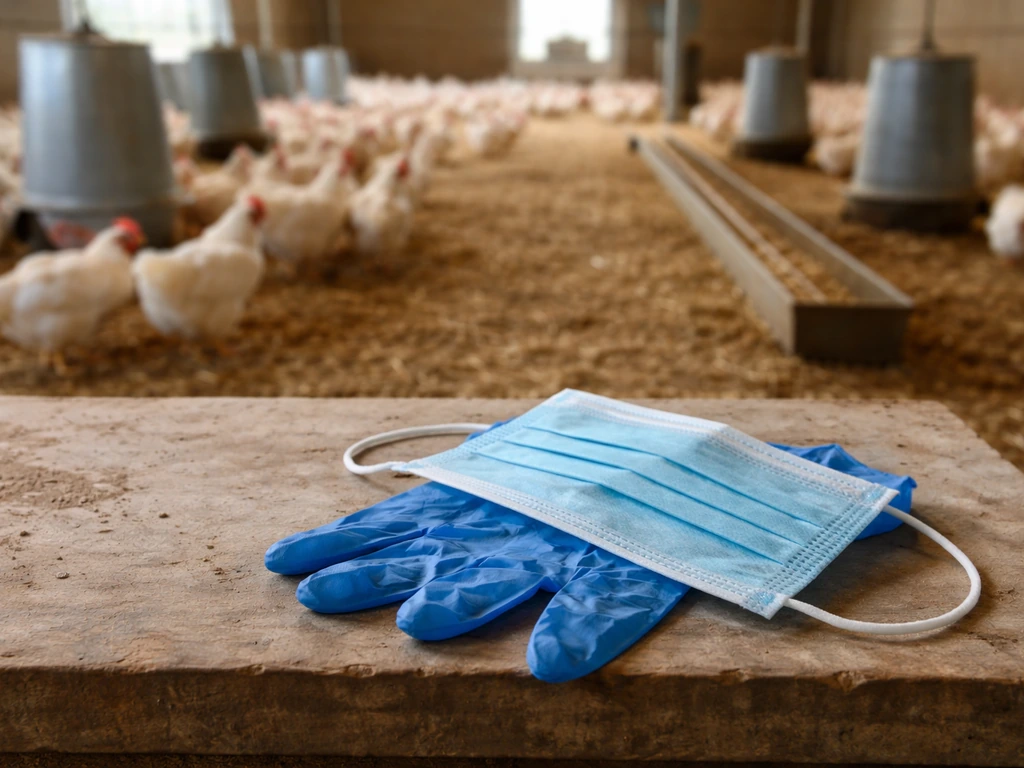
Bird flu (avian influenza) is caused by influenza A viruses that naturally circulate in wild birds, can devastate poultry flocks, and occasionally infect people who have close, unprotected contact with infected animals or contaminated environments. Bird flu disease is also known as avian influenza, caused by influenza A viruses that mainly circulate in birds what is bird flu disease.
How Does Bird Flu Work End to End in Birds and People

Sarah Chen
1 Jul 2026
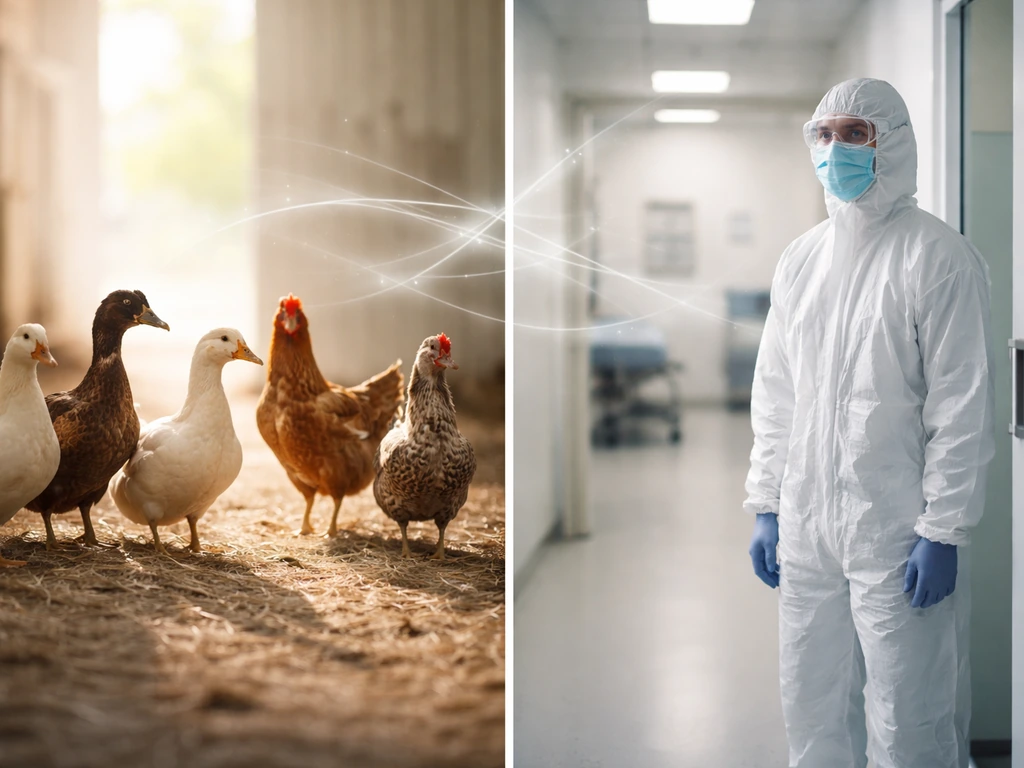
The virus spreads through mucus, saliva, and feces from infected birds, survives surprisingly well in the environment, and can infect people through the eyes, nose, or mouth, either directly or via contaminated surfaces. Human-to-human spread is extremely rare and has never been sustained. For most people today, the public health risk from H5N1 remains low, though understanding how it works is genuinely useful for farmers, backyard flock owners, and anyone who wants to separate real risk from noise.
What bird flu actually is and why birds spread it so easily
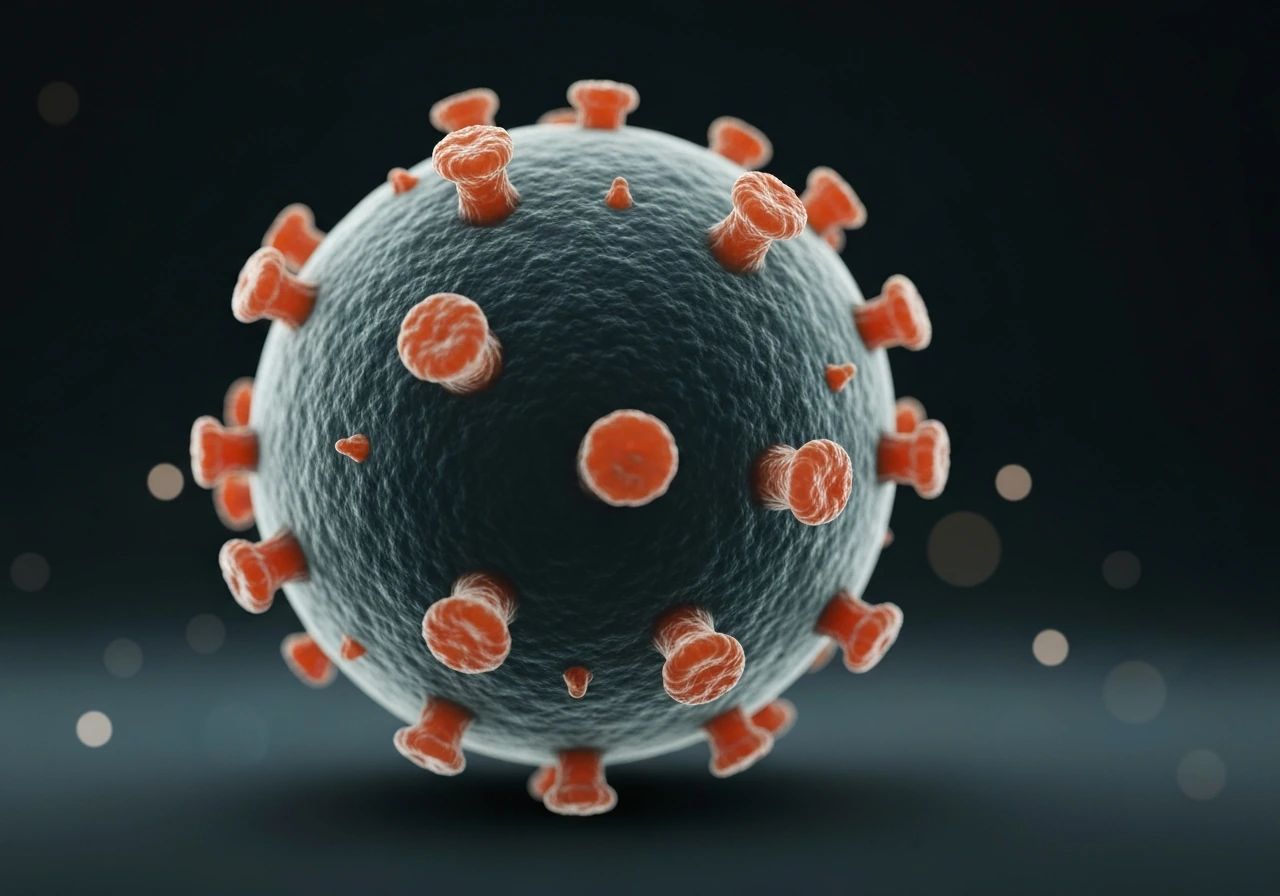
Avian influenza viruses are influenza A viruses classified by two surface proteins: hemagglutinin (HA) and neuraminidase (NA). The combinations you hear about, H5N1, H7N9, H5N2, refer to which versions of those proteins the virus carries. There are many subtypes, and human infections have been confirmed from A(H3), A(H5), A(H6), A(H7), A(H9), and A(H10) strains, among others. Wild aquatic birds, especially waterfowl, are the primary natural reservoir. They carry most strains without getting seriously sick, which is exactly what makes them effective long-distance carriers.
The classification that matters most practically is pathogenicity: how dangerous the virus is to poultry. Low pathogenicity avian influenza (LPAI) causes mild or no signs in birds and is easy to miss. High pathogenicity avian influenza (HPAI), the category that includes H5N1, can kill large proportions of an infected flock quickly. If you are wondering what bird flu means, it refers to influenza viruses that primarily infect birds but can sometimes spread to people what does bird flu mean. That HPAI/LPAI label describes how the virus behaves in experimentally infected chickens, though, not how severe human illness will be. A virus labeled LPAI can still make people sick, and HPAI does not automatically mean a catastrophic human outbreak.
At the molecular level, a key factor in whether avian influenza can infect humans is receptor binding. Avian flu viruses preferentially bind to sialic acid receptors with an alpha-2,3 linkage, which are found mainly in bird intestines and the deep human respiratory tract. Human seasonal flu viruses prefer alpha-2,6-linked receptors, which are abundant in the upper human airways. This difference is a major reason avian flu doesn't spread easily between people, but mutations in the hemagglutinin binding pocket can shift that preference, which is exactly what pandemic surveillance watches for.
How infection starts and moves through poultry
Infected birds shed virus in their saliva, nasal secretions, and feces. If you want the broader picture of what bird flu is and how it is transmitted, it starts with avian influenza viruses and the ways they move through birds and contaminated environments what is bird flu and how is it transmitted. On a farm, that translates quickly into contaminated water, feed, litter, equipment, clothing, and vehicles. Wild birds, particularly migratory waterfowl, are the most common source of introduction into domestic flocks. Once one bird in a flock is infected, virus moves fast. Shared water sources, airborne particles from dust and dried feces, and the movement of people and equipment between pens are the primary amplification routes.
Environmental survival makes this harder to control than it sounds. The virus can persist for roughly five hours on skin, about one day on fabrics, around three days in litter like wood shavings, and up to 21 days in water under the right conditions. Colder temperatures extend survival significantly, which is part of why outbreaks cluster in winter and early spring. That three-week window in water means a contaminated pond or water trough can remain infectious long after the original source bird has gone.
HPAI outbreaks in domestic birds typically trigger culling policies and strict containment. When avian influenza is suspected, the standard response is to immediately restrict movement of birds, equipment, and people from affected premises, then cull confirmed cases and disinfect thoroughly. This containment model is the foundation of both agricultural and public health response.
How bird flu reaches people, and who's actually at risk
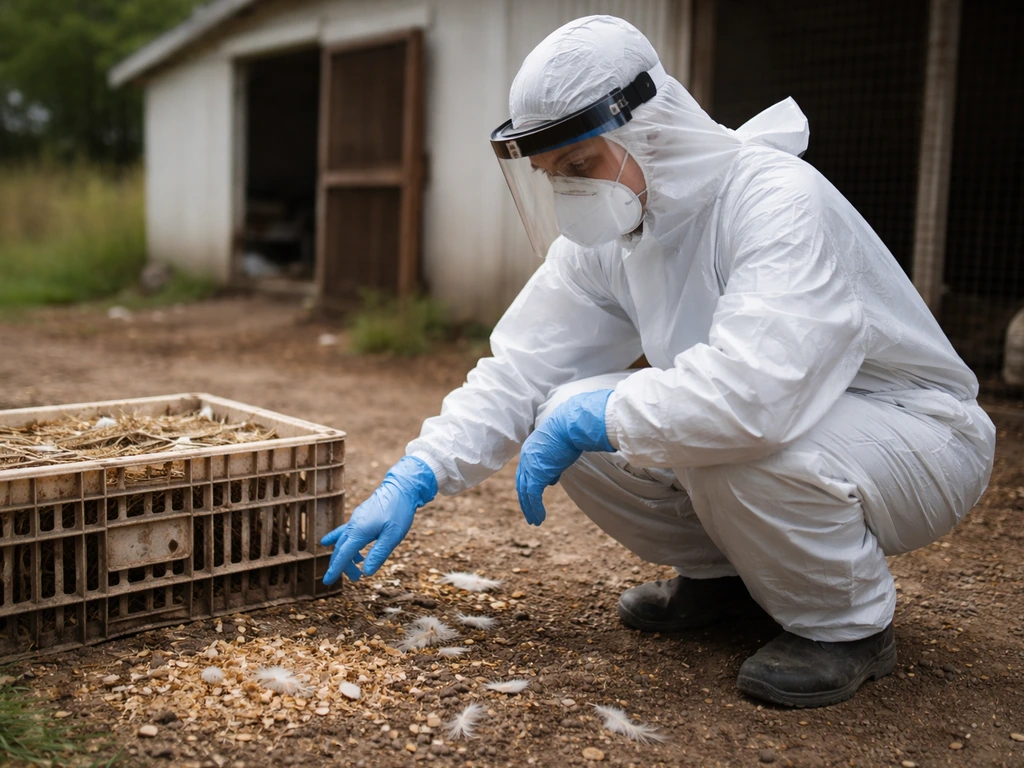
The vast majority of human infections follow close, unprotected exposure to infected birds or contaminated environments. You can get bird flu mainly through close, unprotected exposure to infected birds or through contaminated environments infected birds or contaminated environments. The transmission routes are more specific than most people realize:
- Direct contact: handling sick or dead birds (poultry, wild birds, or infected mammals like dairy cattle) without gloves or eye protection
- Airborne droplets and dust: breathing virus-laden air inside enclosed spaces like poultry houses, particularly when birds are disturbed and shed aerosols
- Fomite contact: touching contaminated surfaces — litter, equipment, cages, water — and then touching your eyes, nose, or mouth
- Fecal-oral route: though not considered the primary route for H5N1, contact with feces-contaminated environments plays a role
Occupational exposure drives most human cases globally. Poultry farmers, live poultry market workers, veterinarians, and wildlife biologists are in the highest-risk categories. Backyard flock owners are also at meaningful risk if they handle sick birds without protection, and it's worth knowing that infection can happen without ever directly touching an animal; breathing contaminated dust in an enclosed space is enough. For the general public with no direct bird contact, the risk today is genuinely low.
What bird flu does in birds vs. what happens in people
Signs in poultry
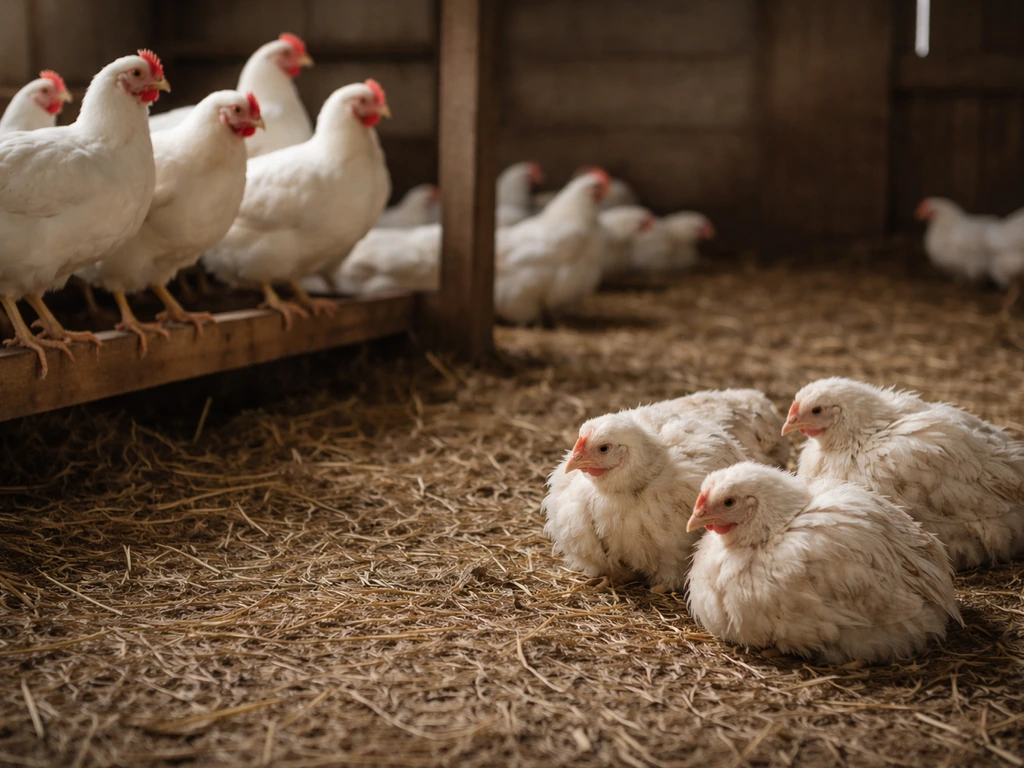
LPAI-infected birds often show nothing obvious, or only mild respiratory signs. HPAI is different: infected poultry can show sudden death (sometimes with little warning), severe respiratory distress, swollen or discolored wattles and combs, neurological signs, a sharp drop in egg production, and diarrhea. Mortality can be extremely high very quickly. If you see unexplained deaths or rapid decline across multiple birds in a flock, that warrants immediate reporting to your state or local agricultural authority, don't wait for symptoms to worsen.
Clinical progression in people
In humans, H5N1 typically has an incubation period of two to five days, though it can range up to seven days and in some cases up to 17 days from last known exposure. Early symptoms look like standard influenza: fever, muscle aches, cough, and upper respiratory symptoms. The concern with HPAI H5 specifically is that it can progress to lower respiratory tract illness, pneumonia and acute respiratory distress, faster and more severely than seasonal flu in some patients.
Avian flu can progress quickly, and the specific effects of bird flu in people depend on the strain and how quickly treatment begins. Not every case follows this severe path, but the potential for rapid progression is why early antiviral treatment and medical evaluation matter so much when exposure has occurred.
| Feature | In Poultry (HPAI) | In Humans (H5N1) |
|---|---|---|
| Incubation | Hours to days | 2–5 days typical, up to 17 days |
| Early signs | Lethargy, respiratory distress, sudden death | Fever, muscle aches, upper respiratory symptoms |
| Severe progression | High flock mortality, neurological signs | Pneumonia, acute respiratory distress |
| LPAI contrast | Mild or no signs | Can still cause illness despite 'low pathogenicity' label |
How contagious is bird flu, and how do outbreaks actually spread?
Between birds, HPAI spreads very efficiently. Direct contact, contaminated fomites, and airborne transmission within a flock make containment challenging. Wild migratory birds carry strains across continents and continually reintroduce virus to new geographic areas, which is why outbreaks keep appearing in new regions despite culling efforts.
Human-to-human spread is a very different story. Limited transmission between people has occurred only very rarely, typically in households with prolonged close contact between a sick person and an unprotected family member. There is currently no evidence that H5N1 has acquired the ability to spread efficiently from person to person. The WHO, CDC, and European health authorities all consistently state this. The reason matters mechanically: for sustained human-to-human spread, the virus would need mutations that shift its receptor binding preference toward the upper airway, and those mutations appear to carry fitness costs that the virus has not yet overcome in the wild.
Prevention that actually works
For poultry farmers and backyard flock owners
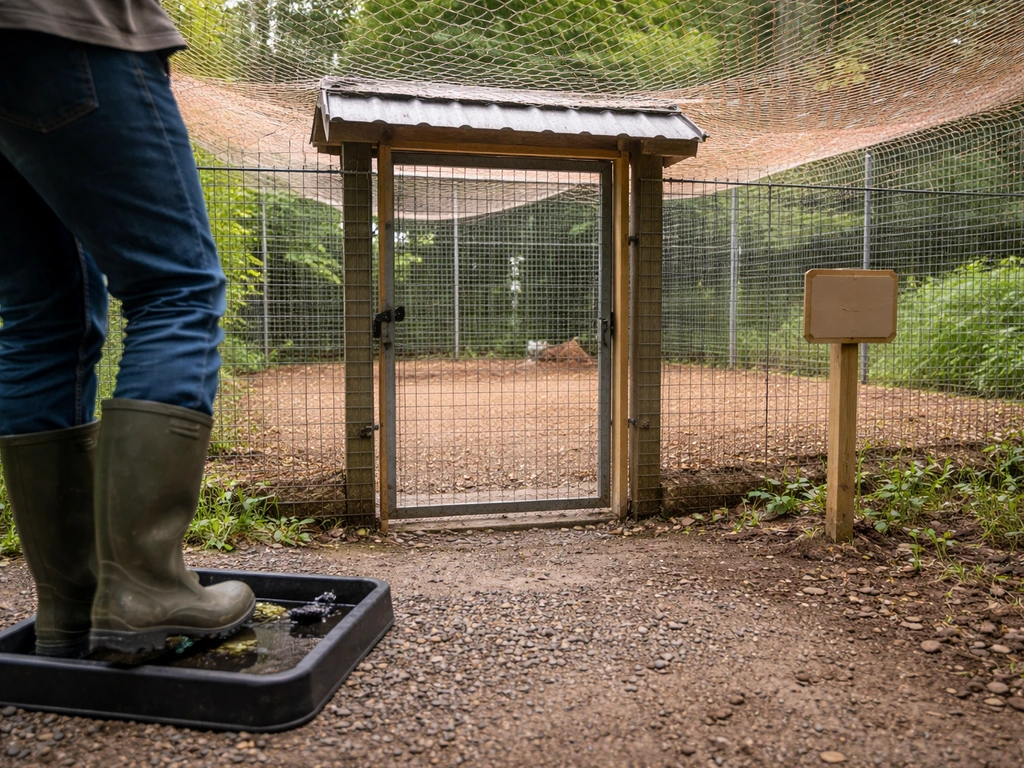
Biosecurity is the single most effective prevention tool. The core principles come down to limiting exposure between wild birds and your flock, controlling what comes onto your property, and having clear protocols when something looks wrong.
- Keep poultry away from wild birds: net or enclose runs, eliminate standing water that attracts waterfowl, secure feed storage
- Control farm access: limit visitors, require footwear changes or disposable boot covers at entry points, log who enters
- Dedicated equipment: avoid sharing tools, cages, or vehicles between farms; if shared, disinfect thoroughly before and after
- Use EPA-registered disinfectants: about 200 products are registered with claims against avian influenza A on hard, non-porous surfaces; always follow the label directions for contact time and concentration
- Wear PPE when within six feet of sick or dead birds: gloves, eye protection (goggles or face shield), and a well-fitted respirator (N95 minimum) at minimum; change and bag clothing before leaving the area
- Shower and change clothes after working with birds, especially before interacting with other flocks
- Report sick or dead birds promptly: contact USDA APHIS (1-866-536-7593) or your state veterinarian — early detection limits spread
For anyone who has been exposed
If you've had unprotected contact with sick or dead birds, contaminated environments, or infected animals, CDC recommends monitoring yourself for symptoms for at least 10 days after the last exposure. Public health agencies may offer post-exposure prophylaxis (oseltamivir, commonly known as Tamiflu) based on risk assessment of the specific exposure. Don't self-manage a potential exposure and hope for the best, contact your local health department or healthcare provider, describe what happened, and let them assess your risk tier. Treatment decisions should not wait for laboratory confirmation if symptoms develop.
Food safety: what's actually safe to eat
There is no evidence that properly prepared and cooked poultry or eggs transmit avian influenza to humans. This is consistent across WHO, CDC, and WOAH guidance. Cooking poultry to an internal temperature of 165°F (74°C) inactivates the virus. Standard food safety practices, washing hands after handling raw poultry, preventing cross-contamination with other foods, and not consuming raw or undercooked poultry products, cover the risk adequately.
The practical guidance is simple: avoid handling or consuming sick birds or birds found dead. Don't consume raw or undercooked poultry or eggs. If you raise birds and there's a confirmed or suspected outbreak on your premises, follow the instructions from your agricultural authority regarding what can be consumed or sold. Internationally traded poultry products that follow sanitary measures under the WOAH framework are considered safe.
Raw milk from infected dairy cattle is a separate and more recent concern, if you're in a region with confirmed HPAI in dairy herds, avoid raw milk. Pasteurized dairy products remain safe.
Vaccines, treatment, and what to do if something seems wrong
Antiviral treatment
Oseltamivir (Tamiflu) is the first-line antiviral for bird flu in humans. CDC recommends it for anyone of any age who develops symptoms after a relevant exposure, and critically, treatment should start as soon as bird flu is suspected, don't wait for lab results. It's also available as post-exposure prophylaxis for people with significant unprotected exposures. Early treatment significantly improves outcomes, especially given how quickly H5N1 can progress to pneumonia in some cases.
Vaccines
Your seasonal flu shot does not protect against H5N1 or other avian influenza viruses. This is a common and understandable misconception, both are influenza A viruses, but they're antigenically different enough that seasonal vaccines offer no meaningful cross-protection. CDC has developed candidate vaccine viruses (CVVs) for H5N1 that match currently circulating clade 2.3.4.4b viruses in birds and mammals, and these are maintained in stockpiles as part of pandemic preparedness. A WHO consultation in 2024 addressed considerations for using H5 vaccines in the current interpandemic period. Poultry vaccination exists and is considered a complementary control tool alongside biosecurity and surveillance, it's used in some countries to reduce flock mortality and viral shedding, though it requires careful strain matching to be effective.
What to do right now based on your situation
If you're a concerned member of the public with no direct bird contact: the risk to you today is low. Stay informed through CDC and your local health department, cook poultry and eggs thoroughly, and don't panic about casual outdoor exposure to wild birds. If you find a dead wild bird, don't handle it barehanded, use a shovel or gloves, bag it, and wash your hands.
If you're a poultry farmer or backyard flock owner: implement or review your biosecurity protocols now, not after you see a sick bird. Know the reporting number for your state or USDA APHIS. Ensure you have PPE on hand. If you see unexplained illness or deaths in your flock, call immediately and restrict movement on your property while you wait for guidance.
If you've had a potential exposure: contact your healthcare provider or local health department, describe the exposure in detail, and ask about monitoring and prophylaxis options. If you develop fever, respiratory symptoms, or conjunctivitis (eye inflammation) within 10 days of exposure, seek care right away and mention the bird contact explicitly, it affects what tests and treatment are appropriate.
The current outbreak context keeps evolving, and surveillance data updates regularly through CDC, USDA APHIS, and WHO. Checking those sources periodically gives you accurate risk context rather than relying on headlines. Bird flu's mechanisms are well understood, the virus is not mysterious. What makes it concerning is the gap between where it is now (a bird disease that occasionally infects people) and where it could go if the right mutations accumulate. That gap is why global surveillance, biosecurity, and early treatment protocols matter so much today.
FAQ
If bird flu is mostly a bird disease, why do public health agencies track specific human cases so closely?
Because once a virus infects people, clinicians can assess how it behaves in the human respiratory tract, whether it can transmit to close contacts, and how quickly it responds to antivirals. Even rare or isolated infections can change risk assessments for future spread, which is why monitoring continues between outbreaks.
Can you get bird flu from touching wild birds or their feathers, even if the bird seemed healthy?
Risk is mainly higher with sick or dead birds and with contamination from secretions and feces, but “seemed healthy” does not guarantee the bird was virus-free. If you handle a wild bird or are near where it roosts, use gloves, avoid touching your face, bag/dispose safely, and wash hands thoroughly afterward.
What should you do differently if the exposure was in an enclosed space, like a barn or workshop, versus outdoors?
In enclosed spaces, contaminated dust from dried feces and feathers can linger and be inhaled, increasing exposure even without direct contact. Ventilate if safe to do so, avoid sweeping dry material, use appropriate respiratory protection if you must enter, and treat the exposure as higher risk when speaking to a clinician or local health department.
Why does “human-to-human spread is rare” not mean “no household risk at all”?
Rare does not mean impossible. When transmission occurs, it has typically been linked to prolonged close contact in households with unprotected exposure to a sick person. If someone develops compatible symptoms after household exposure, prompt medical evaluation is still important, even though sustained community spread has not been observed.
How can I tell whether culling and movement restrictions are about preventing human infection or protecting the animal supply?
For birds, the immediate goal is to stop efficient spread inside flocks and reduce amplification routes like shared water and contaminated equipment. Human measures often focus on people with high-risk occupational or close-exposure situations, like farm staff and responders, rather than broad public measures unless human cases signal a changing risk pattern.
Does bird flu risk increase with having chickens but no known cases, for example during migratory season?
It can, because introduction is driven by infected wild birds and contaminated environments, so your flock may be exposed even if illness is not obvious at first, especially with low pathogenic strains. Strengthening biosecurity early, controlling access to feed and water, and restricting entry for vehicles and people helps reduce that silent entry risk.
What is a common mistake that delays proper bird flu response on a farm?
Waiting for “classic” symptoms before acting. Low pathogenic infections can look mild, and high pathogenic cases can progress quickly with sudden death or abrupt production drops, so unexplained illness or rapid changes across multiple birds should trigger immediate reporting and movement restrictions.
If a person develops symptoms after exposure, how quickly should they seek care, and what should they mention?
Seek care promptly, ideally at the first sign of fever or respiratory symptoms, and do not wait for test confirmation before treatment decisions when a relevant exposure is described. Tell the clinician the timing and nature of exposure to infected or possibly infected birds or contaminated environments, because it changes testing and urgency for antivirals.
Can conjunctivitis (eye redness) be the first sign, and does it change how clinicians evaluate exposure?
Yes, conjunctivitis can occur early in some avian influenza infections. Mention it immediately because it supports the clinical link to exposure, which can influence what tests are ordered and how treatment is prioritized.
Is it safe to handle and cook poultry if you do not know whether it came from an infected area?
Generally, properly cooked poultry and eggs are considered safe, because adequate cooking inactivates the virus. However, if you suspect sick birds were involved, avoid handling them with bare hands, prevent cross-contamination in the kitchen, and do not rely on smell or appearance to judge safety.
Does washing clothes and disinfecting equipment fully solve the problem after a suspected outbreak?
It helps significantly, but the key is correct sequencing and containment. Restrict movement first, use approved disinfectants as directed, manage contaminated litter and waste safely, and ensure cleaning does not spread material to clean areas via footwear, tools, or vehicles.
If seasonal flu vaccines don’t protect against H5N1, should someone with bird exposure still get a flu shot?
It does not prevent H5N1, but it can reduce the chance of seasonal influenza, which helps avoid diagnostic confusion and reduces overall respiratory illness burden. Getting vaccinated can be a reasonable general step, but it should not replace exposure monitoring, biosecurity, or antiviral planning after a significant bird-related exposure.
What should a backyard flock owner do about other pets, like cats and dogs, around sick birds?
Prevent pets from contacting sick or dead birds and from accessing areas with feces, carcasses, or contaminated feed or water. Pets can mechanically carry contaminated material on fur or paws, which can increase spread inside a property if you then move between animals or into the home.