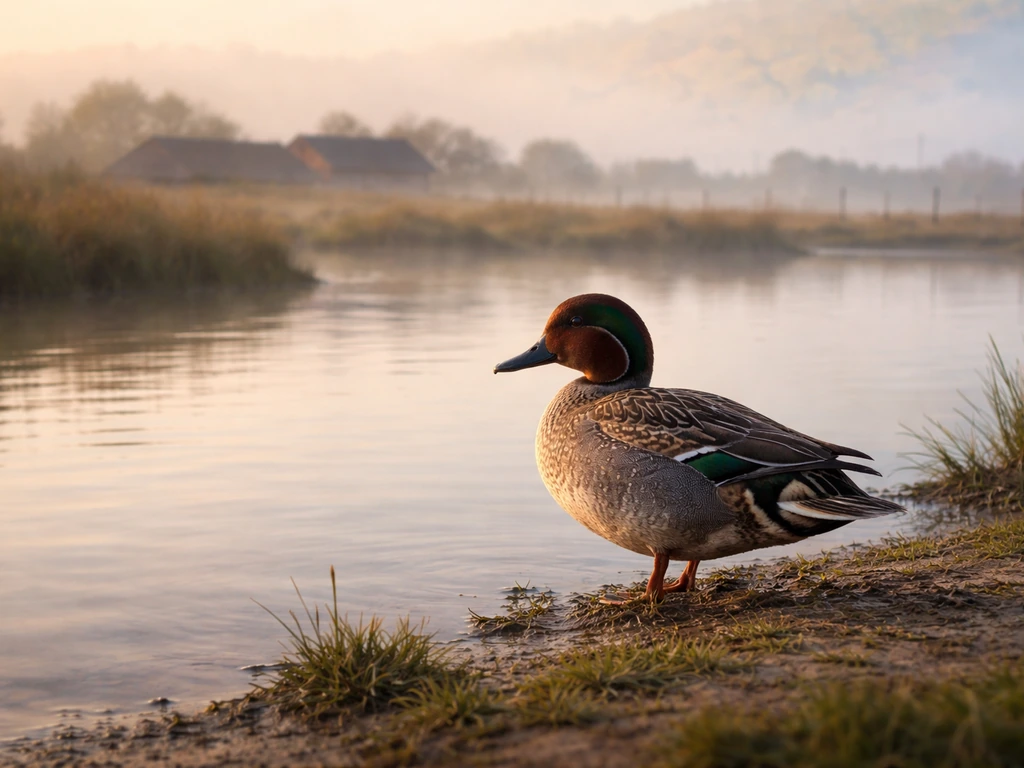
It's called 'bird flu' because the viruses behind it, avian influenza A viruses, naturally live and circulate in birds. Wild waterfowl like ducks and geese are the main reservoir, meaning the virus has evolved to spread among birds, not people. The name stuck because that's exactly where the disease comes from: birds first, and only occasionally humans. That origin story matters a lot when it comes to understanding what 'bird flu' actually means for your health, your farm, or your dinner plate. For more background, see what bird flu is and how it is discussed in medical references like Wikipedia.
Why Is It Called Bird Flu? Name, Risk, and Facts

Sarah Chen
6 Jun 2026
Where the name 'bird flu' actually comes from

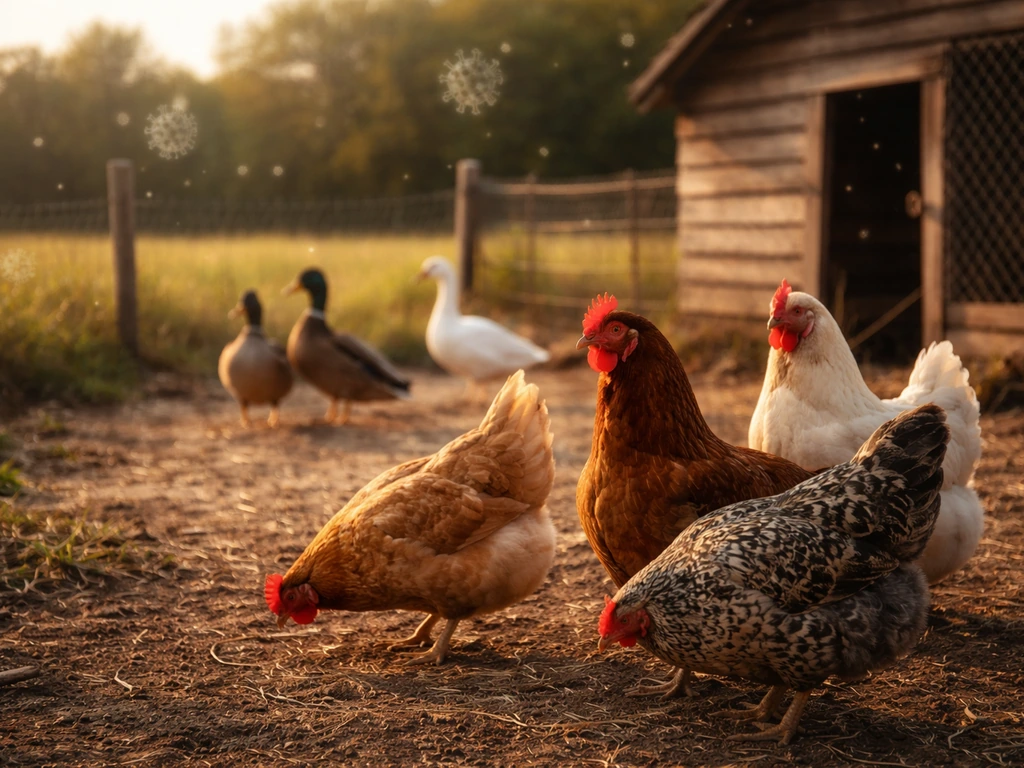
Avian influenza, the scientific term, describes influenza A viruses that are adapted to infect birds. Ducks, geese, shorebirds, and domestic poultry like chickens and turkeys are the primary hosts. The informal label 'bird flu' is simply a plain-language shorthand that the public, press, and even public health agencies use because it immediately tells you the most important fact: this is a virus that comes from birds. The WHO describes avian influenza as a disease that 'mainly affects birds but can also affect mammals including humans,' which captures the core reason the name exists. The virus got its reputation, and its nickname, from repeated outbreaks that started in poultry flocks before jumping to other species.
The 'flu' part is accurate too. These are genuinely influenza viruses, belonging to the same broad family as the seasonal flu strains you encounter every winter. They have the same basic structure, the same type designations (H and N subtypes based on surface proteins), and the same general mechanism of infection. What makes avian strains different is that they are adapted to a bird's body temperature and biology, not a human's. That mismatch is actually one of the reasons it's hard for bird flu to spread easily between people.
You may also see it referred to as HPAI (Highly Pathogenic Avian Influenza) or LPAI (Low Pathogenic Avian Influenza), which describes how severe the virus is in poultry rather than in people. H5N1, H5N2, and H7N9 are common strain names you'll see in outbreak reporting, and each one has its own history and risk profile. But in everyday conversation, all of them get lumped under 'bird flu.'
How bird flu is different from the seasonal flu you already know
Seasonal human flu, caused by influenza A and B strains adapted to humans, spreads efficiently from person to person through respiratory droplets. That's why it circles the globe every winter and why hundreds of millions of people get it annually. Bird flu works very differently. As of June 2026, the WHO confirms that sustained human-to-human transmission of avian influenza has not been identified. That single fact is the most important distinction between the two diseases, and it's the reason bird flu has not caused a human pandemic despite being in the news for decades.
When you catch seasonal flu, the virus has already adapted to your respiratory tract and can easily pass to the next person via a sneeze or shared air. Bird flu viruses, by contrast, typically bind to receptors found deep in the lower respiratory tract of humans, not the upper airways where easy transmission happens. That biology makes them harder to catch but potentially more severe when infection does occur, because the infection tends to reach the lungs directly.
| Feature | Seasonal Human Flu | Bird Flu (Avian Influenza) |
|---|---|---|
| Primary host | Humans | Wild birds and poultry |
| Human-to-human spread | Yes, efficient | Rare, not sustained |
| Typical exposure route | Respiratory droplets from infected people | Direct contact with infected birds or contaminated environments |
| Annual vaccine available | Yes, updated yearly | Limited; poultry vaccines exist; human vaccines are strain-specific and not widely deployed |
| Risk to general public | High (widespread seasonal circulation) | Low (requires close animal contact) |
| Risk to poultry farmers/handlers | Standard | Elevated without PPE during outbreaks |
How the infection actually moves from birds to people
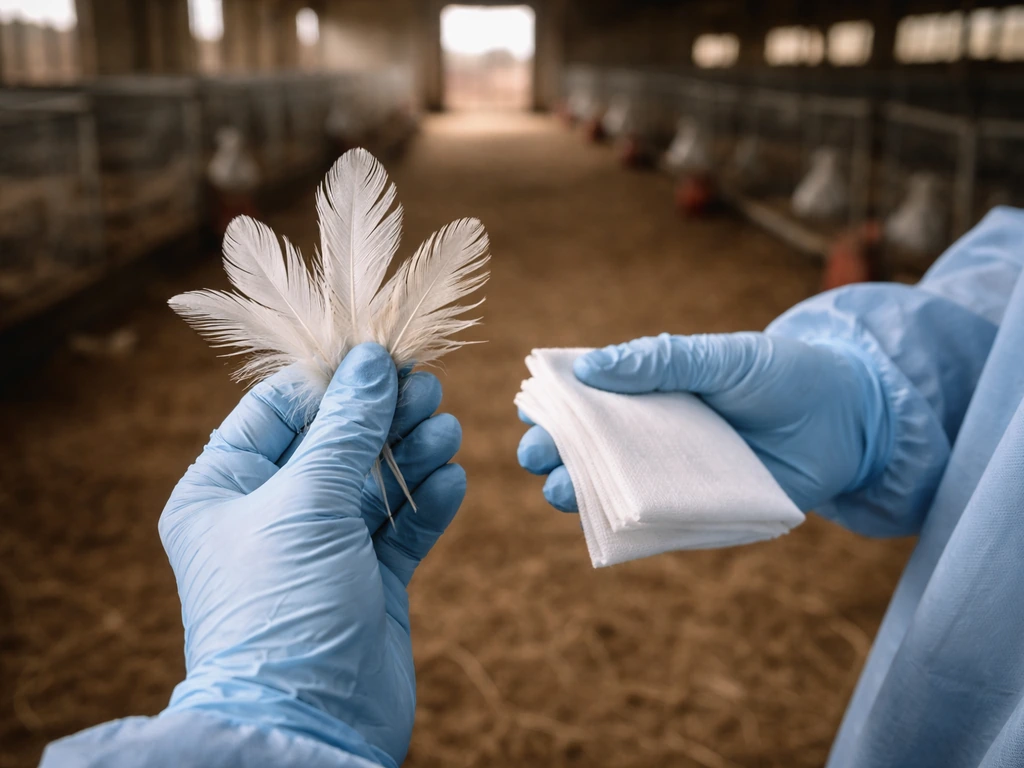
The CDC is clear on this: people most often get bird flu through direct, unprotected contact with infected birds or other infected animals. This means touching a sick or dead bird and then touching your eyes, nose, or mouth without washing your hands first. It can also happen through exposure to surfaces or materials contaminated with an infected bird's saliva, mucus, or feces, things like bedding, cages, water troughs, and soil in poultry yards.
Proximity matters too. The CDC has noted that risk increases significantly with close contact, roughly within about 6 feet, to infected poultry or heavily contaminated environments, especially without personal protective equipment (PPE) like gloves and a properly fitted respirator. This is why the overwhelming majority of human bird flu cases worldwide have occurred in people who work directly with poultry, live-bird markets, or infected wild birds, not in the general public going about their day.
The WOAH (World Organisation for Animal Health) also flags farm-to-farm spread as a major concern in agriculture. The virus doesn't just move between flocks through bird contact. It can travel on contaminated boots, vehicle tires, clothing, and equipment when biosecurity measures are lax. This is why controlling outbreaks on farms requires immediate movement restrictions and strict decontamination protocols, not just culling infected birds.
Why bird flu outbreaks get so much attention
Two very different groups have serious reasons to pay attention to bird flu: public health officials watching for pandemic risk, and farmers facing economic devastation. Both concerns are legitimate, even though they're driven by different factors.
The public health angle
Pandemic influenza preparedness experts watch avian influenza closely because every so often, an influenza virus that circulates in animals acquires the right mutations to spread efficiently between people. The 1918 pandemic, the deadliest in modern history, involved an influenza virus with avian origins. Scientists study bird flu strains continuously to catch any sign that a strain is gaining the ability to spread person to person, because catching that early is the difference between a contained outbreak and a global crisis. That vigilance, not an imminent threat to everyday people, is the real reason bird flu stays in the news.
The agricultural angle
For poultry farmers, a confirmed HPAI outbreak is economically catastrophic. Entire flocks, sometimes hundreds of thousands of birds, must be culled to stop spread. Egg and meat supplies drop, prices rise, and export markets can close overnight when a country reports an outbreak. HPAI outbreaks across the United States in recent years wiped out tens of millions of birds and caused significant egg price spikes that consumers noticed directly. When bird flu makes the news, it is often these agricultural impacts driving the story, not widespread human illness.
Clearing up the biggest misconceptions
The name 'bird flu' carries a lot of baggage. Bird flu is also known as avian influenza. Here are the most common misunderstandings worth correcting directly.
- "Bird flu spreads like regular flu." It does not. There is no sustained human-to-human transmission of current avian influenza strains. You cannot catch it from someone who caught it from a bird.
- "Eating chicken or eggs will give me bird flu." Properly cooked poultry and eggs are safe. Avian influenza viruses are killed by standard cooking temperatures. The CDC confirms that human infection with HPAI H5 viruses does not occur from eating properly cooked poultry products.
- "If there's an outbreak nearby, I'm at risk." Not unless you have direct contact with infected birds or contaminated environments. Geographic proximity to a poultry outbreak does not put typical households at risk.
- "Bird flu and regular flu are the same thing." They are related but meaningfully different in host range, transmission routes, and seasonal patterns. Calling them the same would be like saying a dog cold and a human cold are identical because both are caused by coronaviruses.
- "Any bird can give me bird flu." Wild birds can carry the virus without showing symptoms, but the risk of transmission from casual contact with backyard or wild birds is very low. The elevated risk scenarios involve intensive poultry farming environments, live markets, or handling dead/sick birds without protection.
Practical safety guidance: what to actually do
For everyday households
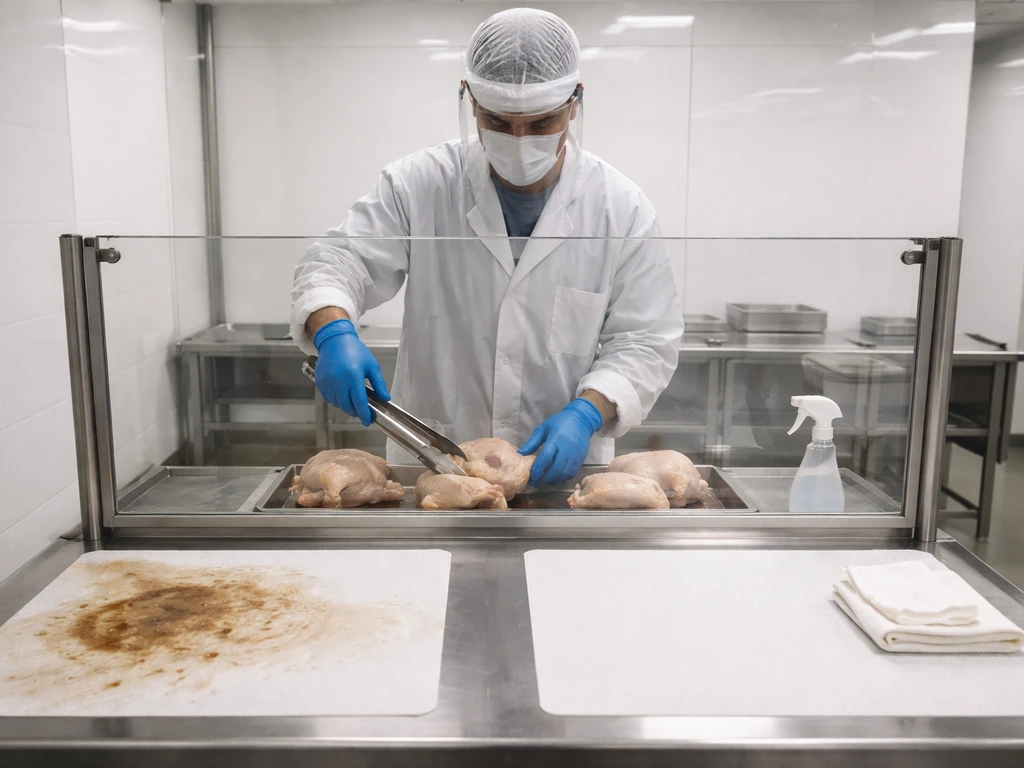
Food safety is the most relevant concern for most people, and the guidance is straightforward. Cook poultry to an internal temperature of 165°F (74°C) and cook eggs until both the yolk and white are firm. The USDA frames good food handling around four actions: Clean, Separate, Cook, and Chill. That means washing hands and surfaces thoroughly, keeping raw poultry away from other foods, cooking to the right temperature, and refrigerating leftovers promptly. For sanitizing cutting boards and surfaces that have touched raw poultry, the USDA recommends a solution of 1 tablespoon of unscented chlorine bleach per 1 gallon of water. These are not special bird flu precautions; they are standard food safety steps that work against a wide range of pathogens.
Avoid touching wild birds, especially sick or dead ones, with bare hands. If you find a dead bird and need to move it, use gloves or a plastic bag as a barrier and wash your hands thoroughly afterward. Keep pets, especially cats and dogs that roam outdoors, away from wild bird carcasses. Cats in particular have shown susceptibility to avian influenza through contact with infected birds.
For poultry farmers and backyard flock owners
Biosecurity is everything. The WOAH highlights that farm-to-farm spread happens via contaminated equipment, boots, and vehicles just as readily as through direct bird contact. That means dedicating footwear and outerwear to poultry areas, disinfecting vehicles before they enter farm property, limiting visitor access during outbreak periods, and sourcing birds only from reputable, certified sources. Report unusual illness or sudden death in your flock to your state veterinarian or local agricultural extension office immediately. Early reporting is how outbreaks get contained before they spread to neighboring farms. During any period of direct contact with potentially infected birds, wear gloves, eye protection, and an N95 respirator at minimum.
Vaccines: what exists and for whom
There are two separate vaccine conversations happening with bird flu: one for poultry and one for people, and they are very different.
Poultry vaccines
Vaccines for poultry exist and are used in some countries as part of outbreak control strategies. However, their use is complicated. A vaccinated flock can carry and shed the virus without showing obvious signs of illness, which makes detecting and controlling spread harder. For this reason, countries like the United States have historically prioritized aggressive culling over vaccination for outbreak control, though policies vary and have been under active review. Whether poultry vaccination is appropriate depends on the specific strain, the country's trade commitments, and the scale of an outbreak.
Human vaccines
For people, there is no widely deployed bird flu vaccine available to the general public. Candidate vaccines for specific strains like H5N1 exist in national stockpiles in some countries, developed as pandemic preparedness tools. These are not the same as the annual seasonal flu vaccine, which does not protect against avian influenza strains. If you work in high-risk settings (poultry farms during an active outbreak, wildlife handling, or certain laboratory settings), your employer and local health authority may offer antiviral prophylaxis (preventive medication, typically oseltamivir, also known as Tamiflu) or access to experimental or stockpiled vaccines depending on your country's protocols. The annual seasonal flu vaccine is still worth getting because it protects against human strains, and reducing overall influenza burden matters, but it is not a bird flu shield.
What's happening now and how to stay informed
Bird flu is not a static situation. Strains evolve, outbreaks expand and contract, and risk assessments change based on surveillance data. As of mid-2026, avian influenza continues to circulate in wild bird populations and domestic poultry across multiple continents, and sporadic human cases continue to be reported in people with direct animal contact. The overall risk to the general public remains low, but the situation warrants ongoing monitoring.
To check what's actually happening right now, go directly to official sources rather than relying on news headlines, which tend to cover outbreaks in ways that can amplify alarm without useful context. The CDC's bird flu webpage is updated regularly and includes current case counts, affected states or countries, and risk assessments. The WHO's avian influenza page covers global human cases and provides strain-specific situation reports. The USDA's APHIS (Animal and Plant Health Inspection Service) website publishes confirmed U.S. poultry flock detections, which is the most relevant resource if you raise birds or work in agriculture.
When you read outbreak news, look for three specific pieces of information: the strain involved, whether any human cases are linked, and whether human-to-human transmission has been detected. Those three data points will tell you far more about real-world risk than a headline count of infected flocks. If you're a farmer, your state's department of agriculture is the most actionable source because it will have region-specific guidance and contact numbers for reporting.
Understanding why it's called 'bird flu' is actually the starting point for cutting through the noise. The name tells you the most important truth: this is a disease that originates in birds, requires bird contact to reach humans, and behaves very differently from the flu strains that spread easily between people. Keep that framing in mind and you'll be able to read any future outbreak news with a much clearer head. If you are studying for Class 9, you can learn the basics of what is bird flu and why it is different from seasonal flu in simple terms what is bird flu class 9.
FAQ
Is “bird flu” just a generic term, or does it refer to a specific virus?
“Bird flu” is the public nickname for avian influenza viruses (influenza A adapted to birds). In medicine and outbreak reports, you will often see the exact strain name (like H5N1) and severity category in poultry (HPAI or LPAI), and those details matter because they change how severe illness can be in birds and how often humans get exposed.
When news says “bird flu,” what information should I check to understand the real risk?
If an outbreak is described as “bird flu” but there is no mention of the strain, you cannot tell the risk level for poultry or humans. The practical next step is to look for the strain code (H5N1, H7N9, etc.) and whether any human cases are confirmed and linked to animal contact.
Can you get bird flu from eating poultry or eggs?
You generally do not catch bird flu from eating properly cooked chicken or eggs. The key is food safety temperatures and preventing cross-contamination in the kitchen, meaning cooked food stays separated from raw poultry and you wash hands and surfaces after handling raw products.
Why is bird flu risk usually low for people who are not around birds?
The risk to the general public is mainly lower because exposure usually requires direct contact with infected birds, their secretions, or heavily contaminated environments. The situations that raise risk are working with poultry, visiting live-bird markets, or handling wild birds, especially when people do not use eye protection and properly fitted respiratory protection.
Does the regular flu shot protect me from bird flu?
There are two different “flu vaccine” discussions. Seasonal flu vaccines target strains that spread in humans and do not prevent avian influenza. Getting the seasonal vaccine is still useful to protect against human flu, but it is not a bird-flu-specific shield.
What’s the difference between HPAI, LPAI, and strain names like H5N1?
Names can overlap and cause confusion: HPAI or LPAI describes severity in poultry, while strain names (H5N1, H7N9) identify specific viral types. You can see an H5N1 outbreak, but it might be classified as high or low pathogenic depending on how it behaves in poultry.
Why don’t bird flu viruses spread like seasonal flu in the general population?
Bird flu does not behave like seasonal flu. A major reason it has not caused large human outbreaks is that sustained human-to-human transmission has not been identified, but risk can still come from animal-to-human exposure. That is why prevention focuses on contact and hygiene rather than community spread.
Why don’t farmers always vaccinate poultry during a bird flu outbreak?
A vaccinated poultry flock can still carry and shed virus without obvious illness, which can make detection and control harder. Because of this tradeoff, culling has often been the default strategy in some countries, and decisions about vaccination depend on local policy, strain, and outbreak scale.
If bird flu is serious, why isn’t there a routine vaccine for everyone?
For people, bird-flu vaccines are not the same as the annual seasonal shot, and they are not typically available for the general public. If you are in a high-risk role, your employer or health authority may discuss antiviral prophylaxis or access to specific candidate vaccines under local protocols.
What should I do if I find a sick or dead wild bird in my area?
The term “bird flu” can feel scary, but the most actionable personal step is to avoid bare-handed contact with sick or dead wild birds, keep pets away from carcasses, and use barriers and handwashing if you must handle an animal. If you are repeatedly exposed through work, upgrade protective gear and follow workplace guidance.
Next Article
Is Bird Flu in Europe Now? Risk, Symptoms, Safety Steps
Find out if bird flu is in Europe now, current risk, symptoms, food safety, and exact steps for handling exposure safely