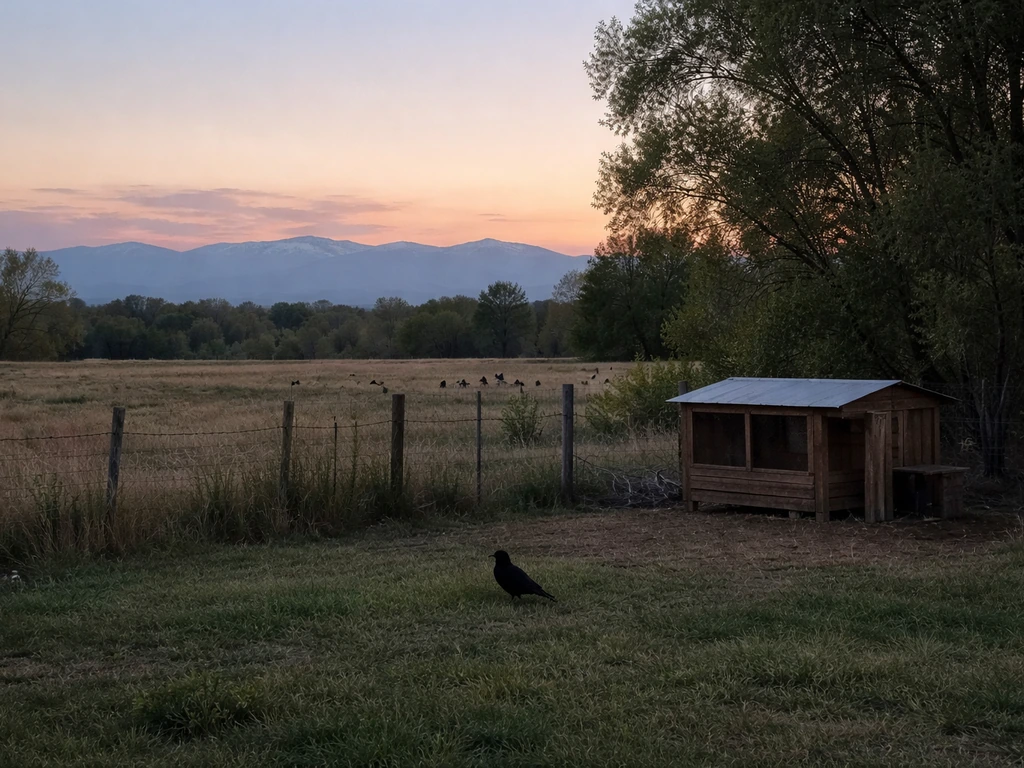
Yes, bird flu has been detected in Hawaii, but it is not currently raging through flocks or causing widespread human illness. The most recent confirmed detections were in late 2024: a wild Eurasian-strain duck on the North Shore of O'ahu, and a backyard non-poultry flock in Honolulu County confirmed by USDA APHIS on November 18, 2024. USDA APHIS notes that its “[Date Detected](https://www. aphis.
Is Bird Flu in Hawaii Right Now? What to Check and Do

Sarah Chen
8 Jul 2026
usda. gov/livestock-poultry-disease/avian/avian-influenza/hpai-detections/wild-birds)” reflects the date a positive detection was obtained via confirmatory testing, which can differ from the collection date shown in the official table. Since then, Hawaii's Department of Agriculture and Biosecurity (DAB) has reported no further confirmed detections in birds, though officials are careful to note that the virus may still be circulating quietly in wild bird populations.
For most Hawaii residents, the current risk to human health is low, but that doesn't mean zero, and knowing what to watch for matters.
Where to check for official Hawaii bird flu reports

There are three main official channels worth bookmarking if you want current, verified information rather than social media rumors. If you are asking whether bird flu is in West Virginia right now, the best approach is to check current USDA APHIS updates and your state’s health and agriculture alerts is bird flu in wv.
- USDA APHIS wild bird HPAI detection table: updated continuously, searchable by state, and lists the collection date, detection date, strain, species, county, and sampling method for every confirmed wild-bird case. The 'Date Detected' reflects when confirmatory testing (developmental RRT-PCR targeting the Eurasian H5 clade lineage) returned a positive result, which can be days after the bird was actually collected, so pay attention to both dates.
- USDA APHIS confirmed cases in commercial and backyard poultry flocks: a separate table that tracks HPAI in managed flocks. Filter by Hawaii to see whether any active flock cases are open.
- USDA APHIS confirmed HPAI in livestock: covers non-poultry livestock like dairy cattle. Filter by Hawaii here too.
- Hawaii Department of Agriculture and Biosecurity (DAB) news releases: Hawaii-specific announcements, including the ones that confirmed the 2024 detections and the voluntary pause on interisland bird transport.
- Hawaii Department of Health (HDOH) avian influenza page: consolidates human risk guidance, describes Hawaii's surveillance activities (wastewater monitoring, emergency-department monitoring, lab surveillance, and animal testing partnerships), and explains what to do if you have symptoms after contact with sick or dead animals.
- CDC A(H5) Bird Flu Current Situation page: national-level picture, updated regularly. Useful for judging whether Hawaii's situation mirrors broader U.S. trends.
Cross-checking USDA APHIS with HDOH and DAB gives you the clearest picture. A detection on the USDA table tells you the virus was confirmed; the state agency pages tell you what Hawaii authorities are doing about it and what it means for local residents.
Is bird flu currently in Hawaii right now?
As of July 2026, Hawaii's last publicly confirmed HPAI detections date to late November 2024. Those were two separate events: a wild Eurasian-strain duck found on O'ahu's North Shore (wild bird detection) and a backyard non-poultry flock in Honolulu County (managed flock detection). HDOH and DAB confirmed these after investigating bird deaths near a site where H5 virus was detected in wastewater, which shows how closely Hawaii's surveillance systems are coordinating across environmental, agricultural, and public health channels.
Since those 2024 detections, DAB has reported no new confirmed cases in Hawaii birds. However, authorities have explicitly acknowledged uncertainty about whether the virus is still circulating in wild bird populations, particularly migratory waterfowl moving through the Pacific Flyway. is bird flu in oregon is bird flu in oregon? (Oregon status). As a precaution, Hawaii extended a voluntary pause on interisland transport of poultry and other birds for at least 90 additional days following the detections, a move designed to reduce the chance of spreading infection between islands.
The bottom line on current status: no active confirmed outbreak as of today, but the conditions that allowed 2024 detections (wild migratory birds carrying the Eurasian H5 strain) haven't permanently disappeared. Treat this as a low-level ongoing alert, not an all-clear.
What bird flu actually means for people in Hawaii
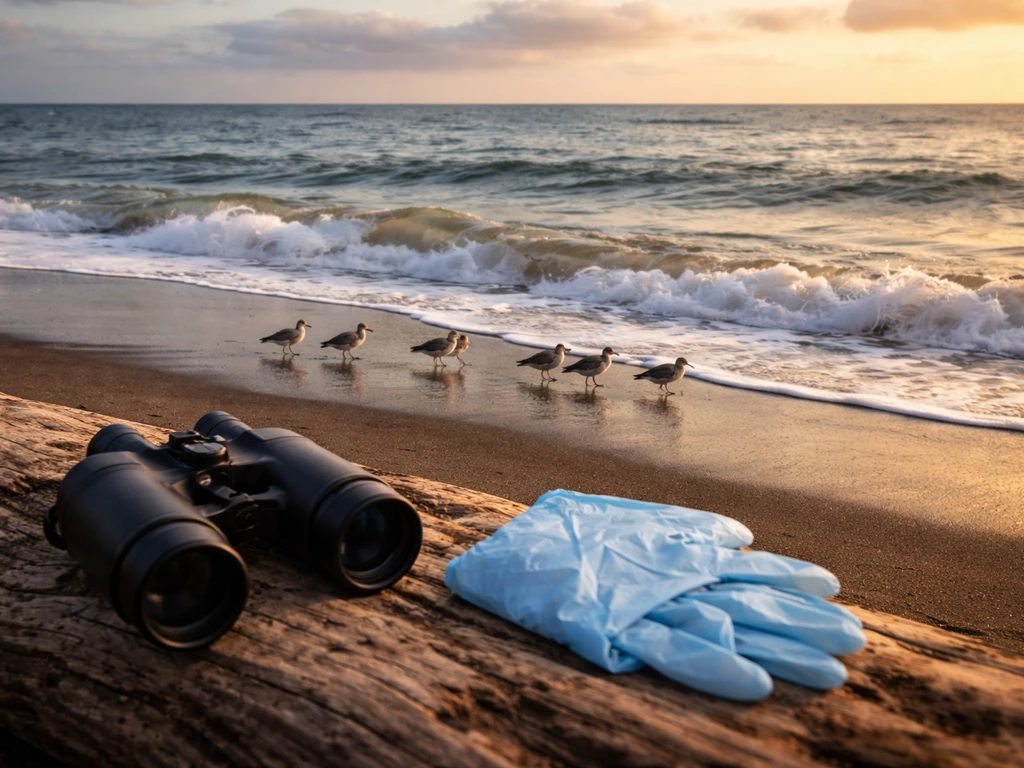
HPAI (highly pathogenic avian influenza) is primarily a disease of birds. The virus does not spread easily from birds to people, and there is no confirmed evidence of sustained human-to-human transmission of H5 influenza anywhere in the world. The CDC's current situation data reinforces this: virtually all human cases globally have resulted from direct, close contact with infected birds or heavily contaminated environments, not from casual exposure like walking near a beach where birds gather.
The exposures that have actually led to human infections include handling sick or dead birds without protective gear, touching surfaces heavily contaminated with bird droppings or respiratory secretions, and being in close contact with infected poultry during culling or slaughter. Simply living in Hawaii, visiting a park, or being near the ocean does not put you at meaningful risk. The survey data from Hawaii DOH's own backyard flock owner research also revealed a concerning knowledge gap: many flock owners reported not knowing how to safely remove and dispose of dead birds, which is exactly the kind of unprotected handling that elevates risk.
People who own backyard flocks, work with poultry commercially, handle wild birds (wildlife rehabilitators, hunters, researchers), or live in households where someone does these things have a meaningfully higher exposure potential than the general public. If that's you, the sections below are especially relevant.
How bird flu shows up in birds, and what to do if you find sick or dead birds
Signs to watch for in birds and poultry
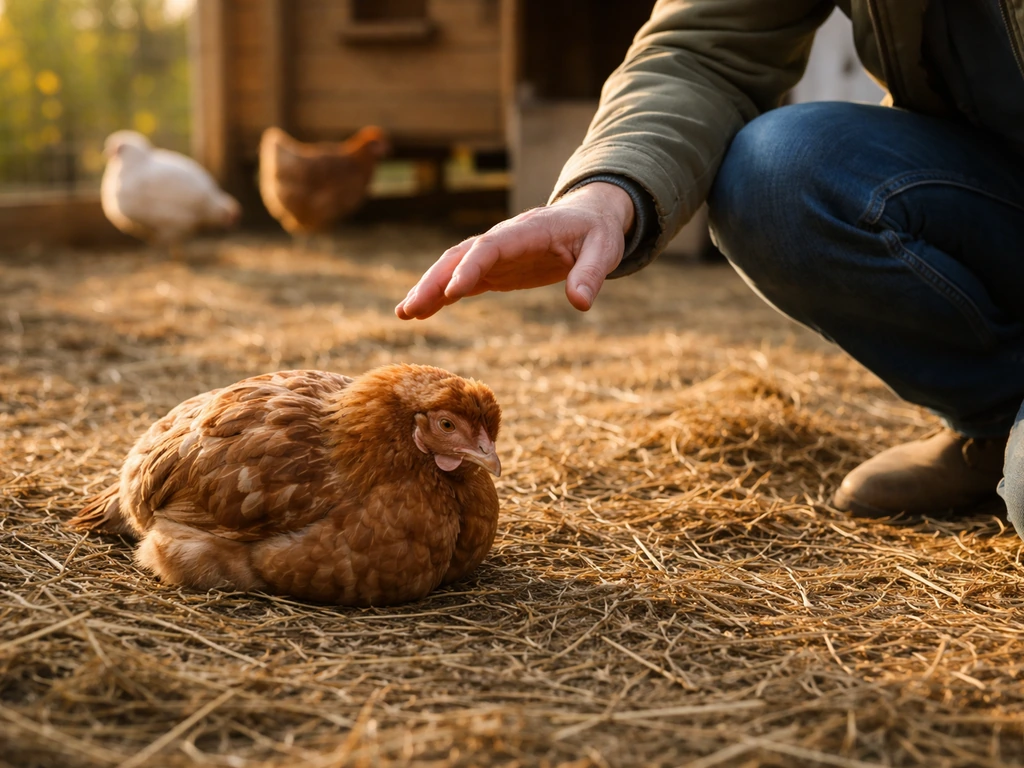
- Sudden, unexplained death, especially in multiple birds at once
- Extreme lethargy or inability to stand
- Swollen or discolored head, comb, or wattles (in chickens)
- Discharge from eyes or nostrils
- Difficulty breathing, coughing, or sneezing
- Diarrhea or unusual droppings
- Neurological signs: twisted neck, loss of coordination, circling
- Dramatic, unexplained drop in egg production
In wild birds, the most obvious sign is finding multiple dead birds, particularly waterfowl like ducks and geese, in a localized area. Single dead birds are common from many causes, but a cluster of unexplained deaths in waterfowl is worth reporting.
Who to call and what to do right now
If you find sick or dying poultry in Hawaii, contact the Hawaii Department of Agriculture and Biosecurity. Their dedicated avian influenza reporting page lists current contact numbers and instructions. Do not move birds between locations before reporting, as that can spread the virus. For wild birds, the same agency and HDOH coordinate responses, so DAB is your first call.
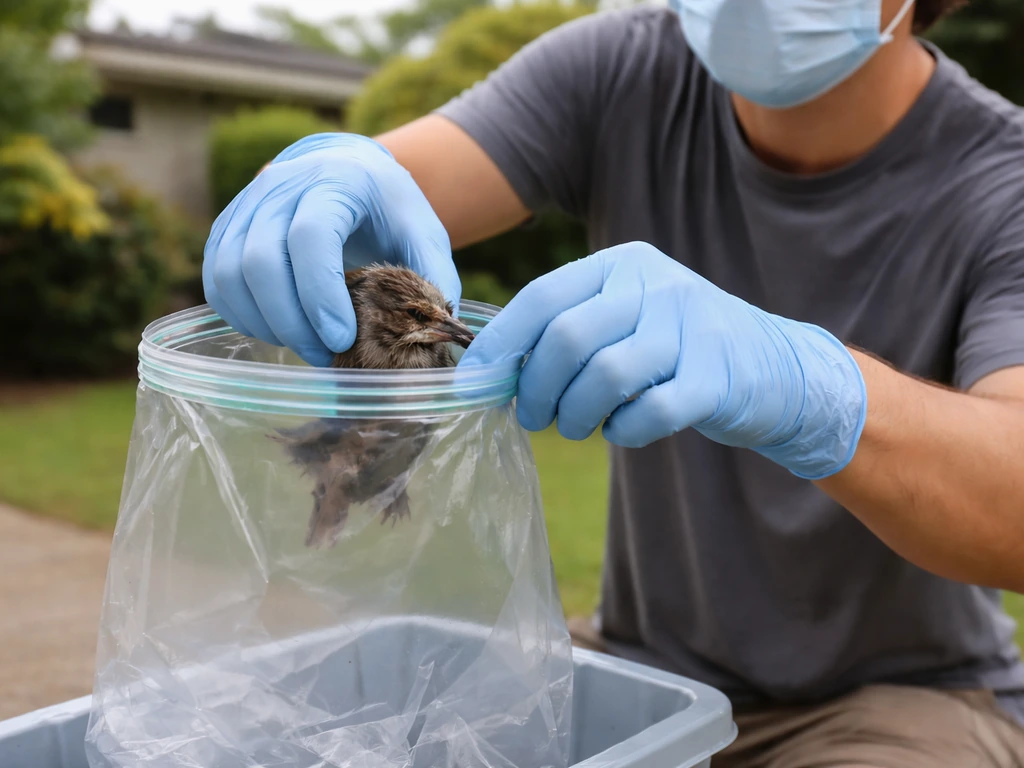
If you must handle a dead bird before help arrives, use gloves, a face covering (ideally an N95 or KN95 respirator), and eye protection. Put the bird in a sealed plastic bag without shaking or plucking it, and wash your hands thoroughly afterward with soap and water. Do not let children or unprotected people handle it.
Is it safe to eat poultry and eggs from Hawaii?
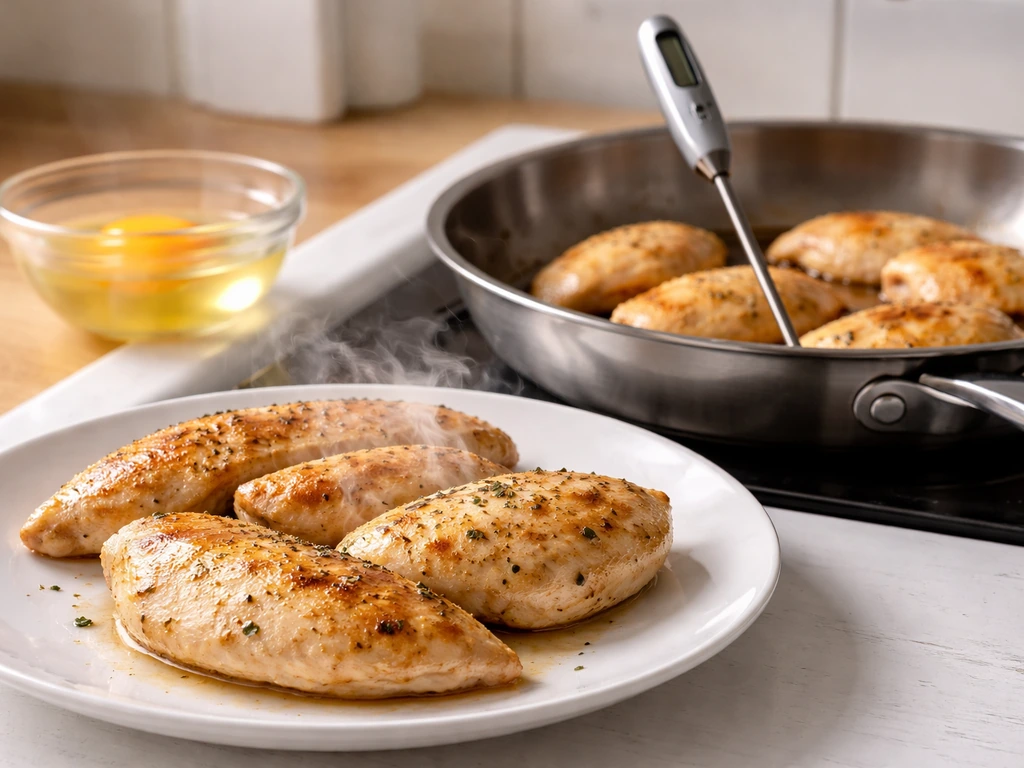
Yes, with standard safe food handling practices. The FDA, USDA, and CDC all agree that properly cooked poultry and eggs are safe to eat. HPAI viruses are inactivated by normal cooking temperatures: poultry cooked to an internal temperature of 165°F (74°C) throughout, and eggs cooked until both the white and yolk are firm. There is no documented case of anyone contracting bird flu from eating properly cooked poultry or eggs.
The risk area is raw handling, not cooked food. The FDA and USDA have conducted joint risk assessments on HPAI in poultry and shell eggs, and the consistent guidance is that cross-contamination during preparation (raw poultry juices touching other foods, cutting boards, or your hands) is the main food-handling concern. Treat raw poultry and eggs from any source the way you always should: separate from ready-to-eat foods, washed hands before and after, surfaces sanitized with a food-safe cleaner.
- Cook all poultry to 165°F (74°C) internal temperature, verified with a meat thermometer
- Cook eggs until both white and yolk are fully set, not runny
- Never eat raw or undercooked poultry from a flock known or suspected to have HPAI
- Wash hands with soap and water for at least 20 seconds after handling raw poultry or eggs
- Use separate cutting boards for raw poultry and other foods
- Clean and sanitize countertops, utensils, and sinks that contact raw poultry
If your own backyard flock is under investigation or has confirmed HPAI, follow guidance from DAB and your veterinarian before consuming eggs or meat from those birds. Don't make that call on your own.
Human symptoms: what to watch for if you've been exposed
If you've had direct contact with sick or dead birds (or their droppings, nesting materials, or contaminated water) and you develop any of the following within 10 days, take it seriously and contact a healthcare provider or your local health department right away.
- Fever of 100°F (37.8°C) or higher
- Cough, sore throat, or shortness of breath
- Eye redness, discharge, or irritation (conjunctivitis) — this can appear with or without respiratory symptoms
- Muscle aches, headache, or fatigue
- Diarrhea or vomiting (less common, but reported in some H5 cases)
When you call or go in, tell your provider specifically that you were exposed to birds or a potentially infected environment. Use those exact words. The clinical workflow for suspected H5 exposure is different from a routine flu visit. Providers can arrange specimen collection including respiratory swabs and, if relevant, conjunctival swabs. Waiting until after you've seen the doctor to mention the bird exposure is a common mistake that delays the right testing.
While awaiting test results, your provider may recommend isolating at home to avoid potentially exposing others. This is a precaution, not a diagnosis. If your condition worsens rapidly, especially if breathing becomes difficult, seek emergency care without waiting.
Prevention for households, bird owners, and farms in Hawaii
For Hawaii households and general residents
- Don't handle wild birds, even if they appear calm or approachable (sick birds are often too weak to flee)
- Keep children and pets away from dead or sick wild birds
- Avoid areas where large numbers of dead wild birds have been found until authorities have assessed the situation
- Wash hands after outdoor activities near ponds, beaches, or areas frequented by waterfowl
- Do not bring wild birds home, even 'rescued' ones — contact a licensed wildlife rehabilitator instead
For backyard flock owners
Hawaii's DAB biosecurity guidance and the USDA's Defend the Flock program are the two resources to know cold. The core principle: keep your birds from contacting wild birds and from water sources that wild birds may have contaminated. In Hawaii, where wild waterfowl are present year-round and migratory birds pass through, this is not just seasonal advice.
- House birds in enclosed coops or covered runs that prevent wild bird entry
- Don't use open containers that collect rainwater or surface water wild birds could access
- Keep feed stored in sealed containers to avoid attracting wild birds to your property
- Change clothes and footwear before entering your flock area if you've been around wild birds or other flocks
- Disinfect boots and equipment with soap and water first (to remove visible dirt and organic matter), then apply an EPA-approved disinfectant effective against influenza A viruses
- Know how to safely dispose of dead birds: double-bag in heavy plastic, seal, and follow DAB instructions for disposal or reporting
- Do not share equipment between your flock and others without thorough cleaning first
- Respect the interisland transport pause: don't move birds between Hawaii islands without checking current DAB guidance
For commercial poultry farms
Commercial operations should already be operating under USDA APHIS biosecurity standards, but given the 2024 detections in Hawaii and the ongoing uncertainty about wild bird circulation, now is a good time to review and tighten protocols. Pay particular attention to visitor access logs, vehicle decontamination, and ensuring all farm workers know the reporting chain. Contact DAB immediately at the first sign of unexplained bird illness or death, not after waiting a few days to see if it resolves.
Vaccines, testing, and treatment: what's available
Poultry vaccines
HPAI vaccines for poultry exist and are used in some countries, but the U.S. has historically not routinely vaccinated commercial flocks because of trade complications (vaccinated birds can test positive in some surveillance systems, complicating export markets). USDA APHIS has been evaluating poultry vaccination options as part of its broader response to ongoing U.S. HPAI activity. For backyard flock owners in Hawaii, this is not currently something you administer yourself, check with your state veterinarian or DAB for any updates on vaccination availability.
Human vaccines
There is no widely available commercial H5 bird flu vaccine for the general public as of mid-2026. The U.S. government has developed and stockpiled candidate H5 vaccines as part of pandemic preparedness planning, but these are not currently being administered to the public. Your seasonal flu vaccine does not protect against H5 avian influenza, though there's ongoing research into whether cross-protection might offer some benefit. The key message: don't assume your annual flu shot covers bird flu.
Testing
If a healthcare provider suspects bird flu based on your symptoms and exposure history, they will coordinate with your local health department (HDOH in Hawaii) to arrange appropriate testing. This involves respiratory specimens, typically nasopharyngeal swabs, and possibly conjunctival swabs if you have eye symptoms. Standard rapid flu tests available at clinics can detect influenza A but cannot distinguish H5 from seasonal flu strains. Confirmation requires specialized PCR testing at a public health laboratory. While awaiting results, your provider may start antiviral treatment without waiting for confirmation if suspicion is high.
Treatment
Antiviral medications, primarily oseltamivir (Tamiflu) and other neuraminidase inhibitors, are the mainstay of treatment for suspected or confirmed H5 bird flu in humans. The CDC recommends that clinicians prescribe antiviral treatment promptly when H5 infection is suspected, without waiting for lab confirmation. Earlier treatment is associated with better outcomes. Supportive care for severe cases (respiratory support, hospitalization) follows the same principles as severe seasonal influenza. There is no reason to stockpile antivirals at home, but if you are exposed and develop symptoms, getting evaluated quickly so treatment can start promptly is the most important thing you can do.
How Hawaii compares to other states right now
Bird flu activity is spread across the continental United States, with detections in states across the Pacific Northwest and inland West as well. States like Washington, Oregon, Colorado, and Montana have all had documented HPAI activity in wild birds and managed flocks at various points in the current outbreak cycle.
Hawaii's situation is distinct because of its geographic isolation: the Pacific Ocean acts as a natural barrier that reduces (but doesn't eliminate) exposure from migratory bird flyways connecting the lower 48. The 2024 detection of a Eurasian-strain H5 virus in a wild duck on O'ahu is a reminder that migratory birds on Pacific routes can still bring the virus to the islands.
That isolation also makes Hawaii's biosecurity measures especially critical, because once HPAI establishes in island populations, containment is harder.
If you're traveling between Hawaii and the mainland, particularly if you work with birds or livestock, take standard precautions: don't bring poultry products, feathers, or bird-related materials across state lines or between islands without checking current regulations, and follow DAB's guidance on the interisland transport pause. If you're wondering is bird flu in Colorado right now, check the latest updates from Colorado public health and state wildlife officials for any confirmed detections.
Your practical checklist for today
- Check the USDA APHIS HPAI detection tables (wild birds, poultry flocks, livestock) filtered to Hawaii to see the current confirmed status.
- Bookmark the Hawaii DAB avian influenza pages and HDOH avian influenza page for state-specific updates.
- If you own a backyard flock: review DAB biosecurity guidance and USDA Defend the Flock practices today, paying special attention to wild bird exclusion and safe dead-bird disposal procedures.
- If you find multiple dead wild birds, especially waterfowl: do not handle them unprotected. Report to Hawaii DAB.
- If you or someone in your household has handled sick or dead birds and develops a fever (100°F/37.8°C or higher), cough, or eye redness within 10 days: call your doctor or HDOH and mention the bird exposure explicitly.
- Continue following standard food safety: cook poultry to 165°F, cook eggs until firm, prevent cross-contamination during raw handling.
- Do not move birds between Hawaiian islands without checking current DAB guidance on the interisland transport pause.
FAQ
If bird flu is in Hawaii, does that mean people are getting sick right now?
A confirmed detection in birds does not automatically mean there is an active human outbreak. If you have no sick contacts and you are not handling birds, your exposure risk stays low, but you should still avoid touching dead birds (including feathers or droppings) and report clusters of dead waterfowl to the right Hawaii agency.
What should I do if I see one dead bird versus several dead birds?
If you find a single dead bird, the cause can be unrelated to HPAI (predation, toxins, collisions, disease). Report is most important when you see multiple dead birds in the same area or a pattern of unexplained die-offs, especially among waterfowl, ducks, and geese.
How fast should I seek medical care after possible exposure to sick or dead birds?
Do not wait to test your reaction, especially if symptoms begin within 10 days of exposure. If you had direct contact with sick or dead birds, contaminated water, or droppings, contact a healthcare provider promptly and explicitly mention that exposure so they can arrange H5-appropriate testing.
Is it safe to eat eggs and poultry if HPAI is detected in Hawaii birds?
Cooking kills the virus, but raw handling can spread contamination in the kitchen. The biggest mistake is using the same cutting board, utensils, or towels for raw poultry or eggs and then for ready-to-eat foods without proper washing and sanitizer.
Can I still consume eggs if my backyard flock is being investigated for HPAI?
If a backyard flock is under investigation or confirmed, do not assume the eggs are automatically unsafe. Follow DAB and your veterinarian instructions for that specific situation, because control measures can vary based on test results, timing, and how birds were housed and managed.
If I have to pick up a dead wild bird before authorities arrive, what’s the safest way to do it?
If you have to handle a dead wild bird before help arrives, do it as if it may be infectious. Seal it in a bag without shaking or plucking, keep others away, then wash hands thoroughly. Avoid cleaning tools or surfaces in a way that spreads dust or aerosols.
Can a typical rapid flu test tell me if it’s H5 bird flu?
Standard flu tests at clinics usually cannot determine whether influenza A is H5. If you mention bird exposure, clinicians can coordinate specialized PCR testing through public health labs and decide whether antiviral treatment should start while waiting.
What symptoms mean I should treat this as an emergency, not a wait-and-see situation?
If symptoms worsen rapidly, such as increasing breathing difficulty, get emergency care immediately. Also seek emergency evaluation sooner if you have underlying lung disease, are immunocompromised, or develop severe eye symptoms after exposure.
Does the seasonal flu vaccine protect me from bird flu in Hawaii?
Your annual seasonal flu shot does not protect against H5 avian influenza. It is still useful for reducing the chance of seasonal flu at the same time, but do not use it as a substitute for reporting exposure and getting evaluated.
What details should I write down if I need to report exposure or a bird death?
Keep records that make it easier for officials to trace exposure, such as when and where you had contact with birds, whether you handled sick or dead birds, and any cleanup of droppings or nesting materials. If you contact DAB or healthcare, those details help them determine which tests and precautions are appropriate.
I’m traveling between islands, what bird-related items are most likely to cause problems with transport rules?
Interisland and interstate poultry rules can change based on current detections. If you travel with any bird-related items (feathers, eggs, live birds, manure, certain feed or bedding), check the latest DAB requirements before transport and do not assume general travel rules apply during an active precaution period.
Next Article
Is Bird Flu in Colorado Now? Cases, Symptoms, and Safety
Find out if bird flu is in Colorado now, how many cases are confirmed, symptom signs, and safe steps to report and prote