As of June 26, 2026, North Carolina has regained its official "HPAI Free" poultry trade status, effective June 12, 2026, according to the NC Department of Agriculture and Consumer Services (NCDA&CS). That's genuinely good news. The most recent confirmed flock case was a backyard flock in Franklin County, detected on January 6, 2026. No active commercial or backyard flock outbreaks are currently reported.
Is Bird Flu in North Carolina? Current Status and What to Do

Sarah Chen
26 Jun 2026
Wild bird surveillance is ongoing, and wastewater monitoring in counties like Swain and Jackson has shown no detection of H5 avian influenza. In short: North Carolina is not in the middle of an active outbreak right now, but the virus remains in wild bird populations nationally, so staying alert still makes sense.
If you are wondering whether bird flu is in Pennsylvania right now, check the latest state and federal updates on HPAI detections and monitoring is bird flu in pa.
How to check if bird flu is currently in North Carolina

The most reliable way to know what's happening right now is to check official sources directly. If you are wondering whether bird flu is currently in Virginia, the same approach works: check the latest state and federal outbreak updates for confirmed HPAI detections. NCDA&CS maintains a dedicated HPAI (Highly Pathogenic Avian Influenza) page with a running list of press releases for every confirmed flock detection in the state. That Franklin County backyard flock detection from January 6, 2026 is the most recent entry as of today. The fact that NC regained HPAI-free status on June 12, 2026 means it cleared the required post-outbreak waiting period with no new confirmed flock cases.
For wild birds, USDA's Animal and Plant Health Inspection Service (APHIS) updates its "Detections of Highly Pathogenic Avian Influenza in Wild Birds" page regularly, with the last modification on June 22, 2026. Detections are reported at the county level, and private or business names are not released. The CDC also publishes weekly wastewater monitoring data every Friday, which can flag early environmental presence of H5 influenza in a community before any flock or human case is confirmed.
Checking these three sources gives you the most complete picture of current activity in North Carolina or any neighboring state. If you’re trying to figure out whether is bird flu in massachusetts right now, the most reliable approach is to check the state and federal tracking pages for confirmed detections.
- NCDA&CS HPAI press releases page: look for any new flock detections by date
- APHIS wild bird detections map: updated regularly, reported at county level
- CDC wastewater surveillance: updated every Friday with the previous week's data, searchable by state and county
Where bird flu actually gets detected: wild birds, flocks, and wastewater
There are three main detection categories you'll see in official reporting, and they don't all carry the same level of concern for people or poultry operations.
Wild birds
Wild waterfowl, shorebirds, and raptors are the primary reservoir for HPAI. Detections in wild birds are essentially continuous across the U.S. during migration seasons. APHIS includes captive wild birds (such as birds kept in wildlife facilities) under this same reporting category. A wild bird detection in a neighboring county doesn't automatically mean your backyard chickens are at risk, but it does mean the virus is in the local environment and biosecurity practices matter. If you are wondering about whether bird flu has been confirmed in Maryland specifically, check the latest state health and agriculture updates alongside these detection pathways is bird flu in maryland.
Domestic and backyard flocks
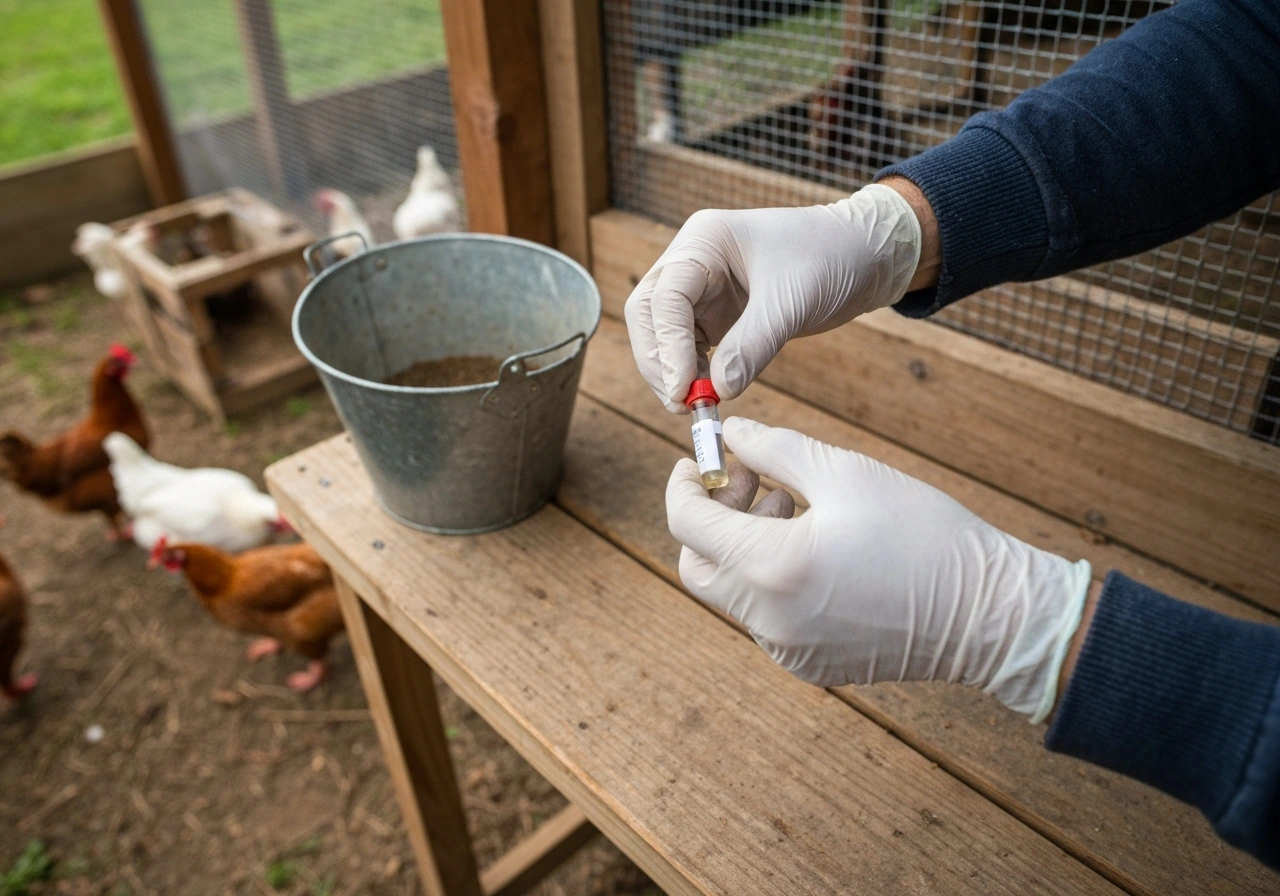
This is where HPAI becomes serious for poultry owners. The Franklin County backyard flock case from January 2026 was identified through the NC Veterinary Diagnostic Lab in Raleigh, which is exactly how the system is supposed to work. When a flock tests positive, NCDA&CS issues a press release, APHIS confirms it, and quarantine and depopulation protocols are put in place. NC's return to HPAI-free status on June 12 means the required surveillance and waiting period after that case was completed without additional detections.
Wastewater monitoring
CDC's wastewater surveillance is an early-warning tool. It can detect H5 influenza genetic material in community wastewater before any animals or people are confirmed sick. North Carolina counties like Swain and Jackson have entries showing "No Detection" in recent data. This is reassuring background-level monitoring, not diagnostic confirmation, but it's a useful additional data layer.
What human infection looks like: symptoms and who's actually at risk
Human infections with H5 avian influenza are rare and almost always tied to direct, close contact with infected birds or heavily contaminated environments. The CDC is clear: most U.S. H5 cases have involved people with job-related or recreational exposure to birds, animals, or contaminated products like raw milk. Casual contact with birds or being near a farm does not meaningfully raise your risk. Human-to-human spread has not been a feature of current U.S. H5 cases.
Symptoms to know
If someone does get infected, symptoms typically appear about three days after exposure, though the window is roughly two to seven days. Eye redness (conjunctivitis) has been the most common symptom in recent U.S. H5 cases, and it can show up as early as one to two days after exposure. Respiratory symptoms, fever, and flu-like illness can follow. If you've had direct, unprotected contact with a sick or dead bird and then develop eye irritation or respiratory symptoms within a week, that's the combination that warrants a call to your doctor and the health department.
What outbreaks mean for chicken and egg safety
This is one of the most common sources of confusion, so let's be direct: properly cooked poultry and eggs are safe to eat, even during an active outbreak. The FDA has confirmed that the likelihood of eggs from infected flocks reaching the retail market is low, and the risk of human infection from properly handled shell eggs is low according to USDA/FSIS risk assessments. The NCDA&CS stated explicitly in their Franklin County press release that HPAI "is not considered a food safety threat."
The key is cooking. Poultry should reach an internal temperature of at least 165°F to kill influenza viruses along with other pathogens. The USDA's four-step food safety framework applies here: Clean (wash hands and surfaces), Separate (don't cross-contaminate raw poultry with ready-to-eat foods), Cook (to 165°F), and Chill (refrigerate promptly). Following these basics eliminates the food-borne transmission route entirely. There's no reason to avoid buying chicken or eggs from stores during an outbreak.
Prevention steps for NC residents and poultry owners
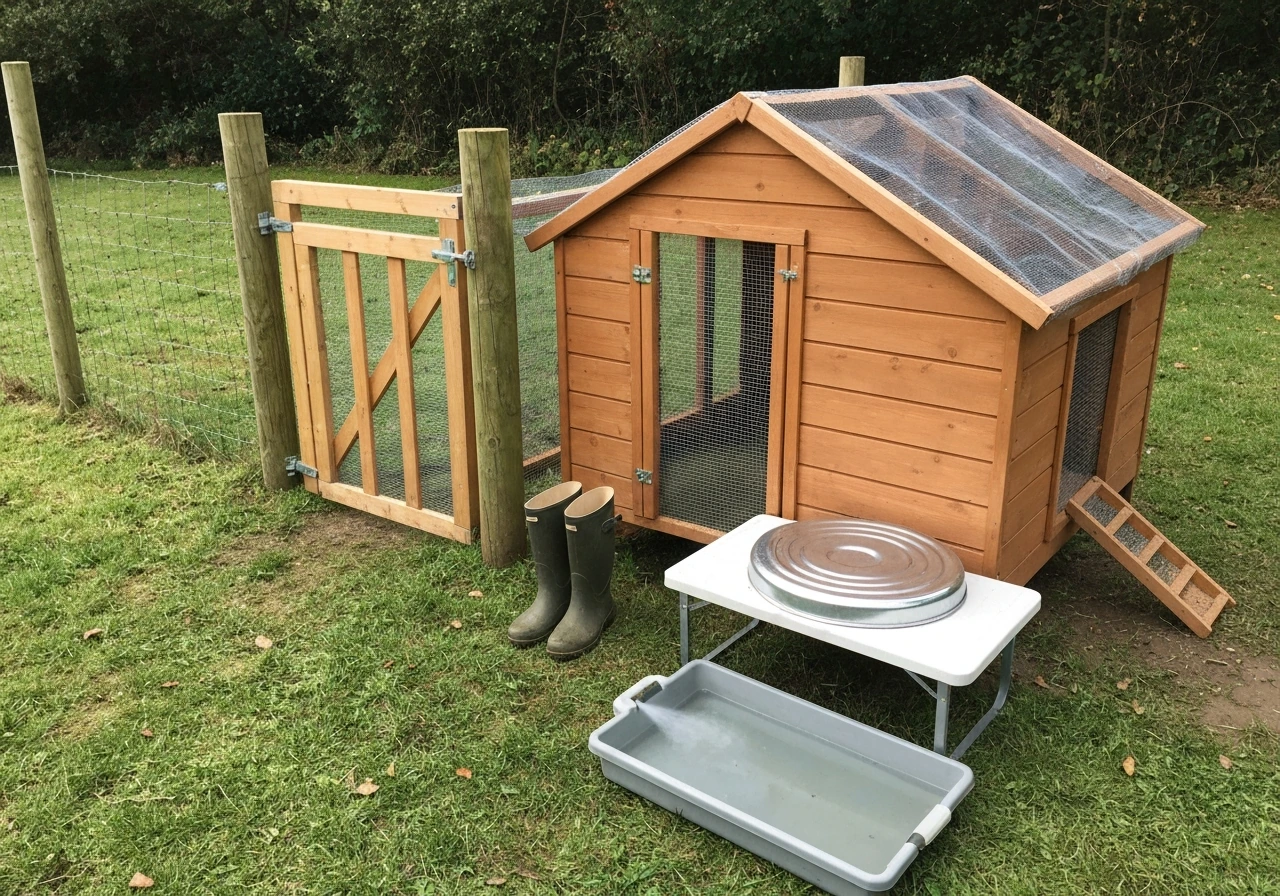
Whether you keep backyard chickens or just feed wild birds, the preventive steps are straightforward and genuinely effective.
For backyard and farm flock owners
- Keep flocks physically separated from wild birds. This means covered runs, secured feed storage, and netting where needed.
- Use dedicated footwear for your coop area and use a footbath with disinfectant when entering and exiting. APHIS specifically recommends this as part of their "Suit Up" biosecurity guidance.
- Change clothes and wash hands thoroughly after handling birds or cleaning coops.
- Wear PPE (gloves, eye protection, and a well-fitted mask or respirator) if you're handling sick birds or cleaning up after a death in the flock.
- Don't share equipment like feeders, waterers, or cages with other flocks without thorough disinfection.
- If you bring new birds onto your property, quarantine them for at least 30 days before integrating them with your existing flock.
- Keep visitor access to your birds limited and require biosecurity steps for anyone who works with birds at other locations.
For general residents
- Don't handle wild birds with bare hands, especially sick or dead ones.
- If you find a dead bird near a feeder, report it to the NC Wildlife Resources Commission (details below) rather than disposing of it yourself.
- Avoid contact with raw poultry juices and follow standard food safety when cooking.
- Keep pets away from wild bird carcasses.
What to do if you suspect exposure or a sick flock
Speed matters here. The faster a possible case is reported and tested, the faster officials can contain spread and protect neighboring flocks. Here's the practical step-by-step.
If your flock shows signs of illness
Signs of HPAI in poultry include sudden death with no prior symptoms, significant drops in egg production, swollen heads or faces, lack of coordination, and respiratory distress. If you see these, act the same day. For backyard flock owners who suspect or confirm exposure, CDC advises APHIS recommends continuing to wear PPE until there are no longer infected birds, eggs, feces, or contaminated litter on the property.
- Stop moving birds on or off your property immediately to avoid spreading the virus.
- Call the NCDA&CS Veterinary Division at 919-707-3250 to report the situation and get guidance.
- You can also report directly to USDA's national HPAI hotline at 1-866-536-7593.
- If you have a fresh dead bird or a sick bird, call your nearest NC Veterinary Diagnostic Laboratory branch first to arrange testing. Do not just show up; call ahead.
- Document everything you can: which birds are affected, when symptoms started, any recent visitors or new birds introduced to the property.
- Continue wearing full PPE around affected birds until officials confirm the property is clear of infected birds, eggs, feces, and contaminated litter.
If you find dead wild birds
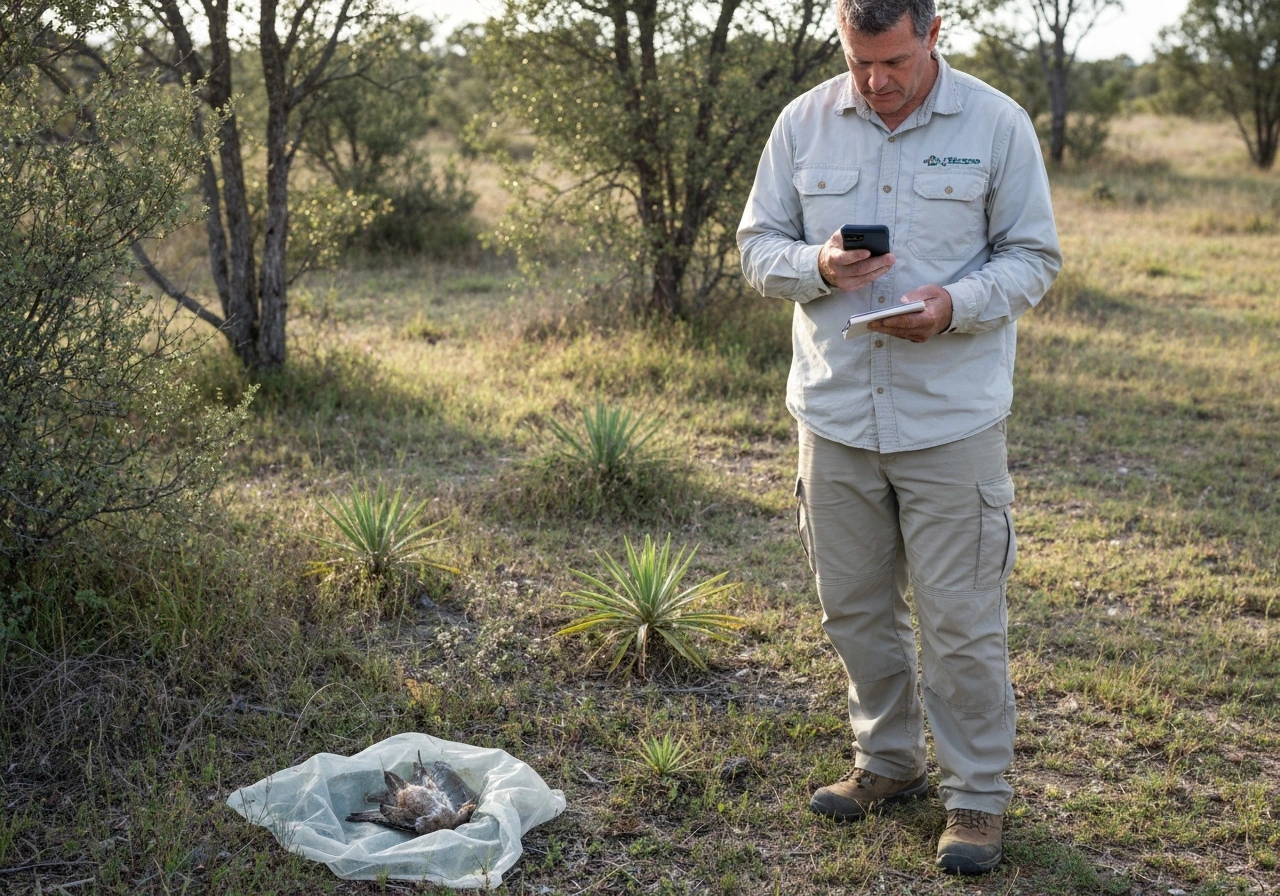
For dead wild birds found near feeders or in natural areas, contact the NC Wildlife Resources Commission Wildlife Helpline at 1-866-318-2401 or email HWI@ncwildlife.org. Do not handle the bird with bare hands.
If you think you've been exposed as a person
- Note exactly when and how the exposure happened (direct contact with sick birds, handling carcasses without gloves, etc.).
- Monitor yourself for symptoms, especially eye redness, fever, cough, or sore throat, for at least seven days after exposure.
- If symptoms develop, call your doctor or the NC Department of Health and Human Services before going in person so they can prepare appropriately.
- Tell the provider specifically that you had exposure to birds or a flock with suspected HPAI. This context changes how they'll evaluate and test you.
- Follow CDC interim recommendations for post-exposure monitoring, which your provider can access for clinical guidance.
Vaccines and medical treatment: what actually exists right now
There is no H5 bird flu vaccine currently available to the general public. The U.S. government has developed and stockpiled candidate vaccines for H5N1, but as of now these are reserved for emergency use or high-risk occupational groups if an outbreak escalates to a level requiring broader human protection. If you are a poultry worker or someone with frequent direct exposure to potentially infected birds, talk to your employer and your state health department about whether any occupational health program applies to you.
On the treatment side, antiviral medications work and are available. Oseltamivir (Tamiflu) and other neuraminidase inhibitors are effective against H5 avian influenza and are recommended for confirmed or suspected cases. The CDC's interim recommendations include antiviral treatment protocols for anyone exposed to sick or dead animals with confirmed or suspected HPAI H5N1. The key is starting treatment quickly, ideally within 48 hours of symptom onset, which is why calling your doctor as soon as symptoms appear after a known exposure is so important. Don't wait and see.
For most North Carolina residents with no direct animal exposure, the current situation, with no active flock outbreaks as of June 2026, does not require any specific medical preparation. The real priority is knowing who to call (the NCDA&CS, USDA, or your doctor) and when. Having those numbers saved and understanding the symptom timeline puts you in a much better position than most people who search this question and come away more confused than when they started.
If you're in a neighboring state like Virginia, Pennsylvania, Maryland, or New Jersey, similar state-level HPAI tracking pages exist and are worth bookmarking. If you want to check the latest updates, you can also review the NJ state bird flu tracking information New Jersey.
FAQ
How should I interpret wild bird detections versus confirmed backyard or commercial flock cases in North Carolina?
If you have backyard poultry, use the date of the most recent confirmed flock report as your main reference point, then treat any new “wild bird detection” updates as an environmental alert rather than a guarantee of poultry exposure. Practical trigger: if there are fresh wild bird detections in your county plus sick or dead birds at your property, contact NCDA&CS right away rather than waiting for another surveillance bulletin.
What should I do immediately if my backyard chickens suddenly get sick or die, even if I cannot confirm HPAI?
Do not quarantine yourself or your flock without testing and official guidance. If you suspect HPAI in your backyard, isolate birds from contact with wild birds immediately, keep records of dates and symptoms, and call NCDA&CS or your veterinarian for the next steps. Reporting early helps officials decide whether testing and movement restrictions are needed.
Does “no detection” in wastewater monitoring mean there is definitely no bird flu in my area?
Wastewater monitoring showing “no detection” generally means that H5 genetic material was not detected at the time of sampling, it is not a clinical diagnosis. If you are trying to decide whether to take action for poultry, prioritize confirmed flock detections and visible poultry illness, and treat wastewater results as background context.
If bird flu is present in wild birds, do I still need to change how I store or cook eggs and chicken at home?
Eggs and poultry remain a low risk food when handled properly, but the key is cross-contamination at home. Clean hands and surfaces after handling raw poultry, keep raw foods separate from foods eaten without cooking, cook thoroughly to 165°F, and refrigerate promptly. If you have children, elderly people, or immunocompromised household members, be extra strict about sanitation to reduce other foodborne risks at the same time.
What is the safest way to respond if I find a dead wild bird in my yard or near my feeders?
If you find a dead wild bird, avoid contact with bare hands and do not move it unless instructed by wildlife officials. Bag it if you must secure the area for others, then contact the NC Wildlife Resources Commission Wildlife Helpline (1-866-318-2401) or use their email guidance. Also keep pets away from the area until professionals advise next steps.
Is there anything different I should do if I have a job that puts me in frequent contact with birds or animal waste?
If you work with birds or handle animals frequently (poultry farms, wildlife facilities, bird rescues), ask your employer for their exposure plan, PPE expectations, and reporting process, and confirm whether occupational antivirals or medical monitoring are part of your workplace protocol. For non-occupational residents, you usually do not need anything beyond knowing who to call and when to seek care after unprotected exposure.
When should a person in North Carolina actually seek medical advice for possible H5 exposure?
Yes, but the main “do” is to act on symptoms after known exposure rather than after casual contact. If you had direct, unprotected contact with a sick or dead bird, or a heavily contaminated environment, and develop eye redness or respiratory symptoms within about a week, call your doctor and mention that exposure. If symptoms begin without any such exposure, routine medical evaluation is usually appropriate.
If there is no vaccine for the public, what is the highest-impact prevention step for backyard flock owners?
Vaccines for H5 avian influenza are not available to the general public, so protection relies on reducing exposure and good biosecurity. For poultry operations, that means limiting contact between domestic birds and wild birds (covered feeders and water, controlled access to coops), tightening clothing and footwear changes between areas, and promptly reporting suspicious illness.
If my county had a past backyard case, can I move birds or equipment normally after the state regains HPAI-free status?
After an outbreak, movements may be restricted and surveillance may continue even once status improves, so you should follow any quarantine or disposal requirements issued by NCDA&CS for your specific case. For backyard owners, the conservative rule is: do not move birds, equipment, litter, or manure off-site until you have written guidance or you have been released from any official restrictions.
Next Article
Is Bird Flu in NJ Right Now? How to Check Risk and Stay Safe
Check if bird flu is in NJ now, how to verify alerts, human risk, symptoms, food safety, and prevention steps.