Yes, bird flu has been detected in Virginia. As of July 3, 2026, USDA APHIS has confirmed HPAI (highly pathogenic avian influenza) H5 in wild birds at two locations in the state, Virginia Beach and Chesterfield County, with samples collected in January and February 2026 and lab detections reported in June 2026.
Is Bird Flu in Virginia? Latest Status and What to Do Now

Sarah Chen
3 Jul 2026
As of today, it is not just Virginia that residents are watching for bird flu developments, so people in North Carolina should check official updates as well is bird flu in North Carolina. A commercial broiler flock in Accomack County also tested presumptive positive for H5N1 in early 2025. No human cases have been reported in Virginia, and the risk to the general public remains low.
But if you have backyard poultry, work around birds, or are just trying to understand what this means for you day-to-day, there are concrete steps you should take right now.
Check the latest Virginia bird flu status today
The situation changes faster than any single article can track, so going directly to the authoritative sources is the most reliable move. If you're also wondering is bird flu in massachusetts, you can use the same APHIS state-by-state tables to verify updates quickly. USDA APHIS maintains two separate public tables you should bookmark: one covering HPAI detections in wild birds and another covering confirmed cases in commercial and backyard flocks.
Both are updated as new detections are confirmed, and both break down results by state, county, species, virus subtype, and date of sample collection versus date of detection. That last distinction matters because Virginia's two wild-bird entries (bald eagles in Virginia Beach and Chesterfield) show a gap of several months between when samples were collected and when lab results were officially published, which is normal for wild-bird surveillance.
For Virginia-specific poultry and farm guidance, the Virginia Department of Agriculture and Consumer Services (VDACS) publishes its own updates at its avian influenza page and sends press releases when commercial or backyard flocks test positive, as it did for the Accomack County detection. The Virginia Department of Health (VDH) covers any human exposure monitoring. Checking these three sources together, APHIS, VDACS, and VDH, gives you the full picture: wild birds, domestic flocks, and human exposure all in one place.
- APHIS wild-bird detection table: search for Virginia entries and check the most recent sample-collection and detection dates
- APHIS confirmed flock detections table: shows commercial and backyard flock cases by state
- VDACS avian influenza page: Virginia-specific press releases, biosecurity guidance, and reporting contacts
- CDC avian influenza human case tracker: confirms whether any human infections have been reported in Virginia or neighboring states
What 'bird flu in Virginia' actually means
Bird flu is not a single thing, and the phrase means very different things depending on where the virus is found. The current strain circulating in the U.S. is HPAI H5N1 (Eurasian lineage, often written as EA H5N1 in surveillance tables), which is highly pathogenic, meaning it causes severe disease and high mortality in poultry. Virginia's confirmed wild-bird detections are this EA H5 strain, found in two bald eagles. A bald eagle dying from HPAI does not mean your chickens are infected, but it does mean the virus is actively circulating among wild bird populations in the state.
The three categories you'll see in reporting are distinct and carry different implications. Wild-bird detections mean the virus is present in migratory or resident bird populations and represents an ongoing exposure risk to any domestic poultry that can come into contact with wild birds.
Wild-bird detections indicate the virus is present in wild bird populations and can create an ongoing exposure risk to domestic poultry that may contact those birds wild-bird detections mean the virus is present in wild bird populations.
Domestic flock detections mean the virus has crossed over into a managed poultry operation, which triggers quarantine, flock depopulation, and state response protocols. Human cases are a third and separate category; as of now, all U. S. human infections with H5N1 have involved direct, unprotected contact with infected animals, not casual exposure or eating cooked food.
Virginia sits along the Atlantic Flyway, one of the major North American migratory bird routes, which means wild waterfowl and shorebirds move through the state regularly. That's why VDACS has explicitly stated that all Virginia poultry owners, commercial and backyard alike, should practice maximum biosecurity given the prevalence of HPAI in wild birds. Neighboring states along the Mid-Atlantic corridor, including Maryland, North Carolina, Pennsylvania, and New Jersey, have all dealt with HPAI activity in recent years, and that regional context makes Virginia's wild-bird detections unsurprising but genuinely worth taking seriously. If you live in New Jersey, you can use the same biosecurity mindset and check APHIS and state guidance because HPAI activity in nearby regions can increase exposure risk for poultry.
How bird flu spreads locally: routes and real-world risks
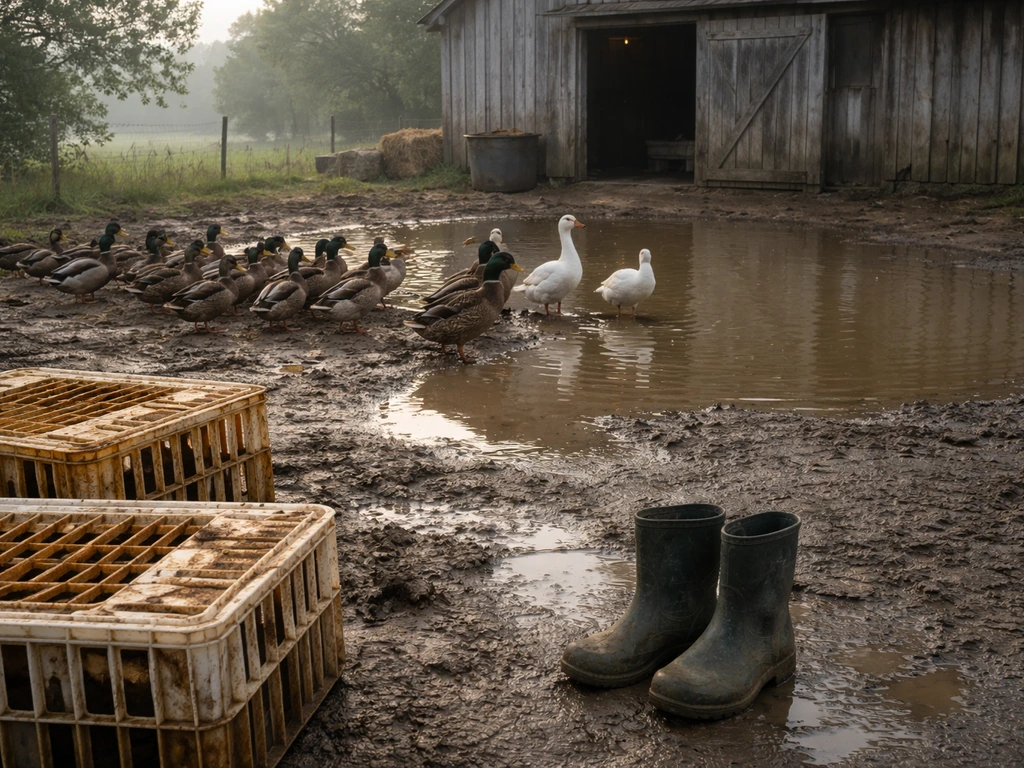
The primary driver of HPAI spread is contact between infected wild birds and domestic poultry. Wild waterfowl like ducks and geese are natural reservoirs for avian influenza and often carry the virus without showing symptoms themselves. They shed it in feces, feathers, and respiratory secretions, contaminating water sources, soil, and any surface they land on. If your chickens share a yard where wild birds visit, or drink from standing water that wild birds have accessed, that is the most direct exposure route.
Secondary spread happens through people and equipment. APHIS data confirm the virus can travel on contaminated boots, clothing, tools, egg crates, and vehicles moved between farms or bird-keeping sites. This is why someone visiting a neighbor's flock or attending a live bird market and then coming home to their own birds without changing clothes and footwear is a real biosecurity risk. Virginia has active live poultry markets and poultry shows that historically have amplified transmission when biosecurity is inconsistent.
Local risk scenarios worth thinking through specifically include: backyard flocks with outdoor access near wetlands or ponds where waterfowl congregate; free-ranging chickens or ducks with no overhead protection from wild bird droppings; small farm operations that share equipment or allow visitor access without decontamination protocols; and hunters who handle harvested waterfowl without gloves and then interact with domestic poultry. Each of these represents a plausible transmission chain, not a certainty, but a manageable one with the right precautions.
Human risk in Virginia: symptoms, exposure, and when to get care
The risk to most Virginians who don't work directly with birds is genuinely very low. Virtually all documented human H5N1 infections in the U.S. have involved people who had direct, unprotected contact with infected birds or contaminated environments. Casual outdoor contact with wild birds, walking past a poultry farm, or eating properly cooked chicken does not put you at meaningful risk.
If you do have direct contact with sick or dead birds, whether you found a dead eagle, handled sick backyard chickens, or work in a poultry processing environment, the CDC recommends you start monitoring yourself for symptoms from day zero of exposure through 10 days after your last exposure. The incubation period for H5N1 is typically around three days, with a range of about two to seven days.
Symptoms to watch for include eye redness or irritation (conjunctivitis has been the predominant symptom in many recent U. S. cases), fever, cough, sore throat, runny nose, muscle aches, and in more serious cases, difficulty breathing or pneumonia. The eye symptoms are worth knowing because they can appear without respiratory illness and are easy to dismiss as allergies or irritation.
If you develop any of those symptoms within 10 days of exposure to sick or dead birds, call your healthcare provider before showing up in person and tell them specifically about the bird contact. That detail changes how they triage and test you. Antiviral treatment with oseltamivir (Tamiflu) is most effective when started early. Don't wait to see if symptoms resolve on their own if you have a clear exposure history.
| Feature | Seasonal Flu | HPAI H5N1 in People |
|---|---|---|
| Transmission to humans | Person to person, airborne | Direct contact with infected birds/animals |
| Common symptoms | Fever, cough, body aches | Fever, respiratory symptoms, eye redness/conjunctivitis |
| Eye involvement | Rare | Common in recent U.S. cases |
| Risk to general public | High during flu season | Very low without direct bird exposure |
| Antiviral treatment | Oseltamivir effective | Oseltamivir effective, start early |
Backyard flock and farm steps: biosecurity and reporting
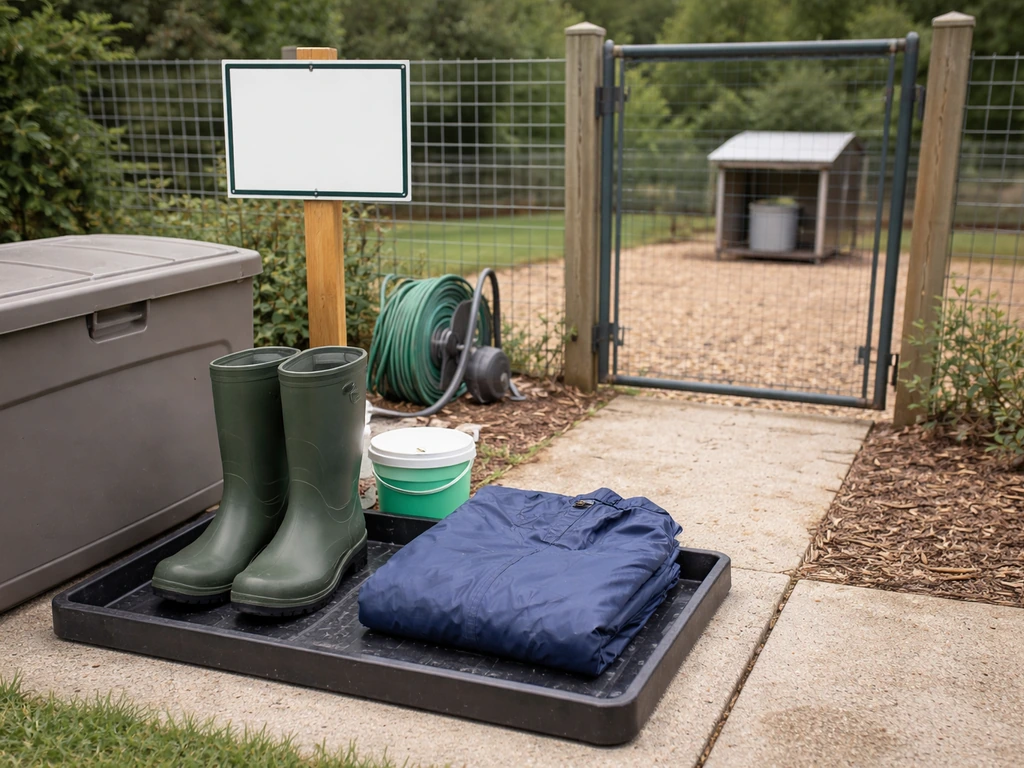
If you keep chickens, ducks, turkeys, or any other poultry in Virginia, the current wild-bird detections in the state mean you should treat biosecurity as a real, active priority rather than something to get around to eventually. VDACS has been explicit that all poultry owners should practice maximum biosecurity given current conditions, and that applies whether you have six backyard hens or a commercial operation.
Daily biosecurity steps that actually matter
- Keep dedicated boots and clothes for your bird area. Change out of them before leaving and do not wear them anywhere near other birds or bird owners. Disposable boot covers are even better for visits from others.
- Prevent wild bird access as much as possible. Cover feeding and watering areas, use enclosed coops, and consider covered runs if your setup allows it.
- Disinfect tools, feeders, and equipment daily or after each use, especially anything that leaves your property or that visitors use.
- Do not share equipment with neighbors without disinfecting it first. Egg crates, carriers, and tools are documented transmission vectors.
- If you visit a live bird market, poultry show, or another farm, shower and change clothes before working with your own flock.
- Monitor your birds daily. Watch for decreased eating or drinking, unusual lethargy, twisted necks, loss of coordination, swollen faces, and sudden unexplained deaths.
What to do if your birds look sick
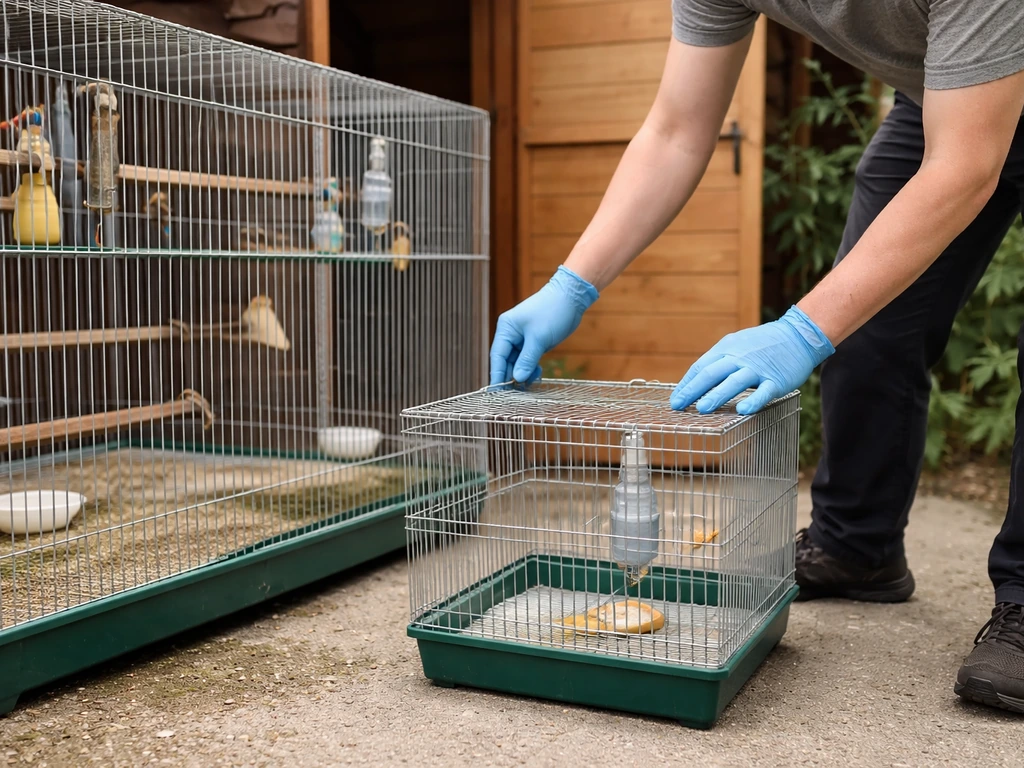
Do not wait. Isolate sick birds from the rest of the flock immediately and avoid handling them without gloves and a face covering. If you see multiple birds sick or dying quickly, that's a major red flag for HPAI. Contact VDACS directly at 804-692-0601 (after hours: 804-674-2400) or email vastatevet@vdacs.
virginia. gov. You can also call the USDA toll-free reporting line at 1-866-536-7593. Report first, wait for guidance, and do not move birds, equipment, or materials off your property until you've spoken with officials.
Early reporting is both a legal requirement for certain detections and your best protection, since rapid response limits spread and makes you eligible for federal support. USDA can share up to 75 percent of the costs to address biosecurity vulnerabilities identified during an official farm assessment.
Is it safe to eat poultry and eggs in Virginia right now?
Yes. Properly handled and cooked poultry and eggs are safe to eat. There is no evidence anywhere in the U.S. of anyone being infected with avian influenza from eating properly cooked poultry products, and that includes during active outbreaks. The key number is 165°F (74°C): cooking poultry, eggs, and egg dishes to that internal temperature kills avian influenza viruses along with bacteria. Use a food thermometer for poultry cuts and make sure egg yolks and whites are fully set, or reheat egg-containing dishes to 165°F before serving.
The precautions worth taking are about handling, not about avoiding chicken or eggs entirely. Raw poultry can carry pathogens on its surface, so the same safe-handling rules that always apply matter here too: wash hands thoroughly after handling raw meat, use separate cutting boards for poultry, and avoid cross-contaminating produce or ready-to-eat foods with raw poultry juices. Don't rinse raw chicken in the sink; it just splashes bacteria around without reducing risk.
One thing worth ignoring: social media claims that you should avoid poultry from Virginia or that commercially sold eggs are dangerous right now. Flocks that test positive are depopulated and do not enter the food supply. USDA inspection programs exist specifically to keep infected products out of commerce. Your supermarket chicken is not a bird flu risk.
Prevention, vaccination context, and how to keep monitoring
There is currently no H5N1 vaccine available to the general public for routine use. The U.S. does maintain an H5N1 influenza vaccine in the national stockpile, but as of now it's not being administered to healthy people without direct occupational exposure. If the situation escalates significantly, that stockpile exists as a preparedness measure. People who work in high-exposure settings like commercial poultry processing or wildlife rehabilitation may be able to access seasonal flu vaccination and occupational health monitoring through their employers, which is worth checking if that applies to you.
For poultry, USDA is actively investing in vaccine strategies as part of the national HPAI response framework, but a commercial poultry vaccine program in the U.S. is not yet universally in place for backyard flocks. The primary defense remains biosecurity, not vaccination.
For ongoing monitoring, the practical approach is straightforward. Set a recurring reminder to check the APHIS wild-bird and flock detection tables every two to four weeks, especially during peak wild bird migration periods in spring and fall when transmission risk historically rises. Follow VDACS on its news and press release page for Virginia-specific updates. If you are wondering whether bird flu has reached Maryland, you can also check Maryland’s official updates and the APHIS tables for current state detections bird flu in Maryland. If you're a hunter, the Virginia Department of Wildlife Resources posts any hunting-related bird flu advisories. Hunters handling wild waterfowl should use gloves, wash hands after field dressing birds, and cook game birds to 165°F.
The core message is this: bird flu is present in Virginia's wild bird population right now, a Virginia commercial flock tested positive in 2025, and the risk environment for poultry owners is real and worth active management. For everyone else, the personal health risk remains very low as long as you're not handling sick or dead birds without protection. Stay informed through official sources, apply the biosecurity and food safety basics outlined here, and report anything suspicious immediately rather than waiting to be sure. That's the approach that keeps both flocks and people safe.
FAQ
I do not have backyard birds. What should I do if I see a sick or dead wild bird in Virginia?
If you do not keep poultry, your main protective step is still to avoid touching sick or dead wild birds with bare hands. If you find one, keep pets and kids away, contact local authorities or VDACS for guidance, and do not move the carcass yourself, since handling can spread contamination to your home and yard.
Are indoor or fully caged backyard birds still at risk in Virginia?
Indoor caged birds are not automatically “safe,” but they usually have less exposure. The practical concern is contamination brought in on boots, clothing, or shared equipment. Keep a dedicated pair of shoes for your bird area, cover intake water that could be reached by wild birds, and prevent wild birds from accessing outdoor feed storage or aviary screening.
What should I do if my chickens look sick, can I test myself at home, and should I move them?
Do not “self-test” with home kits. For sick poultry, the correct process is to isolate the flock, avoid moving birds or equipment off the property, and contact VDACS promptly. Officials will determine whether samples are needed and whether movement restrictions or depopulation plans apply.
I visit a live bird market or help at a show. How do I prevent bringing bird flu home to my flock?
Biosecurity changes what you do on the busiest traffic days. Before visiting multiple farms, live bird markets, shows, or wildlife rehab sites, plan to use dedicated clothing and footwear you do not wear back home, and if that is not possible, clean and disinfect boots and gear thoroughly before re-entering your poultry area.
My backyard flock has sudden deaths. How urgent is it to call and what should I do first?
If your birds die suddenly, especially multiple birds within a short period, treat it as a “major red flag” scenario. Isolate the birds immediately, minimize handling, wear gloves and a face covering if you must confirm what you are seeing, then report to VDACS before transporting anything. Waiting to see if it improves can increase spread within the flock.
Should I stop eating eggs or poultry because bird flu was detected in Virginia?
You can keep cooking and eating poultry products as normal, the key is safe temperature and preventing cross-contamination in your kitchen. Use a thermometer and clean up properly after handling raw meat, but there is no need to discard eggs just because of a nearby wild-bird detection.
How exactly should I cook eggs and poultry to be safe during an H5N1 outbreak?
The 165°F number is about internal temperature for poultry, and egg-containing dishes should be heated until the center reaches 165°F. If you are cooking for others, reheat leftovers to 165°F rather than just warming until hot to the touch, since uneven heating can leave cooler centers.
Why is eye redness mentioned, and what symptoms should make me call a doctor right away?
Yes, people can be exposed through eyes and close contact if they handle sick or dead birds or contaminated materials without protection. If you had direct exposure and develop red eyes or irritation, do not assume it is “just allergies,” and contact a healthcare provider within the monitoring window to ensure they triage you correctly.
Does traveling with poultry equipment or visiting other states increase risk, and what should I check before I go?
If you travel from Virginia to another state, follow the same approach: check official APHIS state tables and your destination’s state agency guidance before bringing any poultry-related items. For safety, assume you should not transport birds, equipment, or bedding until you have spoken with officials if there is any chance of exposure.
If there is no public H5N1 vaccine, should I still get a seasonal flu shot, and what about workplace protections?
Vaccine access is separate from routine seasonal flu shots. Seasonal flu vaccination can be relevant for general respiratory health but it is not the same as an H5N1-specific public vaccine. If you work with high-exposure animals (poultry processing, wildlife rehab), ask your employer’s occupational health program about recommended protections and monitoring.
How often should I update my biosecurity plan, and what are the most common “missed” steps?
A useful rule of thumb is to review biosecurity steps at least monthly, and more often during spring and fall migrations. If you use shared tools or allow frequent visitors, tighten controls sooner, since the most preventable “failure points” are traffic flow (who touches what) and clean footwear/clothing transitions.
Next Article
Is Bird Flu in North Carolina? Current Status and What to Do
Find out if bird flu is in North Carolina, how to verify reports, and what to do for poultry safety now.