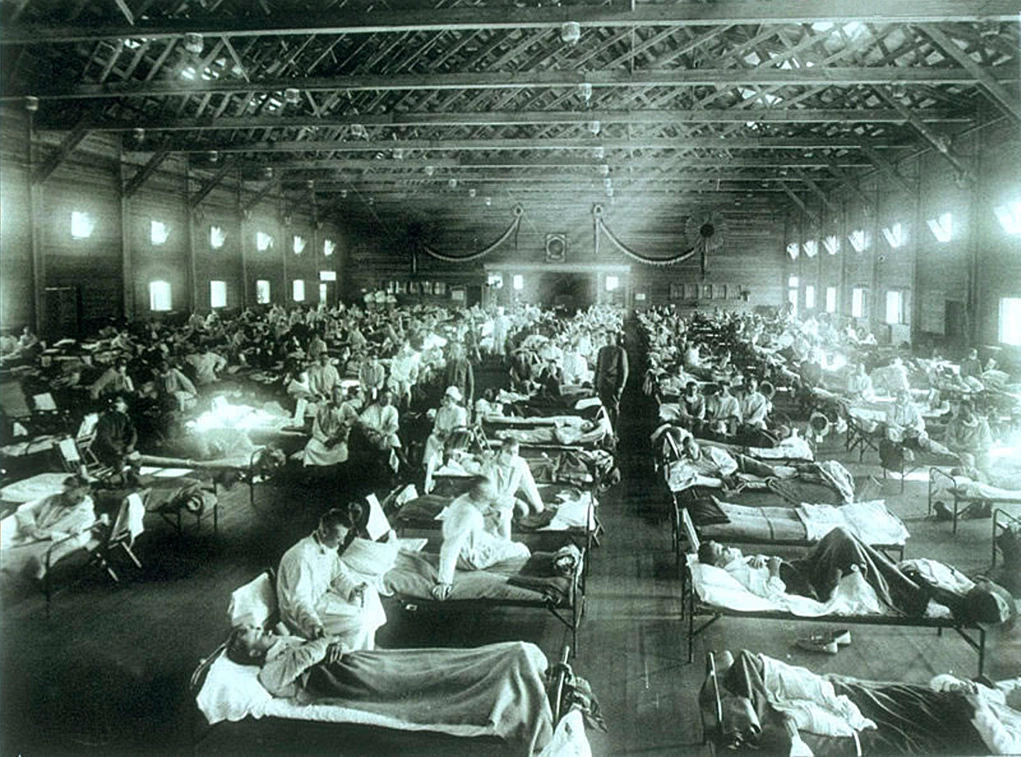
For most people reading Reddit threads about bird flu, the honest answer is: no, you probably don't need to be worried right now. The CDC currently rates the risk to the general public as low, and human infections remain rare. They happen almost exclusively through close, unprotected, direct contact with infected birds or animals. If you haven't been near sick or dead poultry, a dairy farm, a live bird market, or a known outbreak site recently, your personal risk is very low. That said, "low risk" doesn't mean zero risk for everyone, and some people do need to pay closer attention. Here's how to figure out which category you're in, and what to actually do about it.
Should I Be Worried About Bird Flu on Reddit?

Sarah Chen
23 Jun 2026

Why Reddit conversations can mislead you (and how to read them better)
Reddit is genuinely useful for getting a pulse on public concern, and some subreddits like r/H5N1_AvianFlu do share real links to CDC and WHO updates. But the format also creates problems. Upvoted comments often reflect anxiety more than expertise. Threads can inflate incubation period estimates, misstate transmission routes, or apply guidance meant for farmworkers to people who ate a grocery store chicken sandwich. One common pattern: someone posts a CDC cooking temperature guideline and the comment section spirals into fear about whether any poultry is safe to eat. (It is, if cooked properly, and has been the whole time.)
Another misleading Reddit habit is false equivalence, treating every new reported human case as evidence that a pandemic is imminent. Bird flu can be serious, and the main question is how likely it is to spread efficiently between people pandemic is imminent. The WHO has tracked confirmed human H5N1 cases since 2003, and sustained human-to-human transmission, meaning the virus spreading person to person in a chain without animal contact driving each new infection, has not been observed.
That's the key threshold that would change the risk picture dramatically. Until that happens, a spike in Reddit worry doesn't mean a spike in your personal risk. What you want to do is identify what your actual exposure history looks like, then match that to the guidance that applies to you.
How bird flu spreads to people vs. seasonal flu
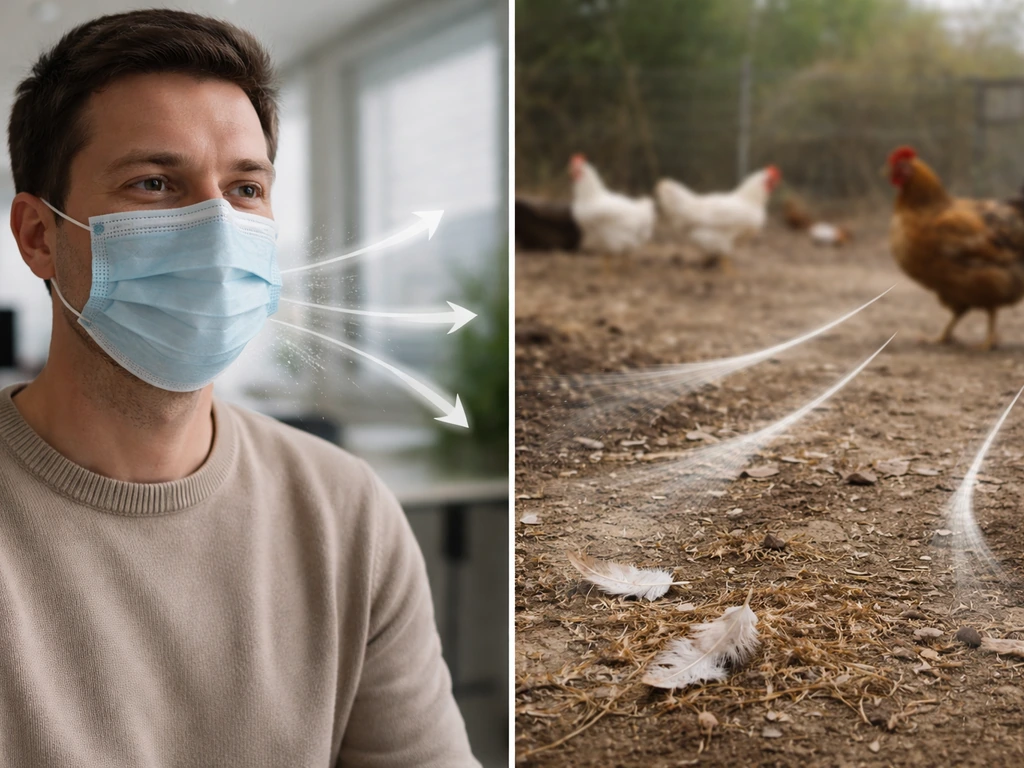
This is the single most important thing to understand. Seasonal flu spreads primarily from person to person through respiratory droplets, which is why it tears through offices and schools every winter. Bird flu (avian influenza A, most often H5N1 in current outbreaks) does not work that way. Right now, human infections are driven almost entirely by zoonotic exposure, which means direct contact with an infected animal or its environment, not by catching it from another person.
The transmission routes that have actually caused human infections include: handling sick or dead infected birds or poultry without respiratory and eye protection; working on or visiting dairy farms during active H5N1 outbreaks in cattle; touching contaminated surfaces like cages, litter, raw milk, or bird droppings and then touching your face; and in some documented cases, exposure at live bird markets in outbreak regions. The ECDC notes that very limited human-to-human spread might have occurred in rare cases involving prolonged close household contact, but sustained chains of person-to-person transmission have not been identified anywhere.
So the practical difference is stark. If someone in your household has seasonal flu, you're at real risk of catching it. If someone in your household got bird flu from working on a poultry farm, the risk of you catching it from them, while not technically zero, is very low and would require prolonged, very close unprotected contact. This is why bird flu has not yet spread widely enough to become a sustained pandemic catching it from them. That's not the same as living in the same house and sharing a bathroom.
Your personal risk check: exposure history and when to worry more
The fastest way to calibrate your risk is to ask yourself a few honest questions about the past 10 days. That 10-day window matters because the CDC recommends monitoring for illness for 10 days after your last exposure to infected birds or animals, restarting the clock if you're re-exposed.
- Have you had direct, close contact with sick or dead birds, poultry, or wild waterfowl, especially in an area with a known H5N1 outbreak?
- Do you work on a poultry farm, dairy farm, or in a live animal market where H5N1 has been confirmed?
- Have you handled raw poultry or eggs from a flock that was found to be infected, without wearing gloves or washing hands thoroughly?
- Have you traveled recently to a region with active bird flu outbreaks in birds or livestock, and had contact with animals there?
- Have you had close, prolonged contact with a confirmed human H5N1 case?
If none of those apply, your risk is very low and close to the general public baseline. If one or more apply, especially without PPE (personal protective equipment like a respirator and eye protection), you're in a higher-risk category and should be actively monitoring your health and in contact with your local health department. The CDC explicitly categorizes exposure levels for this reason, with specific protocols for dairy and poultry workers. Backyard flock owners are also in a moderate-risk category if their birds have been sick or dying, particularly since CDC surveys have found that many backyard flock owners don't consistently use PPE when handling their birds.
Symptoms and what to do if you think you might have bird flu

Bird flu in humans doesn't have a single locked-in presentation. The illness ranges from mild to severe. What's distinctive compared to typical seasonal flu is that eye symptoms, specifically redness, irritation, and watery eyes (conjunctivitis), can appear as early as 1 to 2 days after exposure, often before respiratory symptoms kick in. Respiratory symptoms typically follow around 3 days after exposure on average, though the range is roughly 2 to 7 days.
Symptoms to watch for after a known exposure include fever, cough, sore throat, runny or stuffy nose, body aches, headache, fatigue, eye redness or discharge, and in severe cases, difficulty breathing or shortness of breath. Severe disease can progress to pneumonia and multi-organ failure, which is why prompt evaluation matters if you have a real exposure history and develop any of these symptoms.
If you have had a confirmed or likely exposure to infected birds or animals and develop flu-like symptoms or eye symptoms, don't just wait it out. Contact your doctor or local health department before going to a clinic or emergency room, so they can prepare for your arrival appropriately and arrange testing. Tell them specifically about your exposure. Early antiviral treatment makes a real difference, and your medical team needs that history to make the right call.
If you have no relevant exposure history and just have a cold or flu symptoms, this is almost certainly seasonal flu, a cold, COVID, or another common respiratory illness. Bird flu is not circulating person to person in communities right now. A positive flu test for influenza A in someone with no animal exposure does not mean bird flu.
Food safety and handling: eggs, poultry, and kitchen precautions
This is an area where Reddit anxiety tends to run ahead of the actual risk. There is no evidence that properly handled and cooked poultry or eggs transmit avian influenza to humans. OSHA explicitly states that properly handled and prepared poultry and eggs are safe. The key words are "properly handled" and "properly cooked."
Cooking kills avian influenza viruses. The targets are straightforward: cook poultry to an internal temperature of 165°F (74°C), measured with a food thermometer at the thickest part. Cook egg dishes and casseroles to 160°F (71°C). Eggs should be cooked until both the white and yolk are firm. These are the same safe food handling temperatures you should already be using, not new bird flu specific rules.
Cross-contamination is the other thing to manage in the kitchen. Keep raw poultry and eggs separate from ready-to-eat foods. Wash your hands, cutting boards, and any surfaces that contacted raw poultry with soap and water before touching other foods. Refrigerate eggs promptly. None of this is complicated, and none of it is new guidance invented for H5N1. It's the same food safety hygiene that applies to salmonella and other pathogens too.
| Food item | Safe internal temperature | Key notes |
|---|---|---|
| Whole poultry, chicken pieces, ground poultry | 165°F (74°C) | Measure at thickest part, away from bone |
| Egg dishes and casseroles | 160°F (71°C) | Do not use runny or undercooked eggs in high-risk dishes |
| Whole eggs (fried, scrambled, poached) | Cook until yolk and white are firm | Avoid sunny-side-up if concerned |
| Stuffing cooked inside poultry | 165°F (74°C) | Check stuffing temperature separately |
Prevention steps for households, backyard flocks, and farm workers
For households with no direct animal exposure
Your main actions are standard hygiene: thorough handwashing after handling raw poultry, cooking to proper temperatures, and staying informed about outbreaks in your area. The CDC also recommends getting your annual seasonal flu vaccine. This won't prevent bird flu, but it reduces the risk of co-infection with seasonal flu, which matters because simultaneous infections can complicate diagnosis and treatment.
For backyard flock owners
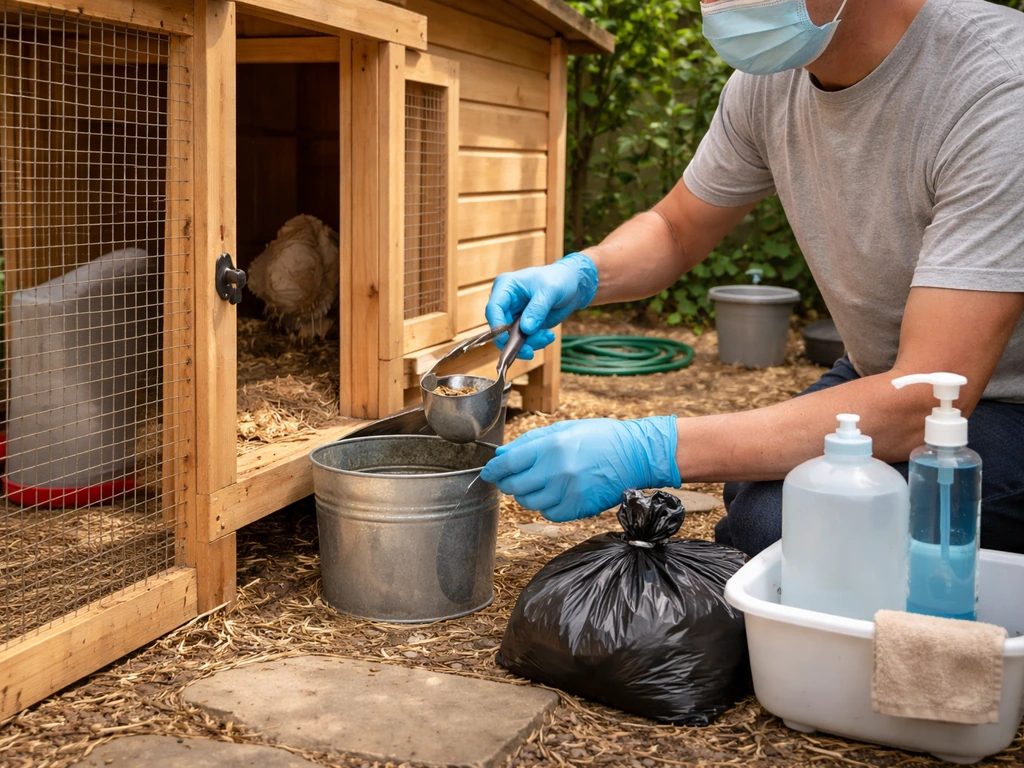
If you keep chickens, ducks, or other poultry at home, your risk is meaningfully higher than the average person if your birds become sick or if there's a confirmed outbreak near you. The CDC's surveys found that many backyard flock owners underestimate this. When handling birds, especially sick or dead ones, wear disposable gloves and wash hands thoroughly afterward. If birds are dying unexpectedly, report it to your state's department of agriculture and avoid handling dead birds with your bare hands. During an active local outbreak, add a respirator (N95 or better) and eye protection when you're cleaning the coop or handling birds directly.
For poultry and dairy farm workers
This is the highest-risk group, and the CDC and NIOSH have detailed guidance specifically for you. When working directly or closely with sick or dead animals, animal feces, raw milk, or contaminated litter and equipment, use the full recommended PPE suite: an N95 respirator or better, goggles or a face shield, disposable gloves, and fluid-resistant protective clothing or coveralls. Don't touch your face while working. Change and dispose of PPE properly after leaving the work area. If you develop any symptoms within 10 days of exposure, contact your employer's health resources and your local health department right away. Don't enter the workplace if you're symptomatic.
Treatment, vaccines, and when to seek medical help urgently
If bird flu is suspected and you have a relevant exposure history, the antiviral treatment of choice is oseltamivir (brand name Tamiflu). It works best when started as early as possible, ideally within 48 hours of symptom onset. This is not something you should wait on if symptoms develop and you have a real exposure. Call your doctor or health department immediately, explain your exposure history, and ask about antiviral treatment. Don't wait until symptoms are severe.
On vaccines: H5N1 vaccines for pandemic preparedness exist and have been developed, but they are not part of routine vaccination programs for the general public right now. In Europe, a pre-pandemic vaccine against the currently circulating H5 strain has been approved and can be used for people routinely exposed to animals, based on national recommendations. In the US, vaccines are held in government stockpiles for pandemic response use, not for general distribution at this time. This means that for now, prevention through PPE and avoiding exposure is the main protective tool for high-risk workers, not a publicly available shot.
Seek emergency care immediately (not just call your doctor) if you have known or likely animal exposure and develop: severe difficulty breathing, persistent chest pain, signs of confusion or altered mental status, or symptoms of rapid deterioration. These are signs of potentially severe disease and need urgent hospital evaluation.
The bottom line: how worried should you be, and where to get real updates
Here's the honest calibration. If you have no recent contact with infected birds, poultry, or farm animals, and you're not a farmworker, the CDC's own framing applies to you: current risk to the general public is low. You don't need to be stockpiling antivirals, avoiding poultry aisle at the grocery store, or spiraling over Reddit threads. Bird flu is a serious situation in animal populations and warrants real public health attention, but it is not spreading person to person in communities right now, and eating properly cooked chicken is safe.
If you have had recent unprotected exposure to infected animals, you are in a different category and should be actively monitoring your health for 10 days after your last exposure, have a plan to contact your doctor or health department if symptoms develop, and consider reaching out to your local public health office now to register your exposure. That's not panic, that's using the system exactly as it's designed.
Questions about whether this could become something bigger, like whether bird flu will become a pandemic or how serious it could get if it does mutate for efficient human spread, are worth thinking about separately from your personal risk today. Those are real and reasonable questions that public health agencies are actively monitoring for, with specific triggers (like confirmed sustained human-to-human transmission) that would change the response level significantly.
For current, reliable outbreak updates, go directly to the CDC's "Current Situation: H5N1 Bird Flu in People" page and the WHO's avian influenza Q&A. These are updated regularly with confirmed case counts, geographic information, and any changes in the risk assessment. Your state or local health department website is also a good source for what's happening in your region specifically. Skip the Reddit thread as your primary news source, use it at most as a pointer to official pages, and then verify what you read there against CDC, WHO, or ECDC directly.
FAQ
I saw bird flu stories online and now I’m anxious. Does the 10-day monitoring window apply to me?
If your only “exposure” is seeing posts, eating restaurant or grocery chicken, or being around friends who are sick, that is not the kind of exposure that drives human bird flu cases. The 10-day monitoring guidance is meant for people with direct contact with infected birds, poultry, farm animals, or their contaminated environment, not for general community circulation or typical food exposure.
If I test positive for influenza A, does that automatically mean I have bird flu?
General influenza tests usually cannot reliably tell you “bird flu” just because influenza A is detected. A positive influenza A result in someone without relevant animal exposure typically reflects seasonal or other circulating influenza strains. If you have a real animal exposure history plus symptoms, tell the clinician and ask whether specialized testing for avian influenza is appropriate.
My first symptom is red, watery eyes. How do I know if it’s serious enough to contact health officials?
Redness and watery eyes can show up early, but the practical next step depends on timing and exposure. If you had contact with sick or dead birds, a dairy farm during an outbreak, or raw milk with relevant symptoms including eye redness within about a week, contact your doctor or local health department promptly for guidance and possible testing.
If I had animal exposure and get symptoms, should I wait for test results before asking about antivirals?
For people with true animal exposure who develop symptoms, antiviral treatment works best when started early, ideally within 48 hours of symptom onset. That means you should call promptly once symptoms begin, rather than waiting for “proof” your illness is bird flu or waiting to see if it worsens.
What should I do differently when contacting a doctor or ER if I might have been exposed to infected animals?
If you have suspected exposure, do not go unannounced to a clinic or emergency room without telling them first. Calling ahead lets the team prepare for appropriate precautions and arrange testing, and it helps ensure your exposure history is documented accurately.
I work with poultry or on a farm. Do I still follow the same 10-day approach if I’m already in a high-risk job?
Yes. If you work in a setting with active risk, you may need to follow workplace-specific PPE rules (respirator and eye protection, plus gloves and protective clothing) and you may have protocols for reporting illness. If you are symptomatic, do not enter the workplace, and contact your employer’s occupational health or public health point of contact.
I keep chickens at home. What changes if my birds get sick or start dying unexpectedly?
Backyard flock owners are a higher-risk group mainly because exposure is more likely during bird illness or death, and PPE use may be inconsistent. If your birds are dying unexpectedly, report it to the state or local department of agriculture and avoid handling dead birds with bare hands; then apply PPE and careful hygiene if you must handle them.
If I had possible exposure but I feel fine, how long do I need to “watch for symptoms”?
If you have no symptoms, bird flu monitoring guidance typically is not meant for routine self-checks forever, it is meant to be linked to a specific last exposure date. The key decision is whether you had a qualifying last unprotected exposure to infected animals or their environment.
If a household member caught bird flu from farm work, am I at risk from them just because we share a house?
If you share a household with someone who got bird flu from animal work, you are not “caught up” into the same risk automatically. The risk from a household contact is considered low and would require prolonged close unprotected contact if any person-to-person spread were occurring, which has not been shown as sustained. Still, if anyone develops symptoms after the animal exposure window, they should be evaluated.
What symptoms should trigger emergency care instead of a routine doctor appointment after animal exposure?
Emergency care is for red flags indicating possible severe illness, not for mild symptoms alone. If you have known or likely animal exposure and develop severe difficulty breathing, persistent chest pain, confusion or altered mental status, or rapid deterioration, seek emergency care immediately rather than calling first.
Reddit comments are scaring me about grocery poultry. What’s the correct way to think about food-related risk?
Do not rely on social posts that claim “no risk” or “guaranteed infection.” A better approach is to match your situation to exposure categories and then follow food safety basics. If your concern is from food, properly cooked poultry and eggs at safe internal temperatures and preventing cross-contamination are the key protections.
Next Article
Will Bird Flu Become a Pandemic? What to Know and Next Steps
Clear odds and conditions for bird flu becoming a human pandemic, plus practical prevention for people and poultry owner