Yes, bird flu (avian influenza, specifically the H5N1 strain of highly pathogenic avian influenza, or HPAI) is actively spreading right now, particularly in wild birds across North America, Europe, and Asia, and in domestic poultry and US dairy cattle. As of May 22, 2026, the global public health risk for most people remains low according to a joint FAO/WHO/WOAH assessment published just days ago on May 18, 2026. That said, the virus is geographically widespread, it is not standing still, and if you work with birds or animals, your risk is elevated. Here is what the data actually shows and what you should do about it.
Is Bird Flu Spreading Now? Hotspots, Risks, and What to Do

Sarah Chen
22 May 2026

Where bird flu is spreading right now

The honest picture is that HPAI H5N1 is essentially everywhere wild birds fly. USDA APHIS confirms the virus is present in wild birds worldwide and is causing active outbreaks in US domestic poultry and dairy cattle. In Europe, between late November 2025 and late February 2026, the ECDC reported 2,514 detections of HPAI A(H5) across 32 countries: 406 outbreaks in domestic birds and 2,108 in wild birds. That is a very active winter wave.
WOAH Situation Report 81 covers new outbreaks notified through March 2026, and the WHO Western Pacific is publishing weekly updates (Issue 1045 was dated May 15, 2026), reflecting ongoing activity across Asia and the Pacific. WHO Western Pacific also publishes a dated “Avian Influenza Weekly Update” in a situation-report format (for example, issue 1045 dated 15 May 2026), which can serve as a near-real-time tracker of Asia and Pacific changes.
WOAH’s HPAI Situation Report 81 reports an update based on information submitted to WOAH during the March 2026 submission period WOAH Situation Report 81 covers new outbreaks notified through March 2026.
In the Americas, PAHO reported 75 human infections with A(H5N1) in five countries between April 2022 and early March 2026, with no new human cases reported after November 2025 as of the March 2026 update. In the US specifically, the unique dimension is the continued presence of H5N1 in dairy cattle herds, which represents a spillover pathway that does not exist in most other countries. The bird flu virus does not behave the same everywhere, so outbreaks and spillover risks can shift by region and animal type continued presence of H5N1 in dairy cattle herds. USDA APHIS maintains a live map of detections in wild birds by state, updated after each new detection, and that is your best US-specific hotspot tracker.
The current hotspot regions to watch are: the US (wild birds nationally, dairy cattle in multiple states, ongoing poultry outbreaks), Europe broadly (especially countries with high wild bird transit), and East and Southeast Asia where live bird markets continue to act as amplification settings. If you want to know whether your specific state or country is currently active, the APHIS wild bird detection map and the ECDC outbreak table are the right tools.
How bird flu actually spreads: birds to birds, and birds to people
How it moves between birds
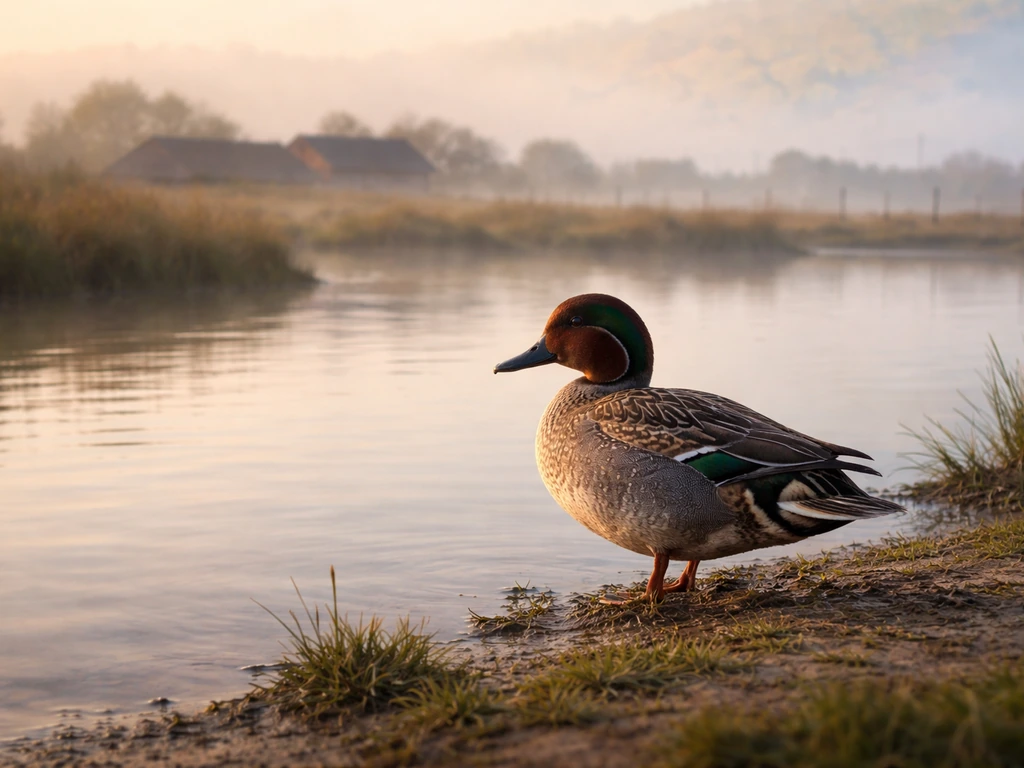
In birds, the virus spreads primarily through direct contact with secretions from infected animals, especially feces, and through contaminated feed, water, and materials. It can also travel through the air over short distances in environments where birds are crowded together. Wild migratory birds are the main long-distance carriers: they carry the virus along flyways without always showing obvious illness, dropping it into new regions seasonally. When infected wild birds mix with backyard flocks or commercial farms, or when contaminated equipment, clothing, or vehicles move between farms, the virus gets an opening. Live bird markets in Asia are a particularly efficient mixing environment where multiple species interact closely, which is why they are consistently flagged as amplification risk points.
How it gets into people
Human infections with avian influenza are uncommon, and when they do happen, they almost always trace back to a specific exposure. CDC is clear on this: the typical route is direct or close contact with infected birds or animals, or indirect contact with virus-contaminated surfaces (think mucus, saliva, or feces on equipment or cage wire) followed by touching your eyes, nose, or mouth. Poultry workers, farmers, veterinarians, and people visiting live bird markets carry the highest exposure risk. The US has also seen H5N1 in dairy cattle, so farm workers handling infected cattle and their raw milk have had documented exposures.
Sustained human-to-human transmission has not happened. Historically, a small number of past events have shown probable limited, non-sustained spread between people in very close household contact, but this has not escalated into community transmission. The reason bird flu has not caused a human pandemic so far is that the virus is not currently adapted to spread efficiently from person to person. That distinction matters: widespread animal spread does not automatically translate to widespread human spread.
Will bird flu spread further? The real risk drivers
Whether the current wave expands or contracts depends on several factors that are worth understanding so you can track them yourself rather than just reacting to headlines. Those monitoring drivers also help answer how often does bird flu happen in different regions and seasons. The question of whether bird flu is on the rise or is seasonal is closely tied to these same dynamics.
- Bird migration patterns: Spring and fall migration seasons move infected wild birds across continents, reliably seeding new geographic areas. We are currently in late spring in the Northern Hemisphere, which means migration-driven introduction risk is transitioning, but not over.
- Wild bird and poultry contact: Every gap in farm biosecurity that allows wild birds to land near or inside poultry operations is a potential introduction event. This is the number one driver of new poultry outbreaks.
- Dairy cattle and novel mammal spillover: The persistence of H5N1 in US dairy herds is an unusual development. The more mammal species the virus circulates in, the more opportunities it has to acquire mutations that could affect transmissibility.
- Farm biosecurity practices: Farms with strong biosecurity (netting, restricted access, footwear protocols, equipment decontamination) have dramatically lower outbreak rates than those without.
- Surveillance intensity: More testing finds more cases. Some of the apparent 'spread' in detection numbers reflects improved surveillance rather than actual new spread, which is important context.
- Virus evolution: Ongoing circulation in multiple host species increases the chance of genetic reassortment (mixing of viral genes), which is how new variants emerge. WHO and CDC watch for this continuously.
The joint FAO/WHO/WOAH assessment from May 18, 2026, holds the general public risk at 'low' and occupational risk at 'low to moderate' depending on protective measures. That framing is calibrated and not complacent: it means the current virus does not spread easily to people, but the situation is dynamic enough that it warrants continuous monitoring and precaution at the exposure interface.
Signs to look for in birds and in people
In poultry and wild birds
- Sudden, unexpected death in multiple birds at once (HPAI can kill a flock very rapidly)
- Severe respiratory distress: gasping, labored breathing, nasal discharge
- Neurological signs: lack of coordination, tremors, twisted neck, inability to stand
- Swelling of the head, neck, or face
- Purple or bluish discoloration of wattles, comb, or legs
- Sharp drop in egg production or soft/misshapen eggs
- Extreme lethargy or unresponsiveness
- Finding multiple dead wild birds (waterfowl, shorebirds, or raptors) in the same area
If you find dead wild birds clustered together, do not handle them with bare hands. Report them to your state wildlife agency or USDA APHIS. A single dead bird is not usually a flag, but multiple deaths in one location are worth reporting.
In people after an exposure
CDC describes an incubation period of about 3 days from exposure to symptom onset (range 2 to 7 days) for A(H5) infections in the US. Notably, eye redness and irritation (conjunctivitis) has been the most common presenting sign in recent US H5 cases, more prominent than in typical seasonal flu. Other symptoms include fever, cough, sore throat, runny nose, muscle aches, headache, fatigue, and in some cases shortness of breath or diarrhea. These overlap with many other respiratory illnesses, which is exactly why you need to mention any bird or animal exposure when you talk to a healthcare provider. Antivirals like oseltamivir (Tamiflu) are most effective when started early, so prompt evaluation matters.
How to reduce your risk right now
For everyday people
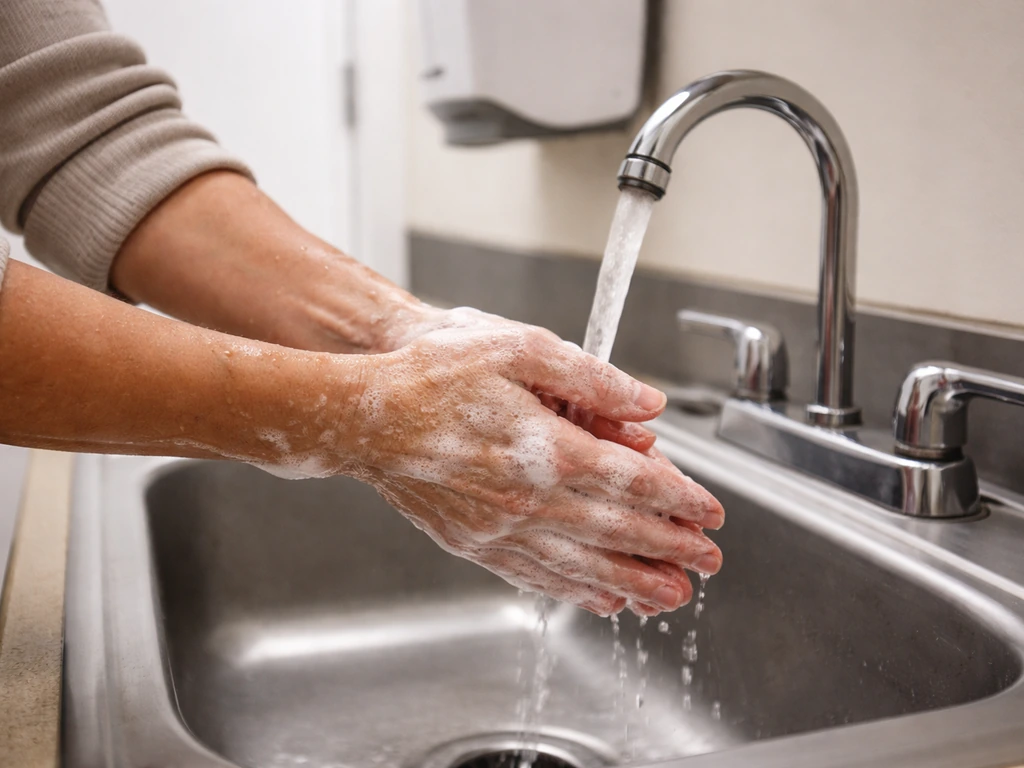
- Avoid touching sick or dead birds with bare hands. If you have to handle them (e.g., removing a dead bird from your property), wear disposable gloves and wash hands thoroughly afterward.
- Skip handling wild birds entirely if you are not trained to do so, and keep children and pets away from dead wildlife.
- If you visit a live bird market, poultry farm, or petting zoo with birds, avoid touching your face during and wash hands immediately after leaving.
- If you develop respiratory symptoms or eye irritation within 10 days of a bird or animal exposure, call your healthcare provider and specifically mention the exposure so they can assess for avian influenza.
- Do not rely on symptoms alone to self-diagnose: tell your provider about the exposure context first.
For farmers and backyard flock owners
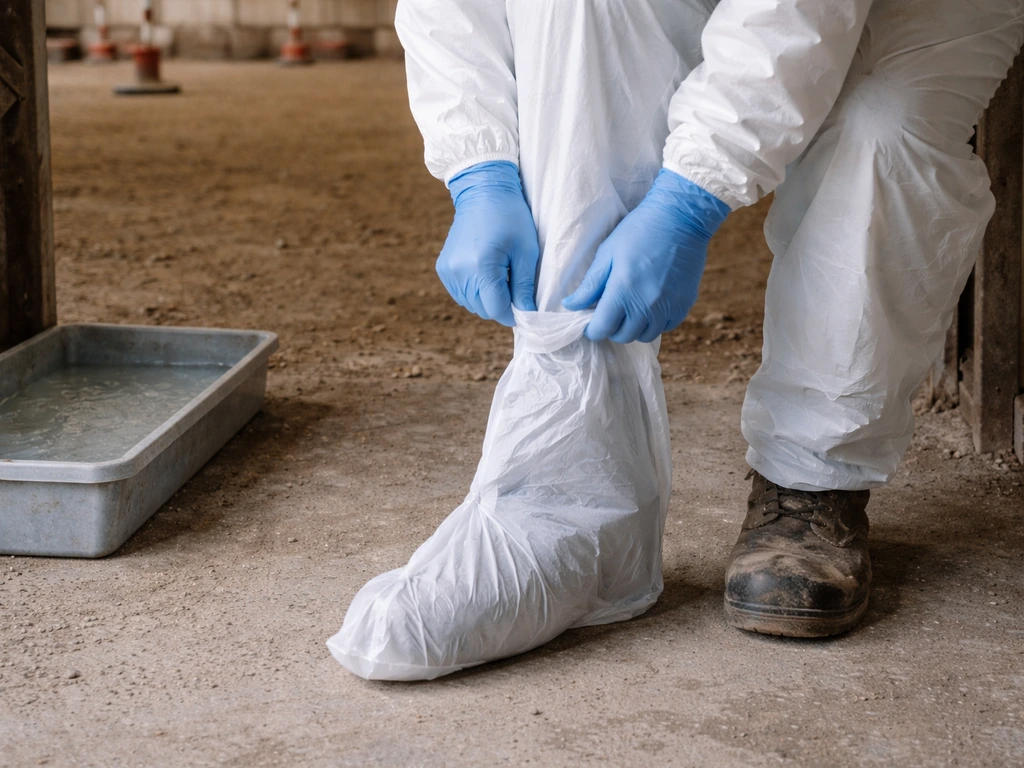
- Practice strict biosecurity: limit farm access to essential personnel, require footwear changes or boot covers at entry points, and dedicate equipment to each area of the farm.
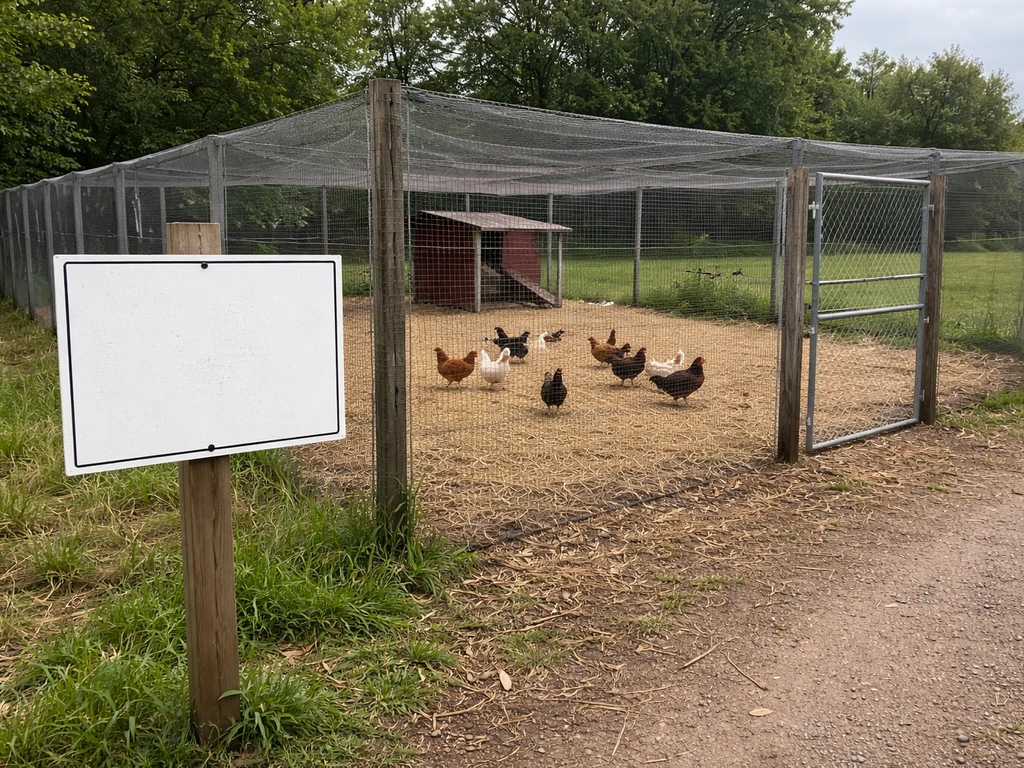
- Prevent wild bird access to feed, water, and housing. Net or cover outdoor runs during high-risk migration periods.
- Monitor your flock daily. Early detection of illness allows faster reporting and containment.
- Report unusual bird deaths or illness clusters to your state veterinarian or USDA APHIS immediately. Do not wait to see if things improve on their own.
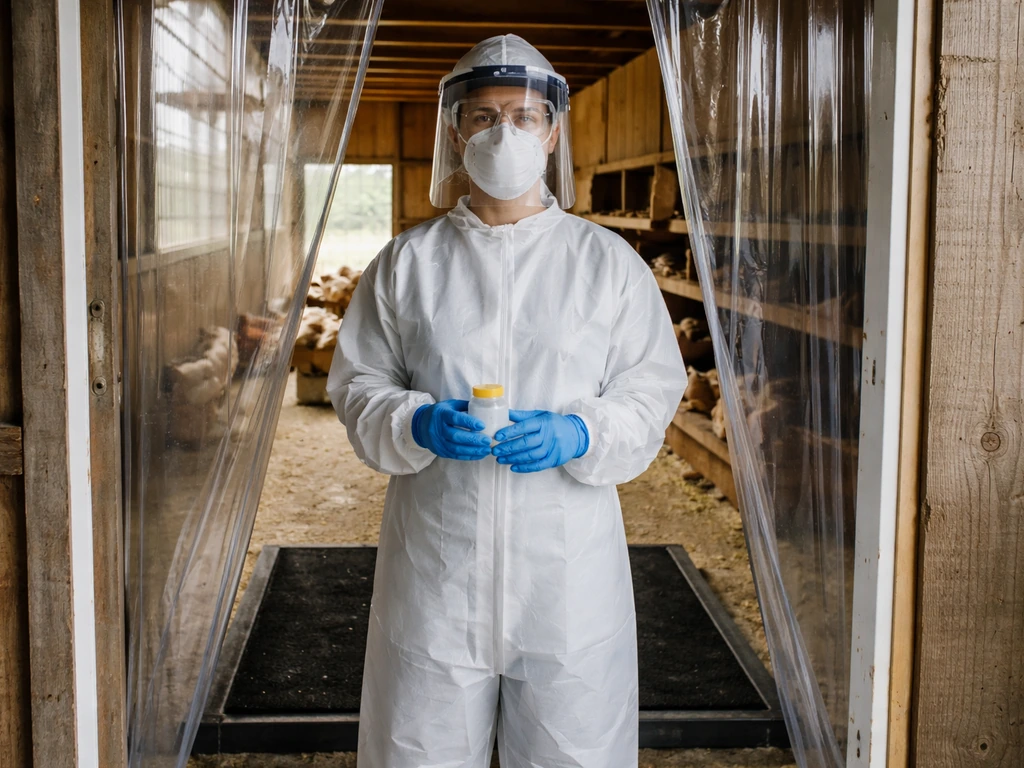
- Use personal protective equipment (PPE) including gloves, eye protection, and an N95 respirator when handling sick birds or cleaning contaminated areas.
- After working with birds, change clothes before entering your home and shower promptly.
- Monitor your own health for 10 days after any high-risk exposure and seek evaluation if any symptoms develop.
- For dairy farmers: follow USDA guidance on biosecurity practices for cattle, particularly around raw milk handling and worker protection.
Is it safe to eat poultry and eggs right now?

Yes, properly cooked poultry and eggs are safe to eat. Both WOAH and the European Medicines Agency state there is no evidence that avian influenza is transmitted to humans through properly handled and cooked poultry products. The critical factor is cooking temperature: cooking poultry to an internal temperature of 165°F (74°C) and cooking eggs until both whites and yolk are firm destroys the virus. This is standard safe food handling, not a special outbreak precaution.
The risk from food comes from handling raw, contaminated poultry and then touching your face before washing your hands, not from eating food that has been properly cooked. Raw milk is a separate concern: unpasteurized milk from dairy cattle has been identified as a source of H5N1 exposure in the US context, and drinking raw milk during an active outbreak in dairy herds carries real risk. Pasteurized dairy products are safe.
| Food item | Safe? | Key practice |
|---|---|---|
| Cooked poultry (chicken, turkey, duck) | Yes | Cook to internal temp of 165°F (74°C) |
| Cooked eggs | Yes | Cook until whites and yolk are fully firm |
| Pasteurized dairy products | Yes | Pasteurization destroys the virus |
| Raw/undercooked poultry | No | Avoid; handle raw meat with clean hands and separate surfaces |
| Raw eggs | Not recommended | Avoid during active outbreaks; cook fully |
| Raw (unpasteurized) milk | Not recommended | Avoid during active H5N1 dairy outbreaks |
Normal kitchen hygiene habits cover most of the food-safety risk: wash hands before and after handling raw poultry, use separate cutting boards for poultry and other foods, and do not rinse raw poultry in the sink (it splashes contamination around). These are the same rules that apply for Salmonella and campylobacter, and they work for avian influenza too.
How outbreaks are tracked and where to get reliable updates
The surveillance system for bird flu is genuinely multilayered, and knowing which source to check for which question saves a lot of frustration. No single source covers everything.
| Source | Best for | Update frequency |
|---|---|---|
| USDA APHIS HPAI wild bird detection map | US state-level wild bird hotspots | Updated after each new detection; last modified May 1, 2026 |
| CDC A(H5) bird flu situation summary | US human cases, dairy cattle, overall US summary | Updated regularly; streamlined cadence since July 2025 |
| CDC wastewater monitoring (H5) | Community-level H5 signal in US wastewater systems | Updated every Friday with prior week's data |
| ECDC avian influenza overview reports | European outbreaks in domestic and wild birds | Quarterly detailed report (latest: Dec 2025–Feb 2026) |
| WHO Western Pacific weekly update | Asia-Pacific region detections and human cases | Weekly (Issue 1045 dated May 15, 2026) |
| WOAH HPAI situation reports (WAHIS) | Global poultry and non-poultry species outbreaks | Monthly situation reports (Report 81 covers March 2026) |
| PAHO epidemiological updates | Human cases in the Americas | Ad hoc updates (latest: March 11, 2026) |
| FAO global situation updates | Species affected, zoonotic potential summary | Periodic (last species list update: March 31, 2026) |
For most people, bookmarking the CDC bird flu situation summary page and the USDA APHIS detection map covers what you need. If you are a poultry farmer or in agricultural work, add WOAH situation reports to that list. For real-time signal in the US, the CDC wastewater monitoring page is updated every Friday and can flag community-level H5 presence before clinical cases are confirmed, though it does not distinguish between H5 subtypes.
One practical note on reading these updates: a rising detection count does not always mean the virus is spreading faster. It sometimes reflects increased testing. Look at whether the geographic footprint is expanding, whether new species are being affected, and whether any human cases are being reported without a clear animal exposure link. If you want a quick take on whether is bird flu on the rise, the most useful clues are the trends in detections, expanding geographic spread, and any linked human cases. Those are the signals that would indicate a meaningful shift in risk, and they are the signals the WHO and CDC are watching for too.
FAQ
If the number of bird flu detections is increasing, does that mean it is definitely spreading faster right now?
It is possible to see “more detections” without the virus spreading faster, because surveillance intensity and testing frequency can change. A better sign of real expansion is a widening geographic footprint, new affected animal species, or any human case that lacks a clear, documented bird or cattle exposure.
If no cases are reported in my area yet, should I still take precautions around birds or poultry?
A negative result in one test does not guarantee safety at the household level. If there is ongoing exposure to sick or dead birds, poultry workers should follow the full guidance on protective equipment, hand hygiene, and cleaning before re-entering the area, and any symptoms should prompt medical evaluation.
What symptoms should make me suspect bird flu after bird or animal exposure?
In people, the most common recent presenting sign in US H5 cases has been eye redness or irritation (conjunctivitis). If you had recent bird or animal exposure and develop red, painful, or gritty eyes, especially alongside fever or respiratory symptoms, contact a clinician and mention the exposure promptly.
What should I do if I find several dead wild birds in one spot?
If you find multiple dead wild birds clustered together, do not move them with bare hands. Report the location to your state wildlife agency or USDA APHIS. For cleanup, wait for guidance and avoid sweeping or disturbing feathers and droppings without protection, since dust and secretions can contaminate surfaces.
When should I get medical care after possible exposure, given the incubation timeframe?
Seek care urgently if symptoms start within roughly 2 to 7 days after an exposure and you had close contact with sick or dead birds, poultry, or dairy cattle, or contact with raw milk. Because antivirals work best when started early, tell the clinician about the exposure and whether you handled animals or contaminated materials.
What information should I tell my doctor to help them evaluate suspected bird flu?
Not every “influenza-like” illness after animal exposure is bird flu. However, clinicians often need the context to decide on testing and antivirals. Bring details such as dates of exposure, types of animals involved, whether you had eye exposure, and whether you were in barns or around raw milk.
What are the most practical ways families can reduce exposure risk if someone in the household works with poultry or dairy cattle?
Most risk reduction for household members comes from preventing contaminated materials from reaching the face and from safe handling of any raw products. For farm-related exposure, keep separate clothing for barn or milk handling, avoid touching eyes, nose, and mouth during tasks, and wash hands and exposed skin immediately after.
How do I distinguish safe food exposure from higher-risk food-related exposure?
Cooked poultry and eggs are considered safe when handled properly, the key is internal cooking to 165°F (74°C) for poultry and fully firming eggs. The higher risk is from handling raw meat or raw-contaminated surfaces and then touching your face before washing hands.
Is pasteurized milk safe, and what should I do if my household drank raw milk during a dairy outbreak?
The risky category for dairy is unpasteurized milk from dairy cattle during periods of H5N1 activity. Pasteurized dairy products are considered safe, but if you or your household consumed raw milk during an outbreak in dairy herds, tell your clinician about that exposure if symptoms occur.
Which monitoring sources should I check for my country or state, and what does each one add?
Surveillance sources are complementary, but the most “US actionable” trackers mentioned are CDC’s situation summary and USDA APHIS’s live wild bird detection map for geography, plus the CDC wastewater monitoring update for community-level signal. Use WOAH situation reports for broader global context, not as the sole local indicator.
How should I interpret CDC wastewater monitoring results if they show H5 presence?
Wastewater monitoring can flag community-level presence before clinical cases are confirmed, but it does not specify H5 subtypes. Treat it as an early signal, then verify with animal detections and any reported human cases linked to exposure.