Yes, bird flu is zoonotic. That means it can pass from animals to humans, and avian influenza (bird flu caused by influenza A viruses) is one of the better-documented examples of a zoonotic disease in modern public health. The good news is that most people will never encounter the conditions that actually lead to infection. The risk is real, but it is specific, and once you understand how transmission actually happens, it becomes much easier to assess your own exposure and take the right steps.
Is Bird Flu Zoonotic? Transmission, Risk, and Prevention

Sarah Chen
17 May 2026
What 'zoonotic' actually means here
A zoonotic disease is any illness that can jump from animals to people. 'Zoonotic' does not mean the disease spreads easily between humans or that an outbreak is imminent. It simply describes the capacity for spillover from an animal reservoir. Avian influenza A viruses circulate primarily in birds, but under certain exposure conditions they can infect people, other mammals, and occasionally other species. That cross-species capability is exactly what makes monitoring them so important.
How bird flu actually gets from birds to people
The transmission route is almost always direct or very close contact with infected animals or heavily contaminated environments. The CDC is specific about the mechanics: you can become infected if you touch an infected bird (or its secretions, droppings, or contaminated surfaces) and then touch your eyes, nose, or mouth with unwashed hands or contaminated gloves. <a data-article-id="439BBD45-CD25-4C16-AEFE-2CF60CC595C6">Virus-containing droplets or material splashing into your eyes is another documented route.
</a> Airborne spread is not considered the main way bird flu infects humans, but certain exposures to virus-containing droplets or splashes can create infection risk <a data-article-id="02AA2359-B2D4-4371-9F28-CEB367389344">airborne for humans. Eating or drinking something contaminated with live virus, such as raw milk from an infected dairy cow, also carries risk. The virus does not float through the air and infect people at a distance the way, say, measles does.
The WHO identifies the primary risk factor for human infection as exposure to live or dead infected animals, or to contaminated environments such as live bird markets. That framing is worth sitting with: the risk is tied to a specific setting and a specific type of contact, not to simply being near poultry or in an area where bird flu has been detected in wild birds.
Where the risk is actually highest
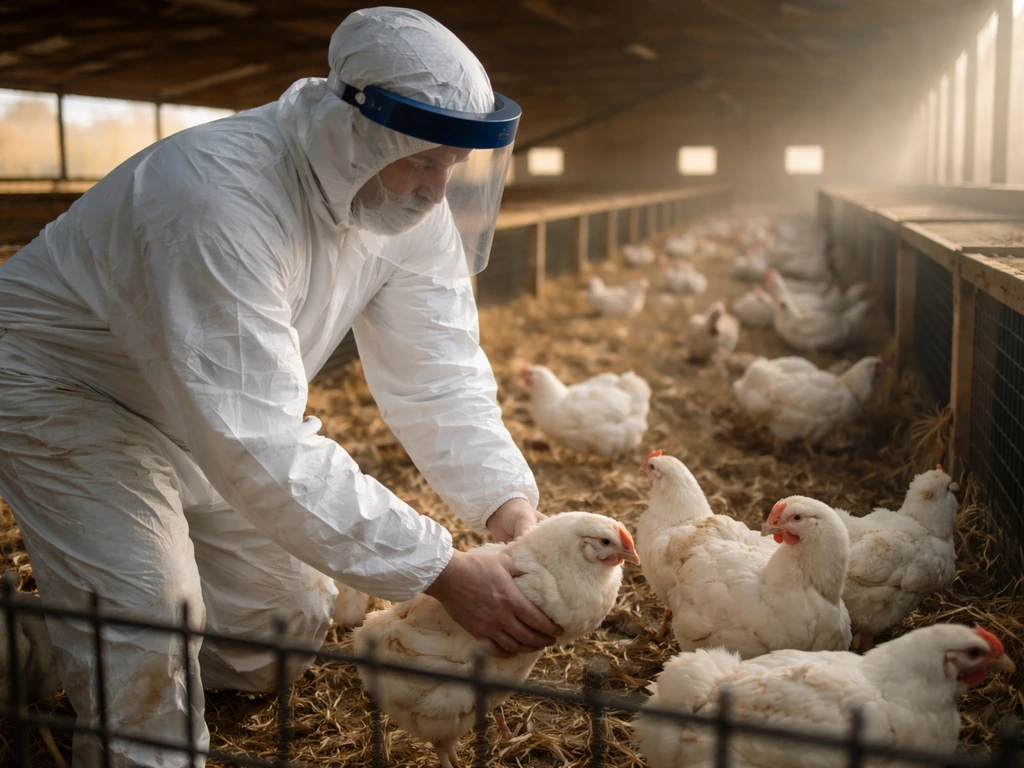
The CDC's own surveillance data makes the pattern clear: the vast majority of U.S. human cases have occurred among people with job-related or recreational exposures to infected birds, dairy cattle, or contaminated products like raw milk. That puts several groups in a higher-risk category.
- Commercial poultry farm workers who handle live or recently dead birds during an active outbreak on their farm
- Backyard flock owners who interact closely and regularly with their birds without protective equipment
- Dairy farm workers exposed to infected cattle herds, especially through activities involving unpasteurized milk
- Veterinarians, wildlife biologists, and outbreak response teams working directly with infected animals
- People who visit or work in live bird markets, particularly in regions with endemic highly pathogenic avian influenza (HPAI)
If you are none of the above and you live in a suburban or urban area, your personal risk from bird flu is extremely low. Seeing a sick wild bird in your yard is not a high-risk exposure event, though avoiding touching dead or visibly sick wild birds with bare hands is always a reasonable precaution.
What symptoms look like in people and in birds
In people
The incubation period for avian influenza A(H5) viruses in humans is around 3 days, though it can range from 2 to 7 days after exposure. Human illness can range from no symptoms at all to mild illness to severe respiratory disease that can be fatal. Recent U.S. cases have often presented with eye redness (conjunctivitis) as the most prominent symptom, which is somewhat unusual for influenza. More severe cases can involve fever, cough, sore throat, muscle aches, and in serious situations, pneumonia and acute respiratory distress. The wide spectrum of severity is one reason exposed individuals are advised to monitor themselves carefully even when they feel fine initially.
In birds
In poultry, highly pathogenic avian influenza (HPAI) is devastating and fast-moving. Infected birds may show sudden drops in egg production, respiratory distress, neurological signs, swelling around the head and neck, and very rapid death. In some flock outbreaks, mortality can be extremely high within days. Low pathogenic strains can cause milder respiratory symptoms, reduced egg production, or no obvious signs at all. The contrast between how sick birds get and how mild human cases can be is one reason the disease can circulate in flocks before anyone raises an alarm.
Human-to-human spread versus animal-to-animal spread
This distinction matters enormously, and it is worth being precise. Among birds, avian influenza spreads efficiently: through direct contact between birds, contaminated water sources, fomites (contaminated equipment, clothing, vehicles), and wild bird migration that carries the virus across vast distances. Among mammals, including dairy cattle, spread within herds has been documented. None of that makes the disease a pandemic threat on its own.
Between humans, the picture is very different. Currently circulating zoonotic influenza viruses have not demonstrated sustained human-to-human transmission, according to WHO. The CDC acknowledges that probable limited, non-sustained human-to-human transmission has been documented in a small number of cases involving older H5N1, H7N7, and H7N9 outbreaks, always tied to very close, unprotected exposure to a sick person. That is not the same as the efficient person-to-person spread that drives a seasonal flu outbreak or pandemic. If you want to understand what makes a zoonotic spillover event different from a communicable disease spreading through a community, that distinction is the core of it.
How to reduce your risk, whether you're a farmer or not
For poultry and farm workers
If you work with poultry or livestock, PPE is not optional during an active outbreak. The CDC's workplace guidance is clear that engineering and administrative controls alone may not be sufficient when you are directly handling infected animals or their secretions. Proper PPE selection should match your actual exposure: gloves, eye protection, respiratory protection (at minimum an N95 respirator where indicated), and protective clothing.
You may also wonder is bird flu airborne, and understanding the typical transmission routes helps you judge when respiratory precautions like an N95 are warranted. The donning and doffing process matters just as much as wearing the equipment. Designate a clean area for putting PPE on, and a separate area for removing it, so you do not contaminate yourself during removal. Wash hands and exposed skin thoroughly with soap and water.
Backyard flock owners should wear PPE any time they enter areas where birds are suspected or confirmed to have avian influenza, and they should continue until there are no infected birds, eggs, feces, or contaminated litter present. Clean visible dirt first with soap and water, then disinfect with an EPA-approved disinfectant that lists influenza A on the label. Biosecurity basics like limiting visitor access, not sharing equipment between flocks, and changing footwear before entering bird areas make a real difference in preventing spread.
For everyone else
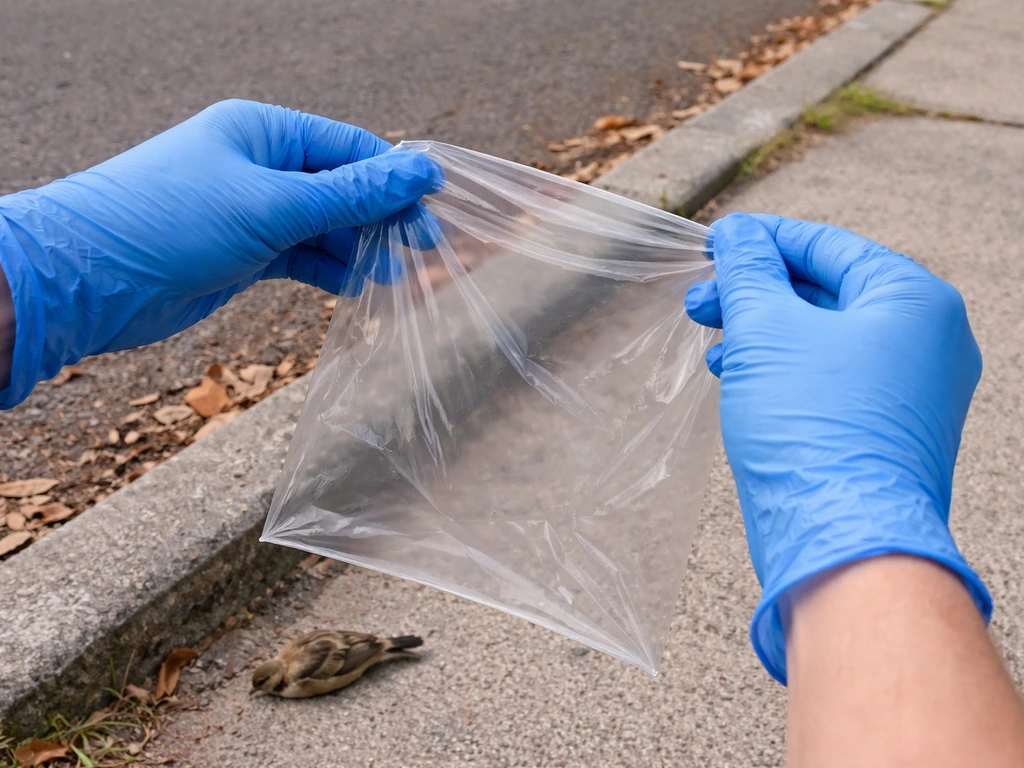
- Do not touch dead or visibly sick wild birds with bare hands; use gloves or a plastic bag if removal is necessary
- Avoid consuming raw or unpasteurized milk, especially from farms with known animal health issues
- Wash hands thoroughly after any contact with live poultry, birds, or their environments
- Follow local health department advisories if you live near an area with confirmed HPAI in poultry flocks
Is it safe to eat chicken and eggs during an outbreak?
Yes. Both the WHO and FDA are unambiguous on this: there is no evidence that properly prepared and cooked poultry or eggs can transmit avian influenza viruses to humans. Cooking poultry to an internal temperature of 165°F (74°C) and cooking eggs until both yolk and white are firm eliminates the virus. The FDA also emphasizes preventing cross-contamination between raw poultry and other foods during preparation, which is good food-safety practice at any time. The concern about food safety applies to raw or undercooked products, not to properly prepared meals. You do not need to stop eating chicken or eggs because of a regional poultry outbreak.
| Food item | Risk if properly cooked | Key precaution |
|---|---|---|
| Poultry (chicken, turkey, duck) | No evidence of transmission | Cook to internal temp of 165°F (74°C) |
| Eggs | No evidence of transmission | Cook until yolk and white are firm; avoid raw egg dishes |
| Raw/unpasteurized milk | Documented risk | Drink only pasteurized milk; avoid raw dairy from farms with HPAI |
| Commercially processed poultry products | No evidence of transmission | Follow standard food handling and storage practices |
When to seek care and what to do after an exposure
If you have had a known or suspected exposure to infected birds, cattle, or their environments, start monitoring your health from day zero, the first day of exposure, and continue for 10 days after your last exposure. That is the CDC's recommendation for HPAI A(H5N1) exposures specifically. Monitor daily even if you wore PPE and followed all biosecurity protocols, because the CDC advises this as standard practice for anyone involved in official response activities.
Seek prompt medical evaluation if you develop any symptoms that could be consistent with bird flu: fever, eye redness or discharge, cough, shortness of breath, or flu-like illness within 10 days of exposure. When you call or go in, tell the provider about your exposure history right away, because that context changes how clinicians approach testing and treatment. Antiviral treatment (typically oseltamivir, known as Tamiflu) is recommended for suspected bird flu cases and works best when started early. Do not wait to see if symptoms resolve on their own if you have a clear exposure history.
For the most current outbreak information, check the CDC's avian influenza surveillance pages and your state health department, since guidance, affected counties, and risk levels can change quickly during active outbreaks. Public health authorities are the right source for real-time local guidance, not social media or general news coverage, which often lags behind or sensationalizes risk. Understanding that bird flu is zoonotic, and what that actually means in practical terms, puts you in a much better position to act on real information rather than reacting to fear.
FAQ
If bird flu is zoonotic, does that mean people can get it just by being around poultry?
Not usually. The zoonotic risk is mainly tied to close, unprotected contact with infected animals or contaminated environments, not to casual proximity. If you only saw a sick or dead wild bird from a distance, the exposure is typically low, but avoid touching it and keep kids and pets from handling it.
Is bird flu airborne in the way seasonal flu is?
It can, but it is uncommon and exposure-specific. The main documented infection mechanisms involve touching contaminated material and then contacting your eyes, nose, or mouth, or having virus-containing splashes land on mucous membranes. You should still use eye and respiratory protection around outbreaks because splashes can create risk even if sustained airborne spread is not the primary pathway.
When should I start monitoring after I think I was exposed to infected animals?
Yes, exposure timing matters even if you feel fine. For H5N1, monitoring is typically advised from day 0 (the first day of exposure) through 10 days after the last exposure, because symptoms can begin after a short incubation window. If your exposure ended, start your countdown from the final day you were potentially exposed.
What are common mistakes when cleaning after finding a dead or sick bird?
Be careful with how you handle sick birds and how you clean afterward. Avoid sweeping or dry-brushing that can aerosolize contaminated dust, use appropriate disinfectants labeled for influenza A, wear eye and respiratory protection during cleanup, and remove contaminated litter and materials in a way that prevents spread to other areas or equipment.
If I feel sick, should I assume I will be tested for bird flu automatically?
No single “test for bird flu” rule applies to everyone. Clinicians usually decide on testing based on symptom pattern plus the exposure history and timing. If you call for care, clearly describe the animal exposure (type of animal, whether it was sick or dead, direct contact, and whether any splashes occurred) so the care team can determine whether antiviral treatment and specific testing are appropriate.
Are there any symptom patterns besides fever and cough that matter after exposure?
Watch for eye symptoms and breathing symptoms, even if other flu signs are mild. Some reported cases had prominent conjunctivitis early. If you develop eye redness or discharge plus any fever or respiratory symptoms after an exposure, treat it as urgent and contact a clinician promptly.
What if my PPE got wet or I had a tear, does that change my risk?
PPE expectations are higher when you handle animals or animal materials, especially during active outbreaks. For example, gloves, eye protection, and protective clothing reduce contact with secretions and splashes, and respiratory protection is used when there is a risk of virus-containing droplets or dust. If PPE tears or you remove it incorrectly, that can increase risk, so treat breaches as a reason to escalate monitoring and seek guidance.
How do I reduce risk from poultry or eggs in the kitchen without overreacting?
Foodborne risk from properly cooked poultry and eggs is not supported. The practical issue is cross-contamination and undercooking, since raw products can be contaminated. Follow safe kitchen handling (separate cutting boards and utensils, wash hands and surfaces after contact, and cook to the recommended internal temperatures) rather than stopping poultry entirely.
If I had multiple exposures over several days, does the monitoring period change?
Yes. Even if you followed biosecurity, repeat exposure can extend the monitoring window, because the “last exposure” date resets the 10-day period. If you only had brief contact once and then fully avoided the area, monitoring is shorter than if you continued visiting infected premises or handling contaminated materials.
If I tested negative for influenza, should I stop monitoring for bird flu?
No. A negative test does not always end monitoring if exposure was recent and symptoms are evolving. Testing decisions and repeat evaluation depend on symptom progression and timing, so keep monitoring through the recommended window and seek care again if symptoms worsen.
Does risk guidance differ for responders or people in outbreak-control jobs?
Involvement in response activities can increase the chance of contact, even with precautions, so additional vigilance is warranted. If you are part of official response work, follow workplace protocols closely, including designated donning and doffing areas, because contamination often happens during PPE removal.
Next Article
Is Bird Flu Airborne? Transmission, Risk, and Prevention
Bird flu spreads mainly by contact, not airborne. Learn when aerosol spread can happen, plus prevention, symptoms, food