
Yes, bird flu is contagious, but the answer looks very different depending on who or what is catching it. Between birds, especially in a confined flock, it spreads fast and aggressively. From birds to humans, it requires close, unprotected contact with infected animals or their environments. And from person to person, the evidence so far is reassuring: no sustained human-to-human transmission has ever been confirmed anywhere in the world. That distinction matters enormously, and it's what separates bird flu from a genuine pandemic threat.
Is the Bird Flu Contagious? How It Spreads and Risk

Sarah Chen
14 Apr 2026
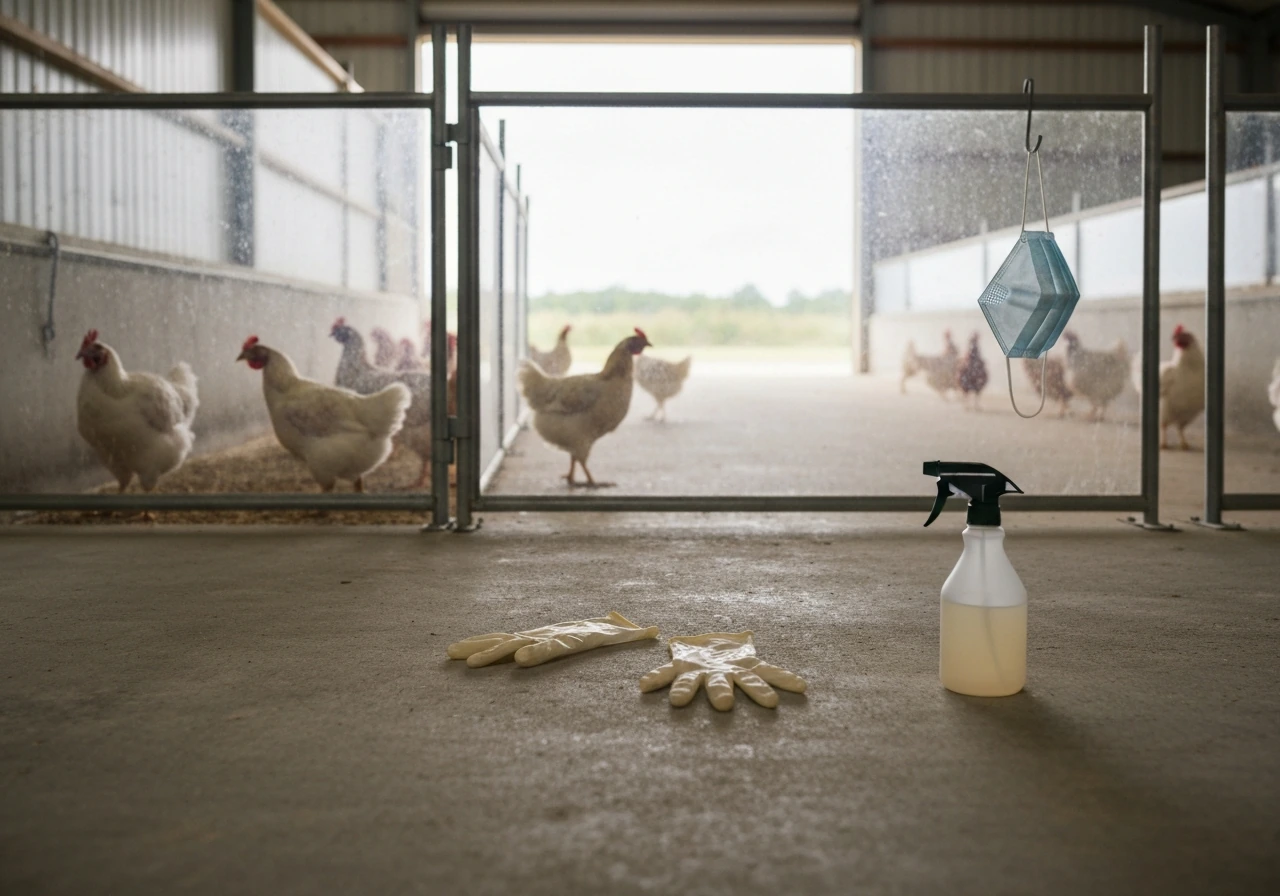
What 'contagious' actually means for bird flu
When people ask whether bird flu is contagious, they usually mean one of two things: can you catch it easily, and can it spread from person to person like seasonal flu? 'Contagious' technically refers to how readily a pathogen passes between hosts, which can differ sharply depending on the species involved. A disease can be extremely contagious in one host (say, chickens) and barely transmissible in another (humans). Bird flu, specifically highly pathogenic avian influenza or HPAI, sits in that uncomfortable middle ground: devastatingly contagious among birds, occasionally able to jump to humans, but not yet capable of efficient human-to-human spread.
Understanding this is not just semantic. It shapes everything from how outbreaks are managed on farms to why public health agencies treat each human case as a serious signal without declaring a pandemic. Whether bird flu qualifies as a communicable disease in the traditional public health sense depends on this nuance, and the answer is more complicated than a simple yes or no.
How bird flu spreads between birds (and why flocks are so vulnerable)
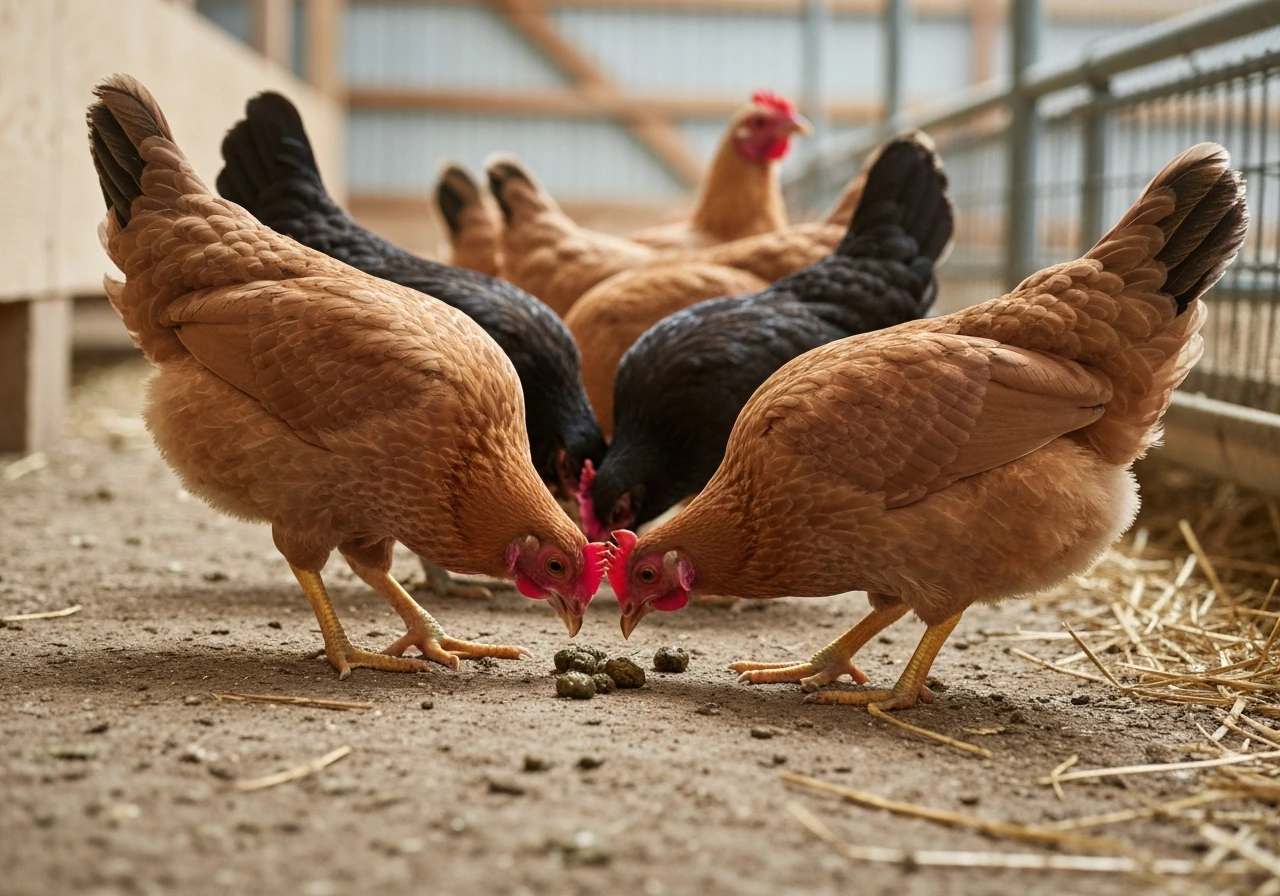
Inside a flock, HPAI can move with alarming speed. The primary route is direct contact: an infected bird shedding virus through its feces, respiratory secretions, saliva, and nasal discharge comes into contact with a healthy bird, and the cycle repeats. Feces are considered the most important single source of bird-to-bird transmission, and infected birds shed virus from multiple sites simultaneously, including oropharyngeal (mouth/throat) secretions, cloacal discharge, conjunctival (eye) secretions, and even feathers.
Indirect transmission is just as significant in practical terms. The virus can survive on farm equipment, clothing, vehicles, and footwear, which means a single unclean visit to an infected site can carry the pathogen to an entirely new location. Contaminated feed and water sources spread infection within a flock rapidly. There is also evidence that viral particles can travel short distances on dust and aerosols near exhaust fans and high-traffic areas, which is one reason biosecurity around ventilation is taken seriously in commercial poultry operations. Wild birds, particularly migratory waterfowl, act as a reservoir and can introduce the virus to domestic flocks through shared water sources or direct contact.
How bird flu spreads to humans
Human infections follow a consistent pattern: close, unprotected contact with infected birds, their secretions, or heavily contaminated environments. The CDC frames it clearly: exposure to infected birds (including droplet spread from a sick bird), inhalation of airborne virus or contaminated dust, and contact with fomites (contaminated surfaces) are all documented routes. Think of someone who culled sick birds without a respirator, or who handled dead poultry with bare hands, or who worked in a barn with poor ventilation and active infection in the flock. Those are the scenarios where human cases occur.
The question of exactly how the virus travels during human exposure is worth understanding in detail. Whether bird flu spreads via airborne particles or larger respiratory droplets has real implications for what protective equipment actually works. Large droplets generally require you to be within about 2 meters (6 feet) of the source, while fine aerosols can linger in confined air spaces. Both mechanisms are relevant when you are physically working around infected animals.
The global case count gives a sense of scale. Between January 1 and August 4, 2025, only 26 human H5N1 infections were detected worldwide, and none of those cases involved person-to-person spread. That is not a large number given that HPAI circulates in wild bird populations on every continent. The risk to the average person with no occupational exposure to poultry is genuinely low.
How contagious is bird flu in chickens: the practical risk factors
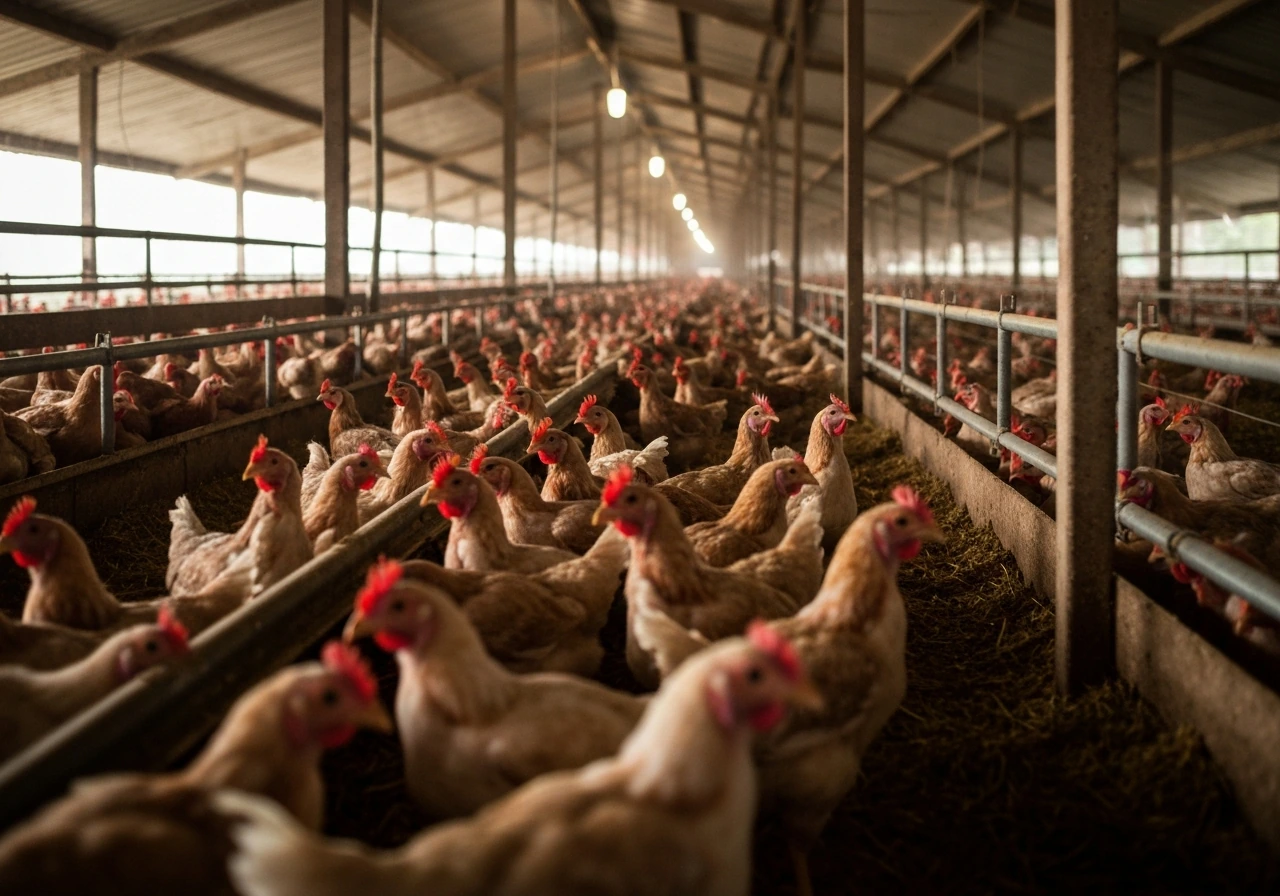
The European Medicines Agency describes avian influenza as 'highly contagious in poultry,' and that is not an overstatement. HPAI H5N1 can wipe out an entire commercial flock within days of introduction. Understanding what drives that spread helps poultry owners, farmers, and backyard flock keepers know exactly where to focus their attention.
- Flock density: birds packed closely together give the virus more opportunities to transfer between individuals before any single bird shows visible symptoms.
- Shared water and feed: contaminated drinkers and feeders are efficient delivery systems for a fecally shed pathogen.
- Wild bird contact: open or poorly secured housing that allows wild waterfowl to land, drink, or feed near domestic birds is a major introduction risk.
- Farm-to-farm movement: infected birds, eggs, equipment, vehicles, and clothing that move between sites can carry the virus across entire regions without any direct animal contact.
- Dust and air near poultry buildings: research has detected viral particles downwind of infected farms and near exhaust fans, meaning biosecurity needs to account for airborne dispersion over short distances.
- Delayed detection: because birds may shed virus before showing obvious signs of illness, an outbreak can take hold before anyone realizes there is a problem.
For backyard flock owners specifically, the risk factors are not fundamentally different from those on commercial farms, they are just harder to control. A backyard flock is often less physically isolated from wild birds, less likely to have strict visitor protocols, and more likely to share equipment across multiple small flocks in a community. How bird flu affects the respiratory system in infected birds explains why flock managers sometimes miss early warning signs, since respiratory distress can be subtle before rapid decline sets in.
Can bird flu spread person-to-person? What the evidence says
This is the question that public health agencies watch most carefully, and right now the evidence is consistently reassuring. The CDC, WHO, FAO, and WOAH all agree: sustained human-to-human transmission of H5N1 (or other H5 subtypes) has never been documented. The joint FAO/WHO/WOAH assessment is explicit on this point. That consensus has held for decades.
There have been rare family clusters where limited spread between household members appeared possible. A 2007 analysis estimated a household secondary attack rate of about 29% in one documented cluster, meaning roughly 1 in 3 close household contacts became infected. That sounds alarming, but the key phrase is 'non-sustained': the virus did not continue spreading beyond that immediate household context and did not propagate through communities. It is very different from how seasonal flu moves through a school or office.
Why is efficient person-to-person spread so unlikely right now? Ferret studies conducted by the CDC suggest that for H5N1 to spread efficiently via respiratory droplets between people, the virus would likely need to acquire specific genetic changes it does not currently have. What airborne transmission of bird flu would actually look like for humans is a topic researchers study precisely because of its pandemic implications, and the current science says the threshold for efficient human spread has not been crossed.
Part of why bird flu can infect humans at all is its nature as a zoonotic pathogen. The zoonotic classification of bird flu means it can jump from animals to people under the right conditions, but zoonotic transmission and sustained human-to-human transmission are two very different biological hurdles. Right now the virus clears the first bar occasionally and has not cleared the second.
Everyday safety: contact with birds, outbreaks nearby, and food handling

If you live near an outbreak or visit farms
Living near a farm with a confirmed outbreak does not put you at meaningful risk if you have no direct contact with the birds or their environment. The risk scales sharply with physical exposure. Someone driving past an affected farm is in a fundamentally different position from someone who enters a barn to handle sick birds without protective equipment. PAHO and WHO describe the risk to the general public as sporadic infections tied specifically to animal exposure, not community spread from proximity alone.
If you do visit farms, markets, or any setting with live poultry during an active outbreak: avoid touching birds directly, stay away from areas where sick or dead birds are present, wash your hands thoroughly, and change and launder clothing that may have been contaminated. How bird flu travels through the air is a legitimate concern in enclosed poultry spaces, which is why even well-ventilated barns warrant a mask (N95 or better) during active outbreak conditions.
Food safety: poultry, eggs, and handling

Properly cooked poultry and eggs are safe to eat. The CDC has stated clearly that there is no evidence anyone in the United States has been infected through properly handled and cooked poultry products. The FAO's rapid risk assessment concluded that foodborne H5N1 transmission is negligible, and EFSA (the European Food Safety Authority) concurs that the most likely route of infection is close contact with live infected birds, not eating cooked food. Cooking inactivates the virus, so a properly cooked chicken or a fully cooked egg carries no meaningful risk.
Where food handling does become relevant is with raw poultry, unwashed surfaces, and products like raw blood that have been reported as risk factors in Southeast Asian cases. Standard kitchen hygiene, washing hands and surfaces after handling raw meat, using separate cutting boards, and cooking to the recommended internal temperature of 165°F (74°C) eliminates the food-borne risk effectively.
Bird flu vs. seasonal flu: a quick contagiousness comparison
| Factor | Seasonal Flu (Human) | Bird Flu (HPAI H5N1) |
|---|---|---|
| Primary host | Humans | Birds (especially poultry and wild waterfowl) |
| Human-to-human spread | Efficient and sustained | Not sustained; extremely limited if any |
| Transmission route to humans | Respiratory droplets, aerosols, fomites | Direct contact with infected birds/environments, droplets, dust inhalation |
| Risk from casual contact | Moderate to high (shared indoor air) | Very low without direct animal exposure |
| Food safety risk (cooked food) | None | Negligible; no documented cases from properly cooked food |
| Pandemic potential | High (history of pandemics) | Theoretical concern; not currently realized |
| Contagiousness in animals | Moderate in humans | Extremely high in susceptible bird species |
What to do if you suspect bird flu exposure
For the general public
If you had unprotected contact with sick or dead birds, visited a location with a confirmed outbreak, or handled raw poultry in a situation that felt higher-risk than usual, the CDC's guidance is straightforward: contact your state or local public health department and monitor yourself for symptoms for 10 days after your last exposure. Monitoring starts on day zero, the first day of contact. Symptoms to watch for include fever, respiratory symptoms (cough, shortness of breath), and eye irritation or conjunctivitis, which is an early sign in some human cases.
You do not need to isolate or panic during that monitoring window. You simply need to take your temperature daily, note any new respiratory or flu-like symptoms, and have a plan to call your health department promptly if something develops. Do not go to an emergency room without calling ahead; that helps clinicians prepare and prevents unnecessary exposure to others.
For poultry owners and farmers
If you notice sudden, unexplained deaths in your flock, rapid respiratory distress, severe drops in egg production, or neurological symptoms in birds, report it immediately to your state veterinarian or the USDA APHIS hotline. Do not wait. The faster a suspected outbreak is reported, the faster officials can test, confirm, and put a containment perimeter in place to protect neighboring flocks.
- Stop all movement of birds, eggs, equipment, and vehicles onto or off your property until testing is complete.
- Put on personal protective equipment (gloves, N95 or better respirator, eye protection, coveralls) before handling any sick or dead birds.
- Collect and bag any dead birds carefully and keep them refrigerated, not frozen, for testing if instructed.
- Document what you observed: timeline of deaths, number affected, any recent changes like new bird arrivals or wild bird contact.
- Anyone who had unprotected exposure to the sick flock should contact public health authorities and begin the 10-day symptom monitoring protocol.
- After any culling or carcass disposal operation, follow the biosecurity guidance from responders for cleaning and disinfection before restocking.
The monitoring and reporting framework exists because early detection is the single most effective tool for containing HPAI outbreaks in both animals and humans. Acting quickly protects your remaining flock, your neighbors' flocks, and the people who work with you. Understanding how bird flu moves through the air around infected premises also helps poultry owners make better decisions about when PPE is genuinely necessary versus when standard precautions are sufficient.
The bottom line: bird flu is highly contagious among birds, capable of occasional spillover to humans under specific exposure conditions, and not currently capable of spreading efficiently between people. That profile makes it a serious animal health threat and a closely monitored human health concern, but not the same kind of everyday contagious risk that seasonal flu represents. Know your exposure level, take proportionate precautions, and report anything unusual promptly.
FAQ
If I live near a farm with bird flu, is bird flu contagious to the public just from being nearby?
No, you should not treat it like a casual respiratory illness. Bird flu in humans has been linked to direct or very close exposure to infected birds or contaminated environments, not to brief contact in everyday settings. If you had no such exposure, your risk is generally considered low.
Can bird flu spread from one household member to another, and does it spread further than the home?
Likely yes for household members only in the sense that close, prolonged contact during an exposure event can raise the chance of infection, but it has not shown sustained spread through communities. Even in clusters where limited transmission appeared possible, it did not continue beyond the immediate household context.
Is wearing a mask enough if I must be around sick birds during an outbreak?
An N95 or better helps reduce inhaling contaminated dust near infected poultry, but it does not make exposure risk-free. The best protection still comes from avoiding contact with sick or dead birds, improving distance from the source, and using eye protection and gloves when handling animals or contaminated materials.
Do I really need to change clothes after visiting a market or barn if I only touched surfaces?
Wash hands and change clothing matters, even if you think you were only “briefly” around poultry. Viral particles can contaminate equipment, surfaces, and fabrics, so removing potentially contaminated clothing before going home and cleaning hands after leaving is a practical way to break exposure chains.
How is bird flu contagious among birds compared with how contagious it is among humans?
It depends on what you mean by “contagious.” Bird flu is highly contagious among birds, so an outbreak can explode quickly in a flock. But for humans, it is not considered to spread efficiently person to person, so typical “catching it from another person” precautions are not the main issue.
Does bird flu contagiousness matter differently for farm workers versus the average person?
Yes. If you are concerned that your job involves exposure, treat the workplace as the risk driver. For example, people who clean cages, cull birds, handle carcasses, or work in poorly ventilated poultry areas have higher risk than those who do not enter animal areas.
If a person touches a wild bird, is bird flu contagious from that brief contact?
Probably not, at least based on current risk patterns. The main concern is exposure to infected birds, their secretions, or contaminated dust and surfaces, so “petting” or minor contact with the environment is not considered the typical pathway. Still, sick or dead birds should be treated as hazardous.
What should I do right after unprotected exposure, and how long should I monitor for symptoms?
If you are waiting for symptoms, monitor for about 10 days starting from the day of last exposure. A key mistake is going straight to an emergency room without warning; calling your local health department or clinician first helps them prepare and reduces unnecessary risk to others.
Can bird flu spread through food if I eat chicken or eggs from a place with an outbreak?
Yes, but only when dealing with raw, unhandled materials. Properly cooked poultry and fully cooked eggs are considered safe, the virus is inactivated by cooking. The practical mistake is washing raw meat or juices onto other surfaces instead of cleaning and sanitizing what was contaminated.
What exactly counts as an emergency in a backyard flock, and when should I report it?
Report it immediately. Waiting is the common error, because early testing and containment are what limit how quickly infection spreads between flocks. Sudden flock die-offs, sharp respiratory symptoms, rapid egg production drops, or neurological signs should be treated as urgent.
Next Article
Is Bird Flu in Europe Now? Risk, Symptoms, Safety Steps
Find out if bird flu is in Europe now, current risk, symptoms, food safety, and exact steps for handling exposure safely