
Bird flu is still circulating actively in both animals and humans as of mid-2026, with HPAI (highly pathogenic avian influenza) H5N1 continuing to affect poultry flocks, dairy cattle herds, and wild bird populations across multiple continents. Human cases remain relatively rare, and the CDC's overall public health risk assessment for the general population remains low. CDC occupational risk material identifies [poultry workers at risk across roles](https://stacks. cdc.
What Is Happening With Bird Flu in People and Animals

Sarah Chen
9 Jul 2026
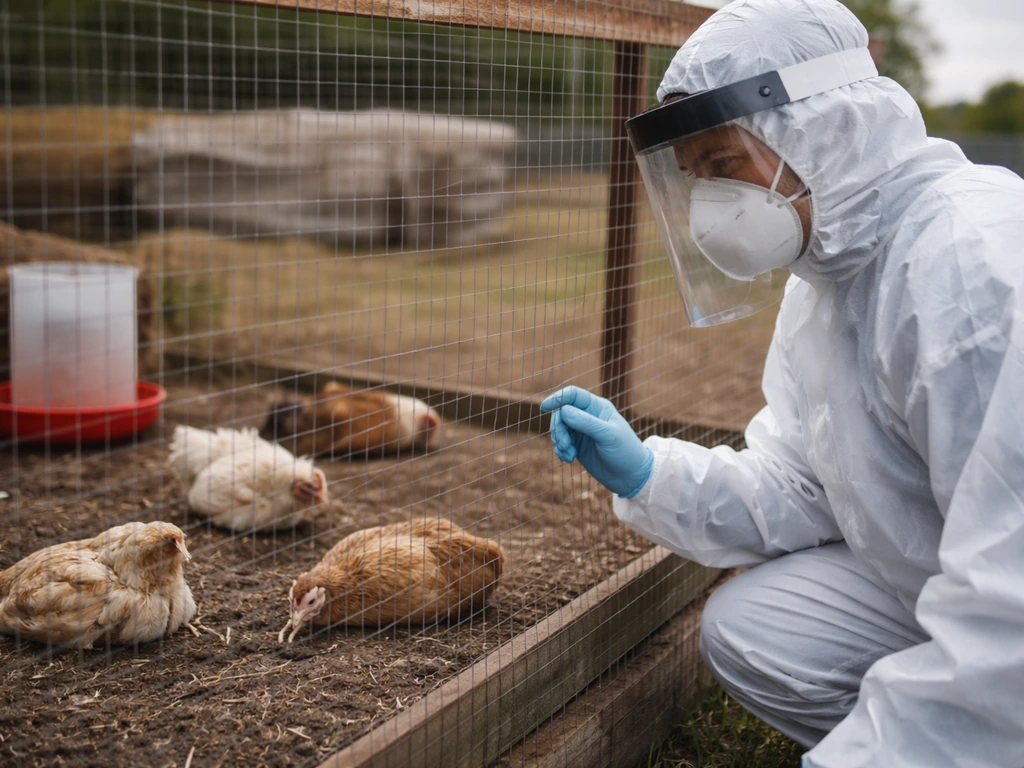
gov/view/cdc/189241/cdc189241DS1. pdf), including poultry farmers or employees, processing plant service technicians, caretakers, layer barn workers, live bird market workers, chick workers, and disease control workers. But if you work with animals, keep backyard poultry, or had recent contact with sick or dead birds, your personal risk picture looks different from everyone else's, and this article walks through exactly what happens inside the body, what to watch for, and what to do today.
What the virus actually does inside your body
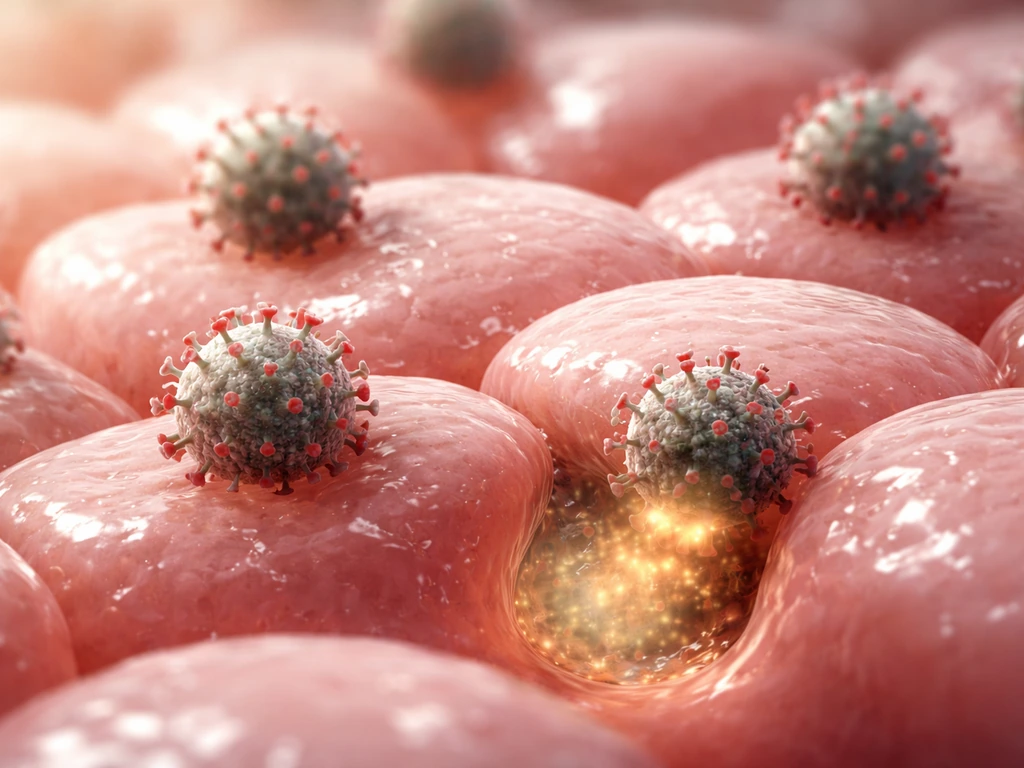
When a bird flu virus like H5N1 enters a human body, it targets cells that line the respiratory tract, but not the same part of the airway that seasonal flu normally attacks. Seasonal flu viruses tend to bind to receptors in the upper respiratory tract, which is why they cause the runny nose and sore throat most people recognize.
The earliest confirmed bird flu deaths occurred in Hong Kong during the first H5N1 outbreak, which is where many people trace the start of this story where was the first bird flu death. H5N1 and similar avian influenza viruses bind preferentially to receptors that sit deep in the lungs.
That one difference explains a lot about why bird flu can be so serious: the infection starts where you can't feel it easily, and by the time symptoms appear, there's already significant involvement of the lower airways.
Once the virus attaches to a lung cell, it hijacks the cell's machinery to replicate itself, producing thousands of new viral particles that spread to neighboring cells. This triggers an immune response, which in severe cases can become the main driver of damage, with the body's own inflammatory reaction causing fluid to build up in the lungs. Peak viral shedding in general influenza happens roughly from one day before symptoms appear to about three days after onset, meaning an infected person is most contagious during that narrow window. The incubation period for avian influenza A(H5) viruses specifically is estimated at around 3 days, with a range of roughly 2 to 7 days, so the clock from exposure to first symptoms is relatively short.
What happens if you catch bird flu: symptoms and how things progress
The clinical picture of H5N1 infection in humans tends to move fast. Early symptoms often look like a severe version of seasonal flu: high fever, cough, muscle aches, fatigue, and sometimes conjunctivitis (red, watery eyes). Some people, particularly those exposed through dairy cattle in recent U.S. outbreaks, have presented with milder upper respiratory illness or conjunctivitis alone. But in historically documented cases, especially those linked to poultry exposure, the illness frequently progresses to pneumonia and acute respiratory distress within days.
The WHO's analysis of early H5N1 human cases found a median of 4 days from illness onset to hospitalization, and a median of 9 days from onset to death in fatal cases. The case fatality rate in that dataset was approximately 56%, though that figure reflects a period when testing was limited and mild cases were largely missed. The key practical point is that deterioration, when it happens, happens quickly. If you’re wondering what happened to the bird flu after earlier outbreaks, public health agencies track new cases closely and update guidance as the virus evolves. This is not an illness to wait out at home if you have confirmed exposure and developing symptoms.
It is genuinely hard to distinguish bird flu from other respiratory illnesses on symptoms alone, including seasonal flu, RSV, or COVID-19. Understanding the history of the bird flu helps explain how outbreaks have evolved over time and why certain strains attract more attention. Laboratory testing using RT-PCR (a technique that detects viral genetic material) from nasopharyngeal swabs, throat swabs, or lower respiratory specimens is the only way to confirm a novel avian influenza infection. That's why your exposure history matters as much as your symptom list when you're talking to a clinician.
How bird flu spreads: from birds to humans, and between animals
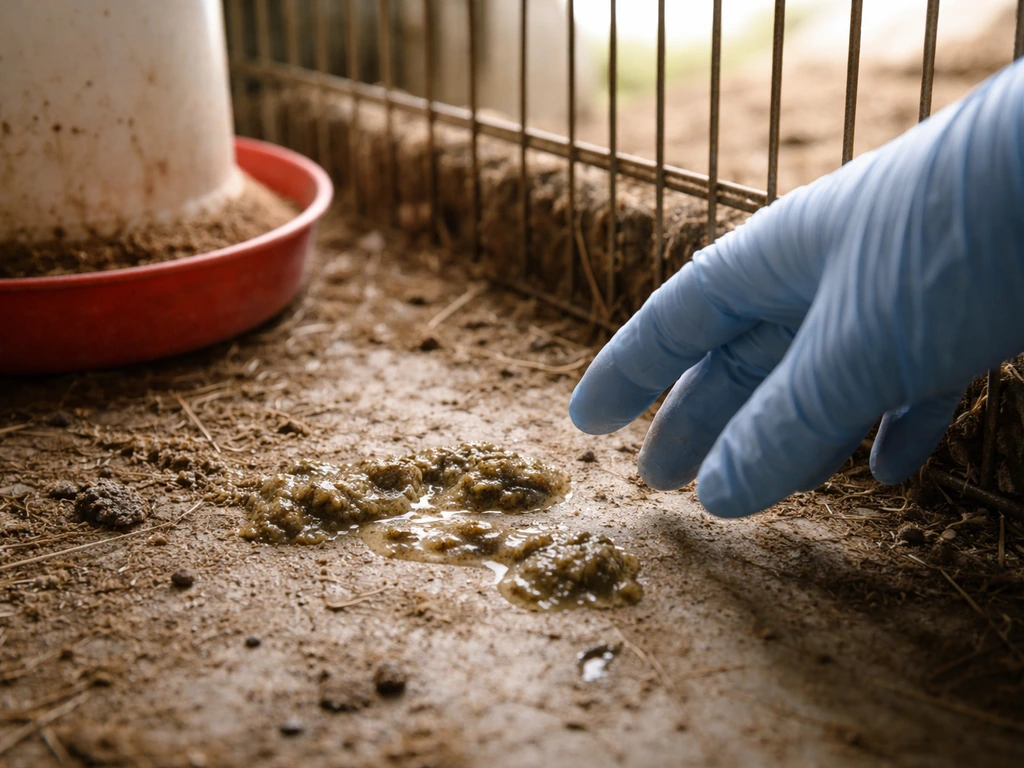
Infected birds shed the virus in their saliva, mucus, and droppings. You can get exposed by touching infected birds directly, handling contaminated surfaces (like cages, feeders, or equipment), or breathing in dust or droplets in environments where infected birds have been. The vast majority of human H5N1 cases globally have been linked to close contact with infected live or dead birds, or to contaminated environments like live bird markets. Person-to-person transmission remains very rare and has not led to sustained community spread.
Between animals, the picture is broader. Wild migratory birds act as a reservoir and long-distance carrier, introducing the virus to new regions as they travel seasonal routes. Domesticated poultry and, more recently, dairy cattle can pick up the virus through contact with infected wild birds or contaminated water sources. On farms, virus can spread between operations via movement of infected animals, and also through contaminated boots, vehicles, and equipment when biosecurity measures are not in place. Understanding this chain is what makes the agricultural side of this outbreak so important to track.
How risk looks in real life: who actually needs to worry
For most people going about daily life, the CDC's current risk assessment is low. Bird flu does not spread easily between people, and casual exposure, like seeing a dead bird in a park from a distance, does not create meaningful risk. The people who genuinely face elevated risk are those with close, direct, or prolonged contact with infected animals or heavily contaminated environments.
| Exposure scenario | Risk level | Key concern |
|---|---|---|
| General public, no animal contact | Low | No direct exposure pathway |
| Backyard poultry keeper with healthy flock | Low-moderate | Biosecurity gaps can allow virus introduction |
| Backyard keeper with sick or dying birds | High | Direct handling creates exposure risk |
| Poultry farm worker (routine care, processing) | High | Sustained, close contact with potentially infected animals |
| Live bird market worker (feeding, slaughtering, cleaning) | High | Multiple exposure routes simultaneously |
| Dairy farm worker during confirmed H5N1 outbreak on farm | High | Exposure via contaminated milk and surfaces |
| Wildlife researcher handling wild birds | Moderate-high | Depends on PPE use and bird health status |
| Traveler to outbreak region, no animal contact | Low | No direct exposure |
If you fall into one of the higher-risk categories, the guidance shifts meaningfully. The CDC recommends monitoring your health and continuing to check for symptoms for 10 days after your last known exposure. Symptoms to watch for include fever, cough, sore throat, shortness of breath, eye redness, and even mild flu-like upper respiratory symptoms. Don't dismiss mild symptoms if you had a confirmed exposure event.
When to get medical help and what happens next
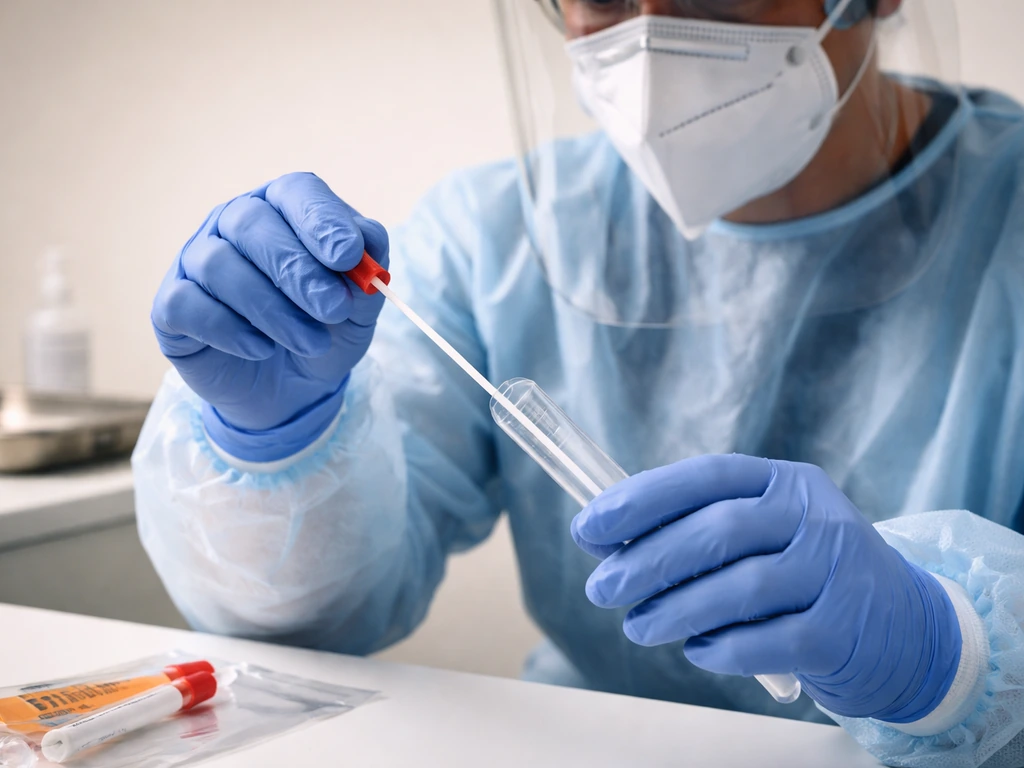
If you have had close contact with infected or suspected infected animals and develop any respiratory symptoms, conjunctivitis, or fever within 10 days of that exposure, contact a healthcare provider and tell them about the exposure before you go in. That context changes how they handle your visit. Call ahead so the clinic can prepare appropriate infection control measures rather than having you sit in a waiting room.
Clinicians assessing a potential bird flu case will collect specimens for RT-PCR testing, which can detect the specific subtype of influenza virus present. For confirmed, probable, or suspected H5N1 infection, the antiviral oseltamivir (commonly known by the brand name Tamiflu) is the recommended treatment, and it should be started as soon as possible, without waiting for test results if the exposure history and clinical picture are compelling. For people with known exposures who don't yet have symptoms, post-exposure prophylaxis (preventive antiviral medication) may also be considered, particularly for those with high-risk exposure profiles. The WHO's interim guidance applies this framework to novel zoonotic influenza including H5N1, H5N6, and H7N9 subtypes.
Healthcare workers who had prolonged, unprotected close contact with a symptomatic confirmed case may also qualify for follow-up monitoring and antiviral prophylaxis. The key phrase is unprotected: proper PPE use during care dramatically changes the risk calculation.
Practical prevention for households and farms
For households and backyard flock owners
- Avoid touching sick, injured, or dead birds with bare hands. Use gloves and, ideally, a mask.
- Don't let children handle birds that appear ill or are dying.
- Wash hands thoroughly with soap and water after any contact with birds, their droppings, or their living areas.
- After cleaning coops or handling poultry, change clothes and wash them before sitting in living areas of your home.
- Use an EPA-registered disinfectant with label claims against influenza A viruses when cleaning bird areas. For visible dirt, soap and water first, then disinfect.
- Avoid stirring up dust, waste, or feathers unnecessarily during cleaning, as this creates aerosol exposure risk.
- If your birds are showing signs of illness or unusual death rates, contact your state veterinarian or USDA APHIS immediately.
For farm workers and agricultural settings
- Wear full PPE when entering poultry or affected dairy areas: respirator (at minimum N95), eye protection, gloves, and dedicated boots and coveralls.
- Pay particular attention to PPE removal (doffing): the highest accidental self-contamination risk is touching your eyes, nose, or mouth while taking gloves off.
- Disinfect boots, equipment, and vehicles daily. Don't move equipment between affected and clean areas without decontamination.
- Restrict visitors and vehicle access during any confirmed or suspected outbreak on your property.
- Monitor your health for 10 days after any high-risk exposure. Keep a log if you had documented contact with infected animals.
- Report illness to your employer and public health authorities promptly, including mild symptoms like eye redness after exposure.
Food safety and the misinformation worth correcting
There is no evidence that anyone has ever gotten bird flu from eating properly cooked poultry or eggs. Both the WHO and the CDC are clear on this point. The virus is heat-sensitive, and cooking poultry to a safe internal temperature kills it. Egg dishes without meat or poultry should reach an internal temperature of 160 degrees Fahrenheit. Whole poultry should reach 165 degrees Fahrenheit. If you're cooking to those temperatures, the virus is not a concern in the food itself.
Where food handling does create risk is in raw or undercooked products. The CDC advises avoiding uncooked or undercooked poultry and eggs, and specifically warns against consuming raw milk or raw milk products from animals with confirmed or suspected avian influenza infection. Raw milk from infected dairy cows has been found to contain viable virus. This is a real, documented concern and one that warrants genuine caution.
On the misinformation side: bird flu is not spreading person to person in communities, eating chicken at a restaurant is not a risk, and a general outbreak in poultry flocks in another state does not mean your grocery store chicken is unsafe. When was the bird flu discovered? The first identification of H5N1 in humans traces back to the late 1990s, which marked the beginning of widespread concern about avian influenza infecting people. The risk is concentrated at the exposure end, not the consumption end of the food chain, as long as food is handled and cooked properly.
It's also worth briefly noting that bird flu has a longer history than the current outbreak. Questions about when it was first identified, when early human cases occurred, and how it compares to past influenza pandemics are all part of the context that helps put today's situation in perspective. If you are wondering when bird flu started, this historical timeline explains how the virus emerged and reached humans over time when it was first identified. The current HPAI H5N1 situation is serious and actively monitored, but it exists within decades of documented surveillance and response experience.
Your practical checklist for today
- Assess your real exposure: Did you have direct, close, or prolonged contact with sick or dead birds, poultry, or cattle in the last 10 days? If yes, you're in monitoring territory.
- Watch for symptoms: Fever, cough, sore throat, conjunctivitis, or breathing difficulty within 10 days of exposure means call your doctor, not wait.
- Tell your clinician about the exposure before your visit, so they can prepare appropriate testing and precautions.
- If you work with animals, review your PPE practices and biosecurity protocols now, not after an outbreak reaches your farm.
- Keep eating normally: properly cooked poultry and eggs are safe. Avoid raw milk from cattle in affected areas.
- Stay updated: follow CDC and your state health department for current outbreak locations and any changes to the risk assessment.
FAQ
How long after a possible exposure should I watch for symptoms?
If you briefly touched a surface that might have had bird droppings (for example, cleanup of outdoor debris) but you had no close contact with sick or dead animals and no time in enclosed dusty areas, your risk is usually low. Focus on practical hygiene, wash hands thoroughly, avoid touching your face, and monitor for fever or cough for 10 days after the event. Seek medical advice sooner if symptoms develop, especially if you also had eye redness or shortness of breath.
What exposure details matter most when talking to a doctor about bird flu?
Yes. For avian influenza workups, the clinician typically asks for a tight exposure timeline, including whether you handled birds, cleaned coops, visited live bird environments, worked around dairy cattle, or were in a contaminated setting. That information can justify testing and treatment even if symptoms look similar to other respiratory viruses, because symptom patterns overlap and bird flu is confirmed with RT-PCR.
If my flu test is positive, does that mean it is bird flu?
A positive result on an influenza test panel does not automatically mean bird flu. Many rapid and flu panels identify influenza A, but they do not reliably determine the specific subtype. Confirmation of H5N1 generally requires RT-PCR testing on respiratory specimens to determine the subtype, so ask what test was done and whether subtype confirmation is pending.
If I might have bird flu symptoms, how quickly do I need to get care?
You should not wait at home if you have both (1) symptoms consistent with respiratory illness or conjunctivitis and (2) a recent confirmed exposure to infected or suspected animals or heavily contaminated environments. Even though many illnesses are not bird flu, the guidance emphasizes quick action because antivirals work best when started early.
Can I take antivirals right away even if I feel fine?
If you were exposed but are not sick, do not start leftover antivirals or someone else’s medication. Post-exposure prophylaxis is individualized based on exposure type, duration, and whether protective measures were used. The decision is usually made by public health or your clinician, and it depends on how high-risk the exposure was.
What if I was around someone who might have bird flu, not birds?
If you had contact with a symptomatic person who may have bird flu, your concern depends on whether that contact was close, prolonged, and unprotected. Routine casual contact with a person who is ill is not treated the same as direct caregiving without proper PPE. If you think your contact was high-risk, call the clinic or public health for guidance on monitoring and whether testing or prophylaxis is appropriate.
Is there any risk from eating chicken, eggs, or restaurant food?
No meaningful risk is expected from eating fully cooked poultry or eggs when they reach the recommended safe internal temperatures, and standard restaurant handling is not the concern. The risk is exposure to infected animals, contaminated environments, and raw or undercooked animal products, especially raw milk from infected dairy cows.
What should backyard poultry owners do differently if bird flu is circulating nearby?
For people who keep backyard poultry, the main “do not get complacent” step is biosecurity during outbreaks nearby: limit contact with wild birds, manage feed and water to keep them covered, use separate clothing and footwear for poultry tasks, and disinfect equipment after contact with flocks or litter. If birds die or become ill, avoid handling with bare hands and contact local agricultural authorities or a veterinarian for instructions.
I found a dead wild bird. What is the safest way to handle it and what should I watch for afterward?
If you find a dead wild bird, do not handle it bare-handed. Avoid sweeping or blowing debris (which can aerosolize dust). Use gloves, double bag the carcass, and follow local reporting and disposal guidance. Afterward, wash hands and monitor for symptoms for 10 days if you had substantial direct handling or got into a dusty area.
Does bird flu always start with cough, or can it begin with eye symptoms?
If you have eye symptoms after exposure (like red, watery eyes) plus fever or cough, treat it as part of the possible bird flu picture. Eye involvement is specifically noted in cases, and clinicians may recommend testing and early treatment when exposure history fits, even if respiratory symptoms are mild at first.
Next Article
When Was Bird Flu Discovered First in Birds and Humans
Timeline of first avian flu detection in birds and first human cases, with who discovered it and where.