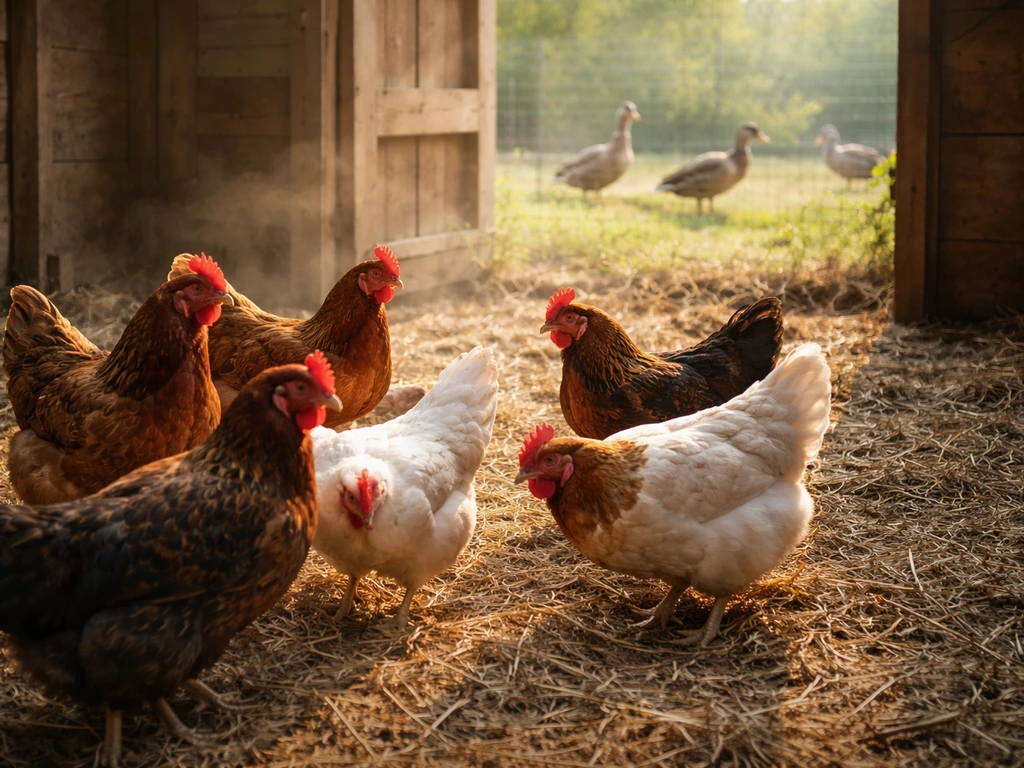
Bird flu is caused by avian influenza Type A viruses, a specific family of influenza viruses that naturally circulate in wild birds and can spill over into domestic poultry and, far less commonly, into humans. These are not the same as the seasonal flu viruses you get vaccinated against every autumn. They are a distinct group of Influenza A viruses, and the ones that matter most for human health are subtypes like H5N1, H5N6, H7N9, and a handful of others. The most commonly cited pathogen behind severe human bird flu cases is influenza A, especially strains like H5N1 what pathogen causes bird flu.
Which Virus Causes Bird Flu? Avian Influenza Explained

Sarah Chen
16 Jun 2026
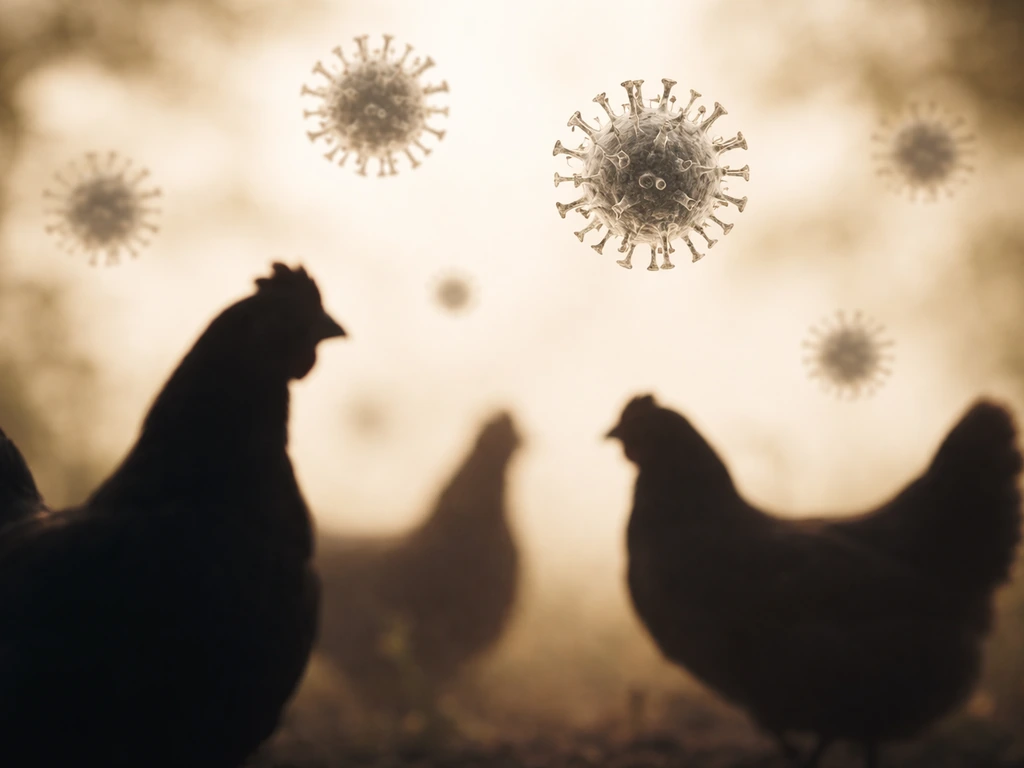
The virus behind bird flu, explained
The CDC defines avian (bird) flu as disease caused by infection with avian influenza Type A viruses. The 'Type A' part is important: influenza viruses come in Types A, B, C, and D, but only Type A viruses cause avian influenza outbreaks and are the ones capable of crossing into humans.
The CDC defines “avian (bird) flu” as the disease caused by infection with avian (bird) influenza Type A viruses (Influenza A viruses) avian (bird) flu" as the disease caused by infection with avian (bird) influenza Type A viruses.
What makes influenza A viruses tick is a pair of proteins on their outer surface: hemagglutinin (HA, shortened to 'H') and neuraminidase (NA, shortened to 'N'). Scientists name subtypes by combining these two proteins, so a virus with the 7th hemagglutinin type and the 9th neuraminidase type gets called A(H7N9).
There are 18 known H subtypes and 11 known N subtypes, which means there are many possible combinations, though only a handful have ever caused serious problems in birds or people.
The WHO is clear that this is a zoonotic virus, meaning it primarily lives in animals (birds, in this case) but occasionally jumps to mammals including humans. Wild waterfowl, especially ducks and geese, are the natural reservoir. They often carry the virus without getting sick, which is part of why it spreads so quietly through migratory bird populations before farmers or public health officials even notice.
How avian influenza causes disease differently in birds and humans
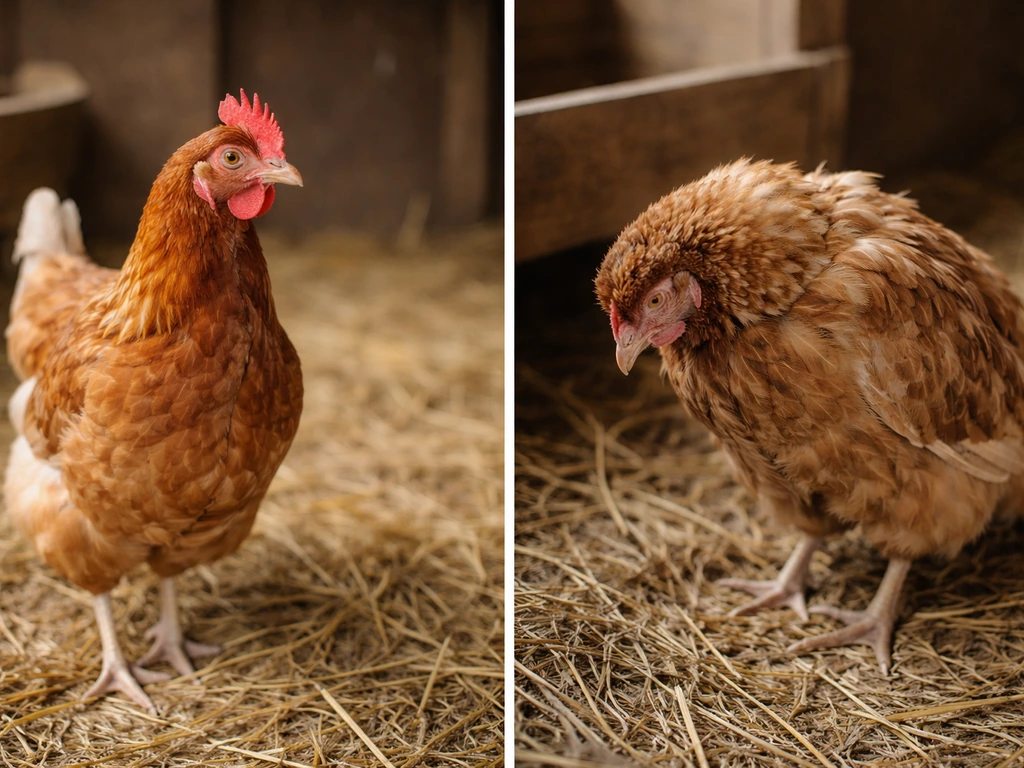
The way avian influenza behaves depends on two things: the specific subtype of the virus and the species it infects. In birds, pathologists and vets classify avian influenza strains into two broad categories based on how deadly they are to poultry.
What happens in birds: LPAI vs. HPAI
Low pathogenicity avian influenza (LPAI) strains cause little to no visible illness in most birds. The reason, biologically, is that the LPAI hemagglutinin protein can only attach to and replicate in a limited range of cell types, mostly those lining the respiratory and intestinal tracts. That restriction keeps the infection contained and relatively mild. Highly pathogenic avian influenza (HPAI), on the other hand, can spread throughout a bird's body and replicate in multiple organ systems, which is why HPAI can kill domestic poultry rapidly, sometimes causing sudden death with almost no warning signs at all.
It is worth noting that the 'high pathogenicity' label specifically refers to how dangerous the virus is to poultry, not necessarily to wild birds or humans. Some wild bird species infected with HPAI strains like H5N1 show no signs of illness at all, even while shedding enough virus to infect an entire domestic flock.
What happens when avian influenza infects humans
Human infection is rare but possible when someone has close contact with infected birds or contaminated environments. When it does happen, the disease can look very different from case to case. The WHO describes a range from mild flu-like illness or eye inflammation (conjunctivitis) all the way to severe acute respiratory disease and death. In the United States, many of the recent H5 human cases have been relatively mild, with symptoms like eye redness, cough, sore throat, and low-grade fever. But severe presentations do occur, including pneumonia and significant difficulty breathing, so the mild end of the spectrum is not a reason to dismiss any potential exposure.
Why 'bird flu' isn't just one virus: the H5, H7, and other subtypes
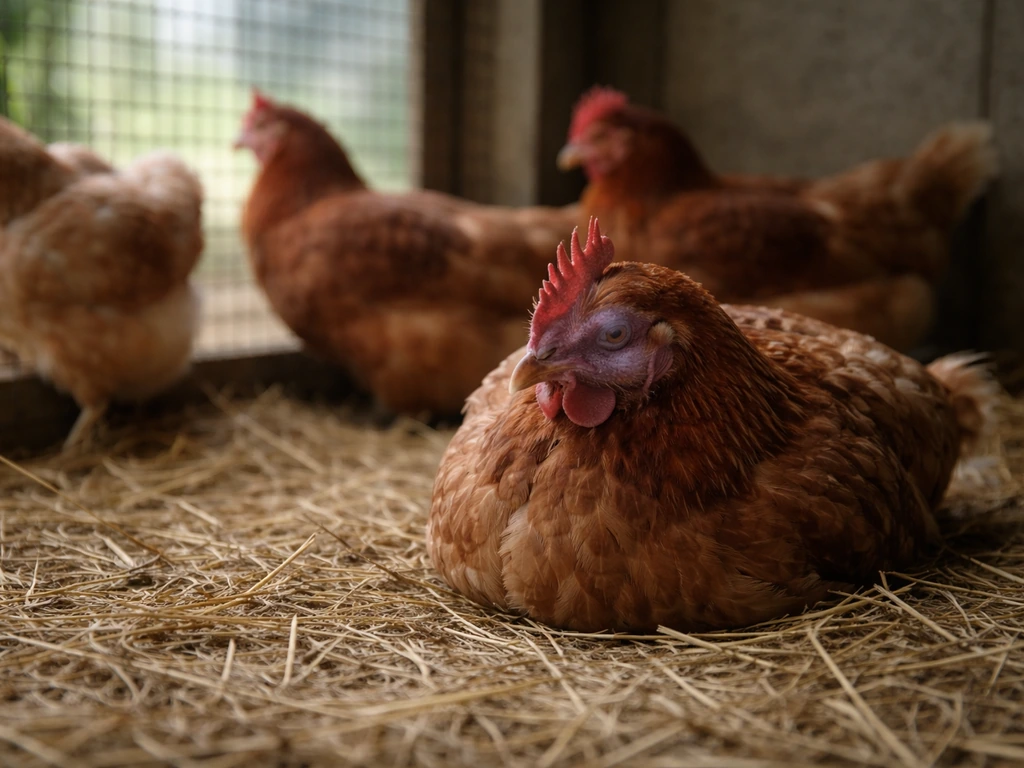
When people say 'bird flu,' they are usually lumping together a whole family of related but distinct influenza A viruses. The causative agent of bird flu is specific influenza A viruses, especially avian subtypes like H5N1. The most prominent ones are in the H5 and H7 families, and within those, specific subtypes are the real concern. According to the CDC, highly pathogenic Asian A(H5N1) and low pathogenic Asian A(H7N9) viruses account for the majority of human infections with avian influenza A viruses. Several other subtypes, including H5N6, H6, H9, and H10, have also infected people, though much less frequently.
| Subtype | Pathogenicity in Poultry | Notable for Human Infections | First Detected in Humans |
|---|---|---|---|
| A(H5N1) | High (HPAI) | Yes, most cases globally; WHO's top concern | 1997 (Hong Kong) |
| A(H7N9) | Low in birds (LPAI) | Yes, significant human cases | 2013 (China) |
| A(H5N6) | High (HPAI) | Yes, sporadic human cases | 2014 (China) |
| A(H9N2) | Low (LPAI) | Yes, occasional mild human cases | 1998 |
| A(H10N3) | Low (LPAI) | Yes, very rare | 2021 (China) |
The takeaway here is practical: different outbreaks involve different viruses, and the risk profile, geographic spread, and clinical severity vary by subtype. That is why public health agencies track which specific strain is driving an outbreak rather than treating all bird flu as a single threat. If you hear about a new bird flu case, checking which subtype is involved tells you a lot about the likely risk level.
How bird flu actually spreads
Understanding transmission is key to reducing risk, whether you are a backyard chicken keeper, a commercial farmer, or someone who visited a live bird market on a recent trip abroad.
Spread within and between bird populations
Infected birds shed avian influenza virus in their saliva, mucous, and feces. Other birds pick it up through direct contact with infected individuals or by coming into contact with contaminated surfaces, water, feed, or equipment. In chickens, bird flu happens when avian influenza A viruses enter the flock and spread through contact with infected birds, contaminated surfaces, or contaminated feed and water. In a commercial poultry setting, this can move through a flock with alarming speed, which is why biosecurity protocols are so strict in professional operations.
How humans get infected
The primary risk factor for human infection is direct or close unprotected contact with infected birds (live or dead) or environments heavily contaminated with their saliva, mucous, or droppings. Human bird flu is caused by infection with avian influenza viruses, typically after close contact with infected birds or contaminated environments. The WHO identifies live bird markets as a particularly high-risk setting for H5 strains. Infection can also happen indirectly: touching contaminated surfaces and then touching your eyes, nose, or mouth is a documented transmission route. This is why hand hygiene is not just a formality but a genuine infection control measure in these settings.
Crucially, sustained human-to-human transmission of current avian influenza strains is rare. Most cases are isolated individuals with clear animal exposure. This is one of the key reasons current strains have not caused a pandemic, though public health agencies monitor this closely because that could change if a virus mutates.
Symptoms in birds and humans: what to watch for
Signs of HPAI in poultry
If you keep chickens, ducks, or other poultry, knowing what HPAI looks like can help you act fast. The CDC lists the following warning signs in birds with HPAI:
- Sudden, unexplained death in the flock
- Lack of energy, appetite, or coordination
- Purple discoloration or swelling of the head, eyelids, comb, wattles, or hocks
- Diarrhea
- Nasal discharge, coughing, or sneezing
- Reduced egg production or eggs that are soft-shelled or misshapen
With LPAI, signs are milder and sometimes absent entirely, making it harder to detect without testing. Either way, if you notice anything unusual in your flock, especially sudden deaths, contact your state veterinarian or the USDA APHIS emergency hotline rather than waiting to see if things improve on their own.
Symptoms in people, and when to get care fast
Human symptoms of avian influenza infection can look a lot like ordinary seasonal flu at first, which is why recent exposure history matters so much. Mild cases may involve conjunctivitis (red, irritated eyes), sore throat, cough, and low-grade fever. Severe cases can progress to pneumonia, significant shortness of breath, and acute respiratory distress.
Seek medical care immediately if you have had recent exposure to birds or a contaminated environment and you develop any of the following: fever with cough or difficulty breathing, red or irritated eyes, or other unexplained symptoms. Tell the healthcare provider about your exposure upfront, because this directly changes how they will test and treat you. In the U. S.
, clinicians who suspect novel influenza A infection should notify their state health department, which coordinates with the CDC for confirmatory testing. If positive RT-PCR results for suspected severe novel influenza A viruses are obtained at a U. S. laboratory, CDC guidance says to ship those results for confirmation to CDC (Influenza Division) or a designated WHO reference laboratory [ship positive RT-PCR results for confirmation to CDC or a designated WHO reference laboratory](https://archive.
cdc. gov/wwwcdcgov/flu/avianflu/h7n9/specimen-collection. htm). Do not wait to see if symptoms resolve on their own if your exposure was significant.
Practical prevention for households and farms
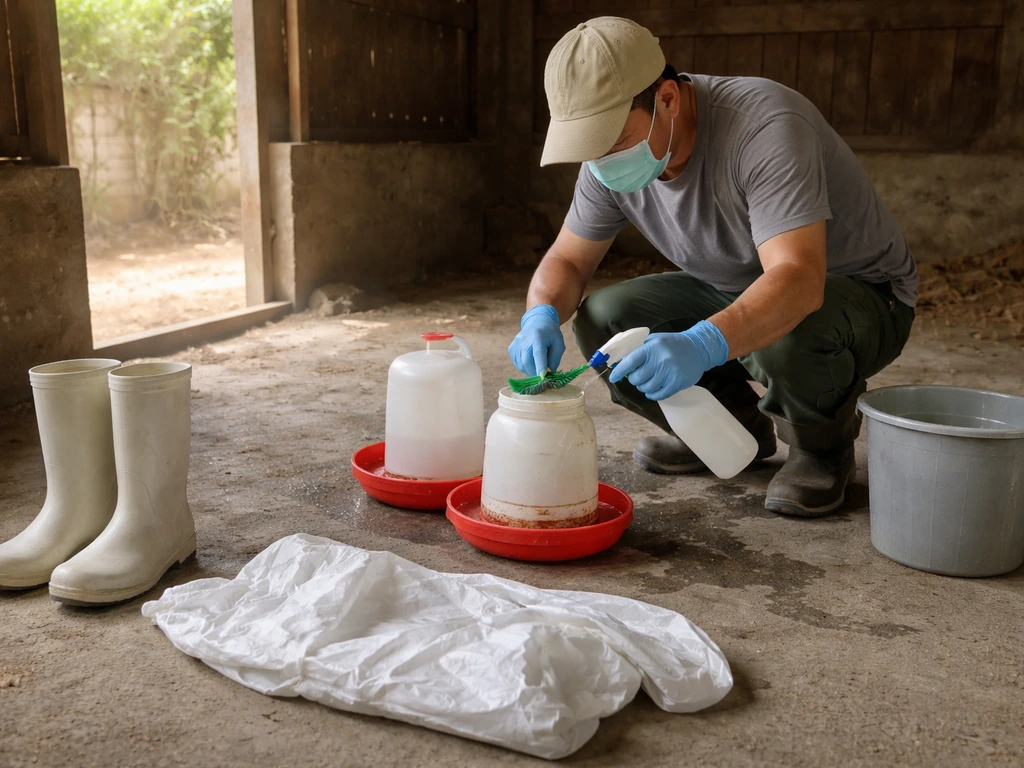
If you keep backyard or commercial poultry
Biosecurity is your first and best line of defense. That means limiting access to your flock, keeping wild birds away from feed and water sources, cleaning and disinfecting equipment regularly, and not sharing tools between flocks. If you visit other poultry operations, change clothes and footwear before returning to your own birds. Report any unexplained illness or deaths in your flock to your state vet promptly. blank" rel="noopener noreferrer">WOAH recommends improved hygiene and biosecurity measures specifically to reduce viral contamination in the farm environment, and this guidance applies to backyard flocks just as much as large commercial operations.
Personal protection when handling birds or working in risk environments
- Avoid direct contact with sick or dead wild birds or poultry. If you must handle them, use gloves and a mask as a minimum.
- Wear appropriate PPE (gloves, eye protection, N95 respirator or better) when working closely with potentially infected birds or contaminated materials.
- Wash hands thoroughly with soap and water after any contact with birds, bird droppings, or contaminated surfaces, and before touching your face, eating, or drinking.
- Remove and bag PPE carefully before leaving the exposure area to avoid spreading contamination.
- Avoid visiting live bird markets if possible, especially during active outbreak periods in that region.
Vaccines: what is currently available
A standard seasonal flu vaccine will not protect you against H5N1 or other avian influenza strains. However, getting your seasonal flu shot still makes sense, because it reduces the chance that you will be infected with both a seasonal flu virus and an avian flu virus at the same time, a scenario that creates conditions where the viruses could potentially exchange genetic material. Specific candidate vaccines for H5N1 exist and are held in national stockpiles in some countries, but as of mid-2026 there is no routine public vaccination program for avian influenza in most countries. If you work in an occupation with ongoing, significant exposure (farm workers, poultry industry workers, wildlife veterinarians), talk to your occupational health provider about whether a pre-exposure antiviral or candidate vaccine protocol applies to your situation.
Food safety basics
Properly cooked poultry and eggs are safe to eat. Avian influenza viruses are killed by standard cooking temperatures, so a fully cooked chicken or a well-done egg poses no risk. The concern is raw handling, particularly in environments with known infected birds. Wash hands and surfaces thoroughly after handling raw poultry, and avoid cross-contamination with other foods. Avoid consuming raw or undercooked poultry products, particularly in areas experiencing active outbreaks.
FAQ
Is there one specific virus that causes bird flu, or are there multiple?
No. “Bird flu” is caused by avian influenza Type A viruses, not by a single virus. Different outbreaks involve different subtypes, most notably H5 and H7 families (for example A(H5N1) or A(H7N9)), and the subtype is what drives the risk and severity profile rather than the general label.
Does a regular flu shot protect against bird flu viruses like H5N1?
Seasonal flu vaccines target Influenza A strains only when they match the current seasonal “H” and “N” components. They do not reliably protect against avian H5 or H7 viruses, so you should not assume protection against bird flu after a routine flu shot.
If chickens look healthy, can they still have highly pathogenic avian influenza (HPAI)?
Watching for “high pathogenicity” signs in birds helps, but it is not a reliable detection method. Some wild birds can carry HPAI viruses while appearing healthy, and LPAI can show few or no symptoms, so lab testing is what confirms infection in both birds and humans.
What kind of contact puts a person at risk for human bird flu?
Human infections are primarily linked to close, unprotected exposure to infected birds or heavily contaminated environments. Avoid assuming that casual contact is safe, because transmission can occur after touching contaminated surfaces and then touching eyes, nose, or mouth, even without direct handling of birds.
How can bird flu symptoms differ from regular seasonal flu?
Not necessarily. Human illness can range from mild flu-like symptoms or conjunctivitis to severe pneumonia and respiratory failure. Because the presentation is variable, exposure history matters for deciding whether clinicians should test for influenza A beyond routine seasonal workups.
Why is a pandemic not happening now if bird flu can infect people?
Human-to-human spread of current avian influenza strains is considered rare, but risk can change if a virus acquires mutations that improve adaptation to humans. That is why public health monitoring focuses on clusters, unusual transmission patterns, and ongoing genetic surveillance.
Why does the subtype number (like H5N1 versus H5N6) matter?
Subtype matters for risk assessment. For example, agencies often focus on particular H5 and H7 viruses because they have been most associated with notable human infections, so hearing a headline without the specific subtype can hide important details about what is actually circulating.
Are eggs or chicken risky if there is an outbreak in my area?
Cooking is the last step where risk drops, but safe food handling is still important. The virus is killed by proper cooking temperatures, yet contamination risk can occur during raw handling through juices contacting hands, counters, or other foods, so thorough handwashing and preventing cross-contamination are key.
Why can’t I just look for “Type A influenza” when I hear about bird flu?
Yes, the same “Type A” category includes many subtypes, but only certain avian subtypes have been responsible for human cases. If you are researching an outbreak, prioritize which H and N subtype is reported, since it is the specific influenza A virus that determines whether it has been seen in people.
Next Article
What Causes Bird Flu in Chickens and How It Spreads
Causes of bird flu in chickens, how avian influenza spreads in flocks, and what to check to reduce outbreak risk.