
Yes, bird flu is actively circulating right now. Whether California is in a state of emergency for bird flu can change as detections and risk levels evolve, so check official updates for the latest guidance. As of mid-2026, highly pathogenic avian influenza (HPAI) H5N1 continues to affect wild birds, commercial poultry flocks, and some mammals across multiple continents. Human cases have been reported, primarily among people with direct exposure to infected animals. The CDC, USDA APHIS, and international health bodies are actively tracking it. That said, the risk to the general public remains low. If you haven't been handling sick or dead birds or working around infected livestock, your personal risk today is minimal.
Is There Bird Flu Now? How It Spreads, Risks, and Safety

Sarah Chen
14 Jun 2026
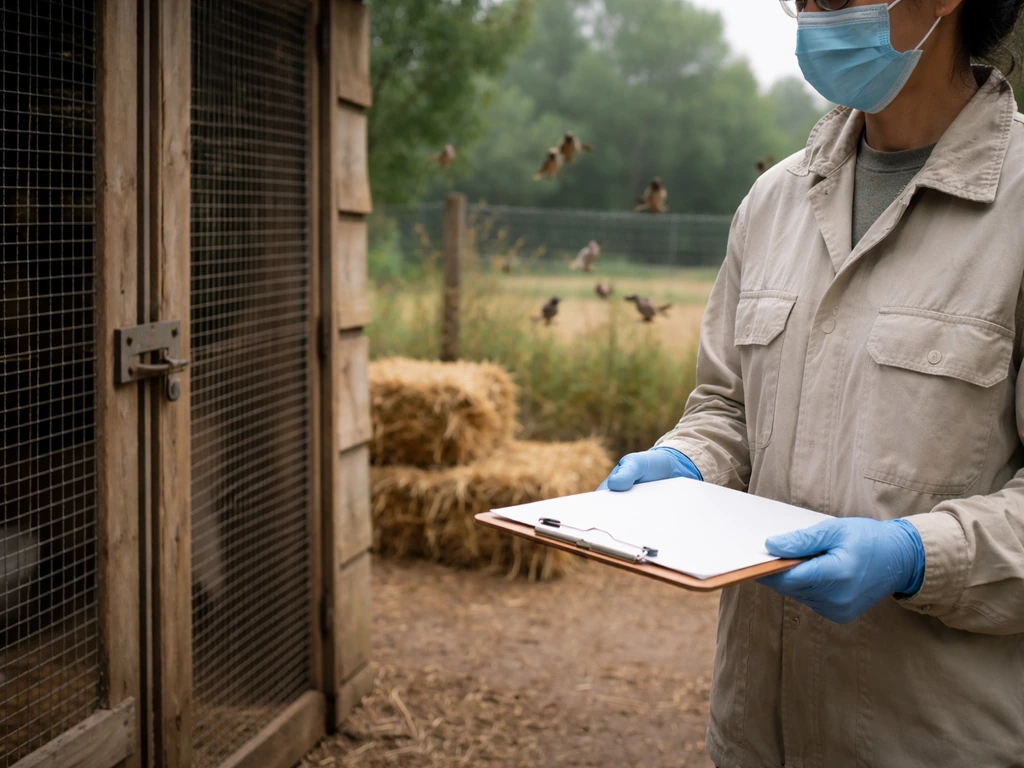
What 'bird flu' actually means right now
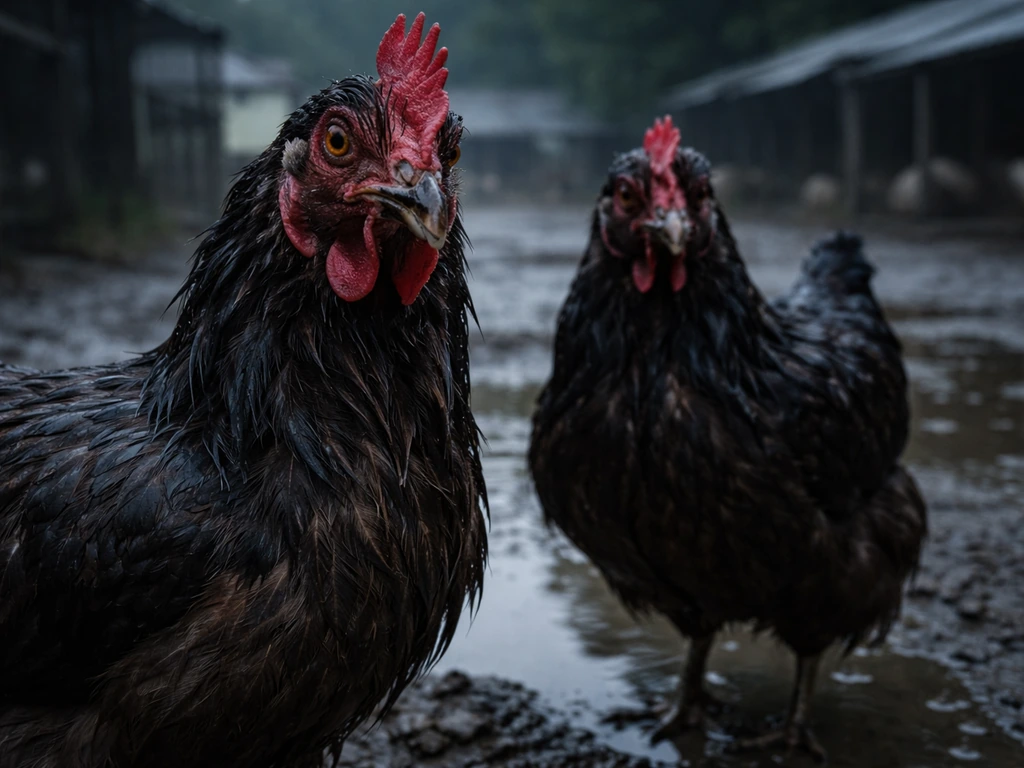
Bird flu is a catch-all term for avian influenza viruses, but when people ask 'is there bird flu,' they're almost always referring to H5N1, the highly pathogenic strain that has been spreading globally since at least 2021. HPAI (highly pathogenic avian influenza) is the serious form: it spreads fast among birds, causes high mortality in poultry flocks, and occasionally jumps to mammals and people. There's also LPAI (low pathogenicity avian influenza), which causes milder disease in birds and rarely makes headlines.
H5N1 is not the same as seasonal flu. It doesn't spread the way seasonal influenza does, meaning it doesn't pass easily from person to person. This is a critical distinction. The ongoing H5N1 situation is not a human flu pandemic. It's an animal disease outbreak with occasional human spillover cases tied to direct animal exposure. A joint FAO/WHO/WOAH public health assessment published in May 2026 reviewed poultry detections and human cases through early 2026 and confirmed that sustained human-to-human transmission has not been documented.
If you're seeing headlines about bird flu in specific states or countries and wondering whether it applies to you, location matters a lot. To find out if bird flu is in Arizona right now, start by checking the most recent CDC and USDA APHIS updates for your state is bird flu in arizona. Bird flu activity varies significantly by region. Outbreaks have been confirmed in places like California and Mexico, while other areas report low or no current detections. Checking what's happening in your specific area, rather than reacting to global headlines, gives you the most accurate picture of your personal risk.
How bird flu spreads: birds to birds, and birds to people
Among birds, HPAI spreads extremely efficiently. Wild migratory birds, especially waterfowl, carry the virus and introduce it to commercial and backyard flocks through contaminated droppings, feathers, and respiratory secretions. A single infected bird can spread the virus through shared water, feed, equipment, and even the boots or clothing of farm workers moving between areas. This is why biosecurity on poultry farms is so tightly controlled during outbreaks.
For humans, the transmission story is different. The CDC describes the main infection pathways clearly: people typically get exposed by touching infected birds (alive, sick, or dead), handling contaminated materials like bedding or equipment, or by getting splashed with contaminated fluids, including raw milk from infected cattle. The virus can then enter through your eyes, nose, or mouth if you touch your face with contaminated hands or gloves. Airborne dust or droplets in heavily contaminated environments are also a route. What the virus does not do well, at least so far, is move from one person to another.
What bird flu looks like: in birds and in people
Signs in poultry and wild birds
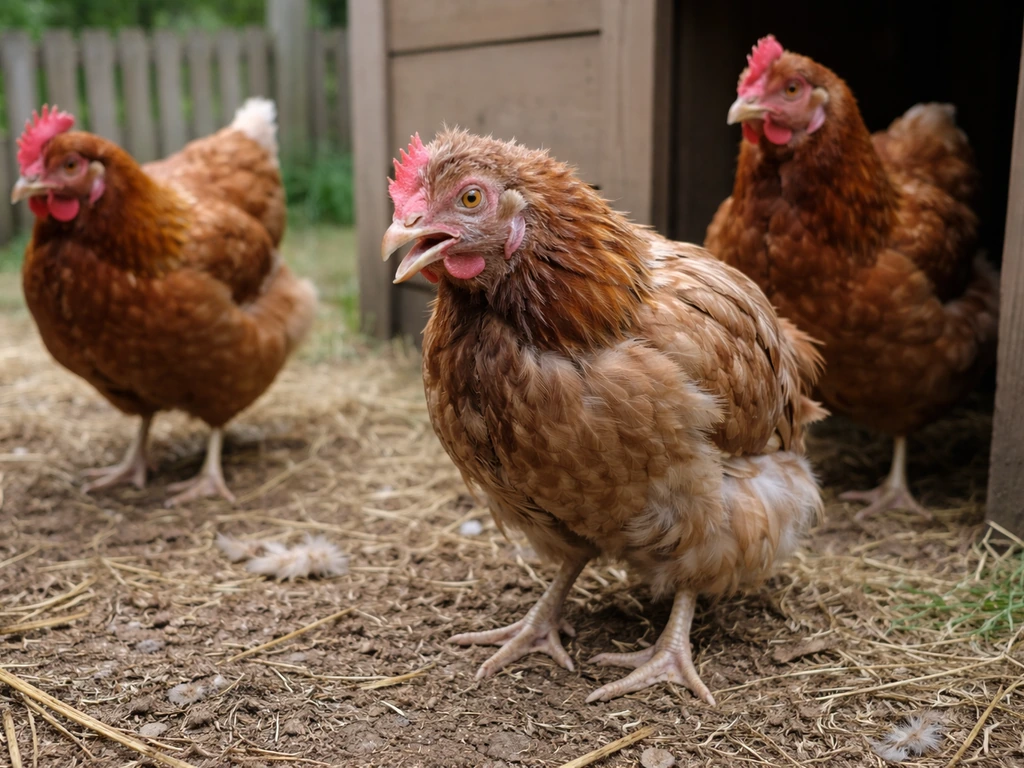
- Sudden death with little or no warning signs
- Severe drop in egg production
- Respiratory distress: coughing, sneezing, nasal discharge
- Neurological signs: loss of coordination, tremors, twisted necks
- Swelling of the head, neck, and eyes
- Cyanosis (bluish-purple discoloration) of the comb and wattles
- Lethargy, loss of appetite, and diarrhea
If you keep backyard chickens and see multiple birds dying rapidly or exhibiting neurological symptoms, treat it as urgent. Contact your state veterinarian or state animal health official immediately. The U.S. Fish and Wildlife Service advises reporting wild bird die-offs to your state wildlife management agency right away so they can be tested.
Signs in people
Human H5N1 symptoms tend to start 2 to 7 days after exposure, with about 3 days being typical. Eye symptoms, specifically redness and irritation (conjunctivitis), can appear as early as 1 to 2 days after exposure and are often the first sign. After that, people typically develop fever, cough, sore throat, and muscle aches, similar to severe seasonal flu. More serious cases progress to pneumonia and respiratory distress. The eye symptom is worth noting because it's a useful early signal that distinguishes bird flu from a typical cold.
| Symptom | Bird flu in people | Seasonal flu |
|---|---|---|
| Eye redness/conjunctivitis | Common, often early sign | Rare |
| Fever | Yes, often high | Yes |
| Respiratory symptoms | Yes, can be severe/pneumonia | Yes, usually milder |
| Muscle aches | Yes | Yes |
| Onset after exposure | 2-7 days (avg ~3) | 1-4 days |
| Person-to-person spread | Not documented for current H5N1 | Easily spreads between people |
How worried should you actually be?
The CDC's current position is that H5N1 bird flu poses a low risk to the general public. That assessment is based on the evidence so far: human cases have almost exclusively occurred in people with direct, close contact with infected animals. Farm workers, poultry processing workers, people who handle backyard flocks, and those who have been around infected dairy cattle are the groups at meaningful risk. If your daily life doesn't involve those activities, the odds of you personally contracting H5N1 right now are extremely low.
That doesn't mean zero risk, and it doesn't mean the situation can't change. Surveillance is ongoing precisely because virologists watch for mutations that could increase human transmissibility. WOAH's global situation reports and the PAHO/WHO epidemiological updates for the Americas (the most recent published in March 2026) exist to catch those changes early. The monitoring system is working as intended, which is actually reassuring context worth holding onto when you're reading alarming headlines.
People who are immunocompromised, elderly, or who work in high-exposure environments deserve to pay closer attention and should talk to their healthcare providers about protective measures. But for the average person in a low-activity area who doesn't work with birds or livestock, panic is not warranted. Awareness and sensible precautions are.
Eggs, chicken, and food safety: what's actually safe
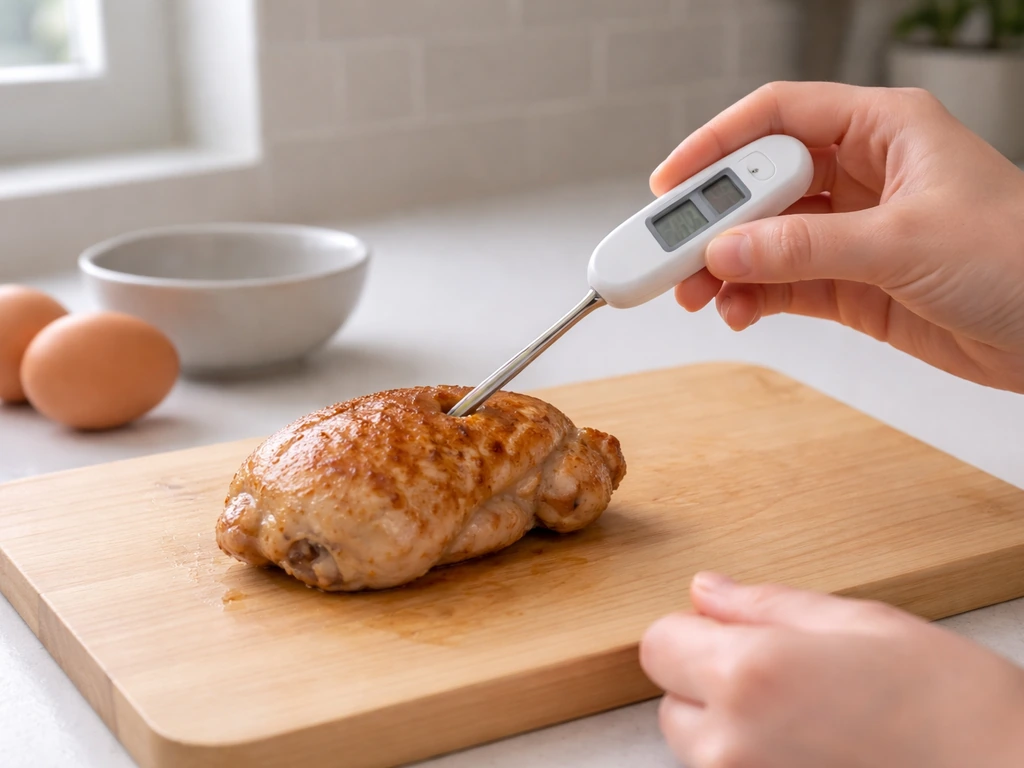
Cooked poultry and eggs from commercial sources are safe to eat. The USDA, CDC, and FDA all confirm that cooking poultry and eggs to an internal temperature of 165°F (74°C) kills avian influenza viruses. That temperature is the same safe-cooking target you should already be using. A food thermometer takes the guesswork out of it entirely.
The main food-handling cautions are about cross-contamination during preparation, not about the food itself once properly cooked. Raw poultry can carry viruses and bacteria on its surface, so keep it separate from ready-to-eat foods, wash your hands and surfaces thoroughly after handling raw meat, and don't rinse raw poultry in the sink (it spreads contamination). The FDA has specifically highlighted these standard food-safety practices as the right response during HPAI outbreaks.
A few specific situations worth knowing: avoid handling or consuming raw milk, especially from farms with known or suspected H5N1 activity in dairy cattle, since the CDC identifies raw milk splashes and contact as a direct infection route. Wild game birds harvested in areas with active detections warrant extra care: use gloves when field-dressing, avoid handling visibly sick birds, and cook thoroughly. Commercial eggs from grocery stores go through inspection and pasteurization processes that add safety margins, but cooking them is still the surest protection.
What to do right now: your practical next steps
Check current outbreak status in your area
Don't rely on social media or general news headlines for your risk assessment. Go directly to the authoritative sources. USDA APHIS maintains a live detection page for HPAI in commercial flocks, backyard flocks, and wild birds, updated as new cases are confirmed, with dates and subtypes listed. CDC has a current H5 bird flu situation summary page that covers both animal and human cases. blank" rel="noopener noreferrer">WOAH's WAHIS database provides an interactive global map of reported events. For the Americas specifically, PAHO/WHO publishes epidemiological updates you can download. Knowing whether your county or region has active detections is far more useful than a general national headline. For California specifically, check the latest USDA APHIS detections and the CDC situation updates rather than relying on headlines. You can also look up whether there are recent reports for your specific ZIP code or county so you have the most up-to-date answer to is there bird flu in my area.
If you've been exposed to birds or infected animals
- Monitor yourself for illness for 10 full days after your last exposure. This is the CDC's recommended monitoring window.
- Watch specifically for fever, respiratory symptoms, and eye redness or irritation starting within 1 to 7 days of exposure.
- If symptoms develop, contact a healthcare provider immediately and tell them about your bird or animal exposure before you arrive at the office or clinic, so they can take appropriate precautions.
- Your provider may collect nasal, throat, and eye swabs for H5N1 testing. Testing is coordinated through health departments, and antiviral medications (the same antivirals used for seasonal flu) may be prescribed for treatment.
- If you work on a farm or poultry facility, notify your employer and follow your facility's occupational health protocols.
If you keep backyard poultry or found a dead wild bird
Don't handle dead wild birds with bare hands. Use gloves or a bag inverted over your hand, and report the find to your state wildlife agency so it can be tested. If you have backyard chickens showing signs of illness or sudden death, contact your state's department of agriculture or a veterinarian right away. USDA APHIS has a reporting hotline at 1-866-536-7593. Acting quickly matters because early detection limits spread and, in a confirmed outbreak, may qualify you for federal indemnity programs.
Vaccines and antivirals: where things stand
There is no H5N1 vaccine currently available to the general public. Candidate vaccines exist and are being stockpiled by governments, but routine vaccination against bird flu for the average person isn't happening yet. Antivirals like oseltamivir (Tamiflu) are effective for treatment if started early, and health departments can authorize testing and antiviral prescription for people with confirmed exposure. This is another reason to contact a provider quickly if you've been exposed and develop symptoms.
Reliable sources to bookmark
- CDC bird flu current situation: cdc.gov (search 'H5 bird flu current situation')
- USDA APHIS HPAI detections in flocks and wild birds: aphis.usda.gov
- WOAH WAHIS global animal health map: wahis.woah.org
- PAHO/WHO epidemiological updates for the Americas: paho.org
- Your state department of agriculture for local flock detections
- Your state wildlife management agency for wild bird die-offs
The bottom line: bird flu is real, it's active globally, and surveillance systems are tracking it closely. For most people, the practical response is staying informed through reliable sources, following basic food-safety practices, and knowing what symptoms to watch for if you've had direct animal exposure. If you're in a higher-risk group, such as a poultry or dairy worker, or if you've recently been around sick birds, the steps above give you a clear action path. The situation is being monitored seriously and scientifically, which is exactly what should be happening.
FAQ
If the news says bird flu is in my state, does that automatically mean I should worry about getting it?
In the U.S., “bird flu” headlines are usually about H5N1, but not every detection means humans will get sick. Human infections have mainly happened after close, direct contact with infected birds or infected dairy cattle, so your personal risk depends much more on exposure than on how many news articles you see.
What should I do if I accidentally touched a sick or dead bird?
If you touch a wild bird (alive or dead), wash hands right away with soap and water, avoid touching your face afterward, and monitor your health for symptoms starting a few days later (eye irritation can be an early sign). Contact your healthcare provider if you develop fever, cough, or red, irritated eyes after that exposure.
Should I wear a mask if there is bird flu in my area?
For the general public, there is no practical benefit to masking just because of local bird flu headlines if you are not in a high-exposure job or doing cleanup in a heavily contaminated environment. Mask use becomes relevant mainly for people doing poultry work, cleaning areas with large amounts of bird droppings, or managing sick or dead animals.
How quickly do I need to seek care if I think I was exposed to bird flu?
If you get symptoms after exposure, don’t wait for it to “run its course.” Call a clinician promptly and mention the specific exposure (for example, handling sick birds, contact with raw milk, or being around infected poultry). Early antiviral treatment is time sensitive when it’s indicated.
What symptom pattern is most concerning after exposure, and how is it different from a regular cold?
It’s very different from seasonal flu in how it spreads, and that changes what you should look for. The key warning signs after animal exposure are conjunctivitis (eye redness and irritation), then fever, cough or sore throat, and sometimes shortness of breath, especially if symptoms follow close contact within a week.
My backyard chickens seem sick. When is it urgent versus something I can monitor for a day?
If you keep backyard birds and see one or two birds acting off, the next step is still to isolate and contact a veterinarian or state animal health authority, but the highest urgency is sudden die-offs, multiple birds becoming ill rapidly, or neurological signs. Avoid moving birds around the yard or bringing equipment to other flocks while you wait for guidance.
If someone got sick after eating eggs or poultry, could it be bird flu?
Bird flu is not treated like a routine food-borne illness. If you cooked poultry or eggs thoroughly, the remaining risk is mostly about preparation hygiene (cross-contamination). If someone has illness after eating food, it’s more productive to focus on general food-safety causes, but tell clinicians about any relevant animal or raw milk exposures.
What is the biggest mistake people make when cooking poultry during a bird flu outbreak?
Do not wash poultry in the sink, and do not rinse raw meat under running water, because that spreads droplets and contamination. Instead, handle raw items carefully, keep them away from ready-to-eat foods, clean and disinfect surfaces, and use a thermometer to confirm doneness.
Is there an H5N1 vaccine I can get if I’m worried?
Candidate vaccines for H5N1 exist, but there is no general public vaccine in routine use. If you work in a high-exposure role, ask your employer or local health department whether any occupational recommendations apply to your specific duties and region.
Can I just take leftover Tamiflu if I’m exposed to bird flu?
Antivirals can be effective when started early for confirmed or strongly suspected cases, but they require medical evaluation. If you suspect exposure and develop symptoms, seek care quickly, and do not self-medicate with leftovers.
If someone in my household gets sick, should I assume it can spread to everyone else?
For people, the virus does not spread well from person to person based on current evidence, so household spread is not the same kind of problem as seasonal flu. Still, if a household member has known exposure and becomes ill, use standard infection-control practices and get medical advice, especially for eye symptoms and respiratory complaints.
What practical steps can backyard owners take to reduce risk even if there are no recent reports locally?
H5N1 risk in backyard settings is often about biosecurity, not just geography. Limit visitors, keep feed and water covered, disinfect footwear or use dedicated boots, and avoid contact with wild birds or waterfowl. These steps matter even when there are no recent headlines.
Next Articles
Is There Bird Flu in California Now? Cases, Locations, What to Do
Find out if bird flu is in California now, where detections are, case counts, and what to do to stay safe.

Is There Bird Flu in Mexico? How to Check Updates
Check if bird flu is in Mexico using official outbreak updates, learn risk, symptoms, and safe food and poultry handling
Is Bird Flu in Europe Now? Risk, Symptoms, Safety Steps
Find out if bird flu is in Europe now, current risk, symptoms, food safety, and exact steps for handling exposure safely