
Yes, bird flu is still being detected in California as of May 2026, but the situation looks very different depending on whether you're asking about wild birds, dairy cattle, or people. Because the question often comes up as a countrywide concern, you may also be wondering whether bird flu is detected in Mexico, and the answer depends on whether you mean birds or people bird flu in Mexico.
Is There Bird Flu in California Now? Cases, Locations, What to Do

Sarah Chen
27 May 2026
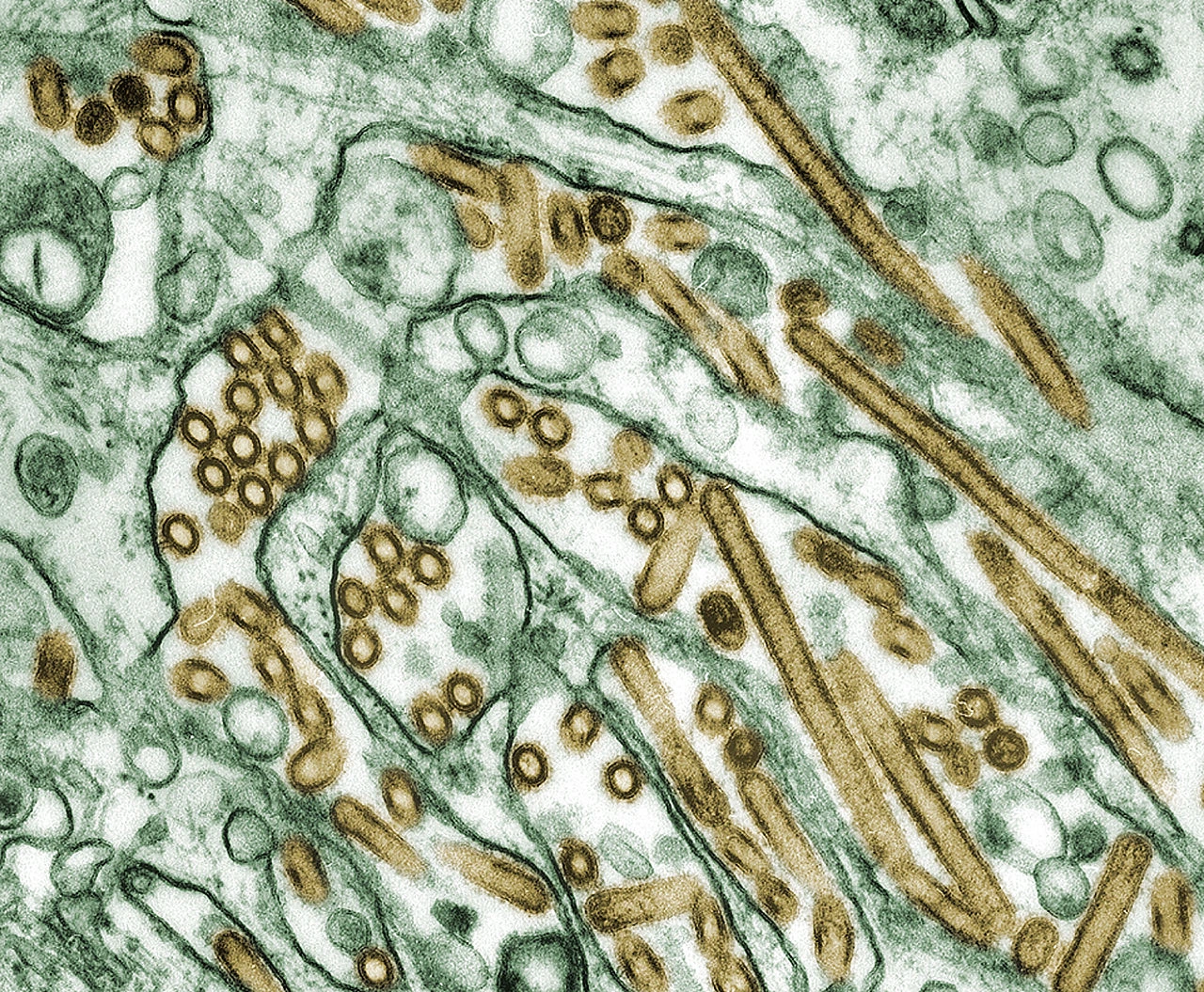
Wild birds and marine mammals have tested positive for H5N1 in recent weeks. Is there bird flu in South Africa? The virus has been detected in multiple regions globally, so it is worth checking current national and international wildlife and health surveillance updates for the latest in South Africa H5N1. Dairy herds remain affected.
Human cases tied to California exposures have been reported through national surveillance, but no widespread human-to-human transmission has occurred. The risk to the average California resident going about daily life is low, but if you work with poultry, handle dairy cattle, or had close contact with sick or dead birds, there are specific steps you should take today.
What bird flu actually means here
When people search 'is there bird flu in California,' they usually mean one of two very different things: are birds infected, or are people getting sick? Both matter, but they carry very different implications. The strain circulating right now is Highly Pathogenic Avian Influenza (HPAI) H5N1, clade 2.3.4.4b, a Eurasian-lineage virus that has been spreading globally through wild bird populations. It is not the same as seasonal human flu. Seasonal flu spreads easily from person to person; H5N1 does not, at least not with the current strains. The main concern today is its impact on birds, poultry flocks, and the dairy industry, with occasional spillover infections in people who had direct, unprotected contact with infected animals.
In birds, HPAI H5N1 is devastating, causing rapid death in domestic poultry and spreading quickly through flocks. In wild birds it can look different, with some species dying in large numbers and others carrying the virus with fewer visible signs. In people who do get infected, the illness can range from mild eye irritation (conjunctivitis) to severe respiratory disease, but the key word is 'can.' Most U.S. cases to date have been mild, and every confirmed human case has been traced to direct animal contact, not contact with another sick person.
Where bird flu has been detected in California right now
California has detections across multiple animal categories, and they are spread across the state rather than concentrated in one region.
Wild birds and marine mammals
USDA APHIS tracks confirmed HPAI detections in wild birds by county, collection date, and species, with the database last updated as recently as May 22, 2026. California consistently appears in this table across multiple counties and bird species. On the mammal side, APHIS confirmed two notable California detections with a detection date of April 29, 2026: a sea otter in Monterey County and a California sea lion in San Mateo County, both testing positive for EA H5N1. Marine mammals getting infected is a signal that the virus is circulating in coastal ecosystems, which matters if you walk beaches or handle wildlife.
Poultry and dairy cattle
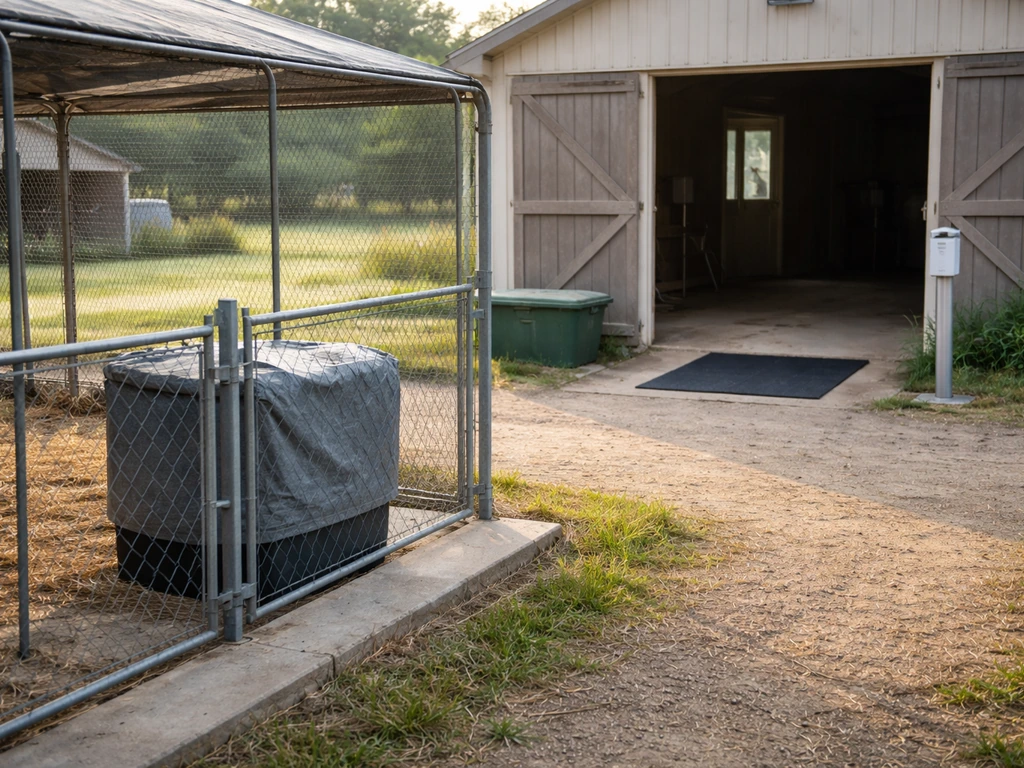
California's Department of Food and Agriculture (CDFA) maintains an active statewide summary for H5N1 in livestock. The current status is that all movement restrictions placed on HPAI-infected poultry premises in California have been lifted, meaning the acute poultry outbreak phase has eased. However, California dairy cattle herds are still affected. CDFA's page tracks total infected dairies and how many have been released from quarantine, and those numbers continue to change. If you're in dairy farming, CDFA's livestock page is the single most important thing to bookmark right now. For poultry-specific new detections, USDA APHIS updates its livestock dashboard every weekday with cases from the last 30 days alongside cumulative state totals.
The actual case counts: birds versus people
This is where a lot of confusion happens, so it helps to be precise. There are animal detections, and then there are human cases. These are counted and reported through completely different systems.
| Category | Latest Status (as of May 2026) | Where to Check |
|---|---|---|
| Wild bird detections (CA) | Multiple counties, ongoing; database updated May 22, 2026 | USDA APHIS Wild Bird table |
| Mammal detections (CA) | Sea otter (Monterey Co.) and sea lion (San Mateo Co.) confirmed April 29, 2026 | USDA APHIS Mammals table |
| Dairy cattle herds (CA) | Active infections; some herds released from quarantine, others still under restriction | CDFA H5N1 Livestock page |
| Poultry premises (CA) | All movement restrictions lifted | CDFA / APHIS Livestock dashboard |
| Human cases (U.S. total) | 71 confirmed A(H5) cases nationally since February 2024 | CDC Current Situation page |
| Human monitoring (CA) | California has appeared in CDC's state-by-state exposure monitoring table (situation through April 25, 2026) | CDC Surveillance and Monitoring dashboard |
On the human side, CDC has reported 71 total confirmed A(H5) bird flu cases in the United States since February 2024. Of those, 7 were detected through routine national flu surveillance and 64 through targeted human monitoring of people known to be exposed to infected animals. California appears in CDC's state monitoring table, meaning some California residents with exposure to infected animals were monitored and some cases were counted. The important context: every confirmed U.S. human case has been linked to direct animal exposure, not community spread.
Is this an epidemic, or just ongoing limited detections?
This is the most important framing question, and the honest answer is: it is ongoing, but it is not an epidemic in the public-health sense of uncontrolled spread through the human population. If you are wondering about Arizona specifically, the latest updates are also worth checking in USDA APHIS and CDC dashboards for any new detections or reported human cases.
What California has right now is endemic circulation of H5N1 in wild bird populations, with spillover into poultry, dairy cattle, marine mammals, and occasionally people who are directly exposed. That is a public health concern, especially for agricultural workers and wildlife handlers, but it is not the same as a spreading human outbreak. There is no human-to-human transmission chain in California or anywhere in the United States.
If you are wondering whether California is in a formal state of emergency, that topic carries its own nuance around executive declarations and resource mobilization. Whether California is in a state of emergency for bird flu is a question of specific executive actions and how agencies are mobilizing resources right now California is in a formal state of emergency. What matters practically is that detection systems are active, monitoring is ongoing, and state and federal agencies are responding in real time. The virus is not going away soon, which is why long-term prevention habits matter more than a single alarm-and-done response.
What you should do today
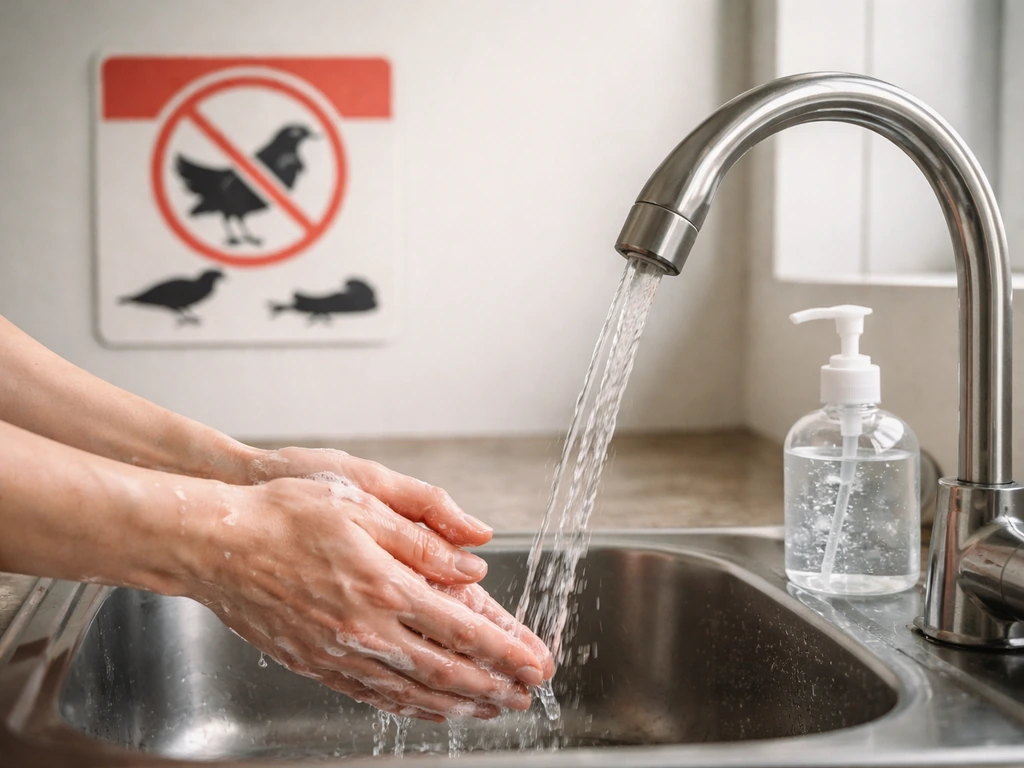
Your next steps depend entirely on your situation. Here are three different tracks.
If you're a household member with no direct animal exposure
- Do not touch sick or dead wild birds. If you find one, report it to local wildlife authorities and do not handle it with bare hands.
- Stay away from areas with obvious bird die-offs, like stretches of beach with multiple dead birds.
- Pasteurized dairy products and fully cooked poultry are safe to eat. The virus is heat-sensitive and does not survive cooking temperatures.
- There is no need to avoid parks, hiking trails, or outdoor activities. The virus does not spread through casual outdoor air exposure.
- Monitor CDPH and CDC for updates, but do not rely on social media for case counts.
If you keep backyard poultry or work on a farm
- Practice strict biosecurity: limit your flock's contact with wild birds by using covered runs, securing feed, and removing standing water that wild birds use.
- Wild birds are the primary transmission source for HPAI, so anything that keeps them away from your birds reduces risk dramatically.
- Wear gloves and eye protection when handling birds or cleaning coops, especially if any birds are showing signs of illness.
- Report unusual illness or unexplained deaths in your birds immediately by calling the CDFA Sick Bird Hotline at (866) 922-2473.
- If you work with dairy cattle, follow CDFA and USDA biosecurity protocols for herd movement and milk handling. Check CDFA's livestock status page regularly.
- If you have direct unprotected contact with infected or suspected animals, monitor yourself for symptoms for 10 full days after your last exposure.
If you've had recent contact with wild birds or sick animals
- Monitor yourself for illness for 10 days after your last exposure. This is the window CDC and CDPH use for post-exposure monitoring.
- Watch for fever, cough, sore throat, shortness of breath, and especially eye redness or discharge, which has been the predominant symptom in recent U.S. H5 cases.
- If any symptoms develop during that 10-day window, call your state or local health department immediately before going to a clinic or emergency room.
- Do not wait and see if symptoms get worse. Early reporting and specimen collection within 24 to 72 hours of symptom onset gives the best diagnostic results.
- CDPH guidance specifies that specimens should be collected no later than 10 days after symptom onset for anyone meeting exposure criteria.
Symptoms to watch for and when to get help
In people, H5N1 symptoms typically appear about three days after exposure, though the range is two to seven days. The most common presentation in recent U.S. cases has been conjunctivitis (eye redness and discharge), sometimes without any respiratory symptoms at all. Other cases have presented more like a typical flu with fever, cough, sore throat, runny nose, muscle aches, and in serious cases, difficulty breathing. Gastrointestinal symptoms have also been reported.
In poultry, warning signs include sudden drops in egg production, birds that stop eating or drinking, swelling of the head or neck, unusual neurological behavior like stumbling, and unexplained rapid death in multiple birds. Any of these in combination, especially if multiple birds are affected quickly, should trigger a call to the CDFA hotline at (866) 922-2473, not a wait-and-watch approach.
The core message on seeking help: if you had direct contact with infected or suspected animals and you develop any symptoms, call your health department first. For direct or close exposure to well-appearing, sick, or dead birds or poultry, or to contaminated environments, CDC instructs monitoring for illness for 10 days after your last exposure monitor for illness for 10 days after their last exposure. They will guide you on where to go and what to tell the clinician. Showing up at an urgent care without that heads-up risks missed diagnosis, since most general clinicians are not automatically testing for H5 unless bird flu is flagged as a possibility. Early reporting protects both you and the people around you.
Where to get the most current numbers
The situation is genuinely moving, and any article, including this one, will lag behind the live dashboards. For the most current California-specific data, check three sources directly: CDFA's H5N1 livestock page for dairy and poultry status, USDA APHIS's wild bird and mammal detection tables for animal detections by county, and CDC's A(H5) Current Situation page plus the Surveillance and Human Monitoring dashboard for human case counts by state. APHIS updates its livestock dashboard every weekday. CDC streamlined its reporting cadence in July 2025, so check the page notes for the current update schedule. California's CDPH also maintains clinician and public-facing guidance pages that are worth bookmarking if your situation involves potential human exposure.
FAQ
If I see dead birds in my California neighborhood, what should I do right away?
Avoid touching them with bare hands (gloves or a tool if you must move them). Bag double, keep away from pets, and report to your local city or county animal or public health channel. If you had any direct exposure and develop symptoms (often eye redness in reported cases), contact your health department before going to urgent care so they can arrange appropriate guidance and testing.
Does “bird flu in California” mean there is community spread among people?
No. The current public-health pattern described is spillover after direct animal exposure, without a chain of spread person to person. If you were not exposed to sick or dead birds or infected animals, your risk is generally low, and you should base next steps on typical respiratory illness guidance rather than assuming H5N1.
I work with poultry or game birds in California. How should I handle suspected illness in flocks?
Treat rapid multi-bird illness or sudden egg production drops as an urgent signal. Contact the CDFA hotline promptly rather than waiting for symptoms to “pass,” and limit movement of birds and equipment until you get instructions. The key is timing, because early reporting helps reduce within-flock spread and improves the chance of correct diagnosis.
What if I’m just a backyard owner, not a poultry farm, and my chickens seem sick?
Even in small flocks, sudden clustering of symptoms or deaths is not something to ignore. Stop contacting birds with bare hands, keep them separated from other animals and wildlife, and follow CDFA reporting steps. If you develop symptoms after contact, contact your health department first so clinicians know to consider H5N1.
If I’ve been exposed to infected dairy cattle, when would I expect symptoms and what should I watch for?
Symptoms typically start around three days after exposure, but the window can be two to seven days. Conjunctivitis (eye redness or discharge) has been a frequent early sign in US cases, so include eyes in your monitoring, not only cough or fever.
Can I catch bird flu from touching pet food, farm products, or manure without direct animal contact?
The risk is mainly tied to direct contact with infected or suspected animals and their secretions or contaminated materials. If you handled raw materials from affected operations, use gloves, wash hands thoroughly, and avoid touching your face. If you had close contact and develop symptoms within the typical window, check in with your health department before seeking care.
I have pets like cats or dogs. Could they bring H5N1 into the house?
Pets can become exposed if they contact infected birds or marine mammals, but household transmission is not the main concern when you avoid direct contact and hygiene lapses. If a pet had contact with sick or dead wildlife, keep it from licking your face, wash hands after handling, and contact a veterinarian for advice if your pet becomes ill. If you develop symptoms after exposure, contact your health department.
Does being “in a state of emergency” change what I should do personally?
In most cases, your personal actions do not change based on an emergency declaration. What matters is whether you had direct exposure, what symptoms you develop, and whether you can quickly get guidance through your health department or relevant agriculture hotline. Use the declaration as context for agency activity, not as a trigger to self-diagnose.
How do I know which situation applies to me, birds, dairy, or human illness?
Ask first what kind of exposure you had. Direct contact with birds (wild or poultry) points to the animal exposure pathway, contact with dairy cattle or dairy facilities points to the dairy pathway, and symptoms alone without exposure generally should not be treated as presumed H5N1. If you did have animal contact and symptoms, contact your health department before going in.
Next Articles
Is There Bird Flu in Mexico? How to Check Updates
Check if bird flu is in Mexico using official outbreak updates, learn risk, symptoms, and safe food and poultry handling
Is Bird Flu in Europe Now? Risk, Symptoms, Safety Steps
Find out if bird flu is in Europe now, current risk, symptoms, food safety, and exact steps for handling exposure safely
What Is Being Done About Bird Flu: Response, Vaccines, Safety
How agencies detect, contain and treat bird flu, plus biosecurity, vaccines, human steps, and safe egg and poultry guida