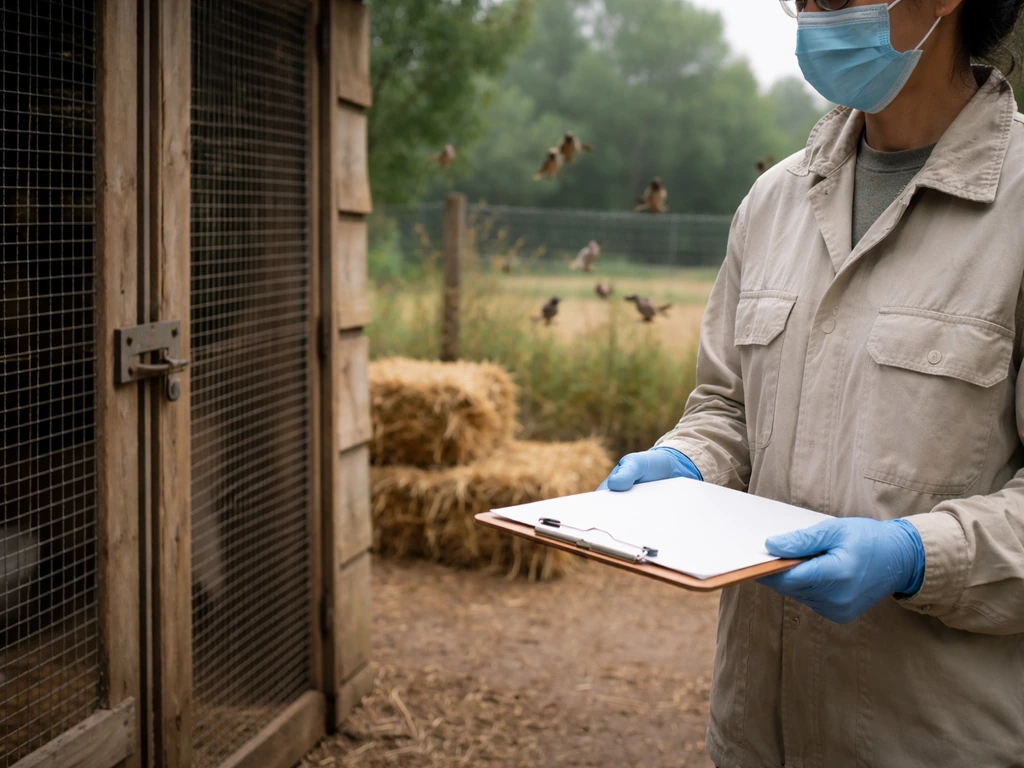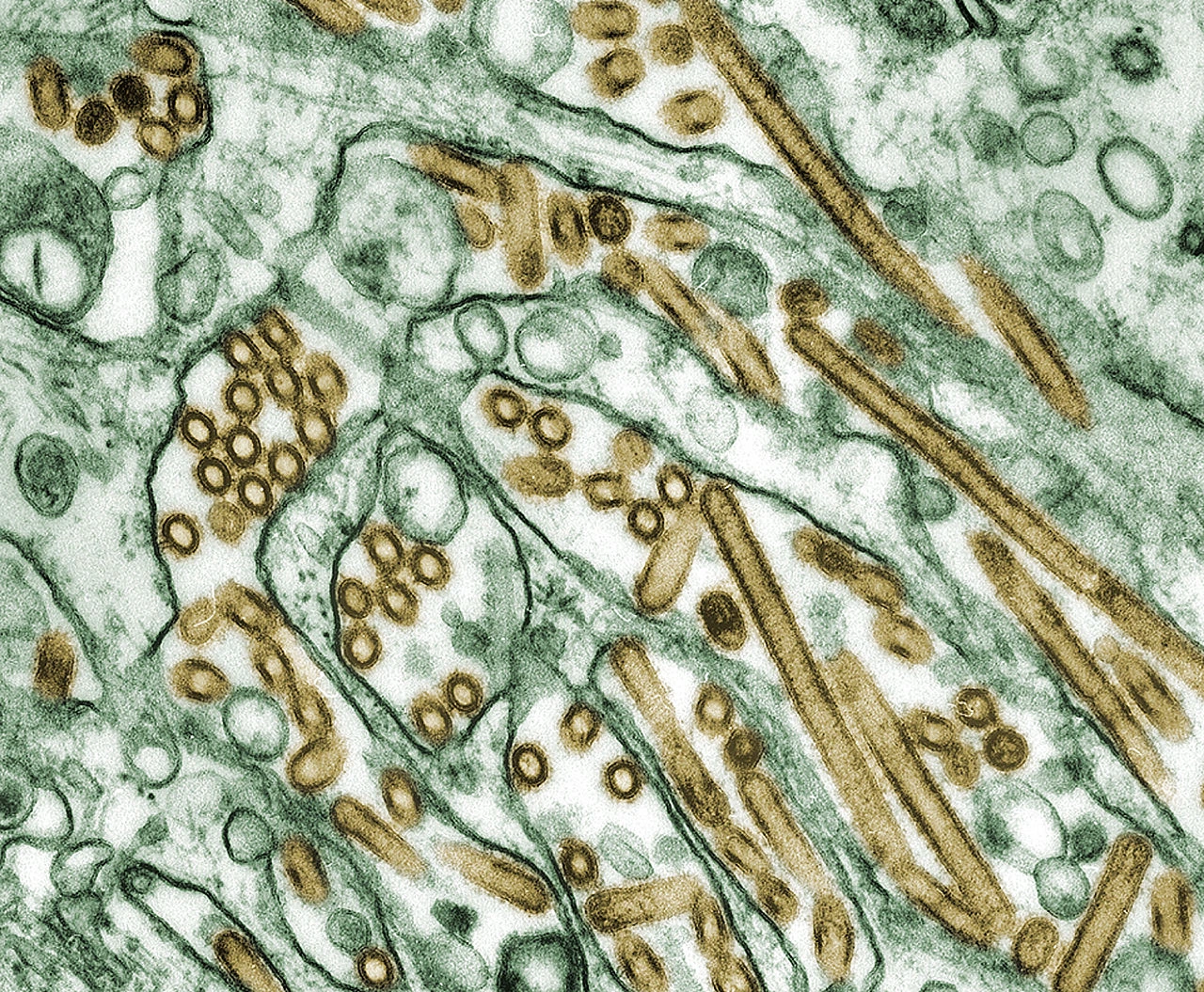
Yes, bird flu (avian influenza) is actively circulating in parts of the U.S. and many other countries right now, but whether it's specifically affecting your area depends on your location and what type of exposure you're worried about. If you're wondering whether there is bird flu in Mexico, the same approach applies: check your local government or health agency updates and compare them with CDC and USDA alerts where relevant. The fastest way to check is the USDA APHIS Avian Influenza Detections in Livestock page for poultry outbreaks, and the blank" rel="noopener noreferrer">CDC Bird Flu Situation Summary for human cases. Both are updated regularly and searchable by state. If you're outside the U.S., your national agriculture or public health agency will have equivalent tracking tools. The rest of this guide walks you through how to read those alerts, what the risk actually means for you, and exactly what to do depending on your situation.
Is There Bird Flu in My Area? Check Alerts and Stay Safe


How to check if bird flu is in your area right now

The single most reliable way to get a current, location-specific answer is to go directly to government data sources rather than news headlines. If you’re specifically wondering “is there bird flu in south africa,” you can use the same approach by checking South Africa’s official agriculture and public health updates for the most current, location-specific answer. News coverage tends to cluster around big outbreak announcements and then go quiet, so a Google search for "bird flu near me" can return stories that are months old and don't reflect what's happening this week.
For poultry outbreaks in the U.S., bookmark the USDA APHIS Highly Pathogenic Avian Influenza (HPAI) Detections page. It lists every confirmed flock detection by state, county, and date. If you specifically want to know, is there bird flu in California right now, use the USDA APHIS HPAI Detections page and the CDC Bird Flu Situation Summary as your official, state-by-state comparison. For human cases, the CDC Bird Flu Situation Summary is the go-to source. It breaks down confirmed U.S. human infections by state, exposure type (poultry worker, dairy farm worker, backyard flock contact, etc.), and outcome. Both pages are updated frequently, sometimes daily during active waves.
At the regional and local level, your state's department of agriculture handles poultry-side alerts, while your state or county health department tracks any human exposure investigations. If you're a farmer or own backyard birds, your state ag department is often the first to know about local detections because all confirmed flocks are reported through them. International readers should check national equivalents: in the EU, the ECDC and EFSA publish joint risk assessments; in Canada, the CFIA maintains a current map; in the UK, the Animal and Plant Health Agency (APHA) does the same.
How to make sense of outbreak alerts
When you find an alert, the details matter a lot. Not all bird flu reports are equal in terms of what they mean for you personally. Here's how to read them without overcorrecting in either direction.
Poultry outbreaks vs. human cases
Most outbreak alerts you'll see describe infections in flocks, not in people. A poultry outbreak in your state means the virus is circulating in birds nearby, which raises the theoretical exposure risk for people who have direct contact with those birds. It does not automatically mean your family, your eggs, or a visit to a farm is dangerous. Human cases are reported separately and are much rarer. If an alert specifically mentions a human infection, that's a different tier of news and worth closer attention.
H5, H7, and what the subtype tells you
Avian influenza viruses are categorized by two proteins on their surface: hemagglutinin (H) and neuraminidase (N). The subtypes that public health agencies focus on most closely are H5 and H7, particularly highly pathogenic strains like H5N1 and H5N2. "Highly pathogenic" (HPAI) means the strain causes severe disease in poultry and can spread rapidly through flocks. "Low pathogenic" (LPAI) strains cause milder poultry illness and are watched but treated as lower priority. The H5N1 clade 2.3.4.4b strain has been the dominant strain driving outbreaks across North America, Europe, and beyond since 2022. When you see H5N1 in an alert, that's the one to take seriously in terms of ongoing monitoring.
Recent detection vs. historical event
Always check the date on any alert or report. If you are wondering, “Is bird flu in Arizona,” check the most recent USDA APHIS HPAI detections by state and county and confirm the date on each entry. A detection from 14 months ago in your state is not the same as one from two weeks ago in your county. USDA APHIS lists detections with confirmation dates, so you can filter for recent activity. A flock that was depopulated and quarantined six months ago poses a very different current risk than an active outbreak in your county right now. When in doubt, call your state ag department or local cooperative extension office directly and ask whether there is active surveillance or quarantine in your area.
Signs that bird flu might be affecting poultry near you
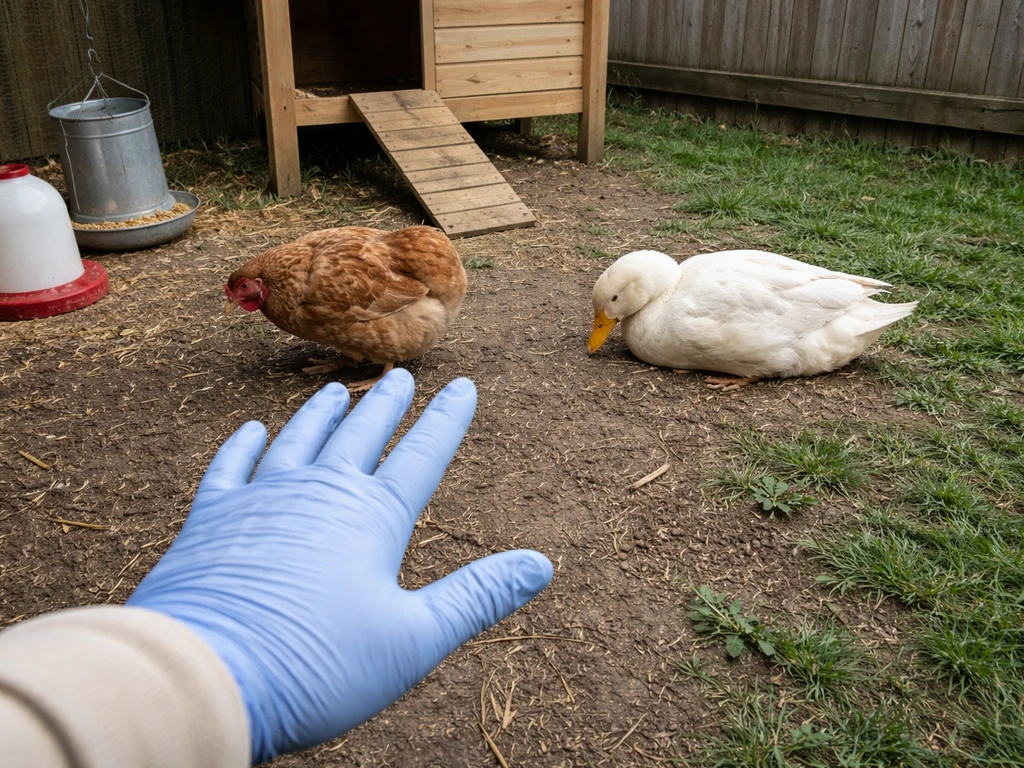
If you own backyard chickens, ducks, or other poultry, knowing what to look for matters. HPAI can kill birds quickly, sometimes within 24 to 48 hours of first symptoms, which means the flock can look fine one day and have significant deaths the next. Wild birds, especially waterfowl like geese and ducks, are a primary reservoir and can shed the virus without always showing obvious illness themselves.
The following signs in your birds should prompt you to stop handling them and make a call immediately:
- Sudden, unexplained death of multiple birds in a short period
- Severe respiratory distress: gasping, rattling breathing, nasal discharge
- Swollen or discolored combs, wattles, or facial tissue (often purple or bluish)
- Neurological symptoms: loss of coordination, tremors, twisted necks
- Sharp drop in egg production or misshapen/soft-shelled eggs
- Birds sitting hunched, unresponsive, or unwilling to move
- Dead wild birds (especially waterfowl) found on or near your property
If you see any of these signs, do not move the birds off the property. Call your state veterinarian or state department of agriculture first. You can also reach the USDA's emergency reporting line at 1-866-536-7593 (U.S.). They will dispatch a veterinarian to investigate and collect samples at no cost to you. Do not wait to see if birds recover, and do not dispose of carcasses before reporting, since lab confirmation requires samples.
Your actual risk as a person
It's worth being direct here: the general public's risk of getting H5N1 bird flu is considered very low. If you are specifically wondering, “is there bird flu” in your area right now, start by checking official local alerts and human-exposure updates before focusing on broader risk guidance. The ECDC notes that when avian influenza viruses are adapted to bird receptors rather than human ones, blank" rel="noopener noreferrer">the risk of human infection is very low, even with widespread poultry outbreaks nearby. The CDC agrees and characterizes current H5N1 as not spreading person-to-person in any sustained way.
The people who have actually gotten infected represent a much narrower group. According to the CDC, most U.S. H5 bird flu human cases have occurred among people with direct, job-related or recreational exposure to infected birds, dairy cattle, other infected animals, or contaminated products like raw milk. The ECDC lists the highest-risk activities as handling or touching sick or dead infected poultry, exposure to infected blood or body fluids, visiting live bird markets, and caring for backyard flocks in areas with active outbreaks.
If you have had direct, unprotected contact with sick or dead birds (or with environments heavily contaminated by infected animals) and you develop symptoms within 10 days of that exposure, that's when you need to act. The 10-day window matters: CDC guidance for people exposed to infected animals includes health monitoring for 10 days after the last exposure.
Symptoms to watch for after exposure
Human H5N1 illness can range from mild to severe. Symptoms to watch for include fever (often high, above 38°C/100.4°F), cough, sore throat, muscle aches, and fatigue. Some cases have included conjunctivitis (eye redness and discharge), which is sometimes the first or only sign, particularly after eye exposure to contaminated material. More serious cases involve shortness of breath, pneumonia, and rapid deterioration. If you have a known exposure and develop any of these symptoms, call your doctor or public health department before showing up in an emergency room so they can prepare appropriate precautions.
Food safety: eggs, poultry, and farm visits
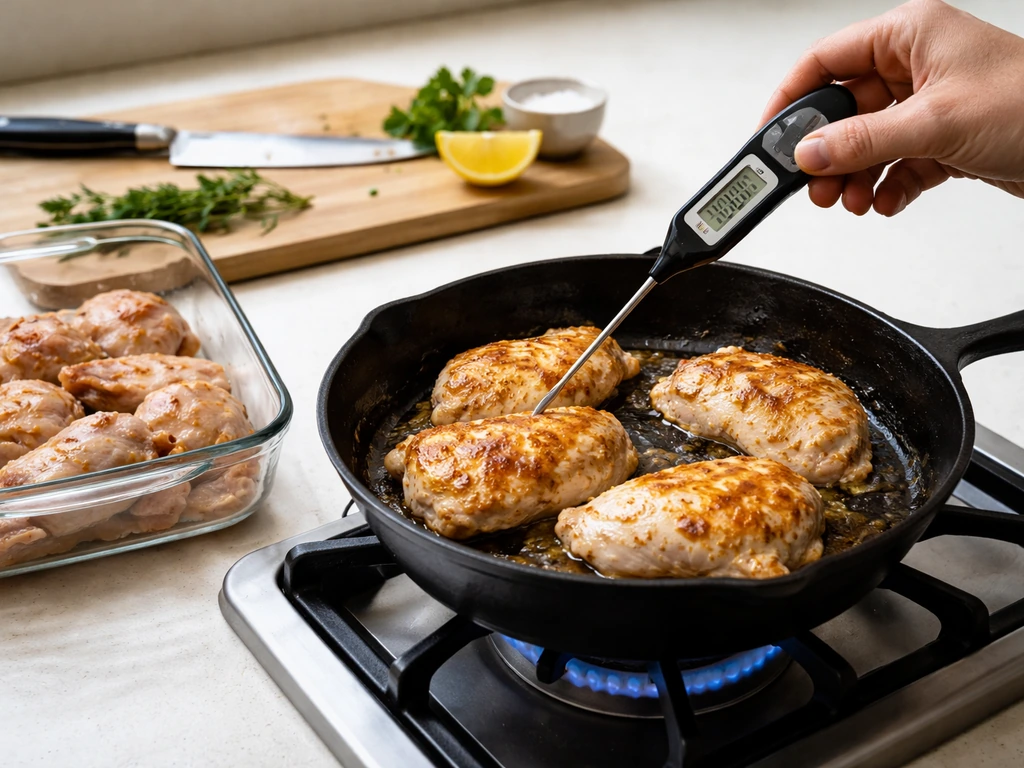
This is where a lot of anxiety concentrates, and the reassurance is genuinely solid. Properly cooked poultry and eggs are safe to eat. The influenza virus is killed by heat, so food cooked to an internal temperature of 74°C (165°F) poses no risk. Commercial egg and poultry supply chains in the U.S. have multiple biosecurity layers, and flocks confirmed with HPAI are depopulated and do not enter the food supply.
Where you do need to take precautions is with raw poultry products and, importantly, raw or unpasteurized milk. H5N1 has been detected in raw cow's milk at high concentrations, and the CDC explicitly identifies raw milk as a contaminated product that has been linked to human exposure. Stick with pasteurized dairy. For eggs from backyard flocks in an area with active outbreaks, cook them fully (no runny yolks) and wash your hands thoroughly after handling shells.
For farm visits, petting zoos, or poultry shows during an active outbreak period: wash your hands with soap and water after any contact with birds or surfaces in animal areas. Avoid touching your face. If you're visiting a commercial farm or a farm with known exposure risk, follow any posted biosecurity protocols, which may include footwear disinfection and not entering bird housing areas without appropriate gear.
What to do if there's an active outbreak nearby
For households and the general public
- Check your state's official sources (state ag department and health department) for any active quarantine zones or movement restrictions in your area.
- Avoid contact with sick or dead wild birds. If you find a dead bird, don't handle it with bare hands. Report large numbers of dead wild birds to your state wildlife agency.
- Keep backyard flocks away from wild waterfowl by using covered runs, secure fencing, and separate water sources.
- Wash hands thoroughly with soap and water after any contact with birds, feathers, or poultry environments.
- Skip raw milk and undercooked poultry products during active outbreak periods as an added precaution.
- If you've had unprotected exposure to sick birds and develop respiratory symptoms or fever within 10 days, call your doctor and mention the exposure.
For farmers and backyard flock owners
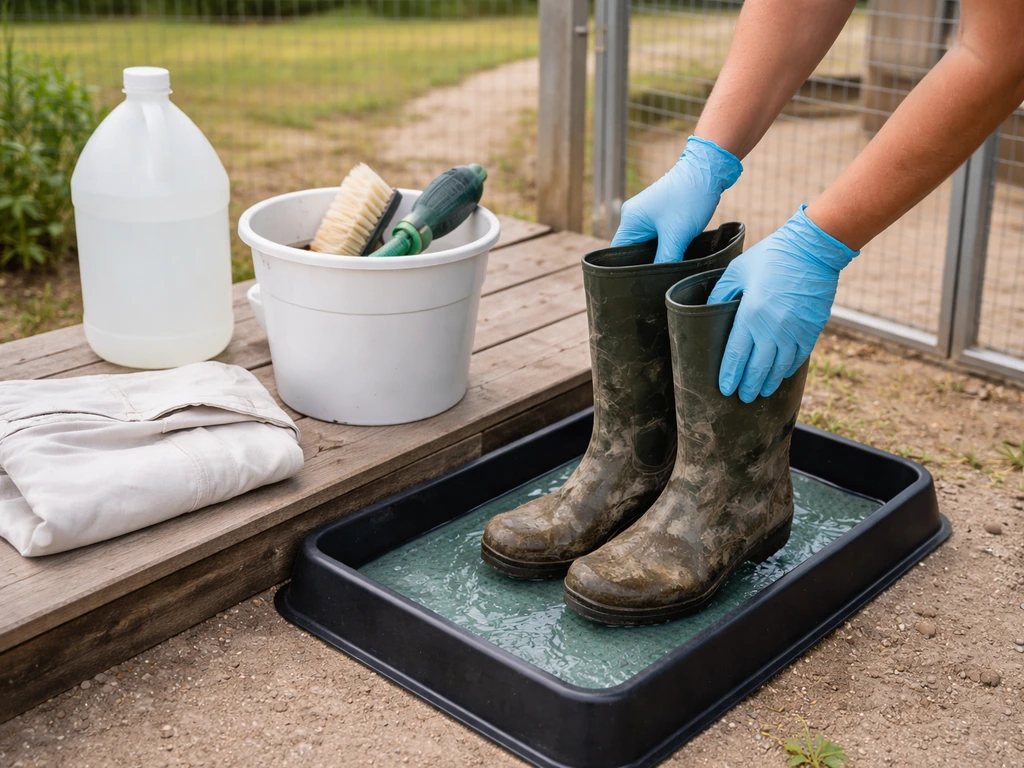
- Implement or reinforce biosecurity immediately: limit visitors, disinfect footwear and equipment between areas, and keep a dedicated set of clothes and boots for the bird area.
- Source birds only from reputable, tested suppliers and quarantine any new birds for at least 30 days before introducing them to your flock.
- Cover feed and water to prevent wild bird access.
- Monitor your flock daily for the warning signs listed above and keep records of flock numbers so you can quickly identify unusual mortality.
- Report any suspicious illness or deaths to your state veterinarian immediately. Early reporting protects you legally and helps contain spread.
- Workers who handle birds, clean pens, or manage equipment should wear gloves and eye protection at minimum; N95 respirators are recommended when working in enclosed spaces with birds during outbreak periods.
- If a nearby farm is confirmed infected, contact your state ag department for guidance on enhanced surveillance and movement restrictions that may apply to you.
Medical testing, vaccines, and when to seek care
If you've had a meaningful exposure (unprotected direct contact with sick or dead birds, or their body fluids and environments) and develop symptoms within 10 days, see a healthcare provider and tell them about the exposure upfront. This context matters because standard flu tests do not reliably distinguish H5N1 from seasonal flu. Confirming H5N1 requires specific PCR testing that your provider can arrange through your state health department and the CDC.
The main antiviral treatment for bird flu is oseltamivir (Tamiflu). The CDC recommends starting it as soon as possible after exposure plus symptoms, ideally within 48 hours of symptom onset. Don't wait for a confirmed lab result before starting treatment if your exposure history is solid and symptoms fit. Your doctor can make that clinical call.
On vaccines: as of mid-2026, there is no widely available commercial H5N1 vaccine for the general public. Pre-pandemic H5N1 vaccine candidates exist in national stockpiles in some countries (including the U.S.), and the FDA has approved one H5N1 vaccine (Audenz) for use in adults at increased risk, but it is not part of routine vaccination programs. If you work with poultry or in a high-risk occupational setting and there's an active outbreak nearby, talk to your employer's occupational health team or your local public health department about whether vaccination or post-exposure monitoring protocols apply to you.
One more thing worth knowing: mild or symptom-free cases in exposed workers have been documented, which means if you're a farm worker or had a significant exposure, health monitoring matters even if you feel fine right now. The 10-day post-exposure window is the standard monitoring period recommended by the CDC for people with known H5 bird flu exposures.
A quick reference for different situations
| Your situation | Main resource to check | Key action |
|---|---|---|
| General consumer, no bird contact | CDC Bird Flu Situation Summary | Cook poultry/eggs thoroughly, avoid raw milk, normal hand hygiene |
| Backyard flock owner | USDA APHIS + state ag department | Monitor flock daily, reinforce biosecurity, report sick/dead birds immediately |
| Commercial poultry or dairy farm worker | State ag department + occupational health | Full biosecurity protocols, PPE, 10-day health monitoring after any exposure |
| Recently handled sick/dead wild birds | State wildlife agency + local health dept | Wash hands, monitor for symptoms 10 days, call doctor if symptoms appear |
| Visited a farm or live bird market in outbreak area | Local/state health department | Monitor for symptoms, seek care if fever or respiratory symptoms develop |
| Traveling to a region with active outbreaks (e.g., certain areas of Mexico, South Africa, or California) | CDC Travelers Health + destination country health authority | Avoid live bird markets and poultry farms, strict hand hygiene, no raw poultry or unpasteurized dairy |
The big picture is this: bird flu is real and worth monitoring, but for most people in most situations the risk is genuinely low. The people who need to take active precautions are those with direct bird or farm animal contact. If that's you, the steps above are concrete and effective. Staying informed through reliable government sources and acting quickly when something looks wrong with your birds are the two most important things you can do right now. If you are trying to understand whether California is in a state of emergency for bird flu, check the latest guidance from California’s public health agencies and the CDC is california in a state of emergency for bird flu.
FAQ
If my county does not show a recent poultry detection, does that mean there is no risk at all for me?
Not necessarily. USDA detections reflect confirmed flock findings and may lag behind local exposure opportunities. If there are nearby outbreaks in adjoining counties, your practical risk is mostly driven by whether you have direct contact with sick or dead birds, bird housing areas, or contaminated materials.
What if I only see social media claims like “bird flu in my area” but no official alert?
Treat it as unverified until you can match it to a government source. Check the date and the reporting level (county, state, human case listing). If there is no recent government entry, assume it is either outdated or not confirmed.
How close do I need to be to an affected flock for it to matter?
There is no single distance rule that fits every situation, because exposure is contact-driven. The biggest determinants are whether you handled or transported poultry, visited animal housing, cleaned surfaces in contact with animals, or interacted with wild birds that could carry virus.
Are dead wild birds a “call immediately” situation the way sick backyard birds are?
Yes, you should handle dead wild birds carefully. Avoid touching them with bare hands, keep children and pets away, and report unusual die-offs to your state agriculture or local wildlife authority so officials can advise on sampling and cleanup procedures.
If my backyard flock looks healthy, can it still have HPAI?
It can. HPAI may progress quickly and some early stages can look subtle. If you notice a sudden spike in deaths, unusual neurologic signs, or significant drop in feed and activity, stop contact and report rather than waiting.
Can I safely disinfect chicken coops or backyard areas myself?
Only after officials advise you, especially if you suspect HPAI. Use cautious, source-specific steps to avoid spreading material to other areas, and avoid moving animals or equipment out of the property before you are told how to handle contaminated waste and bedding.
What should I do if I had contact with a sick or dead bird and I feel fine right now?
Still watch for symptoms during the monitoring window after the last exposure. If symptoms such as fever, cough, sore throat, or eye redness develop within 10 days, contact a clinician and mention the exposure so they can arrange appropriate testing and precautions.
If I might have bird flu, should I go to the emergency room immediately?
Go based on your symptoms, but if you have known meaningful exposure and you develop concerning symptoms, call ahead or contact your local health department first. That gives them time to prepare because standard flu tests may not distinguish H5N1 from seasonal influenza reliably.
Do pasteurized milk and cooked food fully remove risk?
For the typical home setting, properly cooked poultry and eggs and pasteurized dairy are considered safe, because heat and pasteurization inactivate the virus. The practical remaining risk is handling raw poultry and, specifically, avoiding raw or unpasteurized milk.
How should I handle eggs from my backyard flock if there is an outbreak near me?
Cook eggs thoroughly, avoid runny yolks, and wash hands after touching shells. If you have any suspicion your flock is sick, do not distribute or sell eggs, and follow reporting guidance so officials can determine whether the flock should be depopulated or quarantined.
If I’m a poultry worker, what extra steps should I take beyond watching for symptoms?
Focus on exposure control at the source: follow employer biosecurity protocols, keep protective gear in place during barn work, and prevent take-home contamination by changing footwear and clothing before leaving the site. If outbreaks are active nearby, ask occupational health about monitoring even if you have no symptoms.
Is there a vaccine I can get for personal protection against H5N1?
In most regions, there is not a routine, broadly available commercial H5N1 vaccine for the general public. Vaccination may be an option only for specific high-risk groups through national stockpiles or clinical programs, so ask your healthcare provider or local public health authority if you think you qualify.
What symptoms matter most after exposure to infected birds or dairy environments?
Common warning signs include fever (often above 38°C/100.4°F), cough, sore throat, fatigue, and muscle aches, eye redness or discharge after eye exposure, and progression to shortness of breath or pneumonia. Any concerning symptom within 10 days of a meaningful exposure should trigger prompt medical advice.