
As of June 21, 2026, there are no confirmed human cases of bird flu specifically linked to Arizona. If you’re wondering, is there bird flu in Mexico, the situation there is tracked separately by local health and agriculture agencies and may differ from what’s happening in the U.S none confirmed human cases. What Arizona does have is ongoing surveillance activity: wild bird detections, poultry flock monitoring, and the same national backdrop of 71 total reported human A(H5) cases across the U.S. since February 2024. That distinction matters a lot, because "bird flu in Arizona" can mean very different things depending on whether you're talking about a sick mallard in a wetland refuge, a backyard flock that got flagged, or an actual person who tested positive. For most Arizona residents, the day-to-day risk right now is low. But if you own birds or work with poultry, there are concrete steps worth taking.
Is Bird Flu in Arizona Right Now? Current Cases, Risk, and Steps

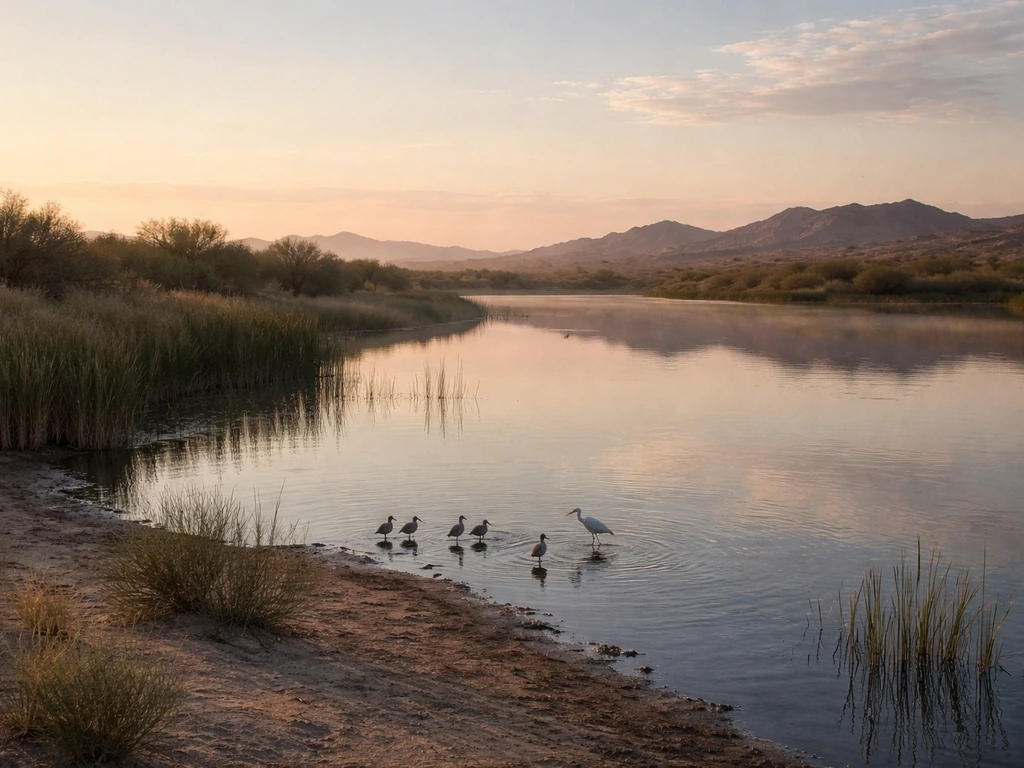
What's actually been reported in Arizona

Arizona sits in a major migratory flyway, which means wild birds carrying highly pathogenic avian influenza (HPAI) pass through the state regularly, especially during fall and spring migrations. USDA APHIS (the Animal and Plant Health Inspection Service) tracks HPAI detections at the county level across the country, and Arizona has had detections recorded in wild bird surveillance over the course of this outbreak cycle. These detections reflect positive PCR test results targeting the Eurasian lineage goose/Guangdong H5 clade 2.3.4.4b strain, the same strain driving the broader national outbreak.
For the most current Arizona-specific picture, USDA APHIS updates its wild bird detection map and its commercial and backyard flock confirmation dashboard on a rolling basis, and APHIS specifically recommends looking at the last 30 days of data for the clearest view of current activity, since detections track closely with wild bird movement and seasonal viral levels. That 30-day window is your best signal for whether something is actively circulating near you right now versus being a historical data point from months ago.
Confirmed human cases vs. other detections: what the numbers mean
This is where a lot of confusion happens, so it's worth being precise. Nationally, the CDC has reported 71 confirmed human A(H5) bird flu cases in the U.S. since February 2024, with 64 detected through targeted human monitoring of exposed individuals and 7 picked up through standard national flu surveillance. None of those cases have been publicly attributed to Arizona exposure as of this writing. That's an important distinction: a detection in a wild bird or a poultry flock in Arizona is not a human case. It's a signal that the virus is present in the animal population, which triggers monitoring of people who had contact with those animals.
CDC stopped including USDA animal detection data directly on its bird flu situation page and now directs people to APHIS for that information. So if you're checking CDC numbers and see no Arizona entries, that's not the whole picture for animal-side activity. You need both sources: CDC for human cases and FluView updates, and USDA APHIS for flock and wild bird detections. Checking one without the other gives you an incomplete read on what's happening.
Where the virus shows up: wild birds, poultry, and livestock
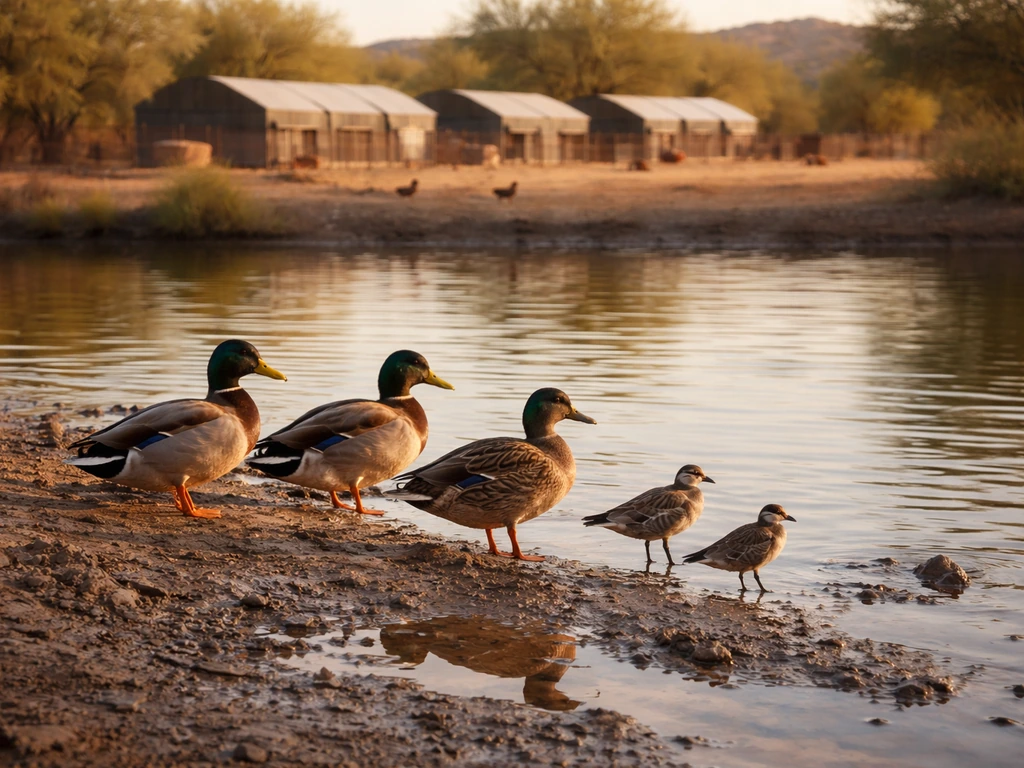
In Arizona, the most likely places you'd see HPAI activity are in wild waterfowl (ducks, geese, shore birds) and raptors that prey on infected birds, in commercial poultry operations that have biosecurity gaps, and in backyard flocks with outdoor access. Whether California is in a state of emergency for bird flu depends on the latest actions announced by state and local authorities is california in a state of emergency for bird flu. Arizona also has some dairy cattle operations, and APHIS tracks livestock HPAI confirmations separately through its livestock dashboard, which is updated each weekday. As of the last available data snapshot, livestock detections in Arizona have been limited compared to heavily affected states like Michigan, California, and Colorado, but the monitoring infrastructure is active.
One thing worth understanding is how detections get reported: animal health professionals, including veterinarians and flock owners, are required to report diagnosed or suspected HPAI to APHIS area veterinarians in charge and state animal health officials. That reporting pipeline means there can be a lag between when something is suspected and when it appears in a public dashboard. If you raise birds and something looks off with your flock, don't wait for a dashboard update to flag it.
Real risk vs. perceived risk for Arizona residents
For the average Arizona resident with no regular contact with birds or poultry, the personal risk from HPAI right now is genuinely low. If you’re wondering, “is there bird flu in South Africa,” the best approach is to check the latest official updates from South Africa’s veterinary and health agencies, since outbreaks can change quickly. The virus does not spread easily from birds to people, and there is no confirmed human-to-human transmission of this strain. The 71 U.S. human cases since 2024 occurred almost entirely in people with direct, close contact with infected animals, primarily poultry workers, dairy farm workers, and backyard flock owners who handled sick or dead birds without protective equipment.
Backyard flock owners and farmers carry a higher relative risk than the general public, simply because of repeated, close-range exposure to birds that may be infected. If you're in that group, the risk isn't reason to panic, but it is reason to take biosecurity seriously and know the symptoms to watch for. The gap between "low risk" and "no risk" matters when you're the one cleaning a coop every morning.
| Population | Current Risk Level | Key Exposure Factor |
|---|---|---|
| General Arizona public | Very low | No direct bird contact |
| Backyard flock owners | Low to moderate | Regular contact with potentially exposed birds |
| Commercial poultry workers | Moderate (with PPE) / Higher (without) | Frequent close contact with large flocks |
| Dairy farm workers | Low to moderate | Contact with cattle; HPAI detected in dairy herds nationally |
| Hunters/wildlife handlers | Low (with precautions) | Contact with wild waterfowl during migration seasons |
Symptoms to watch for and when to call a doctor
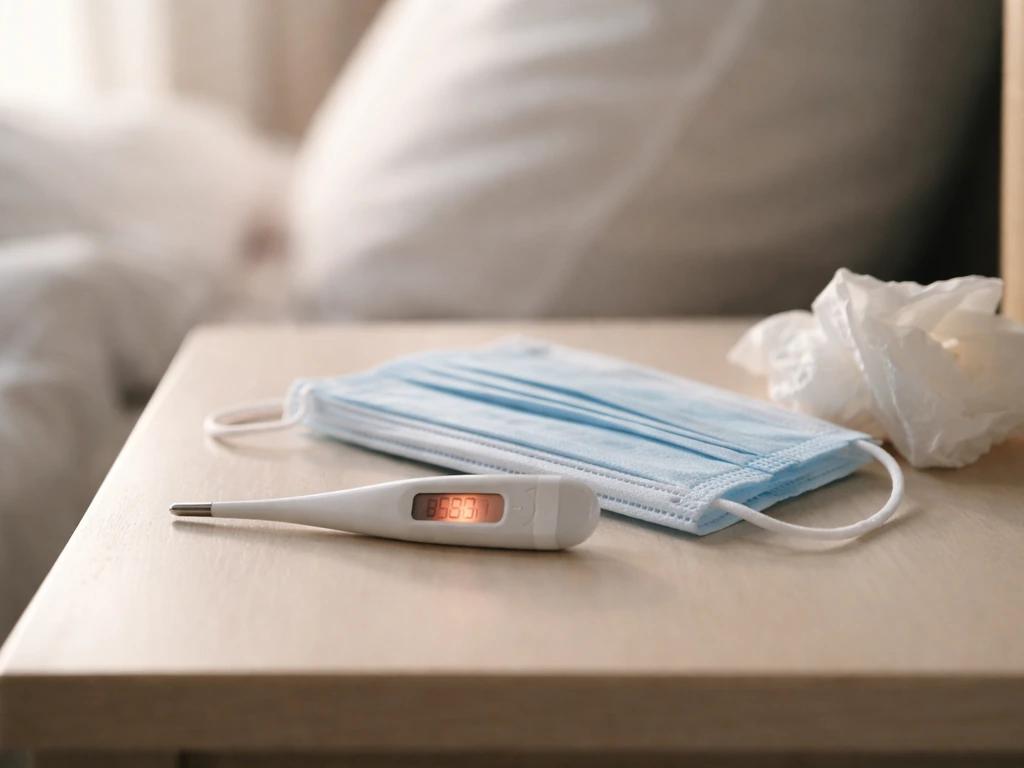
If you've had close contact with birds or animals that are confirmed or suspected to be infected with HPAI, CDC recommends monitoring yourself for symptoms starting on day 0 of exposure and continuing for 10 full days after your last exposure. The symptoms are non-specific, meaning they overlap heavily with seasonal flu and other respiratory viruses, which is both reassuring and a reason not to self-diagnose.
- Fever, feverishness, or chills
- Cough or sore throat
- Difficulty breathing or shortness of breath
- Eye tearing, redness, or conjunctivitis (this one is a more distinctive flag)
- Headache or muscle/body aches
- Runny or stuffy nose
- Diarrhea or vomiting
If you develop any of these symptoms within 10 days of exposure to potentially infected birds or animals, contact your healthcare provider before going in person. Tell them specifically about your exposure so they can coordinate with Arizona Department of Health Services on testing. CDC guidelines direct clinicians to contact state public health departments to arrange appropriate testing, collect respiratory specimens, consider empiric antiviral treatment (like oseltamivir), and advise home isolation away from other household members until infection is ruled out. You should not just show up to an urgent care and expect them to have a protocol ready; the call ahead is important.
Prevention: what to do at home and on the farm
For backyard flock owners and anyone handling birds
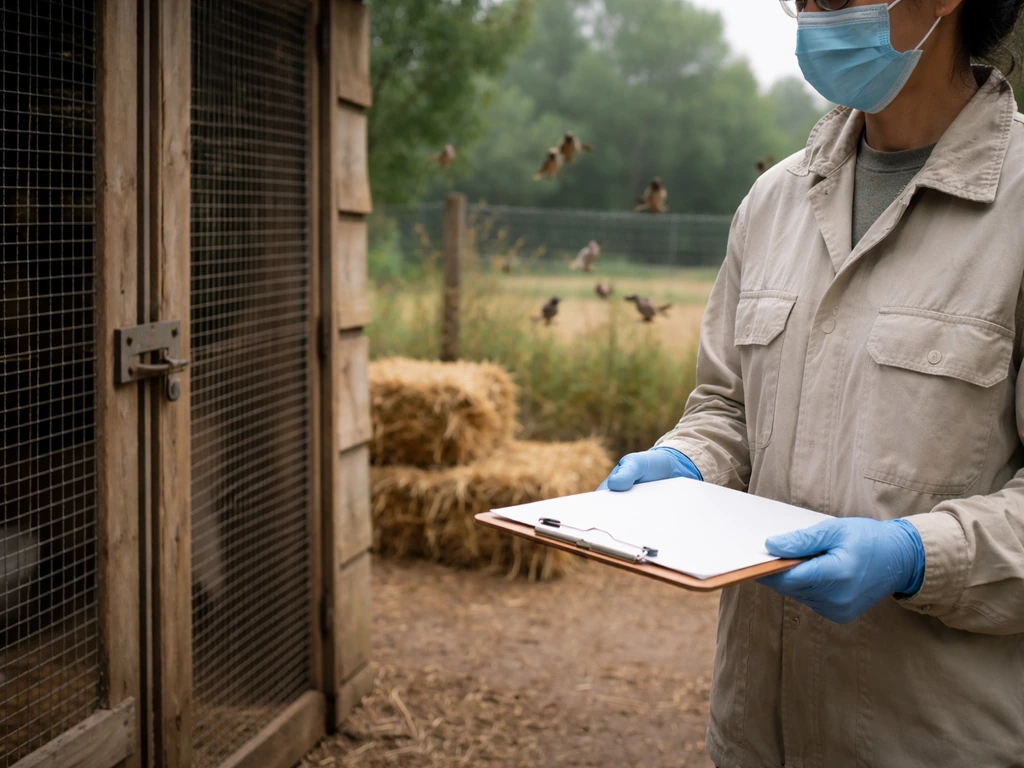
The core principle is barrier protection between you and potentially infected material. That means feces, litter, feathers, water sources, and any surfaces birds have contacted. CDC is explicit: do not touch sick or dead birds, their feces, or contaminated surfaces without proper PPE. This includes gloves, eye protection, and ideally a respirator or well-fitted mask when you're cleaning enclosed spaces where dust and feather particles are stirred up.
When you remove PPE, the order matters: clean and disinfect your boots first, then remove boots, coveralls, and gloves in sequence, wash hands thoroughly with soap and water, and avoid tracking used gear into your home. Shower after removing PPE if you've been in a heavily contaminated area. Don't bring protective gear inside as-is.
- Suit up: use dedicated boots with a footbath at the coop entrance, wear gloves, and use hand sanitizer when moving between areas
- Divide up: separate different bird species from each other and from wild birds; cover outdoor enclosures with netting where practical
- Clean up: disinfect farm equipment, footwear, and clothing used in poultry areas regularly; store feed in sealed containers to prevent contamination
- Keep it clean: ensure birds have clean water and fresh bedding, and remove sick birds from the flock immediately
- Limit visitors: minimize traffic through your poultry areas and have anyone entering follow your biosecurity protocol
- Brush up: know what sick birds look like (sudden death, respiratory distress, swollen heads, drop in egg production) and report concerns to your state animal health official immediately
For general households near bird activity
If you find a dead wild bird, don't pick it up with bare hands. Use gloves or a plastic bag inverted over your hand, and dispose of it in a sealed bag in the trash. Wash your hands afterward. Keep pets, especially cats, away from wild birds and bird carcasses, since cats are susceptible to HPAI infection and can serve as a bridge exposure for humans. Keep bird feeders clean, and if you notice unusual numbers of dead birds in your area, report it to Arizona Game and Fish.
Is it safe to eat poultry and eggs in Arizona right now?
Yes, properly handled and cooked poultry and eggs from commercial sources are safe to eat. Cooking poultry or eggs to an internal temperature of 165°F kills avian influenza A viruses, along with other bacteria and pathogens. The CDC also advises separating raw from cooked foods to prevent cross-contamination and notes there is no evidence in the United States of infection after properly handled and cooked poultry products 165°F. There is no documented case in the United States of someone becoming infected with HPAI through properly handled and cooked poultry products. The FDA and USDA have both assessed the risk of infection through commercial shell eggs as low, and eggs in the retail market are considered safe.
The higher-risk behaviors are the ones most people aren't doing anyway: eating undercooked or raw poultry, drinking unpasteurized raw milk, or consuming products from animals that are known to be infected and haven't gone through proper processing. If you're buying from grocery stores or licensed suppliers, standard food safety practices are sufficient.
- Cook all poultry to an internal temperature of 165°F (use a meat thermometer)
- Keep raw poultry separate from cooked foods and other ingredients to prevent cross-contamination
- Wash hands, cutting boards, and surfaces after handling raw poultry
- Avoid raw or unpasteurized dairy products during active HPAI circulation in dairy cattle
- Buy eggs from licensed commercial sources; eggs from backyard flocks in affected areas should be fully cooked
How to check Arizona's current situation yourself
The two most reliable sources are USDA APHIS for animal-side data and CDC for human cases. If you tell your city or ZIP code, you can also use APHIS’s wild bird and flock dashboards to see whether there is recent bird flu activity near you How to check Arizona's current situation yourself. APHIS updates its commercial and backyard flock confirmation dashboard continuously and its wild bird detection map regularly, with county-level detail. For livestock, the APHIS livestock dashboard is updated each weekday. CDC updates its A(H5) human case count and surveillance data on a defined schedule, with monitoring data refreshed on the first Friday of each month and animal-linked human case data updated monthly. For Arizona-specific human health guidance, the Arizona Department of Health Services is the right state-level contact.
If you're comparing Arizona's situation to neighboring states, California has seen more extensive HPAI activity in both poultry and dairy cattle, which makes Arizona's western border worth watching, particularly if you're moving birds or equipment between states. The broader national picture is worth checking too, since the virus follows bird migration patterns that don't respect state lines.
One more note on vaccines: as of now, there is no approved bird flu vaccine recommended for the general public. If you’re asking, “is there bird flu,” the latest updates you should check are from CDC for human cases and USDA APHIS for animal detections. Antiviral medications like oseltamivir (Tamiflu) are used for treatment and post-exposure prophylaxis in people with confirmed exposure, but that's a clinical decision made in coordination with public health, not something to self-prescribe. The best protection for most people is simply avoiding unnecessary contact with sick or dead birds and following the food safety basics outlined above.
FAQ
If I see “bird flu detected” in an Arizona county, does that mean someone in Arizona will get sick soon?
Not necessarily. A detection in wild birds or poultry typically triggers monitoring of people with direct exposure to sick or confirmed animals, it is not a forecast of widespread human illness. For most residents without regular bird or poultry contact, the practical next step is to check whether you personally had close exposure and follow symptom monitoring only if you did.
What counts as “close contact” with potentially infected birds for CDC symptom monitoring?
Close contact generally means having direct, close-range exposure to sick or dead birds, poultry, or contaminated materials without appropriate respiratory protection or proper PPE, such as cleaning coops, handling carcasses, helping with slaughter or euthanasia, or spending time in enclosed areas with heavy dust or droppings from exposed birds. Casual outdoor viewing of wild birds usually does not meet this threshold.
Should I self-quarantine or stop work if I handle birds and only later a flock alert appears?
You should contact a healthcare provider or your employer’s occupational health guidance if you develop symptoms, but routine quarantine without symptoms is not the usual approach. The key decision is whether you had close exposure, then start symptom monitoring for 10 days after your last exposure and call ahead if symptoms begin, so clinicians can coordinate testing.
Where can I check animal-side detections if I cannot find them on CDC’s bird flu page?
Use USDA APHIS animal dashboards instead. CDC focuses on human A(H5) cases and surveillance, while APHIS maintains the wild bird detection map, backyard and commercial flock confirmation dashboard, and livestock dashboard (updated on a weekly cadence). Checking APHIS is the best way to verify whether an Arizona county had a recent animal detection.
How do I interpret older Arizona data, like a detection from months ago?
Older detections may reflect past viral activity rather than what is circulating right now. The most decision-useful approach described in the article is to focus on the last 30 days for wild bird activity, because detections tend to track with current bird movement and seasonality. If you are making a practical choice (like moving birds or equipment), prefer the most recent window.
If my backyard flock seems sick but tests are pending, what should I do immediately?
Treat it as potentially HPAI. Avoid handling birds without protection, restrict access to your property, keep pets away, and contact a veterinarian or state animal health authorities promptly. Since there can be reporting lag on public dashboards, do not wait for online updates to act when you have sick or dead birds.
Can I get bird flu from touching contaminated feathers or water in a park or wildlife area?
The highest risk is from handling sick or dead birds and cleaning areas contaminated with feces or litter, especially in enclosed spaces where dust becomes airborne. If you only observe birds outdoors and do not contact carcasses or droppings, the risk is much lower. If you do need to manage contact (for example, you find a dead bird), use gloves and proper bagging and avoid stirring dust.
Is it safe to eat eggs and poultry from grocery stores if Arizona has animal detections?
Yes, properly handled and cooked poultry and eggs from commercial sources are considered safe, because cooking to 165°F kills avian influenza viruses. The practical caution is about food handling at home and avoiding undercooked products, cross contamination, and any raw or unpasteurized high-risk foods.
If I drink milk, does bird flu risk apply to unpasteurized raw milk in Arizona?
Bird flu-related concern is mainly associated with unpasteurized products, because pasteurization is what reduces the risk from potentially contaminated animal materials. If you are using milk, the decision aid is to stick with pasteurized dairy and avoid raw unpasteurized milk from sources with unknown health status, especially during periods when livestock surveillance is flagging activity nearby.
Are there any vaccines or medications I can take to prevent bird flu in Arizona?
There is no approved bird flu vaccine recommended for the general public. Antivirals like oseltamivir are a clinical decision for people with confirmed exposure or illness, coordinated by clinicians with public health, not something to self-prescribe. The best prevention for most people remains avoiding unnecessary contact with sick or dead birds and following food safety and PPE practices if you are exposed.
What should I do if my employer works with poultry or dairy and there is an outbreak alert?
Ask about an exposure plan and PPE requirements, including respiratory protection appropriate for handling potentially contaminated birds or materials. Also clarify whether occupational health will coordinate testing and whether your duties include working in enclosed spaces that may generate dust. Having a “call ahead” plan is important so you do not show up for care without an exposure history.
Get a clear answer on whether bird flu is spreading now, how it spreads, human risk, symptoms, and food safety steps.
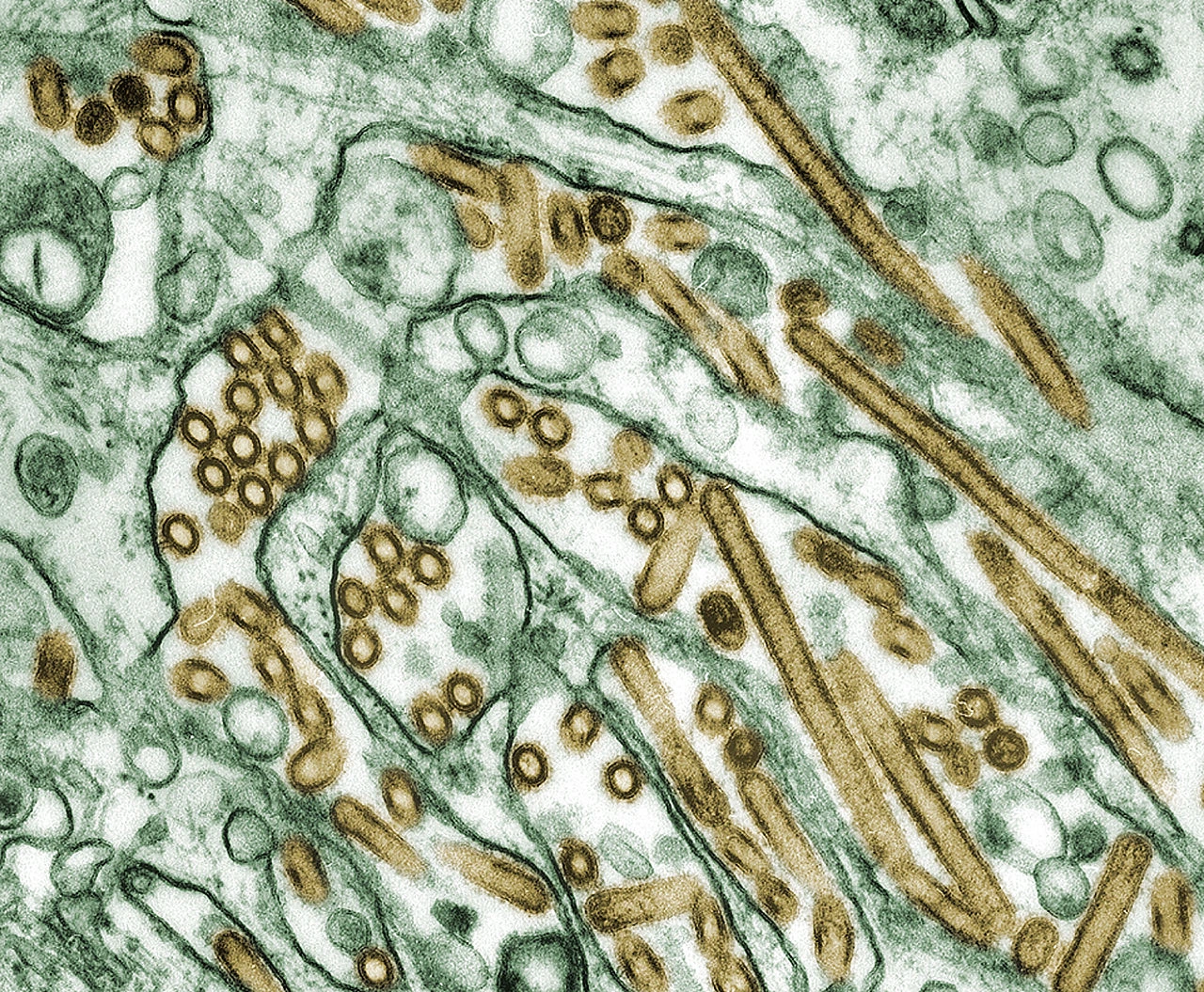
Find out if bird flu is in California now, where detections are, case counts, and what to do to stay safe.

Check if bird flu is in Mexico using official outbreak updates, learn risk, symptoms, and safe food and poultry handling