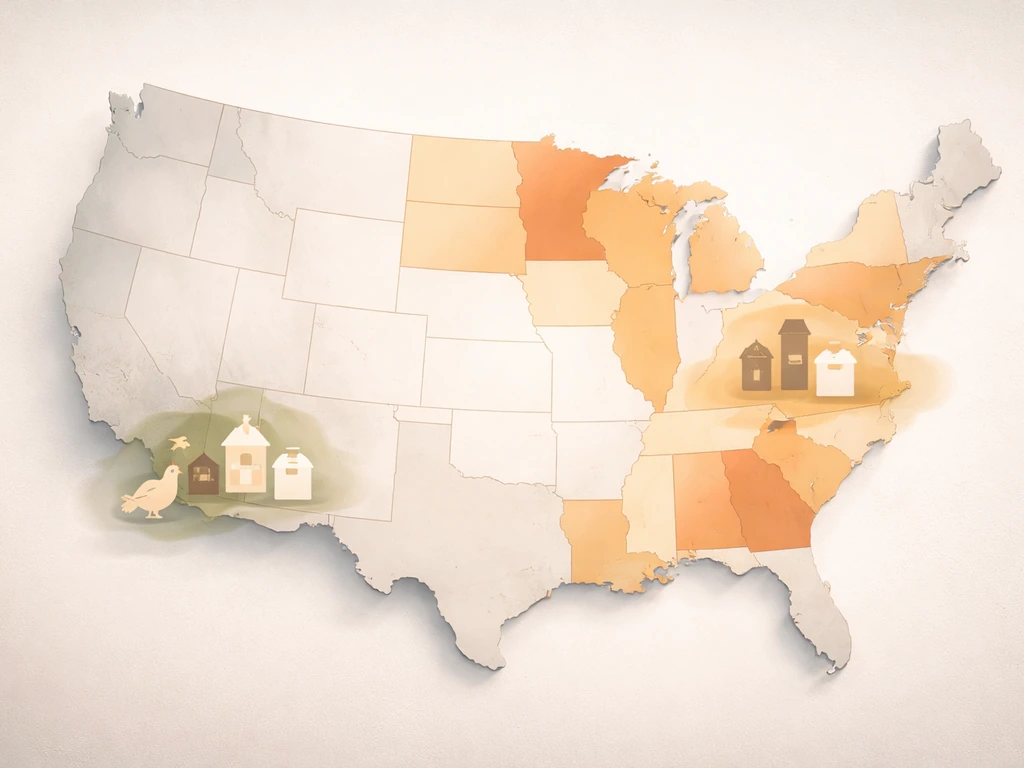
As of May 2026, bird flu (H5N1 HPAI, or Highly Pathogenic Avian Influenza) is actively circulating across the United States in wild birds, domestic poultry flocks, and dairy cattle herds in multiple states. It has been present in some form since at least February 2022, when USDA APHIS first confirmed H5N1 in wild birds, commercial operations, and backyard flocks throughout the country.
Where Is Bird Flu in the US Right Now? Locations, Updates

Sarah Chen
14 May 2026
The human risk for most people remains low, but poultry workers and dairy farm workers face real occupational exposure, and more than 70 human cases have been confirmed since April 2024. The geographic picture changes every week, so knowing where to look for current data matters as much as the snapshot itself.
You can also check which states have the bird flu to see where active detections are occurring in poultry, dairy cattle, and wild birds what states have the bird flu.
Where bird flu is right now in the US
Bird flu is not confined to one region. Detections span wild bird populations from coast to coast, poultry operations in major egg- and meat-producing states, and dairy herds across at least 18 states as of mid-2025 (with activity continuing into 2026). That said, "where it is" breaks down into three separate categories, and conflating them leads to unnecessary confusion or, alternatively, false reassurance.
- Wild birds: H5N1 has been found in wild birds in nearly every state. The CDC and USDA APHIS both maintain interactive maps showing detections by state and county. Migratory waterfowl are the primary reservoir, which is why detections move seasonally.
- Poultry flocks: Commercial and backyard flocks across multiple states have been affected. USDA APHIS updates its confirmed poultry flock detection dashboard every weekday and uses a 30-day window to distinguish what's currently active from historical accumulation.
- Dairy cattle: A multi-state dairy cattle outbreak began in March 2024 and has since spread across at least 18 states. APHIS confirms new livestock cases on a rolling basis through its National Milk Testing Strategy (NMTS), which monitors milk from processing plants and individual herds.
- Humans: More than 70 confirmed human cases since April 2024, almost all tied to occupational exposure to infected animals. No human-to-human spread has been identified in the United States.
For the most current picture, go directly to USDA APHIS's confirmed cases pages. USDA APHIS’s HPAI detections hub provides the latest updates on detections by species, including livestock and poultry, and is where ongoing current detection information is surfaced [USDA APHIS's confirmed cases pages](https://www. aphis. usda.
gov/livestock-poultry-disease/avian/avian-influenza/hpai-detections). The HPAI Confirmed Cases in Livestock map is updated each weekday and shows both cases from the last 30 days and cumulative totals by state, so you can immediately see whether a state has recent active cases or just historical ones. Similarly, the APHIS confirmed poultry flock dashboard is designed specifically to give the best picture of current impact using that same 30-day window.
For human cases, CDC's "H5 Bird Flu: Current Situation" page is the single best source, with a breakdown of confirmed and probable cases by state and exposure type. You can also look up how many cases of bird flu in the US have been confirmed in people through CDC updates CDC's "H5 Bird Flu: Current Situation" page.
For wild birds, both APHIS's Wild Bird Avian Influenza Surveillance Dashboard and CDC's interactive H5N1 wild bird detection map let you zoom into individual counties.
A quick timeline: when bird flu started and when the last outbreak hit
The current wave of H5N1 in the US is part of a global outbreak that has been running since 2021 and 2022. Here's how the key moments in the US timeline line up.
| When | What happened |
|---|---|
| February 2022 | USDA APHIS confirms H5N1 HPAI in wild birds, commercial flocks, and backyard flocks across the US, marking the start of the current outbreak wave. |
| March 25, 2024 | CDC reports a multi-state outbreak of H5N1 in US dairy cows, the first of its kind anywhere in the world. |
| April 1, 2024 | First confirmed human case linked to the dairy cattle outbreak, reported in Texas. |
| May 2024 onward | CDC begins reporting additional sporadic human cases tied to infected dairy cows, expanding the geographic reach of human detections. |
| October–November 2024 | Confirmed human cases in California and Washington; by November 4, 2024, CDC had confirmed H5 infections in 44 people since April 2024. |
| January 31, 2025 | APHIS confirms the D1.1 genotype of H5N1 in dairy cattle in Nevada, identified through milk silo testing. |
| February 2025 | CDC confirms H5 bird flu infections in 70 people in the US since April 2024, including cases in Nevada, Ohio, and Wyoming tied to dairy cows, commercial poultry, and backyard flocks. |
| Ongoing into 2026 | Detections in wild birds, poultry, and dairy herds continue across multiple states. APHIS updates confirmed cases on a weekday cadence. |
There is no single start or end date for "the outbreak" because this situation has been continuously evolving for more than four years. The dairy cattle dimension is the newest and most significant development for human exposure risk, and it is still active. When people search for when the last bird flu outbreak was, the honest answer is: it's still going.
"Is bird flu in America?" and what that actually means for you
Yes, bird flu is in America. But the more useful question is: what does that mean for your actual risk? The answer depends heavily on who you are and what you do.
A detection in a wild bird in your state is not the same as an active outbreak in a commercial poultry flock 10 miles from your house, which is not the same as a confirmed case in a local dairy herd. These represent very different levels of proximity and risk. APHIS specifically flags the difference between a "last 30 days" detection (active or recent) and cumulative historical cases to help you make that distinction. When you see a state "lit up" on a map, check whether that's a current case or a historical one.
For most people, the practical risk from bird flu is genuinely low. The virus does not currently spread efficiently from person to person, and CDC has confirmed no human-to-human transmission in the US. The people who have gotten sick are almost exclusively farm and poultry workers with direct, repeated exposure to infected animals. That said, "low general risk" is not the same as "zero risk," especially if you work on a farm or spend time near poultry or dairy operations.
How bird flu spreads in the US
Bird to bird (and bird to other animals)
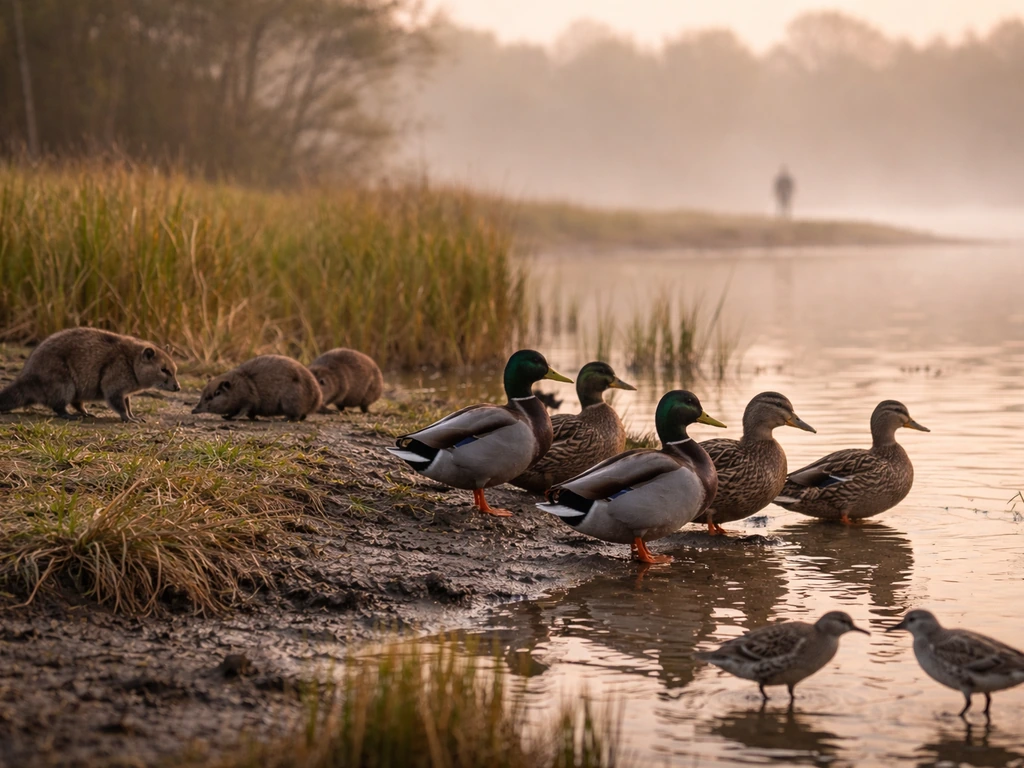
The primary driver of spread is wild migratory birds, particularly waterfowl, which carry the virus and can deposit it through feces, respiratory secretions, and contaminated water sources. Commercial and backyard poultry become infected when they have direct or indirect contact with infected wild birds or contaminated environments. In the dairy cattle situation, the virus appears to spread between herds largely through shared equipment, contaminated milk handling, and movement of cattle, though the exact mechanisms are still being studied.
Animal to human (rare but real)
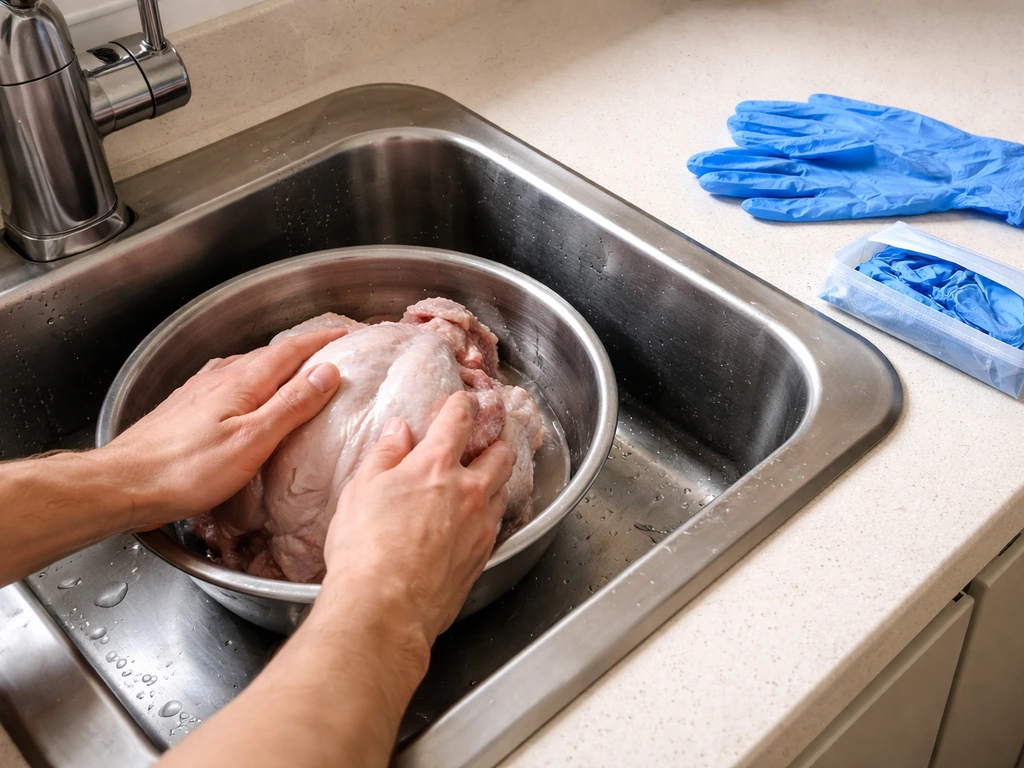
Human infections in the US have almost exclusively happened through close, unprotected contact with infected animals, including touching infected birds, handling raw poultry carcasses without protection, or working with infected dairy cows and their milk. The confirmed US human cases span workers exposed to infected dairy cattle, workers at commercial poultry operations, and backyard flock owners. CDC has confirmed no human-to-human spread in the US, meaning the virus has not shown the ability to pass efficiently between people.
Symptoms in humans: what to watch for if you've been exposed
If you've had direct contact with infected or potentially infected birds, poultry, or dairy cattle, here's what to watch for. Symptoms typically appear about 3 days after exposure, though the window runs from roughly 2 to 7 days. In recent US cases, eye redness (conjunctivitis) has been the predominant symptom. Other symptoms can include fever, cough, sore throat, runny nose, muscle aches, headaches, fatigue, shortness of breath, and in some cases diarrhea and vomiting.
CDC recommends that anyone exposed to avian influenza viruses be monitored for illness and seek prompt medical evaluation and testing if symptoms develop. Antiviral treatment (oseltamivir, commonly known as Tamiflu) can be used both as treatment and as post-exposure chemoprophylaxis for people at high risk. Local and state public health departments are the right first call if you've had a known exposure and symptoms develop. Don't wait for symptoms to get severe before reaching out. Early treatment matters.
People with occupational exposure should monitor for respiratory illness and conjunctivitis starting from the first exposure and continuing for 10 days after the last known contact with infected animals.
What this means for farms and poultry operations
For farmers and poultry producers, a confirmed HPAI detection nearby is a direct operational concern. USDA APHIS has mandatory biosecurity audit requirements in place: if your operation is hit by HPAI or is located in an impacted area, USDA will conduct a biosecurity assessment before you can restock. Failing to complete this step also affects your eligibility for indemnity payments on restocked birds. APHIS has been prioritizing these assessments at commercial egg-laying facilities in the highest egg-producing states.
APHIS works with state animal health officials on surveillance in commercial flocks, backyard flocks, and wild birds. State agencies often publish their own situation updates with local timestamps, for example Oregon's ODA issues updates that specify the "last reported detection" date and distinguish domestic birds affected in the last 30 days from cumulative historical totals. That kind of local-level granularity is exactly what farmers need to assess actual proximity risk.
The National Milk Testing Strategy (NMTS) is the primary tool for monitoring dairy herds. It combines processing-plant milk silo testing with state-specific surveillance and mandatory interstate movement testing. Under NMTS, states are classified based on whether a confirmed case has occurred within the last 30 days. If you run a dairy operation, staying current with your state's NMTS status is as important as monitoring your herd directly.
What to do right now: practical guidance for food, farms, and staying informed
For the general public: food safety and everyday precautions
Properly cooked poultry and eggs are safe. Heat destroys the virus, so cooking chicken, turkey, and eggs to standard safe internal temperatures (165°F for poultry) eliminates risk. Pasteurized milk is safe. The NMTS surveillance system is specifically designed to catch H5N1 in the commercial milk supply before it reaches consumers. You should avoid consuming raw or unpasteurized milk, which has been flagged as a potential exposure route.
- Don't handle sick or dead wild birds with bare hands. If you find a dead bird and want to report it, use gloves or a plastic bag inverted over your hand.
- Wash hands thoroughly with soap and water after any contact with birds, poultry, or farm animals.
- Avoid visiting live bird markets or poultry farms unless necessary, and wear appropriate protective gear if you do.
- Don't let backyard chickens or ducks mingle with wild waterfowl.
- If you keep backyard poultry, report unusual illness or deaths to your state veterinarian or local animal health office immediately.
For farm and poultry workers: occupational biosecurity
- Use PPE (gloves, eye protection, respirators as appropriate) when working with animals in affected or potentially affected herds and flocks.
- Follow APHIS biosecurity guidance for your operation type, including movement controls, cleaning and disinfection protocols, and visitor access restrictions.
- Monitor yourself for symptoms for at least 10 days after any high-risk exposure.
- Report unusual animal illness patterns to USDA APHIS or your state animal health official immediately. Early detection is the most important tool for containment.
- Contact your local or state public health department if you develop symptoms after a known animal exposure.
Where to check for the latest updates

The situation changes regularly, so bookmark these sources and check them when you need current information rather than relying on news headlines, which often lag the official data or decontextualize individual detections. If you're specifically wondering where in Louisiana the bird flu is currently showing up, use the state-level dashboards and look for recent detections within the last 30 days.
- USDA APHIS HPAI Confirmed Cases in Livestock: updated every weekday, shows active (last 30 days) vs cumulative cases by state.
- USDA APHIS Confirmed HPAI in Commercial and Backyard Flocks: the same 30-day active window for poultry detections.
- CDC H5 Bird Flu: Current Situation: the primary human case tracker, including confirmed and probable cases by state and exposure category.
- APHIS Wild Bird Avian Influenza Surveillance Dashboard: for wild bird detections by location.
- CDC H5N1 Wild Bird Detection Map: interactive county-level map of wild bird detections.
- CDC Wastewater Surveillance for Avian Influenza A(H5): community-level early warning signal for H5 activity in your area.
- Your state agriculture department or state veterinarian's office: often publishes state-specific situation updates with the most local and timely detail, as Oregon's ODA does with timestamped detection reports.
If you're trying to understand the full geographic picture, including which specific states have active detections in poultry versus cattle versus wild birds, or how many total human cases have been reported, those breakdowns go deeper than what one article can cover in a snapshot. To see which states have bird flu in cows right now, use the APHIS confirmed cases map for livestock and filter for dairy cattle. CDC states that [wastewater monitoring helps understand community-level risk for avian influenza A(H5)](https://www. cdc. gov/wastewater/emerging-viruses/h5.
html) detections, and that when wastewater testing shows a detection, partners investigate contributing factors and whether public health actions are needed. For the most up-to-date answer to what states have bird flu in humans, use CDC’s current situation page and its state-by-state case breakdown which specific states have active detections.
For Louisiana specifically, you can use USDA APHIS and CDC state-by-state dashboards to find how many bird flu cases have been reported and whether any are active recently how many total human cases have been reported. These resources help you see where have bird flu cases been reported across wild birds, poultry, dairy cattle, and humans. The same USDA APHIS livestock tracking can help you identify which states have bird flu in cows right now.
The human case geography, state-by-state livestock status, and county-level wild bird data each tell a different part of the story, and the official dashboards listed above are built to answer exactly those questions in real time.
FAQ
If a map shows my state has bird flu, does that mean there are current cases nearby?
Not necessarily. Look for whether the entry is based on the last 30 days versus a cumulative historical total. A state can stay “on the map” for years due to past detections, even when there have been no recent positives in poultry, dairy cattle, or local wild birds.
How can I tell whether the detection is in poultry, dairy cattle, or wild birds?
Use the specific dashboard for each category (poultry flock, livestock, and wild bird surveillance) rather than relying on a single state summary. The risk and implications are different, and mixing categories is a common reason people overestimate or underestimate exposure.
Where should I check if I am a poultry or dairy worker and need the most current status?
For occupational relevance, prioritize USDA APHIS for livestock and poultry updates, then cross-check with your state animal health agency for local timestamps and the “last reported detection” date. State updates often add timing detail that national summaries can simplify.
Does bird flu in backyard birds mean the virus is present in commercial poultry operations in the same area?
No, not automatically. Backyard detections can occur from wild bird introductions, while nearby commercial operations may or may not have recent infections. Check whether there were last-30-days positives in poultry facilities separately from wild bird findings.
What is the earliest timeframe symptoms could show up after exposure?
Recent guidance in this situation centers on about 3 days after exposure, with a window that can run roughly from 2 to 7 days. If symptoms begin outside that range, it may still be worth contacting a clinician if exposure was significant, but follow-up may focus on other causes too.
If I had exposure, how long should I monitor for symptoms?
If you have occupational exposure, monitor from the time of the first exposure and continue for about 10 days after the last known contact with infected animals. For household or incidental exposures, confirm the timeframe with local public health guidance because risk context can differ.
Should I get tested even if I feel fine after being near a case?
CDC guidance emphasizes monitoring and prompt evaluation if symptoms develop, rather than routine testing for everyone who had incidental contact. If you had direct, unprotected exposure to infected animals, contact local public health to discuss whether testing is appropriate for your specific situation.
What should I do if I work with poultry or dairy and develop conjunctivitis or respiratory symptoms?
Seek prompt medical evaluation and mention recent bird, poultry, or dairy exposure so clinicians can consider avian influenza in their differential. Since eye symptoms have been a common presenting feature, do not wait for fever or severe symptoms to start the conversation.
Is pasteurized milk always safe if bird flu is in local dairy herds?
The intended safeguard is that pasteurization and the national milk testing strategy are designed to catch issues before milk reaches consumers. Avoid raw or unpasteurized milk and confirm any product you consume is pasteurized, especially if you are near active dairy operations.
Does cooking poultry or eggs eliminate all risk from contaminated animal products?
Proper cooking is protective because the virus is heat-sensitive. Use standard safe internal temperatures for poultry (commonly cited as 165°F) and avoid cross-contamination by keeping raw juices away from foods that will not be cooked.
How do I interpret “human cases by state” if I live in the same state as someone reported?
Human case geography is based on where the case is associated, but exposure may have occurred through work that can involve different locations. For your personal risk, focus on whether you had direct exposure to infected animals or environments, and use the CDC breakdown to understand how cases are categorized.
What if my state is listed for bird flu but I do not know if it affects my county?
Treat state-level listings as a starting point only. For wild bird risk, the county-level maps are more relevant, while for poultry or dairy it matters whether there are last-30-days positives in operations near you, which may not align perfectly with statewide totals.
Next Article
What States Have Bird Flu Now A State by State Guide
State-by-state guide to current bird flu detections, what counts, total states, and how to verify updates safely.