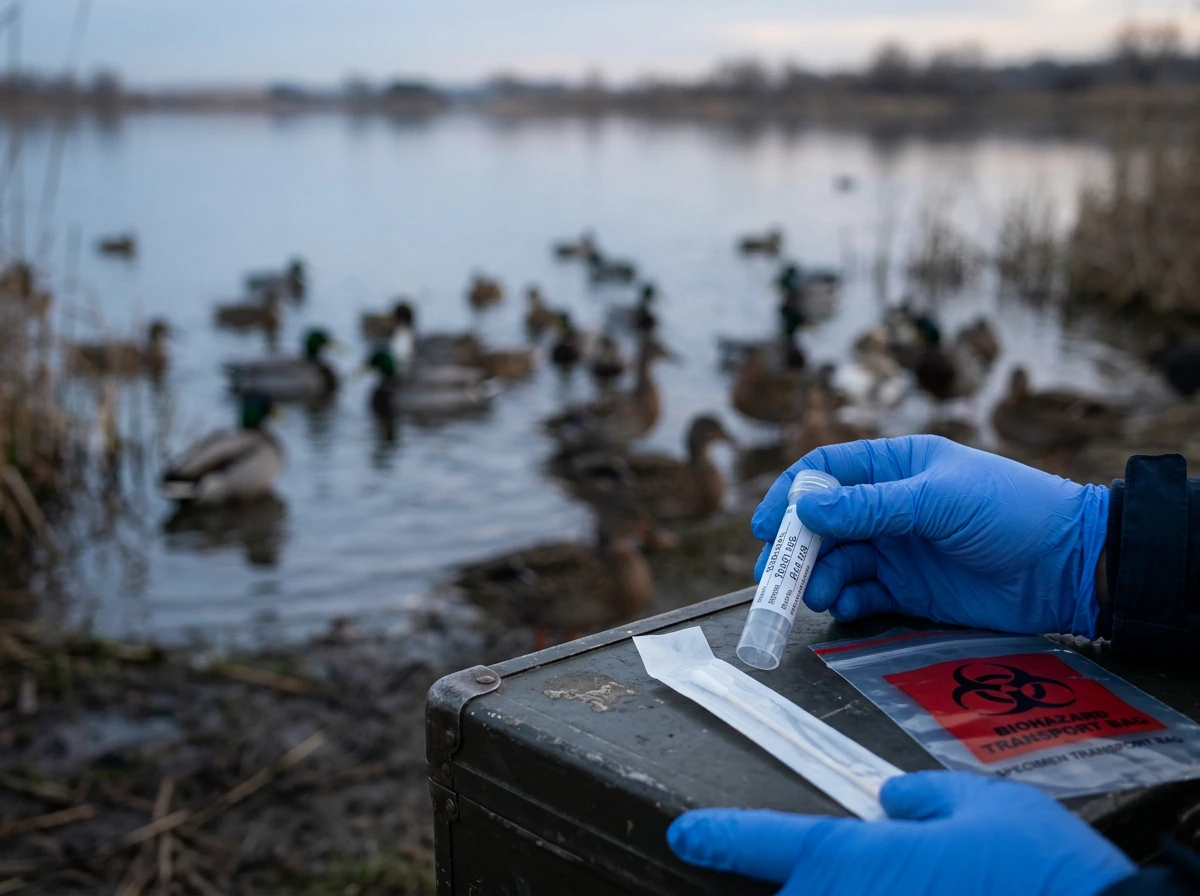
Bird flu is a real and ongoing concern, but how much it matters to you right now depends almost entirely on your exposure situation. If you work with poultry, keep backyard birds, visited a farm recently, or handled wild birds, you need to read this carefully and may need to act today. If you're a curious person who just saw a headline, the short version is: your personal risk is currently low, but knowing the basics will help you stay that way. Either way, here's everything you actually need to know.
What About Bird Flu: Symptoms, Risk, and What to Do Today

Sarah Chen
22 Mar 2026
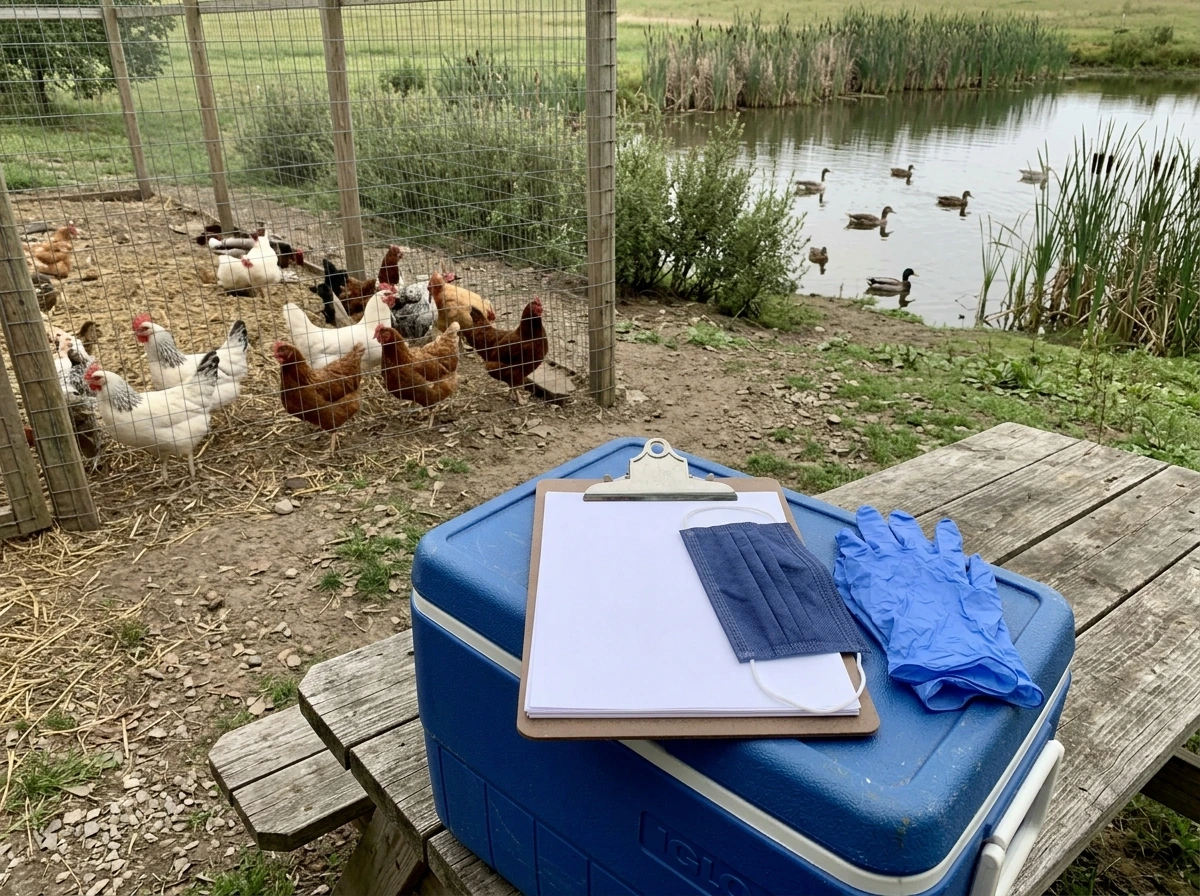
What bird flu actually is (and what the term covers)
"Bird flu" is the common name for avian influenza, a disease caused by avian influenza Type A viruses. If you want the exact wording, bird flu is the common name for avian influenza, so you may also see it described as what is the bird flu called in public health updates. To understand what the avian influenza “bird flu” label covers, see what is the avian bird flu for a quick overview. These viruses naturally circulate in wild aquatic birds like ducks and geese, and they can spread to domestic poultry including chickens and turkeys. The CDC uses "avian influenza" and "bird flu" interchangeably, so both terms refer to the same thing.
Inside that broad category, there are two important classifications you'll see in news coverage. CDC describes avian influenza (bird flu) as a disease caused by blank" rel="noopener noreferrer">avian influenza Type A viruses. USDA ARS notes that blank" rel="noopener noreferrer">most avian influenza strains are classified as low pathogenicity (LP) and cause little or no clinical signs in infected birds, while some LPAI-H5 and H7 strains can mutate into highly pathogenic forms. Low pathogenic avian influenza (LPAI) causes few or no visible signs in birds and is generally considered lower risk. Highly pathogenic avian influenza (HPAI) is the one worth paying close attention to: it causes severe disease and very high mortality rates in infected poultry flocks. HPAI strains, particularly H5 and H7 subtypes, are the ones responsible for the major outbreaks you've been reading about. When public health agencies describe a serious bird flu situation, they're almost always talking about HPAI.
In humans, avian influenza infections have ranged from completely mild illness to life-threatening outcomes, depending on the strain and the individual. That wide range is exactly why public health agencies monitor every human case so closely, even when individual cases seem minor. The concern isn't necessarily what's happening today but what a novel avian strain could become if it adapts further.
How bird flu spreads and who is actually at risk
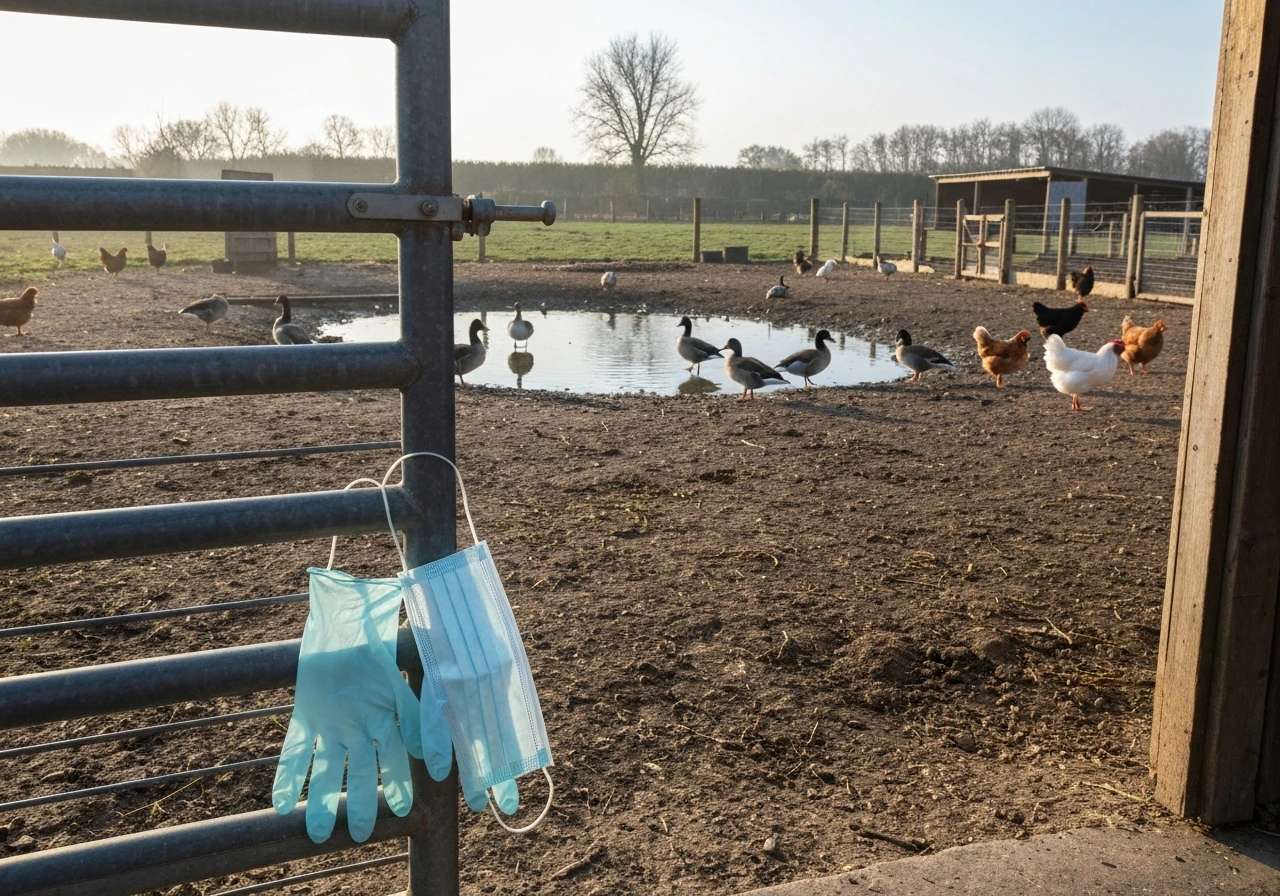
The most important thing to understand about bird flu transmission is that it is almost always tied to direct, close contact with infected birds or contaminated environments. It does not spread easily between people, and routine daily life does not put most people at risk. What raises your risk is specific, identifiable exposure.
The people most at risk right now
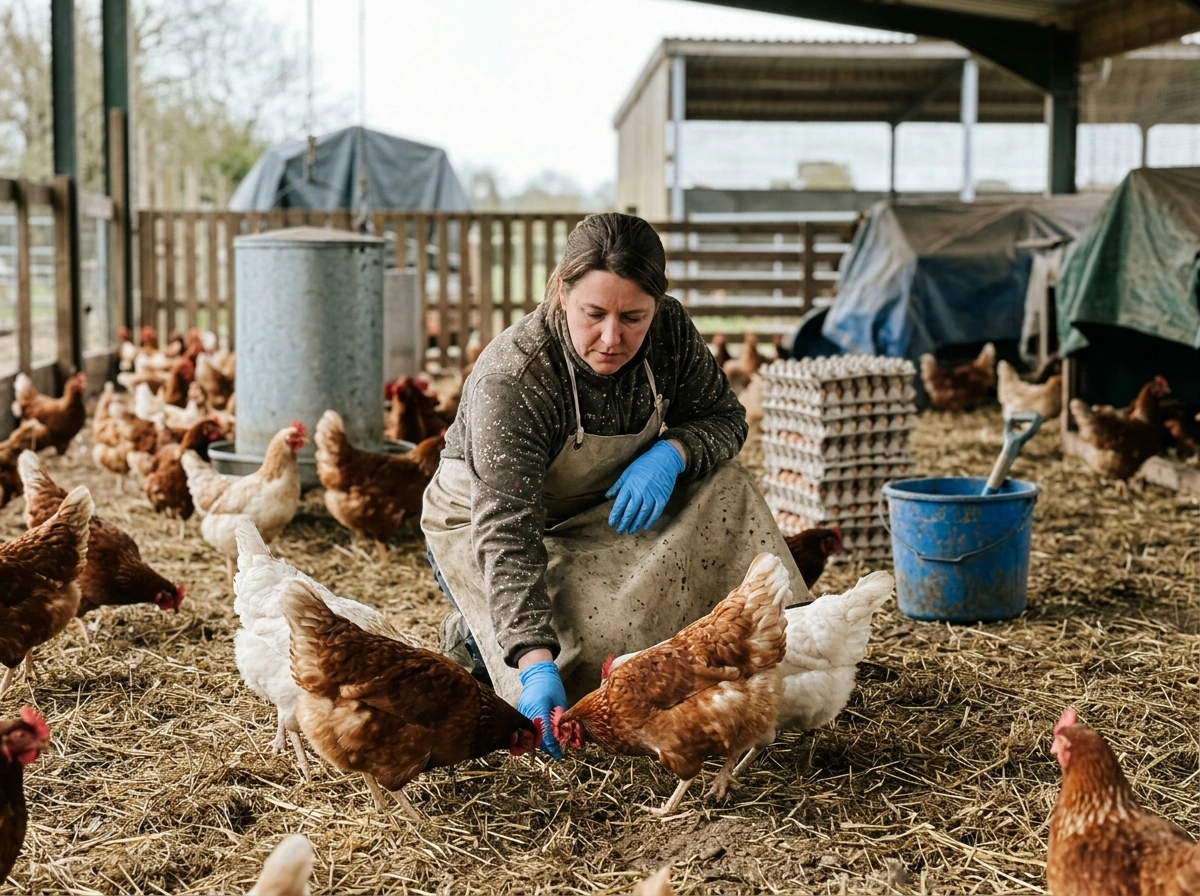
- Poultry farm workers and farm owners who handle live birds, clean coops, or process carcasses
- Backyard flock keepers, especially those whose birds have had contact with wild birds
- Veterinarians, animal health workers, and USDA inspectors involved in poultry operations or wildlife handling
- People who handled sick or dead wild birds with bare hands
- Hunters or wildlife processors who handled infected waterfowl without protective gear
- Travelers who visited live bird markets in countries with active HPAI outbreaks
The virus spreads through contact with infected birds' saliva, mucus, feces, and respiratory secretions. You can also be exposed through contaminated surfaces, equipment, or even dust and air in a heavily contaminated enclosed space like a poultry barn. Touching your eyes, nose, or mouth after contact with an infected bird or contaminated environment is one of the most common ways infection enters the body, which is why hand hygiene is so critical in those settings.
If none of those categories describe you, your risk is genuinely low. The CDC continuously monitors for cases and tracks situations involving animal exposures, and sustained human-to-human transmission has not been established with the strains currently circulating. That doesn't mean zero risk, but it means the general public isn't in a high-risk category today.
Symptoms to watch for and when to get help fast
Symptoms of avian influenza in humans are not always the dramatic presentation you might expect. Recent U.S. human cases of H5 bird flu have frequently been mild, and one of the most notable early signs has been eye redness (conjunctivitis), which is a key symptom that doctors use for case recognition and surveillance. That's worth knowing because someone might dismiss pink or irritated eyes as allergies after a farm visit, when it could actually be the first signal of exposure-related illness.
Beyond conjunctivitis, symptoms can include fever, cough, sore throat, runny nose, muscle aches, and headache. In more severe cases, illness can progress to pneumonia and serious respiratory distress. The range from mild upper respiratory symptoms to life-threatening illness is real, and that range reflects the fact that different strains behave differently in the human body.
When to seek medical care immediately
If you've had recent exposure to birds or poultry and develop any of the following within 10 days, contact a healthcare provider or call ahead to an emergency room right away. Don't just walk in without calling first, because clinics need to prepare for potential infection control.
- Eye redness or irritation combined with any respiratory symptoms after bird contact
- Fever above 100.4°F (38°C) with cough or difficulty breathing
- Rapid worsening of respiratory symptoms over 24 to 48 hours
- Severe shortness of breath, chest pain, or confusion
- Fever and flu-like illness within 10 days of visiting a live bird market, farm, or handling wild birds
When you call, tell the healthcare provider specifically about your bird exposure before you arrive. This matters because the clinical approach, including which antiviral medications and tests are appropriate, changes when avian influenza is suspected. Oseltamivir (Tamiflu) is used for treatment and post-exposure prophylaxis when a novel avian influenza case is suspected, but it needs to be started quickly to be most effective.
Prevention steps you can take today
Whether you're a poultry worker, a backyard flock keeper, or just someone who wants to be careful, there are concrete things you can do right now to reduce your risk. The measures are practical and most of them don't require any special equipment.
If you work with or keep birds
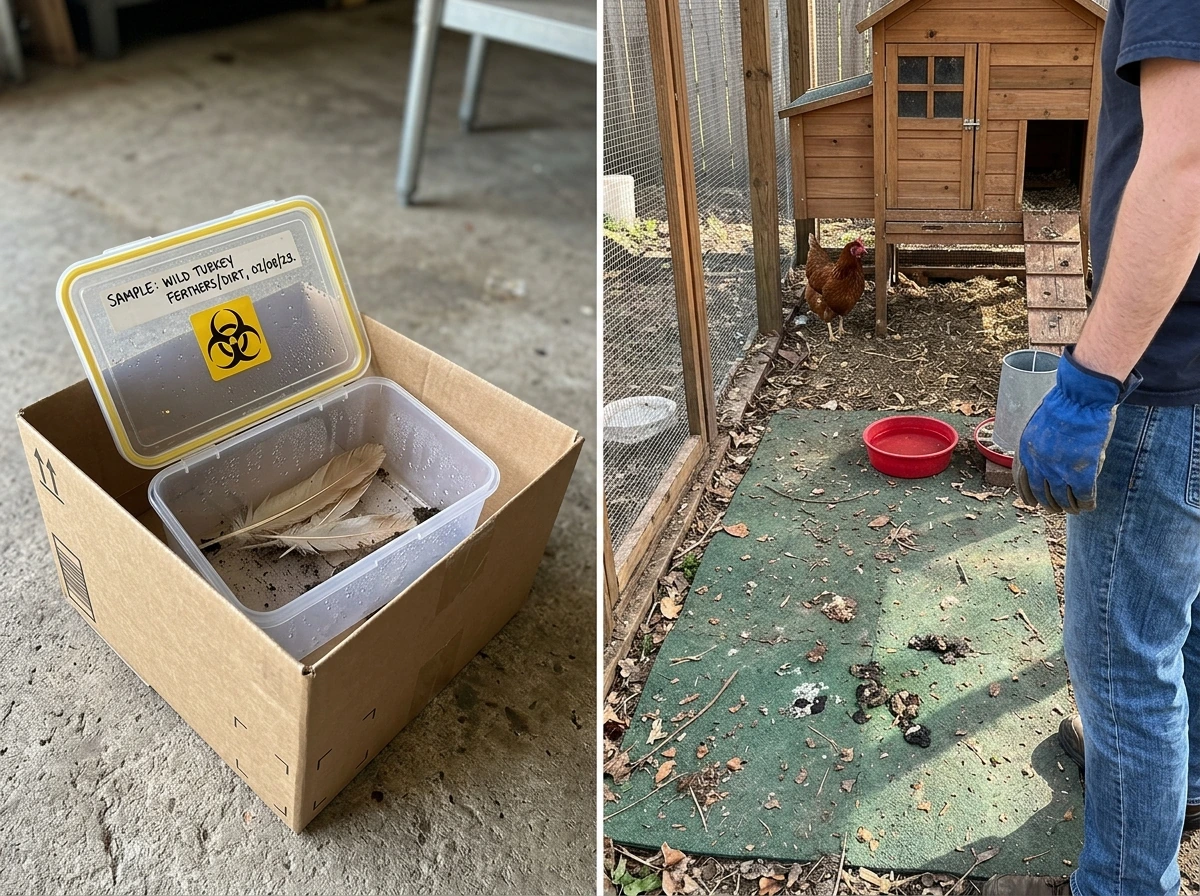
- Wear gloves and eye protection (goggles or face shield) whenever handling birds, cleaning coops, or working in environments with bird droppings or feathers
- Wear a properly fitted N95 respirator or better when working in enclosed spaces with birds, especially if there's any suspicion of illness in the flock
- Change clothes and shoes before leaving the farm or coop area, and shower as soon as possible afterward
- Never touch your face with gloved or unwashed hands in bird environments
- Report sick or dead birds to your state veterinarian or USDA APHIS immediately — do not wait to see if the flock recovers
- Keep wild birds away from your domestic flocks as much as possible: cover feed, use netting, and secure enclosures
Food safety around poultry and eggs
Properly cooked poultry and eggs are safe to eat. Heat kills avian influenza viruses, so cooking chicken, turkey, and eggs to the USDA-recommended internal temperatures eliminates the risk. The problem comes from handling raw poultry, not from eating it cooked. Wash your hands thoroughly with soap and water before and after handling raw poultry, use separate cutting boards for raw meat and other foods, and never eat raw or undercooked eggs.
For the general public
- Avoid touching sick or dead wild birds with bare hands — use a bag or gloves if you need to move one, and report it to your local animal control or wildlife agency
- Don't let children handle wild birds or pick up feathers from the ground
- Wash hands with soap and water for at least 20 seconds after any contact with birds or bird environments
- If you're traveling internationally, avoid live bird markets and don't handle poultry in areas with active outbreaks
What to do after a possible exposure: step by step
If you think you've had a meaningful exposure to infected or potentially infected birds, don't wait to see if you feel sick. The window for post-exposure prophylaxis (preventive antiviral medication) is narrow, and early action makes a real difference.
- Step 1: Remove and bag your clothing if you were in direct contact with sick or dead birds. Wash your hands and exposed skin immediately with soap and water.
- Step 2: Call your local or state health department right away and describe the exposure. They will walk you through whether you need testing, monitoring, or post-exposure antiviral medication.
- Step 3: If you can't reach your health department, call your primary care provider or an urgent care clinic and tell them you had bird or poultry exposure and are concerned about avian influenza — use those exact words.
- Step 4: Monitor your temperature and symptoms for 10 days after exposure. Keep a log of any symptoms and when they started.
- Step 5: Avoid close contact with others, especially people who are elderly, immunocompromised, or very young, until you've been cleared by a health professional.
- Step 6: If you develop fever, respiratory symptoms, or eye redness within those 10 days, call ahead before going to any healthcare facility and mention your exposure history immediately.
State and local health departments are the right first call in most cases. They coordinate directly with the CDC on avian influenza cases and can authorize testing and antiviral treatment quickly. You don't need to figure this out alone.
Where to get reliable outbreak information and how to read it

There's a lot of noise around bird flu right now, and it can be hard to separate genuine risk from overblown headlines. Here's where to look and what to actually pay attention to.
| Source | What it's best for | How often to check |
|---|---|---|
| CDC Bird Flu page (cdc.gov/bird-flu) | Human case counts, symptom guidance, antiviral recommendations, current U.S. risk level | Weekly or when you hear a new story |
| USDA APHIS Avian Influenza page | Active poultry outbreak locations, affected flocks, state-by-state information | Regularly if you keep birds or work in agriculture |
| WHO Avian Influenza updates | International outbreak data, guidance for travelers, global strain tracking | If you're traveling or want global context |
| Your state health department | Local human case reports, exposure guidance specific to your region | Whenever there's a local outbreak report |
| PAHO (Pan American Health Organization) | Outbreak data for North and South America, particularly for travelers | Before international travel to affected areas |
When you read a bird flu update, focus on three specific pieces of information: the strain involved (H5N1, H5N2, etc.), whether there is evidence of human-to-human transmission, and whether cases are linked to a specific exposure type (poultry farms, wild birds, live markets). If a report shows a new human case but it's traced to direct poultry contact with no onward spread to household contacts, that's a very different situation from a cluster of cases with no clear animal exposure. The agencies listed above explain this context in their updates, so read past the headline.
The key number to watch is whether the general public risk level has been raised by the CDC. As of today, that level has remained low for people without animal exposure. If that changes, the CDC updates its situation summary rapidly and publicly. Bookmark it and check it when you see a new news story rather than relying on the headline alone.
Your goal isn't to eliminate all anxiety about bird flu. It's to have a clear plan based on your actual exposure situation. If you work with birds: use protection, know the symptoms, and have your health department's number saved. If you don't: cook your food properly, wash your hands, don't handle wild birds, and check the CDC page if a local outbreak is reported. That's genuinely enough to be well-prepared.
FAQ
What if I just saw a news story, do I still need to get checked for what about bird flu?
If you only encountered a headline and did not have contact with poultry, backyard birds, wild birds, or a farm setting, you usually do not need medical testing or antiviral medication. Focus on hygiene and food safety, and watch for symptoms only if you had a real exposure. If you are unsure whether your contact counts, call your local health department and describe what happened (type of birds, location, and how close you were).
How do I know whether my exposure to poultry counts as a real bird flu risk?
If you handled raw poultry or cleaned a coop, but you did not have direct contact with sick or dead birds (or contaminated barn areas), your risk is much lower. The higher concern exposures include touching wild birds, handling visibly ill or dying poultry, working in enclosed poultry barns with heavy contamination, or touching your eyes, nose, or mouth after such contact. When in doubt, tell a clinician exactly what you did, including whether the birds were sick and whether you used gloves or mask.
If I was exposed, how fast do I need to act for what about bird flu prevention medication?
A key timing point is that antiviral protection works best when started quickly after an exposure. If you think you had a meaningful exposure, you should contact a healthcare provider or local health department without waiting for symptoms, because the post-exposure window is limited. Do not rely on symptom onset to trigger care, especially after farm or poultry-handling work.
What should I do when I call a clinic about possible bird exposure, and do I need to mention it before arriving?
Do not walk into an urgent care or emergency department without calling first when bird flu is a concern, because staff may need to use infection control precautions and choose appropriate tests. When you call, include the date of exposure, the type of bird contact, and any early symptoms such as eye redness. This helps them decide whether to evaluate for avian influenza rather than routine respiratory illness.
Could what about bird flu start with eye redness, and should I treat it like allergies?
Yes. Conjunctivitis (eye redness) after bird or poultry exposure can be an early sign and should not automatically be treated as seasonal allergies. Other symptoms like fever, cough, sore throat, runny nose, muscle aches, and headache can follow. If you develop eye irritation plus recent exposure, contact a provider and mention the bird contact explicitly.
If I live with someone sick, does what about bird flu change for household contacts?
The article highlights that sustained human-to-human transmission has not been established for strains currently circulating, but risk still depends on strain and exposure. If you are a household contact of someone who is suspected of having avian influenza, that situation is different from random community exposure. In that scenario, call the health department or a clinician for guidance on whether monitoring or testing is appropriate for you.
Is what about bird flu a food-borne risk from eating chicken or eggs?
Proper cooking is about temperature, not appearance. Poultry and eggs are safe when cooked to USDA-recommended internal temperatures, and heat also destroys the virus on food. The main problems come from raw handling, including cross-contamination on cutting boards and surfaces, so wash hands and utensils after raw meat contact.
What are practical hygiene steps that matter most after handling raw poultry in case of what about bird flu?
If you come into contact with raw poultry, treat it as a contact-risk issue, even if the birds were not visibly sick. Wash hands with soap and water before and after handling, avoid touching your eyes, nose, or mouth during handling, and use separate cutting boards to prevent spreading material onto ready-to-eat foods. Gloves can help, but they do not replace handwashing if you remove them or touch other surfaces.
What should I do if I find a dead or sick wild bird, regarding what about bird flu?
You should avoid handling wild birds, especially if they are dead, lethargic, or clustered in large numbers. If you must remove birds due to safety concerns, contact local animal control or health authorities for instructions rather than handling them directly, because cleaning procedures and ventilation choices can affect exposure.
When I read an update, what details should I check first for what about bird flu risk?
The safest approach is to track three things: the named strain (such as H5N1), whether there is evidence of human-to-human transmission, and the exposure link (poultry farms, wild birds, or live markets). A single confirmed case traced to direct poultry exposure with no onward spread is different from a cluster without an identified animal source. When updates change, rely on the CDC situation summary rather than a single headline.
If my local area has a bird flu report, what should I change in daily life?
If a local outbreak is reported, actions are typically exposure-focused rather than panic-focused. Examples include avoiding contact with sick poultry, using protective equipment if you work with birds, following cleaning guidance for barns, and keeping your healthcare contact information ready for rapid call-ahead if symptoms occur. If you are not exposed, there is usually no need for special restrictions beyond routine hygiene and properly cooked food.
Next Article
What Are Bird Flu Viruses and How Do They Spread
Learn what bird flu is, which influenza A viruses infect birds and how they spread to people and who is at risk.