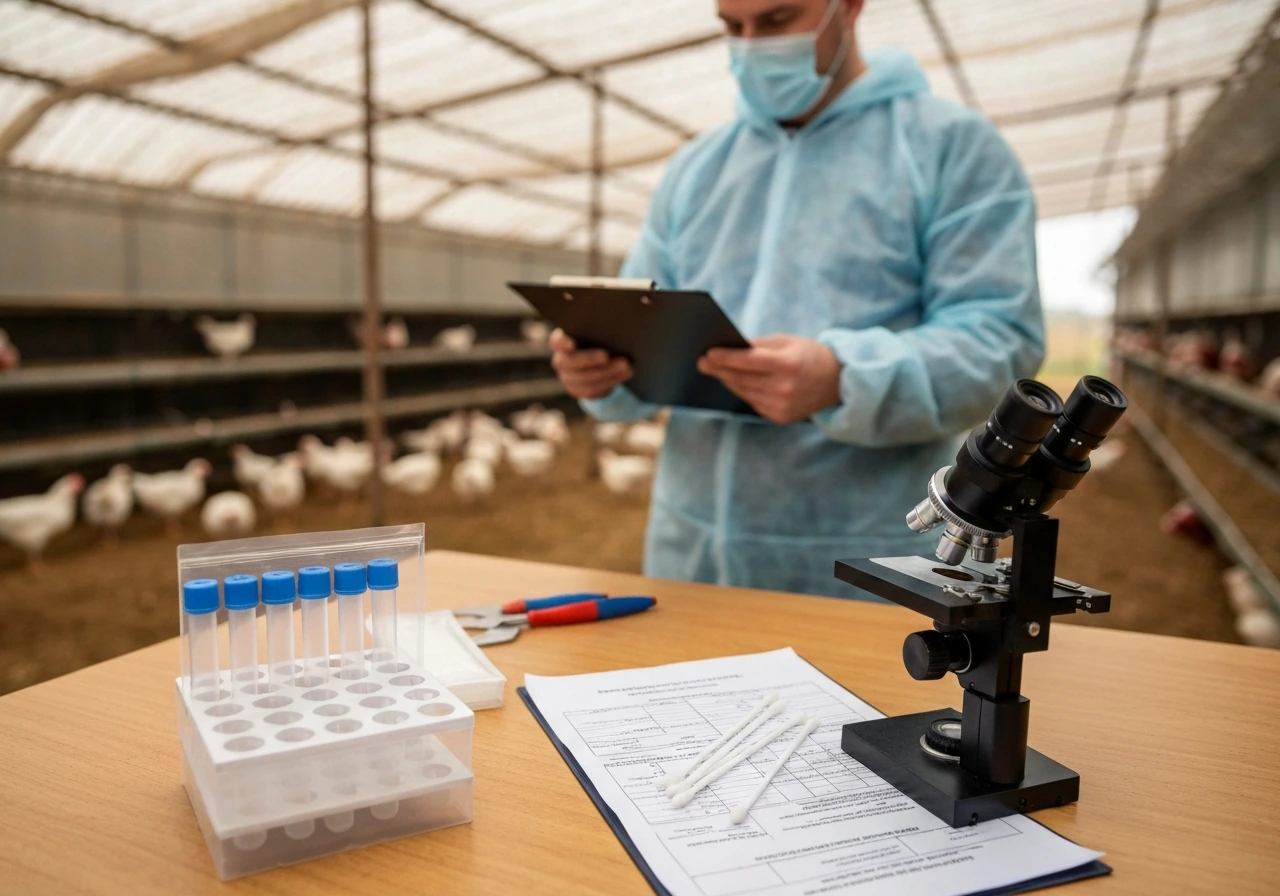
Avian bird flu and avian influenza are the same thing. You will see both terms used interchangeably by the CDC, WHO, and USDA, and neither one is more technical or more serious than the other. If you have been reading about an outbreak in poultry, dairy cattle, or even a human case and are trying to figure out what exactly this virus is and whether it affects you, here is a straight answer. If you want the basics, this section also covers what are bird flu and how it spreads.
What Is the Avian Bird Flu (Avian Influenza)?

Sarah Chen
22 Mar 2026
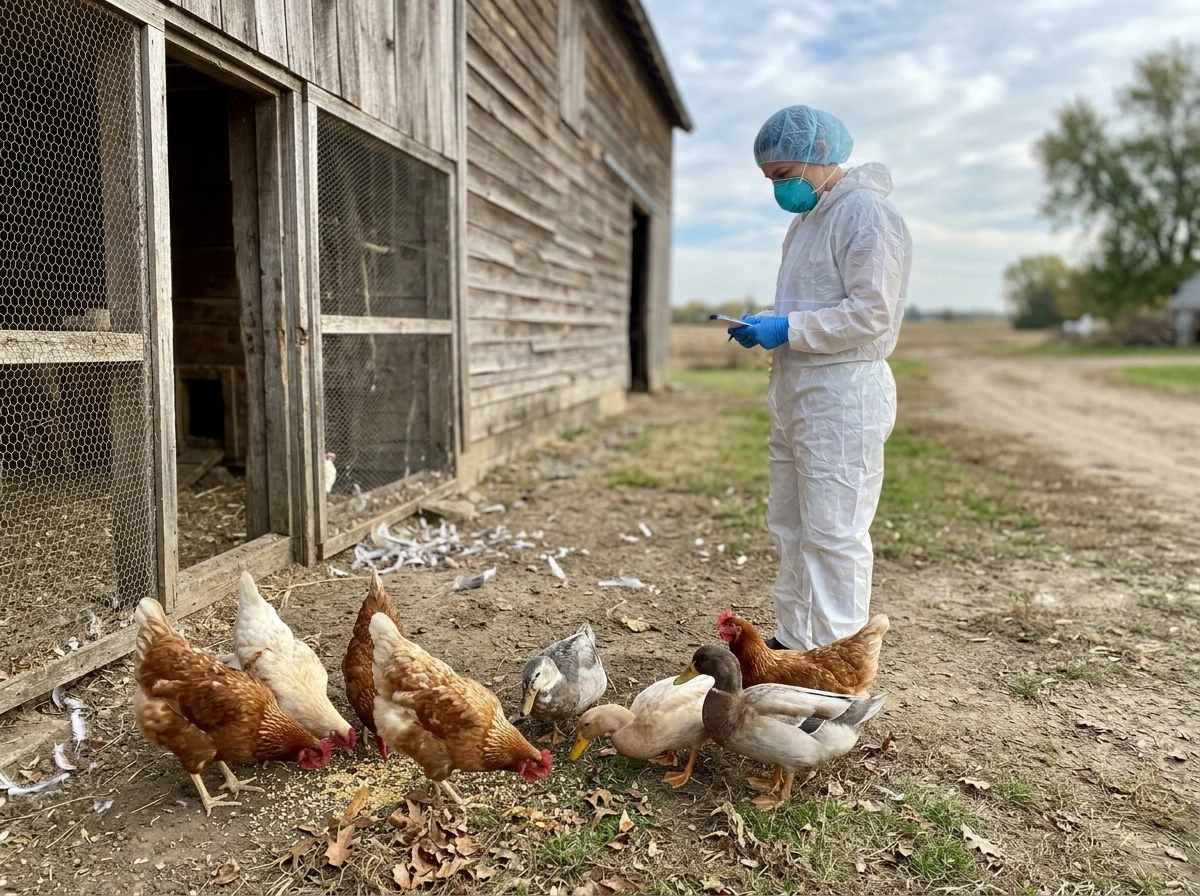
"Avian bird flu" vs "avian influenza": what people actually mean
The phrase "avian bird flu" is essentially a double description (avian means relating to birds), but it has become the everyday way people search for and talk about the disease. "Avian influenza" is the formal term used in official public health documents. "Bird flu" is the common shorthand. All three phrases point to the same disease. The CDC uses "bird flu" and "avian influenza" interchangeably in its own guidance, and the WHO defines avian influenza (sometimes known as bird flu) as a disease caused by a virus that mainly affects birds but can also affect mammals, including humans. So if someone asks whether avian flu is the same as bird flu, the answer is yes, completely.
Where it gets slightly more complex is when agencies add specific labels like HPAI (high pathogenicity avian influenza) or a subtype name like H5N1. Those are more precise descriptions of the same broad disease category, not different diseases. More on that below.
What avian influenza actually is
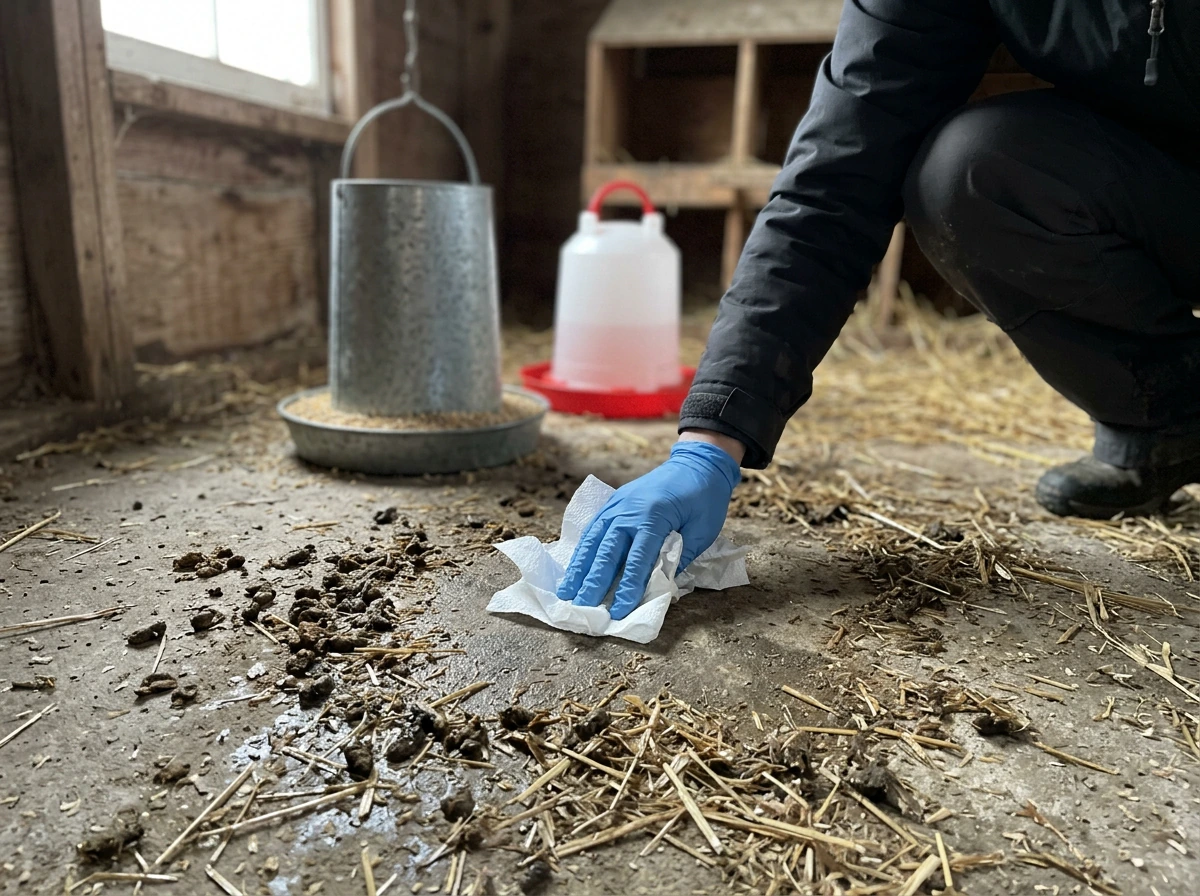
Avian influenza is a contagious viral disease that primarily affects birds, both domestic (chickens, turkeys, ducks) and wild. The USDA describes it as a contagious viral disease of domestic and wild birds, and the CDC confirms it is caused by avian influenza Type A viruses, which is a specific category within the broader influenza virus family. This matters because it is distinct from the seasonal flu strains that circulate among people every winter. Avian influenza A viruses and typical human seasonal flu are different enough that your annual flu shot does not protect against bird flu strains.
Not all avian influenza is the same in terms of severity. Scientists classify strains into two broad groups based on how sick they make chickens: low pathogenic avian influenza (LPAI), which causes mild or no symptoms in birds, and highly pathogenic avian influenza (HPAI), which causes severe disease and can kill large numbers of birds rapidly. HPAI is what most outbreak headlines are about, and it is the category that public health agencies like the WOAH (World Organisation for Animal Health) emphasize when issuing animal-health alerts.
What causes avian bird flu: the virus and how it spreads

The virus itself
Avian influenza is caused by influenza Type A viruses. These viruses are classified by two proteins on their surface: hemagglutinin (H) and neuraminidase (N). Hemagglutinin has 16 subtypes (H1 through H16) and neuraminidase has 9 subtypes (N1 through N9). When you see a name like H5N1, it simply identifies which H and which N proteins the virus carries. H5N1 is currently the subtype most discussed in outbreak news, and it is classified as HPAI (highly pathogenic). Other subtypes like H5N2 and H5N8 have also caused U.S. poultry outbreaks in the past. The specific subtype matters because it helps researchers track how the virus is spreading and whether it is changing in ways that could affect mammals more easily.
How it spreads between animals
The primary route of spread among birds is contact with infected birds or their droppings, saliva, or mucus. Wild migratory birds, especially waterfowl, are natural carriers and can spread the virus to domestic flocks. Backyard chickens are at risk because wild birds can fly into or near their space. The USDA has flagged H5N1 as causing outbreaks in U.S. domestic birds and, more recently, dairy cattle, which was an unexpected development that expanded the known range of animal hosts.
How people get exposed
Human infections are not common, but they do happen. The CDC is clear that bird flu usually spreads between birds, not people, and that when humans do get infected it is almost always after close, unprotected exposure to infected birds or animals. The specific exposure routes the CDC identifies are: breathing in virus-containing droplets or dust from infected birds; touching contaminated surfaces (like cages, equipment, or feces) and then touching your eyes, nose, or mouth; and direct contact with infected birds or their body fluids. People at highest risk include poultry farm workers, live bird market workers, and anyone who handles sick or dead birds without protective equipment. The WHO identifies exposure to live or dead infected animals or contaminated environments, such as live bird markets, as a primary risk factor for human infection with avian influenza viruses live bird market workers. The WHO also flags visiting farms or markets in areas with active outbreaks as a risk factor.
Is avian flu the same as bird flu? clearing up the confusion
Yes, avian flu and bird flu are the same disease, just different labels. If you are wondering what about bird flu specifically, the key points are the same as for avian influenza: different labels for the same disease. The confusion mostly comes from media and public health documents using different terms depending on their audience. Official scientific documents tend to say "avian influenza." News headlines tend to say "bird flu." Everyday searches often combine both into "avian bird flu." None of these mean something different. Where genuine differences exist is at the subtype level (H5N1 vs H7N9, for example) or the pathogenicity level (HPAI vs LPAI), not in the name itself. If you are reading about "avian influenza A(H5N1)" in a CDC update and "bird flu H5N1" in a news headline, they are describing the same virus.
One thing worth noting: avian influenza is also very different from typical human seasonal flu in how it spreads and who is at risk. Seasonal flu spreads easily from person to person in communities. Avian influenza, by contrast, is driven by exposure to infected animals or contaminated environments. As of today (March 2026), the WHO has not identified sustained human-to-human transmission of any current avian influenza strain. That distinction matters a lot when you are trying to assess your own risk.
Who is actually at risk: birds, mammals, and people
For most people going about everyday life without contact with birds or farms, the current risk from avian influenza is very low. The WHO says avian influenza is caused by a virus that mainly affects birds but can also infect mammals, including humans. The WHO frames the public risk primarily around exposure: people who live in or regularly visit areas with active outbreaks in birds or animals, work with poultry or livestock, or handle wild birds face a meaningfully higher risk than the general public.
| Group | Risk level | Main exposure route |
|---|---|---|
| General public (no bird contact) | Very low | No direct animal exposure |
| Backyard flock owners | Low to moderate | Contact with own birds or wild birds visiting the flock |
| Poultry farm/processing workers | Moderate to higher | Regular contact with potentially infected birds, surfaces, equipment |
| Live bird market workers | Moderate to higher | Close contact with birds in enclosed, potentially contaminated spaces |
| People in areas with active HPAI outbreaks (visiting farms, markets) | Low to moderate depending on contact | Environmental contamination, animal contact |
| People who drink raw/unpasteurized milk | Low but unnecessary | Virus can be present in raw milk from infected cattle |
The WHO also advises people to avoid contact with surfaces contaminated with animal feces, which is especially relevant if you are visiting a farm, a live animal market, or any setting where birds are kept or processed. Minimizing contact with animals in those settings is the core prevention message for the general public.
What to do if avian bird flu feels relevant to you right now
The right response depends heavily on your situation. Here is a practical breakdown based on who you are and what has happened.
If you have had recent contact with birds or farms
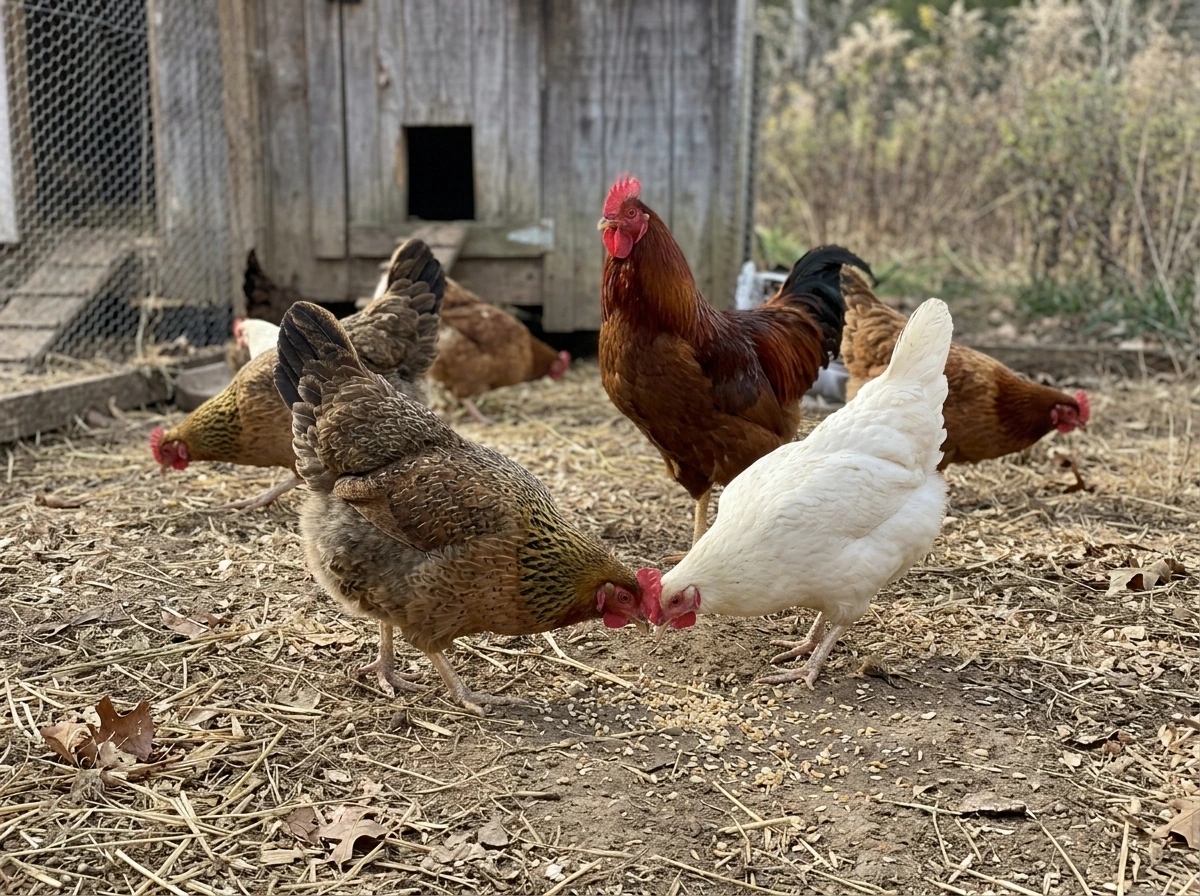
- Do not touch sick or dead birds with your bare hands. If you have already done so, wash your hands thoroughly with soap and water immediately.
- Avoid touching your eyes, nose, or mouth after handling any birds, bird droppings, litter, or equipment on a farm or in a backyard flock.
- If you were exposed without protective equipment and develop symptoms in the days that follow (fever, cough, difficulty breathing, or eye irritation/conjunctivitis), contact your doctor or local health department right away and tell them about the exposure. Do not just wait it out.
- If you own a backyard flock, keep wild birds away from your birds' food and water as much as possible. The CDC specifically flags wild bird contact as a key risk for backyard flocks.
If you are concerned about food safety
Properly cooked poultry, eggs, and beef are safe. The CDC confirms that cooking these foods to appropriate internal temperatures kills avian influenza A viruses. The one food safety step worth taking seriously right now is avoiding unpasteurized (raw) milk. The CDC advises against drinking raw milk specifically because the virus can be present in milk from infected cattle, and pasteurization eliminates that risk.
If you work with poultry or livestock
OSHA advises workers in poultry processing and care roles to monitor their health and contact their state or local health department if they develop symptoms after a potential exposure. If you suspect an animal in your flock or herd is sick, USDA APHIS recommends contacting a veterinarian immediately and reporting through official channels. USDA APHIS also provides biosecurity assessment resources and directs producers to contact the APHIS Area Veterinarian in Charge or state animal health officials for specific guidance.
If you are just following the news and want to stay informed responsibly

The CDC, WHO, and USDA APHIS all publish regular updates on avian influenza outbreaks. The CDC's bird flu response updates and the PAHO/WHO regional summaries are reliable places to check current outbreak status, especially for H5N1 activity in the Americas where clade 2.3.4.4b has been the predominant circulating strain. Staying informed through those sources is more useful than trying to track media headlines, which tend to oscillate between alarm and silence regardless of the actual situation on the ground.
The short version: avian bird flu, avian influenza, and bird flu all refer to the same disease caused by avian influenza Type A viruses. If you want a quick overview of what to know about bird flu, this article has you covered from basics to risk and practical steps. It primarily affects birds, can infect people through close unprotected contact with infected animals or contaminated environments, and is very different from seasonal flu in how it spreads. For most people, practical caution around birds (especially sick or dead ones), good hand hygiene, cooked food, and pasteurized dairy covers the main risks. If you have had a real exposure and feel unwell, call your doctor and mention the exposure. That is the step that matters most.
FAQ
If I see “avian influenza A(H5N1)” in a report, is that the same as “avian bird flu,” or a different illness?
They refer to the same overall disease category, but the first phrase adds specifics. “Avian bird flu” is the everyday label, “avian influenza” is the formal category name, and “A(H5N1)” identifies the exact subtype based on the H and N proteins. The outcome and risk level depend more on whether it is low or highly pathogenic than on the word used in the headline.
Does the avian bird flu vaccine for humans protect against it?
Not in a routine way. Regular seasonal flu vaccines are designed for the human seasonal strains and do not cover bird flu viruses. If you have been exposed and feel sick, medical care should focus on evaluation for the specific infection risk rather than assuming your annual shot provides protection.
What should I do if I had contact with a sick or dead bird, but I do not have symptoms yet?
Act on the exposure, not just symptoms. Wash hands thoroughly, avoid touching your eyes, nose, or mouth before you have cleaned up, and monitor yourself for fever, cough, sore throat, or breathing symptoms for the period your clinician recommends. If the exposure was close and unprotected (for example, handling the animal or contaminated material), contact a clinician or local health department to discuss whether testing or monitoring is appropriate.
Is it safe to eat eggs from backyard chickens during an outbreak?
Eggs from healthy birds are generally treated like other food products, but during an outbreak the key is preventing contamination and cooking correctly. Avoid using eggs from birds that look sick or have died suddenly, keep eggs refrigerated, and cook eggs until firm (no runny yolks). If you have carcasses or droppings in the coop, focus on cleaning and strict hand hygiene before handling eggs.
Can I catch avian bird flu from touching bird feathers, cages, or surfaces in public places?
Indirect spread is possible when virus is on contaminated surfaces and you then touch your face (eyes, nose, mouth), but the risk is not the same as airborne human-to-human transmission. If you encounter contaminated cages, droppings, or equipment, wear gloves if you need to handle anything, clean hands afterward, and avoid face touching until you can wash thoroughly.
What is the practical difference between LPAI and HPAI for people who worry about their risk?
LPAI typically causes milder illness in birds, so outbreaks may be less noticeable. HPAI is more likely to cause rapid die-offs or severe disease in poultry and tends to drive higher animal-health attention. For human risk, exposure intensity and protection matter most, but HPAI outbreaks are more likely to involve environments with more virus.
If someone in my household is exposed, do I need to isolate from them?
For typical avian influenza situations, household spread is not the usual pathway. Still, if an exposed person develops symptoms, they should seek medical advice promptly and mention the animal exposure. Basic precautions like not sharing utensils, improving ventilation, and avoiding face touching are reasonable while they are being assessed, but long-term isolation is generally not required without medical guidance.
Does disinfecting poultry areas at home prevent infection, and what should I avoid?
Cleaning reduces the chance of contaminated dust and residue contacting your face. Use appropriate disinfectants and follow label directions, and avoid mixing chemicals that can create toxic fumes. The most important steps are removing organic material first (manure, bedding), then disinfecting, and using gloves and eye protection if you are cleaning heavily contaminated areas.
Are pets like cats or dogs at risk, or can they bring bird flu into the home?
Pets can potentially be contaminated if they contact sick or dead birds, but pets are not considered the main driver of spread. If your pet has had contact with a sick bird, prevent them from licking your face, wash their paws and fur if needed, and clean the area they were in. If your pet becomes ill, contact a veterinarian and mention the animal exposure.
What information should I give my doctor after a real exposure to bird flu risk?
Be specific about timing, type of exposure, and protection. Include when the contact happened, what you did (for example, handled a dead bird, cleaned droppings, milk contact, or worked around cattle or poultry), whether you used gloves or a mask, and what you saw (sick birds, dead birds, or contaminated surfaces). That helps clinicians decide whether testing or targeted monitoring is appropriate.
Next Article
What Is Bird Flu Called? Avian Influenza and H5 vs H7
Bird flu is avian influenza, an influenza A virus. Learn what H5 and H7 mean and how to confirm the subtype.