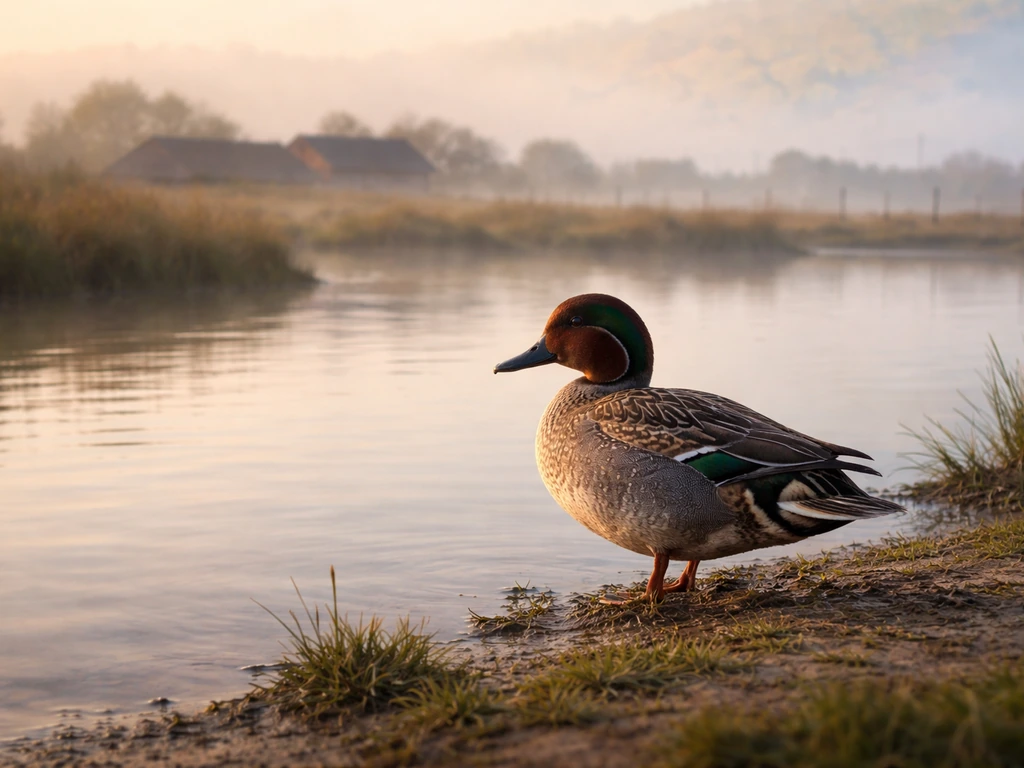
Bird flu, or avian influenza, refers to a group of influenza Type A viruses that naturally infect birds and, in some cases, spread to mammals including humans. That's the short answer. The longer answer is that not all bird flu viruses are equal, they don't all behave the same way, and whether you need to worry right now depends heavily on where you live, what you do for work, and how close you get to birds. This guide walks you through everything from the basic definition to how to check whether there's an active outbreak in your area today. It is often described in plain terms as the condition caused by avian influenza viruses in birds.
What Are Bird Flu Viruses and How Do They Spread

Sarah Chen
22 Mar 2026
What bird flu actually is, in plain language
Bird flu is the common name for avian influenza, a disease caused by infection with avian (bird) influenza Type A viruses. The CDC and WHO both define it essentially the same way: a virus that primarily affects birds but can occasionally infect mammals, including people. Think of it as the bird version of the flu, except that some strains can jump species under the right conditions.
The term covers a wide family of viruses, not just one single bug. When people say "bird flu," they usually mean the strains that have made headlines, most often H5N1 or H7N9, but there are many subtypes circulating in wild and domestic bird populations around the world at any given time. Some are dangerous. Many are not.
How the bird flu virus is identified
Influenza A viruses are classified by two proteins on their surface: hemagglutinin (H) and neuraminidase (N). There are 18 known H subtypes and 11 known N subtypes, which is why you see names like H5N1, H7N9, or H9N2. For bird flu specifically, the strains that tend to cause the most concern in both birds and humans fall under the H5 and H7 groupings, according to the USDA.
Beyond the H and N labels, bird flu strains are also categorized by how sick they make birds. Highly pathogenic avian influenza (HPAI) can devastate poultry flocks rapidly, with very high death rates. Low pathogenic avian influenza (LPAI) typically causes few or no visible signs in birds. If you ever see a news headline about bird flu wiping out a flock of chickens or turkeys, that's almost always HPAI, usually an H5 or H7 strain. LPAI, by contrast, might cause some mild respiratory symptoms or a drop in egg production and then pass without anyone noticing.
Where bird flu comes from and how it spreads
It starts with wild birds
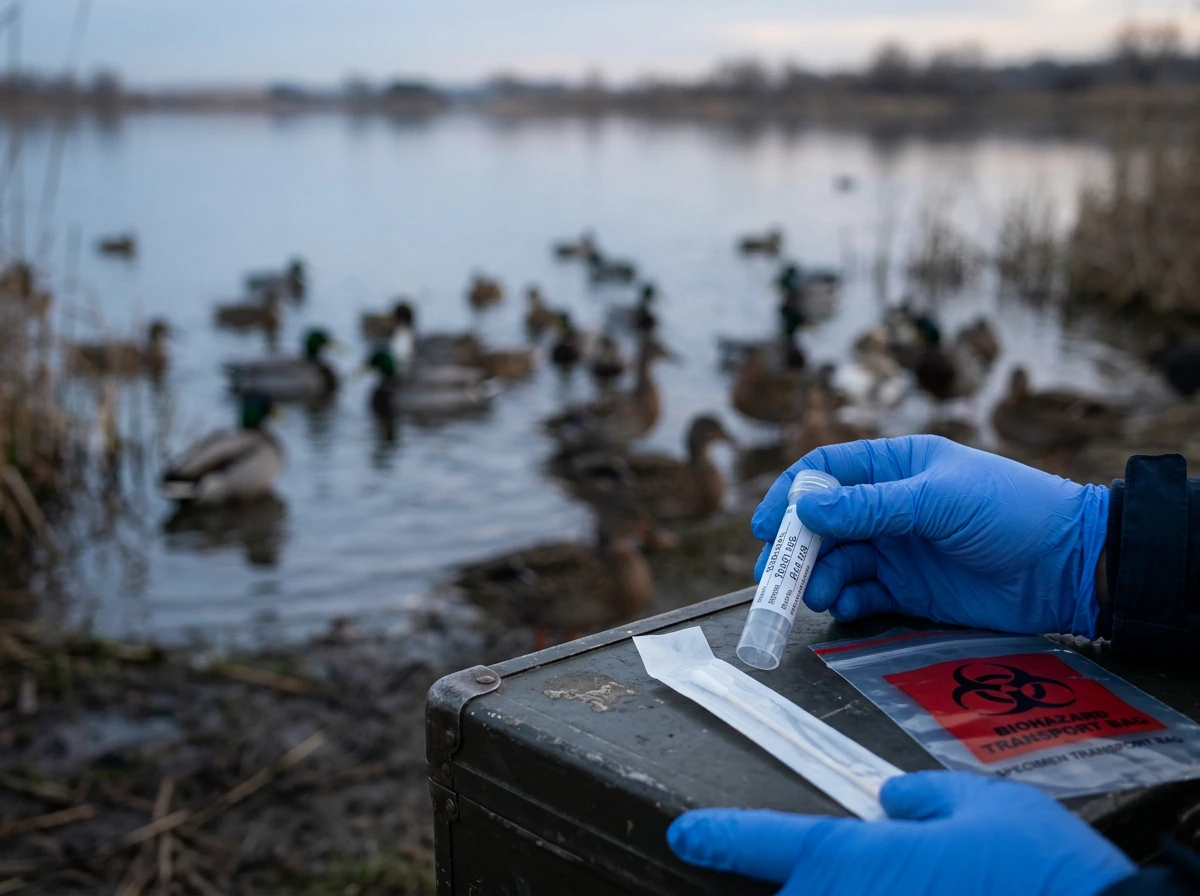
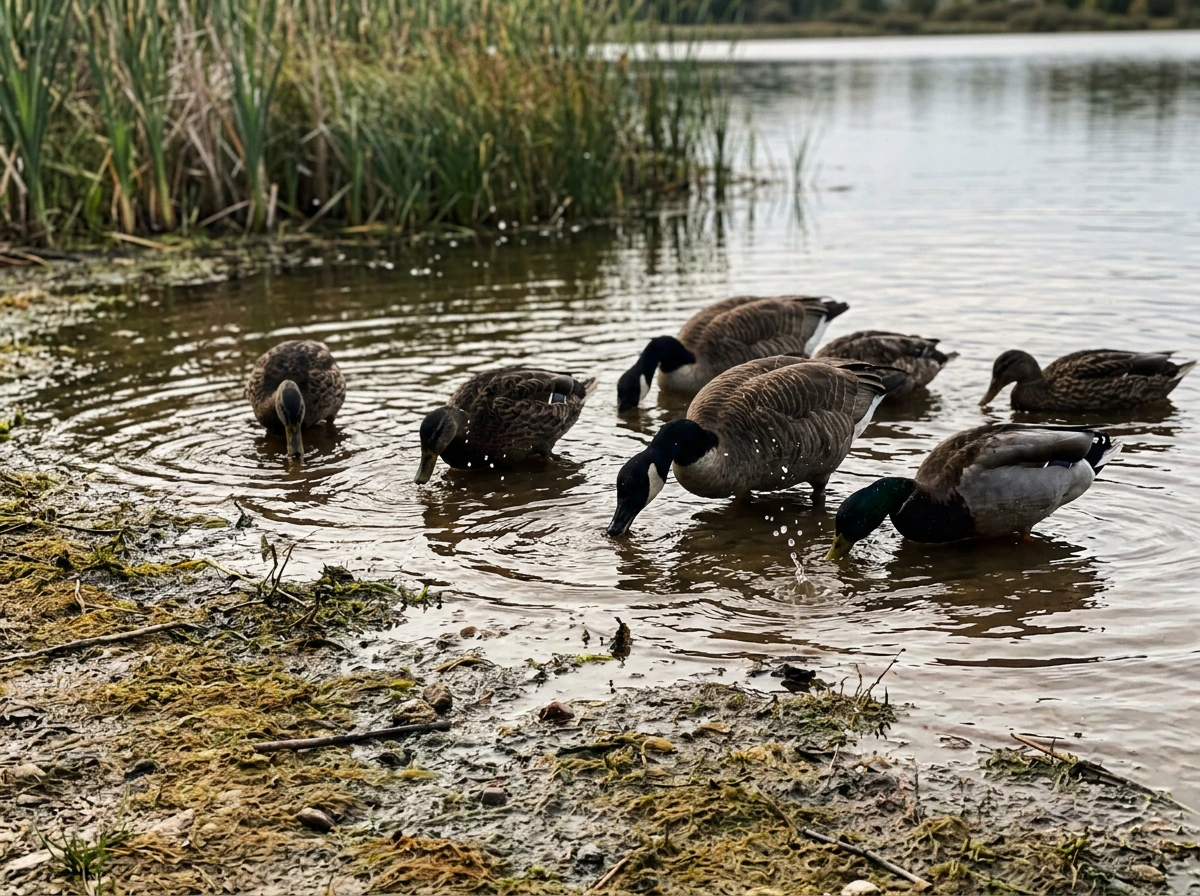
Wild birds, especially waterfowl like ducks and geese, are the natural reservoir for avian influenza viruses. Many of these birds carry the virus without ever getting sick themselves, particularly with LPAI strains. The problem starts when infected wild birds come into contact with domestic poultry. Because domestic chickens and turkeys have no natural resistance built up the way migratory waterfowl do, the same virus that barely bothers a duck can tear through a poultry barn. Wild bird migration is a key driver of how the virus spreads geographically, carrying strains across continents as birds move along their annual routes.
How it spreads between birds
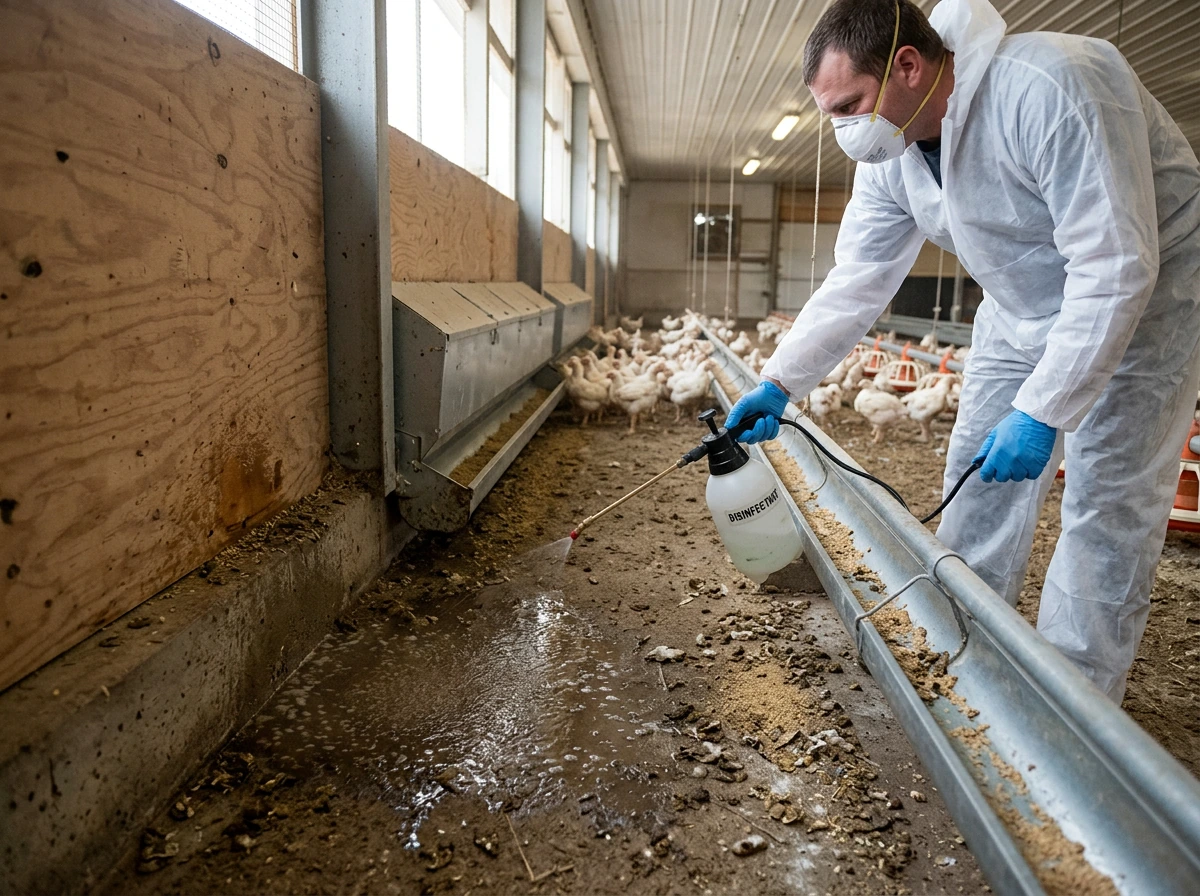
Bird-to-bird transmission happens primarily through secretions and excretions, especially feces. Infected birds shed the virus in their droppings, saliva, and nasal secretions. When other birds come into contact with contaminated surfaces, water, or feed, the virus spreads. In a commercial poultry facility, shared equipment, vehicles, footwear, and even dust can carry the virus from one house to another, which is why outbreaks can escalate so quickly once they take hold.
How people get infected
Human infections are almost always tied to direct, close contact with infected birds or contaminated environments. The CDC is clear on this: the closer you are to an infected animal or a contaminated environment, the higher your risk. Transmission to people typically happens when the virus reaches your eyes, nose, or mouth, either by breathing in droplets or dust carrying the virus, or by touching a contaminated surface and then touching your face. Live bird markets, poultry farms, and backyard flocks where birds are sick or dying are the highest-risk settings. The WHO identifies exposure to live or dead infected animals and contaminated environments like live bird markets as the primary risk factor for human infection.
Human-to-human transmission of avian influenza remains rare and has not been sustained in any documented outbreak. That distinction matters: getting bird flu from a sick bird is very different from catching it the way you'd catch regular seasonal flu from a coworker.
What bird flu looks like: in birds and in people
Signs in birds
The picture in birds depends almost entirely on whether it's HPAI or LPAI. With LPAI, you might see mild respiratory signs in chickens or turkeys, a drop in egg production, and otherwise normal behavior. Death losses are typically low. HPAI is a completely different scenario: it spreads rapidly through a flock, and death rates can be extremely high. Sometimes the first sign of HPAI is birds dying suddenly with very little warning. Poultry handlers are advised to report any unusual cluster of illness or death immediately, because waiting even a day or two can allow the virus to spread to neighboring farms.
Signs in people
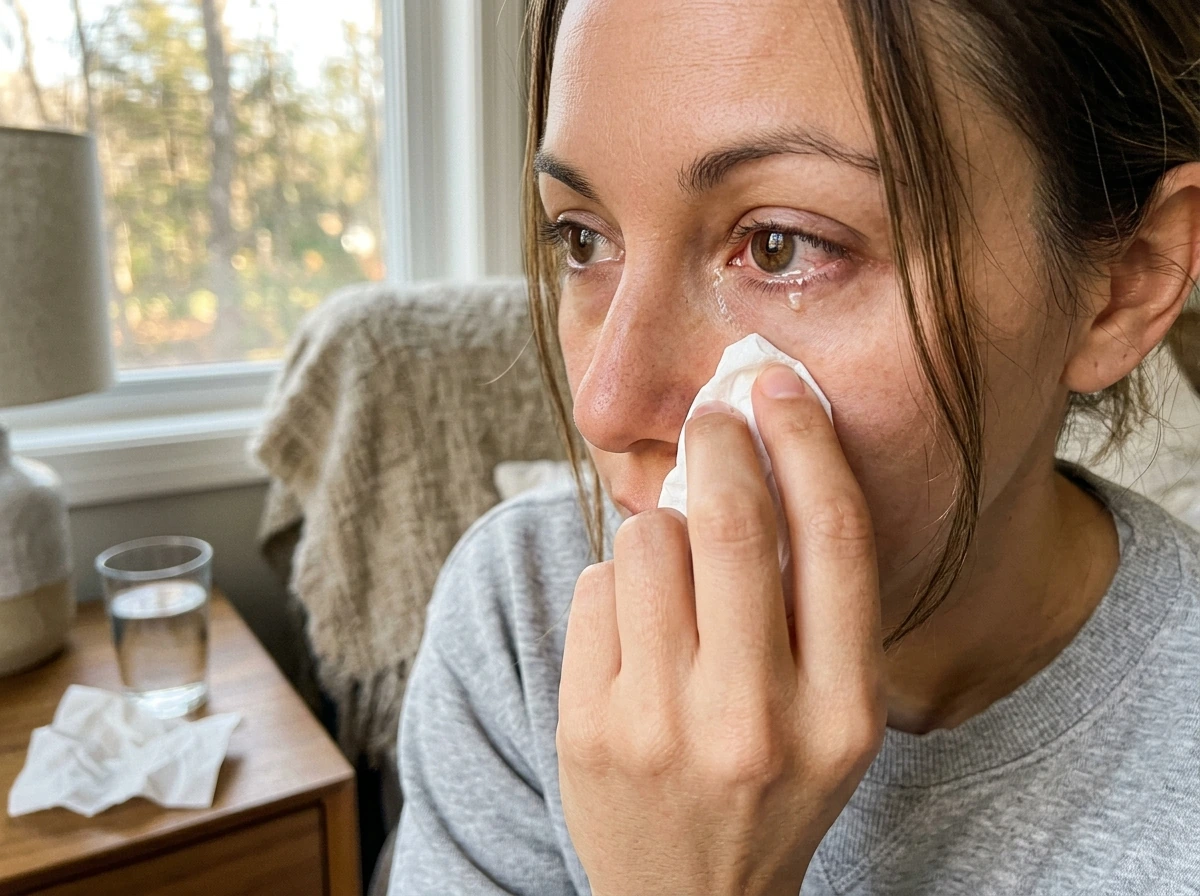
In humans, bird flu illness can range from mild to severe. On the mild end, some people develop conjunctivitis (eye redness and discharge) or flu-like symptoms like fever, cough, and body aches. On the severe end, particularly with H5N1, people can develop serious respiratory illness, pneumonia, and in some cases, fatal outcomes. Between January 1 and August 4, 2025, 26 human infections with H5N1 were detected globally, including deaths in multiple countries, according to CDC data. Those numbers sound alarming, but context matters: virtually all cases involved people who had direct contact with infected animals. This is not a virus spreading easily through the general population right now.
Why bird flu keeps happening
Bird flu isn't a new problem and it isn't going away. Wild birds will always carry influenza A viruses. The conditions that allow those viruses to spill into domestic poultry, and occasionally into people, haven't changed: global wild bird migration, dense commercial poultry operations, live bird markets where multiple species mix, and situations where people work closely with birds without adequate protection. Influenza viruses also mutate constantly, and as they replicate in different hosts, they can acquire new traits. That ongoing genetic change is part of why surveillance is so important and why public health agencies track bird flu so closely.
Geography matters too. Certain migratory flyways, particularly in Asia, the Middle East, Europe, and the Americas, see higher levels of wild bird activity and have historically been hotspots for avian influenza detections. In the United States, HPAI has caused significant poultry outbreaks in multiple waves over the past decade, driven largely by wild bird flyways crossing through agricultural regions.
Is bird flu over? How to check what's happening right now
Bird flu is not over. It is not a one-time event or a past problem. HPAI circulates in wild birds continuously and causes poultry outbreaks on and off every year in many parts of the world. What changes is the scale and geography of active outbreaks. The honest answer to "is bird flu back?" is that it never really left, but whether there's an active outbreak affecting your region right now is something you should check directly from current data rather than rely on general statements. For the most up-to-date guidance on what to know about bird flu, check current alerts from public health agencies in your area.
Here's how to get an up-to-date picture as of today, March 22, 2026:
- Visit the APHIS (USDA) confirmed HPAI detections dashboard. It tracks confirmed detections in commercial and backyard flocks across the U.S., broken down by state. Look at the last 30 days of detections for the clearest picture of current activity.
- Check the CDC's USDA-reported H5N1 detections page, which includes a map and data table of H5 detections in commercial poultry facilities, backyard flocks, and hobbyist flocks.
- For wild birds, the CDC's current situation page for bird flu in wild birds is updated regularly and explains what's being detected and where.
- For global human cases, the CDC's global H5N1 human case summary and the WHO's avian influenza fact sheets are the most reliable sources.
- For international animal outbreaks, the World Organisation for Animal Health (WOAH) runs a real-time information system called WAHIS where confirmed detections in animals are reported by member countries.
None of these sources require an account to access, and they're updated frequently. If there's a major outbreak in your state or country, these pages will reflect it within days of confirmation.
HPAI vs. LPAI: a quick comparison
| Feature | HPAI (Highly Pathogenic) | LPAI (Low Pathogenic) |
|---|---|---|
| Effect on domestic poultry | Rapid spread, very high death rate | Mild respiratory signs, low death rate |
| Effect on wild birds | Can cause severe illness and death | Usually no visible signs |
| Common subtypes of concern | H5N1, H5N6, H7N9 | H9N2, various H5/H7 low-path strains |
| Human infection risk | Higher (H5N1, H7N9 most documented) | Lower, but H9N2 human cases reported |
| Human illness severity | Can be severe, even fatal | Usually mild or asymptomatic |
| Reporting requirement | Mandatory, immediate | Required in many jurisdictions |
| Speed of flock impact | Can wipe out a flock in days | May go undetected for weeks |
If you're choosing which type of bird flu to be more concerned about from a public health standpoint, HPAI strains, especially H5N1, are the ones that warrant the most attention. They're the ones that have caused human deaths and the ones that health agencies actively monitor for pandemic potential.
Who is most at risk and what to do about it
The people who need to pay closest attention
Your risk of getting bird flu is closely tied to how much contact you have with birds, particularly sick or dead birds, and contaminated environments. OSHA and the CDC identify the following groups as having the highest occupational exposure risk:
- Poultry farm workers and poultry processing plant employees
- Dairy farm workers (relevant given H5N1 detections in cattle herds)
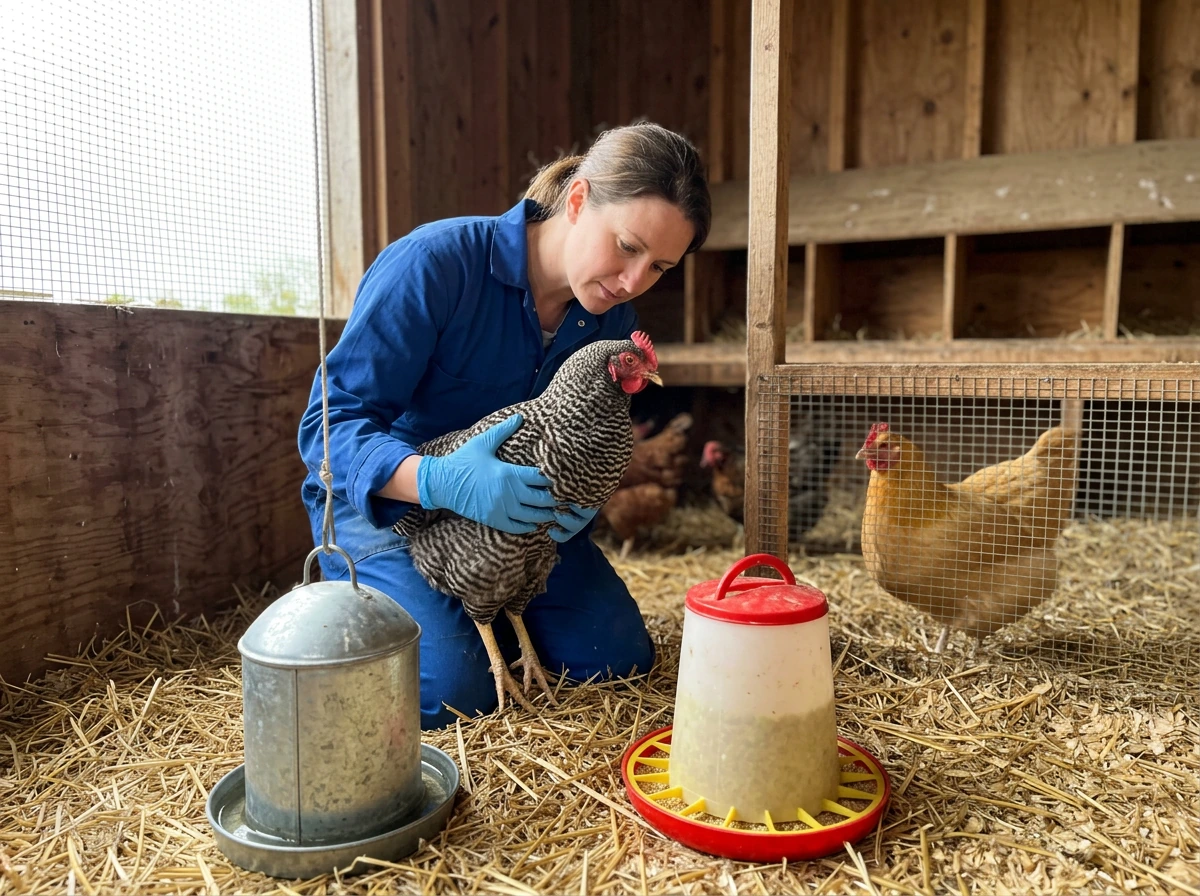
- Backyard flock owners and hobbyist bird keepers
- Farmers and ranchers who handle animals
- Wildlife biologists, veterinarians, and animal health professionals
- Laboratory workers handling bird flu samples
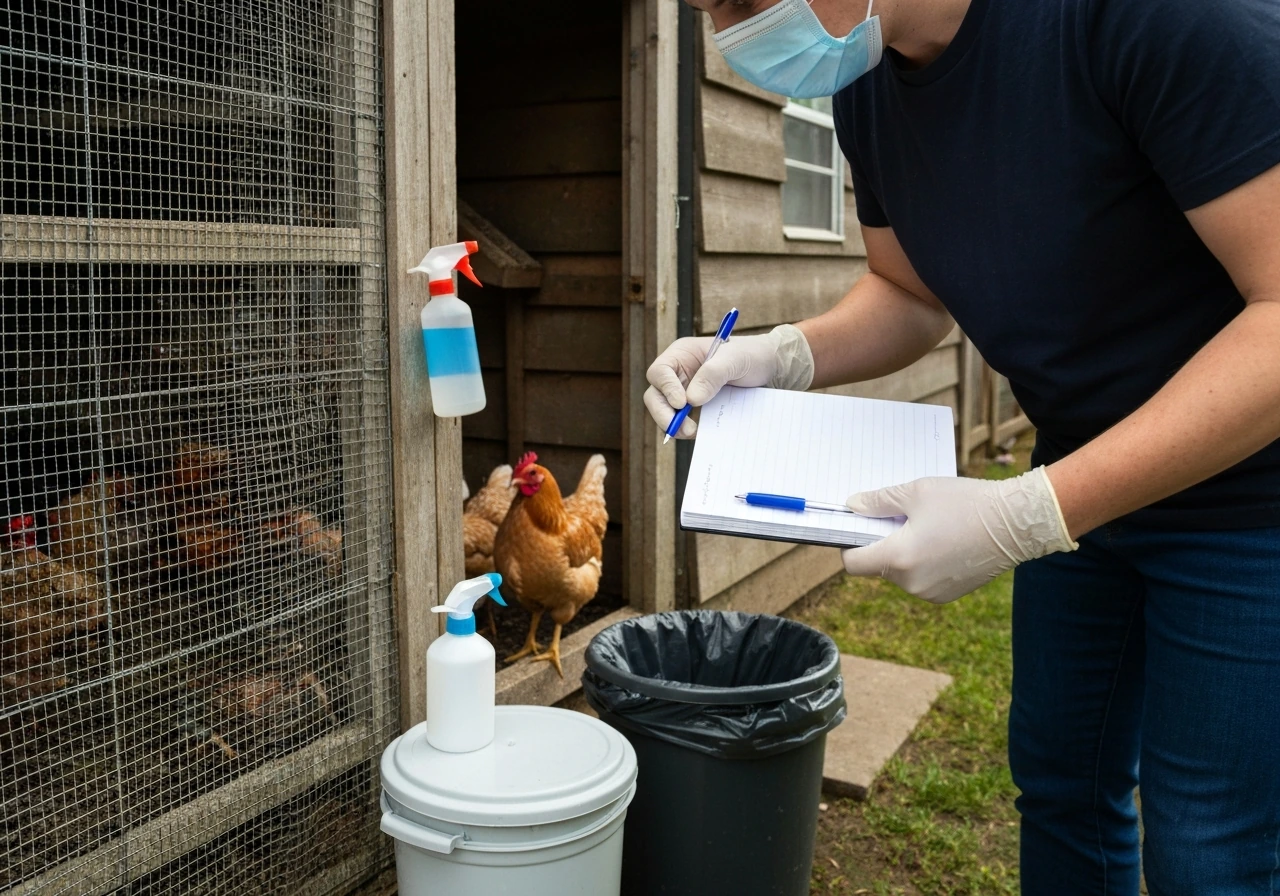
If you fall into any of these categories, the practical advice from CDC and OSHA is straightforward: use appropriate personal protective equipment when handling birds (especially sick or dead ones), avoid touching your face after contact with birds or their environments, and wash your hands thoroughly and often.
What to do if you've been exposed
If you've had unprotected contact with sick or dead birds, or with an environment you know or suspect is contaminated, the CDC recommends starting symptom monitoring from the day of exposure (day 0) and continuing for 10 days after your last exposure. Symptoms to watch for include fever, cough, sore throat, difficulty breathing, eye redness or discharge, and muscle aches.
If you develop any of those symptoms within that window, the CDC says to tell your supervisor (if it's work-related) and contact your healthcare provider right away. Be specific: tell them about your animal exposure. That context is critical so they can reach out to your state or local health department for proper evaluation and, if needed, testing. Don't just show up at an ER and describe flu symptoms without mentioning the bird exposure.
What about the general public?
What about bird flu is genuinely low right now. The virus does not spread easily between people, and casual contact with birds in normal settings, like visiting a park with ducks or keeping a pet bird at home, does not carry meaningful risk under normal circumstances.
The virus does not spread easily between people, and casual contact with birds in normal settings, like visiting a park with ducks or keeping a pet bird at home, does not carry meaningful risk under normal circumstances. What about bird flu is also a good adjacent question for what risks apply right now.
The WHO recommends seeking medical attention immediately if you develop flu-like symptoms or conjunctivitis after visiting an area with a known active outbreak in domestic poultry, wild birds, or other animals. That's the clearest practical trigger for the general public.
Eating properly cooked poultry and eggs remains safe. Influenza viruses are killed by normal cooking temperatures. Food safety concerns around bird flu are largely a non-issue for cooked products sold through regulated commercial channels.
Practical steps anyone can take today
- Bookmark the APHIS HPAI detection dashboard and check it if you hear local news about sick birds or poultry outbreaks in your area.
- If you keep backyard chickens or other poultry, learn the signs of HPAI: sudden unexplained deaths, severe respiratory distress, neurological signs, or dramatic drops in egg production. Report anything suspicious to your state veterinarian immediately.
- Avoid handling sick or dead wild birds. If you find a dead bird and need to report it, contact your local wildlife agency, use gloves, and wash your hands thoroughly afterward.
- If you work in any high-risk occupation listed above and your employer doesn't already provide PPE guidance, ask. OSHA and the CDC have published detailed guidance for poultry and dairy workers specifically.
- Stay informed through CDC, WHO, and APHIS rather than social media. Outbreak news travels fast but the details (severity, location, transmission mode) matter enormously and are often lost in headlines.
Bird flu is a real and ongoing public health concern, but it's one with well-understood risks and clear protective steps. The people who need to be most vigilant are those who work closely with birds and animals. For everyone else, staying informed and knowing when to seek care is the most practical thing you can do.
FAQ
When people say “what are bird flu,” do they mean one virus or many?
Not all “bird flu” is the same. The label covers many avian influenza A subtypes, and risk changes with both the subtype (often discussed as H5 or H7) and whether it is high pathogenic or low pathogenic in birds (HPAI versus LPAI). A headline about one subtype or one region does not automatically mean every other subtype in other places is equally concerning.
How can I judge whether bird flu applies to my situation right now?
Use HPAI versus LPAI and the local setting as your decision points. If you are in a poultry industry role, see sudden flock deaths, or are handling sick or dead birds, that is higher concern than casual exposure to wild birds. If you are a general public visitor at a park, the typical risk is far lower unless you are in an area reporting active domestic poultry outbreaks and you have had direct contact with animals or contaminated materials.
What actually has to happen for bird flu to infect a person?
Human infection typically requires that virus material reach your eyes, nose, or mouth, most often through breathing in contaminated droplets or dust, or by touching contaminated surfaces and then touching your face. That means basic protective habits after bird exposure matter, especially not rubbing your eyes, not eating until you wash hands, and using eye protection when working around birds.
Does having a pet bird change my bird flu risk, and what precautions are most important?
If you keep pet birds, the “big lever” is whether your birds are exposed to wild birds or contaminated environments. Avoid letting pet birds share outdoor areas with wild bird droppings, keep feed and water covered, and reduce contact between your pet and litter or bedding from other bird owners. If your pet bird becomes ill, contact a veterinarian and mention any recent outdoor/wild bird exposure.
Can you get bird flu from eating poultry or eggs?
You do not need special food precautions beyond standard cooking rules. Cooking poultry and eggs thoroughly kills influenza viruses, and the main food-related risk discussions are generally about how products are produced and handled. The more relevant exposure for bird flu is direct or environmental contact, not eating properly cooked, commercially processed food.
If I was exposed to sick birds, when should I start worrying about symptoms?
The period to watch for symptoms matters if you had unprotected exposure. If you had close, unprotected contact with sick or dead birds or a suspect contaminated environment, symptom monitoring starting on day 0 and continuing for 10 days after your last exposure is a practical approach, and you should tell your clinician about the bird exposure rather than only describing generic flu symptoms.
If bird flu cases rise, should I assume it is spreading between people like seasonal flu?
Human-to-human spread appears rare and has not shown sustained transmission in documented outbreaks. However, if you develop symptoms after a known exposure, you should still seek medical care, because you can need evaluation and because clinicians can coordinate with local public health for testing or guidance if warranted.
I work around poultry, what should I do if I see unusual illness or deaths in a flock?
Reporting matters because it helps stop spread in poultry settings. If you work with animals and notice a sudden cluster of illness or deaths, report it promptly rather than waiting for “confirmation.” Even short delays can allow movement of contaminated materials and spread to neighboring farms via shared equipment, vehicles, and footwear.
What are the most common mistakes that increase risk for workers handling birds?
OSHA and CDC-style guidance emphasizes appropriate PPE and hygiene for people with occupational exposure. If you handle birds (especially sick or dead ones), typical practical priorities include eye protection, gloves, respiratory protection appropriate to the task, and consistent hand washing before touching your face. Also, avoid bringing contaminated clothing home without following your workplace’s decontamination process.
How do I decide whether I should seek medical advice after seeing bird flu news?
Do a “contact check,” not a “news check.” If you had no direct handling of sick or dead birds, no close indoor exposure to contaminated environments like live bird markets, and no reason to believe you touched contaminated materials then touched your face, your risk is usually much lower. If you did have direct exposure in a setting with active poultry or wild bird detections, then you should follow symptom monitoring guidance and seek care if symptoms develop.
Next Article
Is Bird Flu in Europe Now? Risk, Symptoms, Safety Steps
Find out if bird flu is in Europe now, current risk, symptoms, food safety, and exact steps for handling exposure safely