
Bird flu (avian influenza) is an infection caused by avian influenza A viruses that normally circulate in birds, and people can catch it through close, unprotected contact with infected birds, their droppings, or contaminated surfaces and environments. Human infections are genuinely rare, and the current risk to the general public remains low according to CDC assessments as of 2026. That said, if you work with poultry, visit live bird markets, or handle wild birds, the exposure routes are real and worth understanding clearly.
What Is Bird Flu and How Do People Get It

Sarah Chen
4 Jul 2026

What bird flu actually is (and how it differs from other flu)

Bird flu is caused by influenza A viruses, the same broad family that includes seasonal human flu strains. The key difference is in the subtype. While seasonal flu spreads easily person to person, avian influenza subtypes like A(H5N1) and A(H7N9) are adapted to birds, not humans. They don't spread efficiently between people, which is why we see sporadic human cases tied to animal exposures rather than community outbreaks.
The subtypes that most commonly cause human illness belong to the H5 and H7 families. HPAI, or highly pathogenic avian influenza, refers to strains that cause severe disease in poultry and can occasionally infect people who are exposed without protection. The "highly pathogenic" label describes what it does to birds, not automatically what it will do to you, though some H5 infections in humans have been serious.
If you want to understand more about what the virus does biologically once it's inside a host, or explore exactly how it differs from other influenza strains in its mechanism, those details connect to questions like how does bird flu work and what does bird flu do, which are worth reading alongside this piece.
How bird flu spreads among birds vs. how it reaches people
Bird-to-bird transmission
In birds, avian influenza spreads rapidly and efficiently. Wild migratory birds are the primary reservoir, carrying the virus in their droppings and contaminating water sources as they move across flyways. Domestic poultry become exposed when wild birds visit their environment, or when contaminated equipment, vehicles, or people move between farms. USDA APHIS has tracked farm-to-farm spread through exactly these routes during U.S. HPAI outbreaks. In live bird markets, the combination of multiple species, high density, and constant human traffic creates a high-risk mixing environment.
Bird-to-human transmission
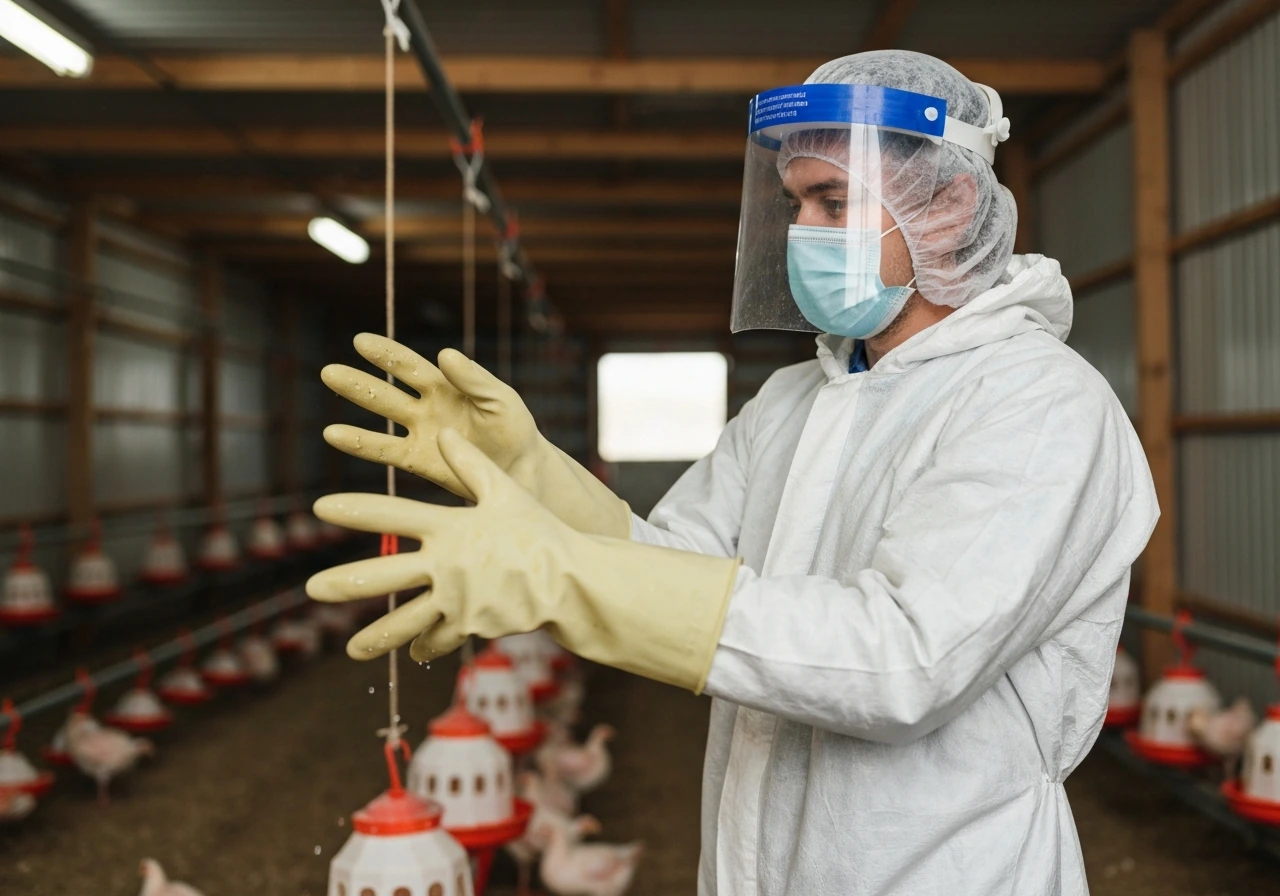
The jump from birds to humans requires close, unprotected exposure. Nearly all reported human cases since 2022 have been linked to direct poultry contact, and to date no sustained human-to-human transmission of HPAI A(H5N1) has been documented. That's reassuring, but it doesn't mean the virus should be treated casually if you're in a situation where you're regularly handling birds.
How you actually get bird flu: the specific exposure routes
CDC identifies two primary physical routes for human infection. For a full explanation of what bird flu is and how it spreads, see the guide on what bird flu and how it is transmitted. First, you can inhale the virus through droplets or dust in the air near infected birds. Second, you can touch a contaminated surface (feathers, droppings, equipment, cages) and then touch your eyes, nose, or mouth. Both routes require you to be physically close to a source of virus.
The practical situations where this happens most often are:
- Handling sick or dead birds, whether wild waterfowl or domestic poultry, without gloves and eye protection
- Cleaning barns, coops, or pens where infected birds have lived, especially when stirring up dust or litter
- Visiting live bird markets where birds from multiple sources are in close quarters
- Touching bird droppings, mucus, or saliva directly or via contaminated equipment
- Working with infected animals without PPE (personal protective equipment) at close range, generally within about six feet
Human-to-human transmission remains rare. You are not at meaningful risk from a coworker or family member who was exposed, unless that person's situation involves confirmed infection and very close contact in a health care setting.
Symptoms and how the illness progresses in people
If you are infected, symptoms typically begin about 3 days after exposure, though the incubation period can range from 2 to 7 days. Recent U.S. cases have most commonly presented with eye redness (conjunctivitis) as the predominant symptom, often alongside fever and respiratory symptoms. This is important because it's not always the dramatic pneumonia picture people associate with bird flu.
The full clinical spectrum ranges widely. Mild end: upper respiratory symptoms, sore throat, runny nose, fever, muscle aches, and conjunctivitis. Severe end: lower respiratory tract illness progressing to pneumonia, respiratory failure, encephalitis (brain inflammation), and multi-organ failure. Not every case escalates, but the potential for serious illness is why early medical evaluation matters if you've had a known exposure and develop any symptoms. But understanding the effects of bird flu starts with knowing how it causes illness in people and what symptoms to watch for after exposure serious illness.
| Severity Level | Common Symptoms | What to Do |
|---|---|---|
| Mild | Conjunctivitis, fever, cough, sore throat, muscle aches | Contact health department, seek medical evaluation |
| Moderate | Lower respiratory symptoms, difficulty breathing, persistent fever | Seek medical care promptly, notify health department |
| Severe | Pneumonia, respiratory failure, altered consciousness, multi-organ signs | Emergency care immediately, inform providers of bird exposure history |
The effects of bird flu in humans are covered in more detail under the related topic about what are the effects of bird flu, which goes deeper into clinical progression across the different subtypes.
How to reduce your risk at home, on farms, and at markets
For the general public
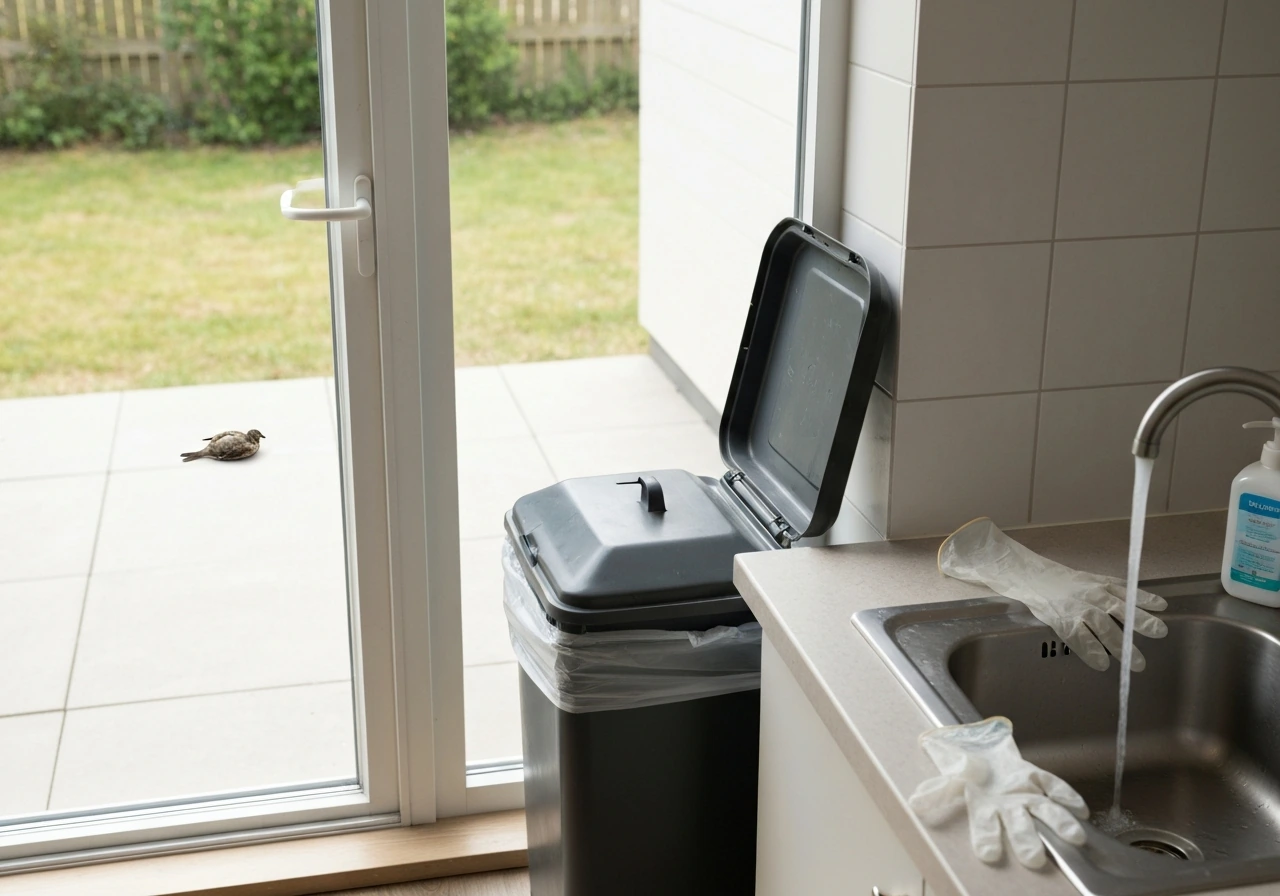
- Don't handle wild birds, especially waterfowl, with bare hands. If you find a sick or dead bird, don't pick it up.
- Keep children and pets away from areas where wild birds congregate, particularly during spring and fall migration seasons.
- Wash hands thoroughly with soap and water after any contact with birds or their environment.
- Avoid visiting live bird markets where possible during active HPAI outbreaks in your region.
For poultry keepers and farm workers
- Use PPE including an N95 or higher respirator, eye protection (goggles or face shield), gloves, and coveralls whenever you are in direct or close contact with potentially infected birds or contaminated areas.
- Wear PPE when cleaning and disinfecting barns, coops, or equipment, especially when dust or litter is disturbed.
- Don't share equipment between flocks or farms without thorough disinfection.
- Control visitor and vehicle access to your property; contaminated footwear and tires are documented transmission vectors.
- Monitor your flock for sudden illness, unexplained deaths, or dramatic drops in egg production, and report suspected cases to your state vet or USDA APHIS.
- Wash hands and change clothes after working with birds before entering your home or other animal areas.
For healthcare and response workers
If your work involves responding to HPAI outbreaks on farms or in markets, follow CDC interim guidance on PPE for close-contact scenarios within six feet of infected animals. CDC prevention guidance for the public emphasizes avoiding unprotected exposure to sick or dead birds and contaminated feces or litter, and it recommends using PPE when close contact is unavoidable follow CDC interim guidance on PPE for close-contact scenarios within six feet of infected animals. This includes respiratory and eye protection as a baseline, with additional protective equipment (coveralls, boot covers, gloves) depending on the task.
Is it safe to eat chicken and eggs right now?
Yes, properly cooked poultry and eggs are safe to eat. Heat destroys avian influenza viruses, and cooking poultry and egg dishes to an internal temperature of 165°F (74°C) kills both bacteria and influenza viruses. This applies to all poultry products including ground poultry, whole birds, and egg-based dishes like quiche or casseroles that contain meat.
Avoid raw or undercooked eggs and unpasteurized (raw) milk. Both WHO and CDC flag these specifically during avian influenza outbreaks. For recipes that call for raw or lightly cooked eggs, use pasteurized egg products. Egg cartons carry safe-handling instructions for exactly this reason.
Basic food safety practices matter too. Keep raw poultry separate from other foods. Wash cutting boards, utensils, and hands with soap and water after handling raw poultry. These steps protect you from multiple pathogens, not just bird flu.
What to do if you've been exposed or start feeling sick
If you had close, unprotected contact with birds or a contaminated environment and you're wondering whether you need to do anything, the answer is yes. Monitor yourself for symptoms daily for 10 days after your last known exposure. That 10-day window is the standard period recommended by CDC for people exposed to HPAI A(H5N1) viruses.
If symptoms appear during that window, contact your state or local health department right away, even before you go to a clinic or emergency room. This step matters. Health departments coordinate testing and can guide you and your healthcare provider on what to do next. If you go straight to a clinic, tell the provider about your exposure history immediately so they can take the right precautions and arrange appropriate testing.
If you develop severe symptoms such as trouble breathing, persistent chest pain, or altered mental status, treat it as an emergency and go to the ER. Make sure you tell the triage staff about the bird exposure before you sit in the waiting area.
- After any unprotected exposure to potentially infected birds: wash hands, remove and bag contaminated clothing, shower if possible.
- Self-monitor daily for fever, respiratory symptoms, eye redness, or muscle aches for 10 days.
- If symptoms develop: call your state or local health department first, then seek medical care.
- At the clinic: tell the provider immediately about your bird exposure so they can use appropriate precautions and initiate testing.
- If you were exposed but haven't been contacted by health authorities: reach out to your local health department proactively. You don't need to wait for them to find you.
Antiviral medications exist and are most effective when started early. Clinicians evaluating potential H5N1 cases are advised to consider empiric antiviral treatment while test results are pending rather than waiting for confirmation. This is another reason early medical contact is more useful than waiting to see how sick you get.
The bottom line on risk: if you haven't been near sick or dead birds, live poultry operations, or contaminated farm environments, your personal risk is genuinely low. Bird flu is not circulating in the general population like seasonal flu does. The people who need to be careful are those with regular animal exposure, and for them, the precautions above are practical and effective.
FAQ
Can you get bird flu from eating cooked chicken or eggs if the food looks done but is not fully heated inside?
Only fully cooked food is considered safe. For poultry, the reliable check is internal temperature, not appearance. Use a food thermometer and cook to 165°F (74°C) at the thickest part, then let it rest briefly before serving. If you do not have a thermometer, avoid partially cooked center portions, especially for ground poultry dishes.
Is pasteurized dairy always safe during a bird flu outbreak?
Pasteurization is the key safety step. Stick to commercially pasteurized milk and dairy products, and avoid raw or unpasteurized milk even if other foods seem safe. Also be cautious with homemade or informal dairy sources, where pasteurization may not be verified.
What should you do if you touch a dead wild bird or clean an area with droppings?
Treat it as a potentially contaminated exposure. Avoid touching your face, ventilate the area if indoors, and use disposable gloves if available. After handling, wash hands thoroughly with soap and water. If you are cleaning large amounts of droppings, use appropriate protective gear and consider contacting local public health or wildlife authorities for guidance.
How long do you need to monitor yourself after an exposure, and what if you feel sick sooner than expected?
Monitor daily for 10 days after your last known exposure. If symptoms start earlier than typical, do not wait, contact your state or local health department promptly. Early contact helps clinicians decide whether antiviral treatment or testing is warranted right away.
Does bird flu spread through casual contact like being in the same room as someone who has it?
Sustained person-to-person spread is not documented for highly pathogenic strains like H5N1, so casual contact with exposed but uninfected people is not considered a meaningful risk. The higher concern is close, unprotected exposure to the infected person in settings involving confirmed infection, especially in healthcare environments, where clinicians use protective procedures.
If I have eye redness after an exposure, should I automatically assume bird flu?
No. Conjunctivitis can have many causes, including common viral illnesses. However, eye redness that occurs after a confirmed bird or poultry exposure should be reported promptly to health authorities or a clinician so they can assess whether specific testing and precautions are needed.
What protective steps help most for workers handling poultry or live bird markets?
The most important basics are respiratory and eye protection plus hygiene controls. Use PPE appropriate to the task, avoid touching your face, and perform handwashing immediately after doffing. If you use respirators, ensure they fit properly and that your workplace follows a training and fit-check process, not just having PPE on hand.
Can you get infected from surfaces without direct bird contact, like a shared vehicle or farm equipment?
Yes, contaminated equipment, cages, and vehicles are recognized routes because virus can be present in droppings and dust. If you handle materials moved from a potentially contaminated area, avoid touching your eyes, nose, or mouth and change clothing or wash exposed skin and hands promptly.
Should I avoid caring for pets that may have contact with birds?
If a pet has been exposed to sick or dead birds, the main risk management is preventing your own exposure during cleaning or handling. Wear gloves when cleaning up droppings or body fluids, avoid letting pets lick your face, and wash hands after any cleanup. If your pet becomes ill, contact a veterinarian and mention the bird exposure.
When should I seek emergency care rather than waiting for a phone call to public health?
Go to the ER immediately for severe warning signs such as trouble breathing, persistent chest pain, or altered mental status. If possible, tell triage staff about the bird exposure before you wait. For less severe symptoms, contact your state or local health department or your clinician quickly for guidance on testing and treatment timing.
Do antivirals work if treatment starts after I am already very sick?
Antivirals are most effective when started early, but that does not mean they have no role later. The practical decision is timing, so contact a clinician promptly if symptoms appear within the monitoring window. Waiting for test confirmation can delay treatment, which is why early evaluation matters after a known exposure.
Next Articles
How Does Bird Flu Work End to End in Birds and People
How bird flu works in birds and people: transmission routes, incubation and symptoms, and practical prevention and safet
What Does Bird Flu Do to Birds and People?
What bird flu does to birds and humans, symptoms, how it spreads, and immediate steps after possible exposure.

What Is Bird Flu Disease Avian Influenza and Human Risk
Clear guide to what bird flu is, how it spreads from birds to humans, key symptoms, real risk, and prevention steps.