
Yes, bird flu is in Michigan. As of the most recent official data available, Michigan has confirmed HPAI (highly pathogenic avian influenza) detections in both domestic poultry flocks and wild birds in 2026. blank" rel="noopener noreferrer">The most recent domestic flock case was reported on January 28, 2026, in a backyard poultry flock in Ottawa County. Wild bird detections have been confirmed across at least six counties in 2026. The public health risk to most Michigan residents remains low, but if you have a backyard flock, work with poultry or farm animals, or handle wild birds, there are specific steps you should be taking right now. If you're wondering whether the situation is similar elsewhere, you may also be asking, is bird flu in Ohio?
Is the Bird Flu in Michigan Now? Latest Cases and Risk

How many detections Michigan has right now
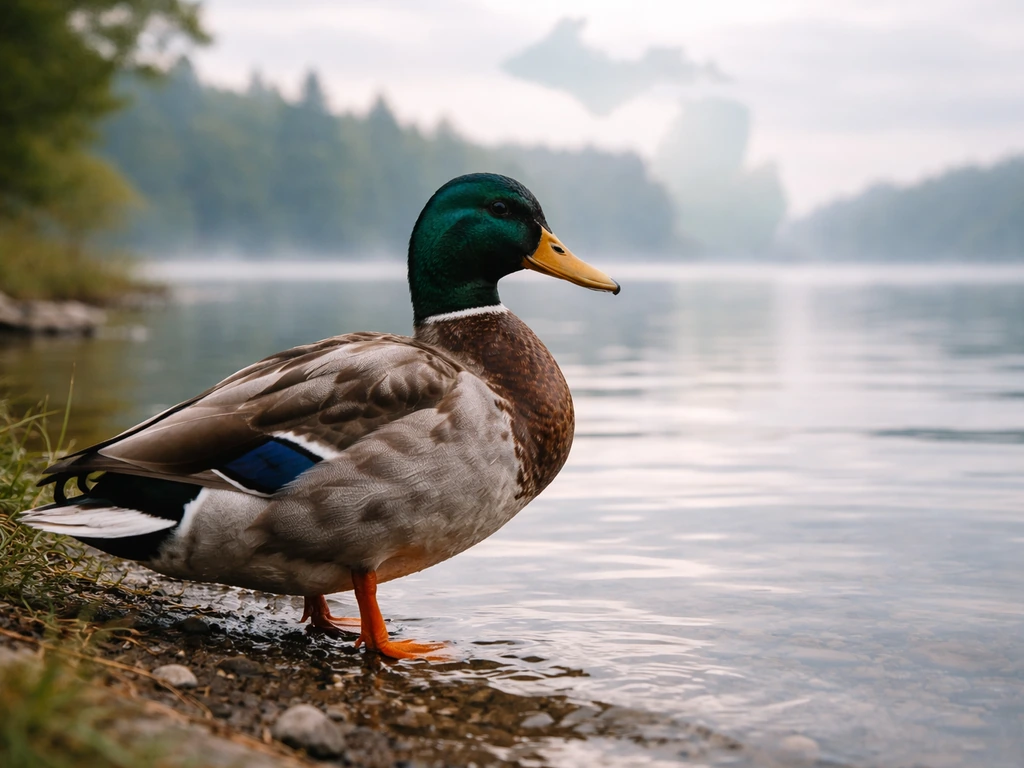
It helps to separate the two main categories of detection: domestic flocks and wild birds. On the domestic side, MDARD (Michigan Department of Agriculture and Rural Development) confirmed one HPAI detection in a domestic flock in 2026 as of January 28 of that year, making it the first domestic case of 2026. That Ottawa County detection was also the 16th confirmed HPAI case in an Ottawa County poultry flock since the virus first arrived in Michigan in 2022. That's a striking number for a single county and tells you this isn't a one-off event.
On the wild bird side, Michigan DNR's surveillance data (results as of March 22, 2026) recorded 7 confirmed HPAI-positive wildlife samples in 2026 alone. That count covers six specific counties plus two samples with unknown county designations. It's important to understand what this number actually means: DNR surveillance focuses on die-offs of six or more birds, bald eagles, abnormally acting raptors and owls, and wild mammals. Not every dead bird gets tested, so the confirmed count represents the tip of actual circulation in wild bird populations. In other words, 7 is a confirmed floor, not a ceiling.
USDA APHIS also tracks livestock cases nationally and updates its map every weekday. As of this writing, no Michigan dairy cattle or livestock HPAI cases appear in the 2026 USDA confirmed livestock database, but that table updates frequently, so it's worth checking directly if you work with cattle. If you're wondering whether there are any detections tied to Tennessee, look to USDA APHIS for the most up-to-date state reporting is bird flu in tennessee.
Where in Michigan the detections are showing up
The 2026 wild bird detections confirmed by Michigan DNR are spread across the western, central, and eastern parts of the Lower Peninsula, plus a couple of cases with unspecified county data. Here's the county-level breakdown from DNR's confirmed 2026 wildlife samples:
| County | Confirmed HPAI-Positive Wildlife Samples (2026) |
|---|---|
| Berrien | 1 |
| Ingham | 1 |
| Newaygo | 1 |
| Ottawa | 1 |
| Tuscola | 1 |
| Unknown county | 2 |
| Total | 7 |
Ottawa County stands out because it also had the confirmed backyard flock detection in January 2026, and it has now accumulated 16 domestic poultry cases since 2022. That pattern likely reflects a combination of ongoing wild bird pressure in the region and the density of backyard and small-scale poultry operations in that area. USDA APHIS reports wild bird detections at the county level by design to protect private landowner and business information, so you won't see exact farm or property locations in official data. That's standard practice nationally, not a transparency gap.
Michigan DNR also notes that HPAI has been considered widespread and endemic across Michigan and North America since 2022. Bird migration plays a major role in how the virus moves, which is why detections tend to cluster around flyways and wetland areas. To see whether H5N1 is currently affecting Texas, check the latest USDA APHIS updates and local public health reports Bird migration plays a major role in how the virus moves. If you're near significant waterfowl habitat anywhere in the state, that context matters for your flock biosecurity even if your specific county doesn't appear in the 2026 table.
What the bird flu presence in Michigan actually means for you
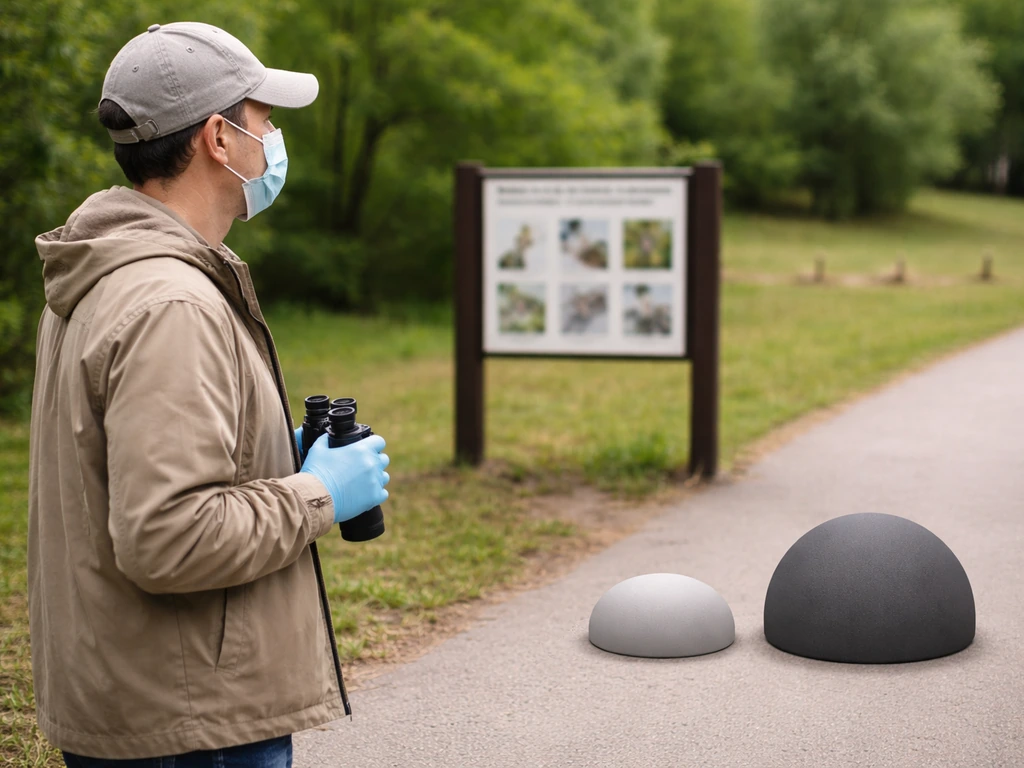
Both CDC and MDARD are consistent on this: the public health risk to the general Michigan population remains low. If you are wondering, you can check the latest USDA and state updates to confirm whether bird flu is in Illinois right now is bird flu in illinois. HPAI spreads most efficiently among birds. Human infections happen almost exclusively through direct, close contact with infected animals or heavily contaminated materials like bedding, feces, or raw milk from infected cows. Casual outdoor exposure, walking near a body of water where waterfowl congregate, or eating properly cooked poultry and eggs does not put you at meaningful risk.
Nationally, CDC has tracked 71 confirmed human A(H5) bird flu cases in the U.S. since February 2024. Nearly all of those were in people with documented direct animal exposure, mostly farm and poultry workers. There have been no confirmed human cases tied specifically to Michigan detections as of the data reviewed here. That's consistent with how this virus behaves: it's dangerous to birds and poses an occupational risk to people working closely with infected animals, but it's not spreading person to person.
CDC also monitors wastewater for avian influenza A(H5) at the county level across the country, including Michigan sites. A positive wastewater detection doesn't mean people in a community are infected. It can reflect animal source runoff or other agricultural inputs. Public health teams investigate those signals to determine whether follow-up is needed, so that monitoring is a safety net, not an alarm.
What to do today if you have a backyard flock or work with poultry
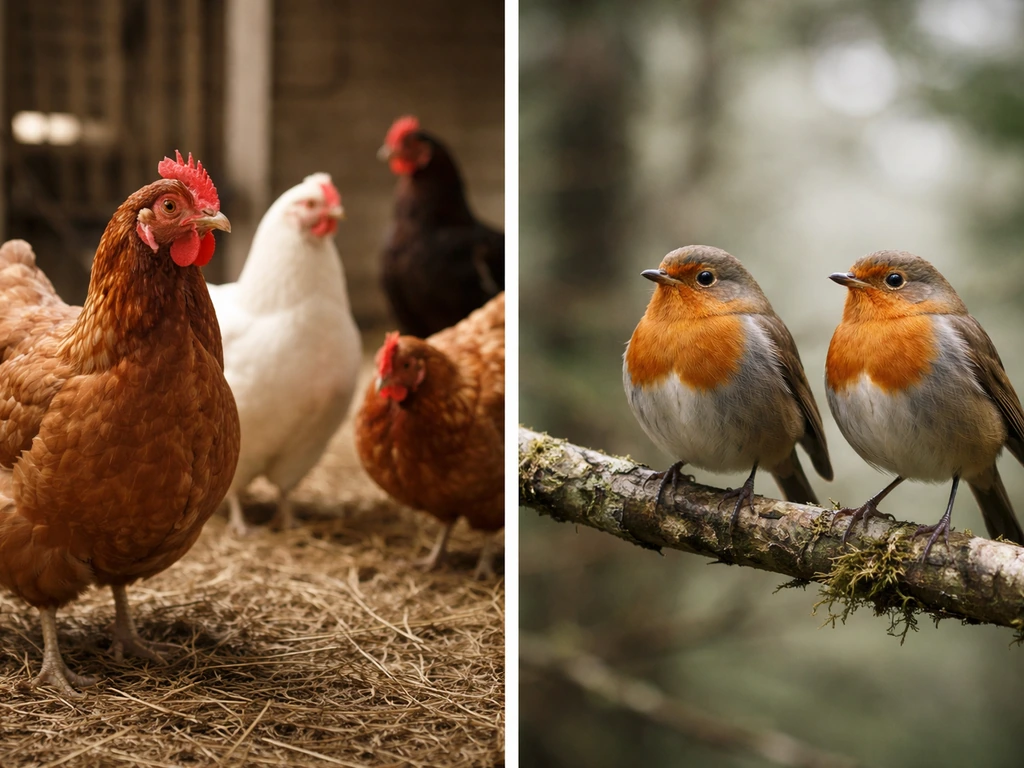
If you keep chickens, ducks, geese, or other domestic birds in Michigan, this is where I want you to focus your attention. The Ottawa County backyard flock detection in January 2026 is a direct reminder that HPAI doesn't stay on commercial farms. Here's what you should be doing right now: MDARD also works with partners and veterinarians to provide information to poultry farmers and backyard flock owners and emphasizes following biosecurity measures and watching birds for signs of illness.
- Keep wild birds out of your flock's feed, water, and living space. Covered runs and enclosed coops are your first line of defense. Wild waterfowl are the primary HPAI reservoir, and contact between your birds and wild birds (or shared water sources) is how most backyard cases start.
- Do not let your backyard poultry inside your home, especially in any area where food is prepared, served, or stored. This is both a disease-control and food-safety recommendation from CDC.
- Wear gloves and wash your hands thoroughly after handling birds, eggs, litter, feeders, or anything that birds have contacted. Don't touch your face while working with your flock.
- If you find sick or dead birds in your flock, don't handle them with bare hands. Contact MDARD immediately. For wild dead birds on your property, follow DNR guidance and don't handle them without protection.
- Report unusual die-offs. Michigan DNR's surveillance specifically targets die-offs of six or more birds. If you see multiple dead wild birds in one location, that's worth reporting.
- Review your biosecurity setup. MDARD emphasizes working with veterinarians and following enhanced biosecurity measures. A quick biosecurity audit of your flock setup costs nothing and could prevent a devastating loss.
If you're a commercial poultry worker or work on any farm with birds or cattle, the PPE bar is higher. CDC guidance for farm workers includes fluid-resistant coveralls, a NIOSH-approved respirator, goggles or a face shield, gloves, and boots when working in close contact with sick or dead animals or potentially contaminated materials like raw milk. The sequence in which you put on and remove that PPE matters, and your employer should have a written protocol. If they don't, that's something to raise with your supervisor today.
Symptoms to watch for and when to call a doctor

If you've had direct contact with sick or dead birds (wild or domestic), poultry litter, or potentially contaminated farm materials, pay attention to how you feel for 10 days after that last exposure. That's the watch window CDC recommends. Symptoms of H5N1 bird flu in people overlap with regular flu but can also include eye symptoms that most people wouldn't automatically associate with flu.
- Eye redness or discharge (conjunctivitis), which is sometimes the first or only symptom
- Fever of 100°F (37.8°C) or higher
- Cough, sore throat, runny or stuffy nose
- Muscle aches, body aches, headaches
- Fatigue
- Shortness of breath or difficulty breathing, which can progress to severe pneumonia in some cases
If any of these symptoms show up within 10 days of contact with infected or potentially infected animals or contaminated materials, don't just go to urgent care without warning them first. Stay home away from other people, call your healthcare provider and tell them about the animal exposure, and notify your supervisor if the exposure happened at work. Your local health department may coordinate H5N1 testing. Calling ahead matters because your provider needs to take appropriate precautions before you walk in, and because H5N1 testing isn't a standard flu panel.
Where to get reliable updates and how to spot misinformation
Bird flu stories move fast on social media, and the gap between what's officially confirmed and what's being shared on Reddit or local Facebook groups can be significant. If you're wondering whether bird flu is in Georgia, the best source to check is the latest USDA APHIS and state wildlife and agriculture updates Bird flu stories. Here's how to stay grounded in what's actually verified:
| Source | What it tracks | Update frequency |
|---|---|---|
| MDARD (michigan.gov/mdard) | Domestic and backyard flock HPAI detections in Michigan | As outbreaks are confirmed |
| Michigan DNR (michigan.gov/dnr) | Wild bird and wildlife HPAI-positive samples by county | Periodic; table dated by most recent results |
| USDA APHIS | Wild bird detections nationwide (county-level) and confirmed livestock cases | Weekdays for livestock; ongoing for wild birds |
| CDC (cdc.gov) | Human A(H5) cases, worker guidance, wastewater data | Ongoing; human cases updated via FluView |
One thing worth knowing: as of July 2025, CDC stopped reporting USDA animal detection data on its own website and now points readers directly to USDA APHIS for those numbers. So if you're checking CDC and don't see updated Michigan animal case counts, that's by design, not an oversight. CDC's page remains the right place for human case data and public health risk assessments.
When you see a claim that bird flu is spreading in a specific Michigan town or that a particular farm has been affected, check whether it originated from MDARD, Michigan DNR, or USDA APHIS before sharing it. Community discussion threads can surface real concerns before official statements, but they also spread rumors and misidentified detections. Official press releases from MDARD are the definitive source for domestic flock confirmations in Michigan.
The situation in Michigan is similar in broad strokes to neighboring states where HPAI has been confirmed in wild birds and sporadic poultry flocks. Whether you're comparing Michigan's situation to reports coming out of Ohio, Illinois, or other Midwest states, the same framework applies: wild bird detections are expected given endemic circulation across North America, and domestic flock detections require biosecurity response but don't automatically translate into elevated human risk. You can use the same official USDA APHIS and state health guidance to check whether H5N1 outbreaks are reported in Florida right now Michigan. Stay informed through official state and federal channels, take the biosecurity steps seriously if you have birds, and don't let social media noise substitute for verified data.
FAQ
How do I know if my county is actually high risk for bird flu, not just listed as having wildlife detections?
Use confirmed detections as a starting point, then check whether there is nearby waterfowl or raptor activity and whether dead or sick birds have been reported locally. Even if a county appears with only a few wildlife sample results, the key practical factor is whether you have frequent bird contact, standing water exposure, or outdoor poultry. That combination affects biosecurity actions more than the exact count.
If I find a dead bird in Michigan, what should I do to avoid spreading HPAI?
Avoid handling with bare hands. Use disposable gloves or tools, place the bird in a sealed plastic bag or container, and limit contact with pets and other birds. Wash hands and change clothes after. The goal is to prevent dragging contaminated material to your flock area. Contact your local wildlife or public health authority for instructions rather than posting it widely as “confirmed” without lab testing.
Does bird flu in Michigan mean people should stop eating eggs or poultry?
No change is needed if you handle and cook food normally. HPAI risk to people is tied to close contact with infected animals or contaminated materials, not properly cooked food. If you have raw eggs or raw milk in your routine, be extra cautious about hygiene and storage, since those are exposure routes discussed in public health guidance.
If my flock is healthy but wild birds are nearby, what are the most important biosecurity steps?
Prioritize keeping domestic birds separated from wild birds and their droppings. Use netting or covered runs, reduce shared water sources, secure feed so it is not accessible to wild birds, and prevent your flock area from being shared with other animals like rodents and backyard cats. Also consider footwear and clothing changes when moving between wild bird areas and coop areas.
What should I do if I suspect sickness or deaths in my backyard flock?
Isolate affected birds immediately, avoid moving birds or litter off-site, and limit handling. Contact the appropriate Michigan agriculture or animal health authority for testing and instructions. Early action matters because poultry outbreaks can spread via bedding, equipment, and contaminated boots, and they are often more controllable when containment happens before wider movement.
Is there a difference between “confirmed” and “suspected” bird flu detections in the data?
Yes. “Confirmed” means lab testing identified HPAI. Surveillance systems may collect samples or observe die-offs that lead to testing, but not every bird that dies will be tested. As a result, confirmed numbers tend to be lower than true circulation in wild birds, so a lack of confirmed positives does not guarantee absence in an area.
If USDA APHIS shows no livestock cases in Michigan, does that mean dairy workers are not at risk?
Not necessarily. The database reflects confirmed detections and updates frequently, and risk depends on exposure patterns and outbreak status in surrounding areas. If you work with cattle or handle animal materials, follow the farm worker protective steps discussed in CDC guidance (especially when handling sick animals, manure, or raw milk), and confirm current status directly with USDA APHIS rather than relying on older snapshots.
What does a positive wastewater test mean for personal health in Michigan?
A positive wastewater signal does not automatically mean people in the community are infected. It can reflect animal material entering the sewer system or agricultural runoff. Public health teams treat wastewater like an early indicator and may increase follow-up monitoring, but it is not interpreted as a direct measure of person-to-person spread.
I had contact with a dead bird, should I get tested for H5N1 right away?
Testing is not routine for mild, non-specific symptoms, but you should follow the “watch window” approach described in public health guidance if symptoms develop within about 10 days of exposure. If you do develop eye symptoms, fever, or flu-like illness, contact your healthcare provider first and mention the animal exposure so they can consider H5N1 and take precautions. The timing and exposure details matter more than anxiety alone.
Why do some social media posts claim a specific Michigan town or farm is affected when official data does not show it?
Misinformation often comes from mixing unverified claims with confirmed detections from other counties or other states, or from repeating a “suspected” event before lab confirmation. Use MDARD for domestic flock confirmations and Michigan DNR for confirmed wildlife sample results, and treat neighborhood posts as alerts only until an official statement matches the claim.
Is Bird Flu in Illinois or Chicago Right Now? What to Do
Find out if bird flu is in Illinois or Chicago now, what it means, and exact steps to protect people and poultry.