
Yes, bird flu (avian influenza) has been confirmed in Ohio, and detections have occurred in both wild birds and domestic poultry across the state. As of June 2026, confirmed cases include wild bird deaths in Clermont County (December 2025) and in the City of Findlay (February 2026), and Ohio has had at least one confirmed human case tied to poultry exposure. That said, the situation changes frequently, and the most accurate picture of where detections are happening right now requires a quick check of the USDA APHIS and Ohio Department of Health dashboards, which are updated regularly. If you are in Florida, you can use the same approach to check whether bird flu is currently being reported there bird flu in Florida. Here is everything you need to know to assess your actual risk today.
Is Bird Flu in Ohio Right Now? Latest Confirmed Updates

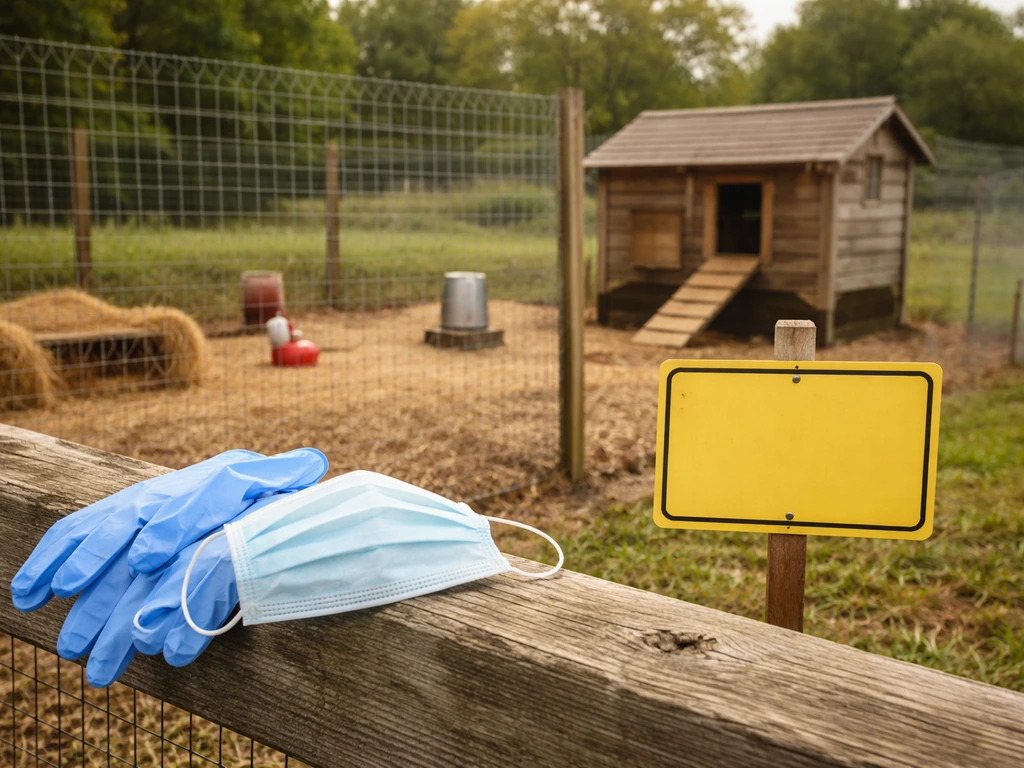
Where bird flu has been detected in Ohio
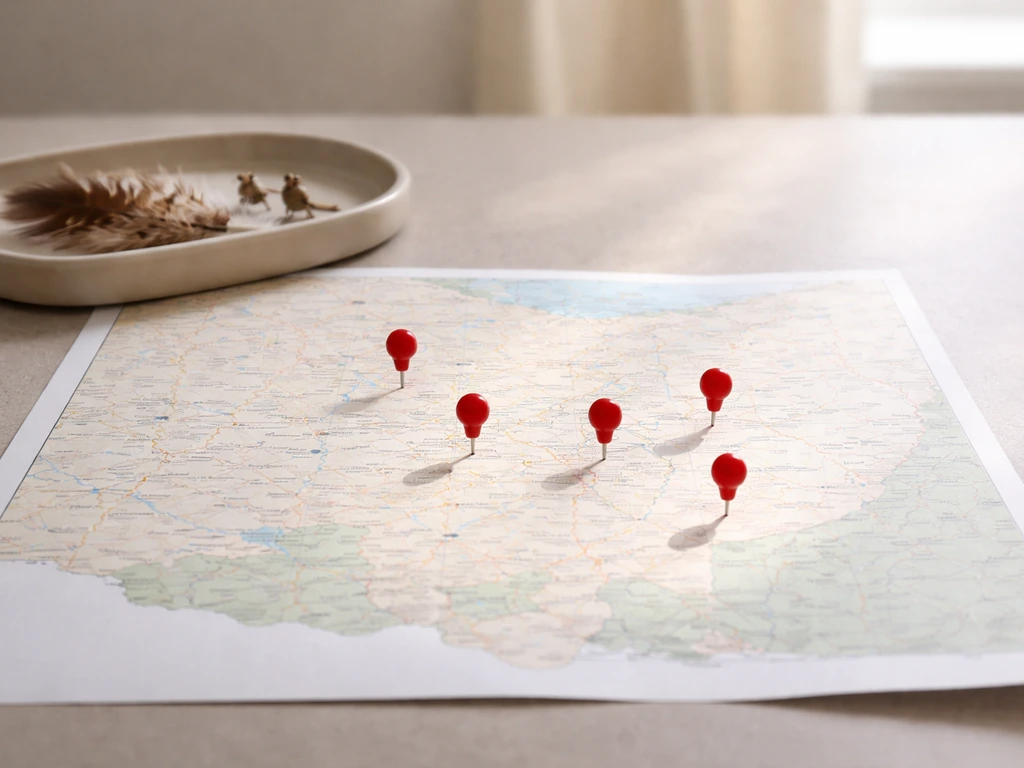
When agencies say there are bird flu "cases" in Ohio, they usually mean one of three things: detections in wild birds, confirmed outbreaks in commercial or backyard poultry flocks, or (much more rarely) a human infection. It helps to understand the difference before you start reading the maps and data.
On the wild bird side, Clermont County Public Health reported in December 2025 that preliminary lab tests on roughly 70 dead black vultures in Pierce Township came back positive for HPAI (highly pathogenic avian influenza, the technical name for the dangerous strain). Final confirmation was pending at the time. Then in February 2026, the City of Findlay confirmed HPAI in deceased birds found locally. These are the kinds of detections you will see listed on the USDA APHIS wild bird table, which is reported at the county level. USDA APHIS maintains a county-level table of confirmed HPAI detections in wild birds on its wild-birds page, and it is updated as new detections are processed and posted USDA APHIS wild bird table. Private property names are not released, but the county location is always noted.
On the human side, the Ohio Department of Health (ODH) reported Ohio's first probable human case of influenza A(H5) on February 12, 2025. The patient was an adult male farm worker in Mercer County who had direct contact with deceased commercial poultry. That case is still the most recent confirmed human infection on record in Ohio.
How to check the latest Ohio bird flu status right now
Because detections are added as confirmatory lab results come in, any article you read (including this one) can be behind the current situation. The three sources below give you the most reliable real-time picture, and they are all free and public.
- USDA APHIS: Confirmed HPAI Detections in Wild Birds — a county-level table updated whenever new confirmations are processed. Look for Ohio in the state column. The "Date Detected" listed there is the date the confirmatory lab test (NAHLN H5 assay) came back positive, not the date the bird was found.
- USDA APHIS: Confirmed HPAI Detections in Commercial and Backyard Flocks — a dashboard showing a current snapshot of flock-level detections. Focus on the last 30 days filter to see what is actively circulating now rather than historical cumulative data.
- USDA APHIS: HPAI Confirmed Cases in Livestock — a state-level map updated each weekday, useful if you work with cattle or other livestock.
- CDC: A(H5) Bird Flu Current Situation — tracks human infections nationally and updates on a routine influenza reporting cadence. If there is a new human case in Ohio, it will appear here.
- Ohio Department of Health (ODH) — odh.ohio.gov — issues press releases for any confirmed or probable human cases in Ohio. Search "bird flu" in their newsroom.
When you look at these sources, distinguish between active detections (confirmed within the last 30 days) and historical detections. Wild bird detections during fall and spring are expected to be higher because migratory birds spread the virus along flyways. A detection from six months ago in a county you do not live near is very different from an active outbreak in a neighboring county's commercial flock.
What this actually means for you: risk by situation

Your risk from bird flu depends almost entirely on your exposure to infected birds or contaminated environments. If you are wondering whether bird flu is in Texas, you can use the same USDA APHIS tracking approach to see the latest confirmations by state and county Ohio. The CDC is clear on this: avian influenza A viruses rarely infect people, and when they do, it is almost always after close, direct contact with sick or dead birds, infected poultry, or environments heavily contaminated with bird droppings or secretions. Casual outdoor exposure to healthy wild birds carries no meaningful risk.
| Situation | Risk Level | Key Action |
|---|---|---|
| General Ohio resident, no bird contact | Very low | Stay informed; no immediate action needed |
| Backyard poultry keeper | Low to moderate depending on biosecurity | Tighten biosecurity now; watch flock for symptoms |
| Commercial poultry farmer or worker | Moderate during active detections nearby | Full biosecurity protocols; PPE when handling birds; report sick/dead flocks immediately |
| Wildlife handler or rehabilitator | Moderate | Use PPE for all wild bird handling; report unusual die-offs |
| Someone who touched a sick/dead bird recently | Low but monitor | Wash hands thoroughly; monitor for symptoms for 10 days |
Found a sick or dead bird? Here is exactly what to do
If you come across a single dead songbird or small bird, that is typically not cause for alarm. What warrants a report is a group of dead or visibly sick birds, especially waterfowl, raptors, or vultures (the types involved in Ohio's confirmed detections), or any unusual die-off near a poultry operation.
- Do not touch the bird with bare hands. If you already have, wash your hands thoroughly with soap and water immediately.
- Keep children and pets away from the area.
- For sick or dead raptors, multiple waterfowl, or any large congregation of dead birds, call the Ohio Department of Natural Resources (ODNR) wildlife line at 1-800-WILDLIFE (1-800-945-3543).
- For other sick or dead wild birds that do not fit the above categories, use the ODNR Wildlife Reporting Tool online.
- If you have backyard or hobby poultry and notice sick or dead birds in or near your flock, contact the Ohio Department of Agriculture (ODA). The ODA has a dedicated after-hours reporting line for urgent poultry concerns.
- Commercial poultry operators should contact ODA immediately and follow their established flock emergency protocols. Do not wait to see if the situation resolves on its own.
- After any potential exposure, monitor yourself for illness for 10 days from the date of last contact.
Human symptoms: what to watch for and when to call a doctor
Most U.S. human bird flu cases have been mild, but severity can range from mild to serious. The CDC notes that eye redness (conjunctivitis) has been one of the most common symptoms in recent U.S. cases, which is notable because it differs from what most people expect from a flu. Other symptoms overlap with seasonal flu.
- Eye redness, irritation, or discharge (conjunctivitis)
- Fever or feeling feverish/chills
- Cough, sore throat, or runny/stuffy nose
- Muscle or body aches
- Headache
- Fatigue
- In more severe cases: difficulty breathing or shortness of breath
If you have had direct contact with sick or dead birds (or their droppings and secretions) and develop any of these symptoms within 10 days, call your doctor or urgent care before you go in. Let them know about your exposure. They can arrange testing and, if appropriate, early antiviral treatment. Do not just walk into an emergency room without calling ahead, as that helps the medical team take appropriate precautions.
Prevention and safety: practical steps for households and farms

For the general public
- Avoid touching sick or dead wild birds with your bare hands.
- Keep pet food and water bowls indoors or in areas that do not attract wild birds.
- Commercially produced eggs and poultry meat are safe to eat when cooked to proper temperatures. Heat kills avian influenza viruses.
- Wash your hands after any outdoor activity involving bird contact or contaminated soil or surfaces.
For backyard flock and farm owners
HPAI is extremely contagious and often deadly to domestic poultry. The virus can travel to your flock on boots, clothing, vehicles, and equipment, not just from direct bird-to-bird contact. The ODH and USDA APHIS (through its Defend the Flock biosecurity program) both emphasize the following steps, especially during active migration seasons and when detections are confirmed nearby. USDA APHIS describes Defend the Flock as an education program that provides tools and resources to help poultry handlers follow biosecurity practices, including preventing spread from equipment and vehicles after cleaning and disinfecting Defend the Flock biosecurity program.
- Prevent any contact between your birds and wild birds or waterfowl. Use netting, covered runs, and secure housing.
- Use boot covers or dedicated footwear that stays on-site, and use footbaths at entry points to poultry areas.
- Minimize visitors to your farm or flock area. Anyone who enters should change clothes and wash up before leaving.
- Clean and disinfect any vehicles, tools, or equipment before they enter your property.
- Do not use surface water (ponds, streams) to water your flock. Use contained, treated water sources.
- Control rodents and pests, which can carry and spread the virus.
- Store feed in sealed containers that wildlife cannot access.
- Wash hands before and after handling birds.
PPE for workers handling birds or contaminated environments
If you are handling birds in an area with confirmed or suspected HPAI, proper personal protective equipment (PPE) significantly reduces your exposure. PPE works by preventing you from inhaling droplets or biological material from animal secretions and by stopping accidental transfer of the virus from contaminated gloves or clothing to your eyes, nose, or mouth. At minimum, the CDC recommends gloves, eye protection (goggles or face shield), a well-fitting respirator (N95 or better), and protective clothing that can be removed and cleaned before you leave the work area.
Bird flu vs. other flu: clearing up the confusion
One of the most common sources of anxiety around bird flu is conflating it with seasonal flu or with pandemic flu scenarios. These are genuinely different things, and understanding how they differ makes the situation a lot less frightening.
| Feature | Avian Influenza (Bird Flu / H5N1) | Seasonal Flu |
|---|---|---|
| Primary host | Birds (wild and domestic poultry) | Humans |
| How most people get it | Direct contact with infected birds or contaminated environments | Person-to-person respiratory transmission |
| Person-to-person spread | Rare; limited and non-sustained in specific historical cases only | Very common; main transmission route |
| Who is at risk | People with close exposure to infected birds/animals | General population, especially unvaccinated |
| Common symptoms | Can include conjunctivitis (eye redness) plus respiratory symptoms | Respiratory symptoms, fever, body aches |
| Seasonal flu vaccine protection | Does not protect against avian flu strains | Reduces risk of seasonal strains |
The most important distinction: bird flu does not spread easily from person to person. The CDC is explicit that there has been no typical or ongoing human-to-human transmission of H5N1. The cases you see reported, including Ohio's Mercer County case in 2025, all involved people who had close, direct contact with infected birds. If you did not handle sick or dead birds, your risk from another person in Ohio having bird flu is essentially zero.
That said, scientists and public health agencies do monitor bird flu carefully precisely because influenza viruses can mutate. The USDA's wild bird surveillance program serves as an early warning system, which is exactly why agencies track and publicize wild bird detections the way they do. It is not panic; it is preparedness. Ohio is not unique in having bird flu detections. For Tennessee-specific updates and context, see is bird flu in tennessee. If you are wondering whether bird flu is in Georgia, the best approach is to check the latest USDA APHIS updates for current detections bird flu in Georgia. Similar monitoring is happening in neighboring states and across the country, including states like Michigan, Illinois, and Indiana that sit along the same migratory flyways.
If you raise poultry, take the biosecurity steps seriously and stay plugged into USDA APHIS and ODH updates. If you are a resident with no bird exposure, the practical answer is: stay informed, avoid handling sick or dead wild birds, and call your doctor if you develop symptoms after an exposure. Bird flu in Ohio is real, but it is manageable with the right information.
FAQ
Does “bird flu in Ohio” mean there are people sick right now?
Not necessarily. Many Ohio reports labeled “cases” refer to lab-confirmed findings in wild birds or outbreaks in poultry flocks. Human infection is rare, so if you have not had direct exposure to sick or dead birds, infected poultry, or heavily contaminated bird droppings, your personal risk is generally low.
What if I was exposed, but my symptoms started more than 10 days later?
If you are seeing symptoms after an exposure, the key window is timing. The article’s guidance focuses on symptom onset within about 10 days of contact. If symptoms start later than that, call a clinician anyway, but tell them the exposure date so they can weigh other causes first.
I found one dead bird near my house, should I worry?
Yes, and it is a common mistake to ignore the difference between a single event and a pattern. Report or contact local authorities when you find multiple dead or visibly sick birds, unusual die-offs, or any event near poultry operations, especially involving waterfowl, raptors, or vultures.
I have backyard chickens. What biosecurity should I use during confirmed detections nearby?
Biosecurity is not only for farms. The article notes transmission can happen via contaminated boots, clothing, vehicles, and equipment. If you have backyard birds, keep feed and water covered, restrict who enters your bird area, and do a “clean in, clean out” routine for footwear and gear during times when detections are nearby.
Does PPE like an N95 actually matter, or is it overkill if birds look healthy?
For workers or hobbyists handling birds, the most practical PPE detail is fit and hygiene. An N95 or better helps, but it only works if it seals well. Also, remove protective clothing carefully and clean or sanitize hands and equipment before touching your face or exiting the area.
Do I need to call a doctor before I go in, or can I just walk in?
Call ahead. If you develop symptoms after known bird exposure, urgent care or your doctor can coordinate testing and protective steps. Going directly to an emergency room without notifying them can delay the right precautions for staff and other patients.
What counts as a real exposure versus casual outdoor contact?
The article highlights that casual outdoor contact with healthy wild birds carries no meaningful risk, but it does not mean “no risk” for every scenario. If you handled birds, collected carcasses, cleaned droppings in a shed or coop, or were around heavily contaminated areas without protection, you should treat that as a meaningful exposure.
If I am not around poultry, how should I track updates without getting anxious?
If you have no bird exposure, monitoring is about preparedness, not panic. You can follow the same approach used in the article, check updates when planning travel or poultry care tasks, and focus your attention on detections that are active within the last month in counties you frequent.
How do I tell whether an Ohio detection is still relevant today?
“Active” matters because confirmed detections expire quickly in practical terms. Use the article’s rule of thumb, focus on results confirmed within the last 30 days for local counties, and treat older detections in distant counties as context rather than an immediate risk signal.
Find bird flu in Texas updates by wild vs poultry cases, human risk, symptoms, and safe steps for residents and farms.
Find out if bird flu is in Florida now, how many cases are confirmed, and how to verify official updates fast.
Find out if bird flu is in Europe now, current risk, symptoms, food safety, and exact steps for handling exposure safely