
As of June 27, 2026, there is no active, confirmed HPAI (highly pathogenic avian influenza) outbreak in Tennessee commercial or backyard flocks showing up in the USDA APHIS real-time dashboard. You can also check whether bird flu is in Ohio by reviewing the latest USDA APHIS confirmations on the same real-time HPAI dashboard Tennessee. That said, Tennessee has had confirmed detections before, including a backyard flock in Obion County in September 2022 and a reported case in Tipton County, so the state is not historically untouched. The situation can change quickly, especially during fall and spring migration seasons when wild birds carry the virus through the region. The best thing you can do right now is check the USDA APHIS HPAI dashboard for the latest 30-day confirmations, then use the rest of this article to understand what to watch for and what to do.
Is Bird Flu in Tennessee Right Now? Updates and What to Do

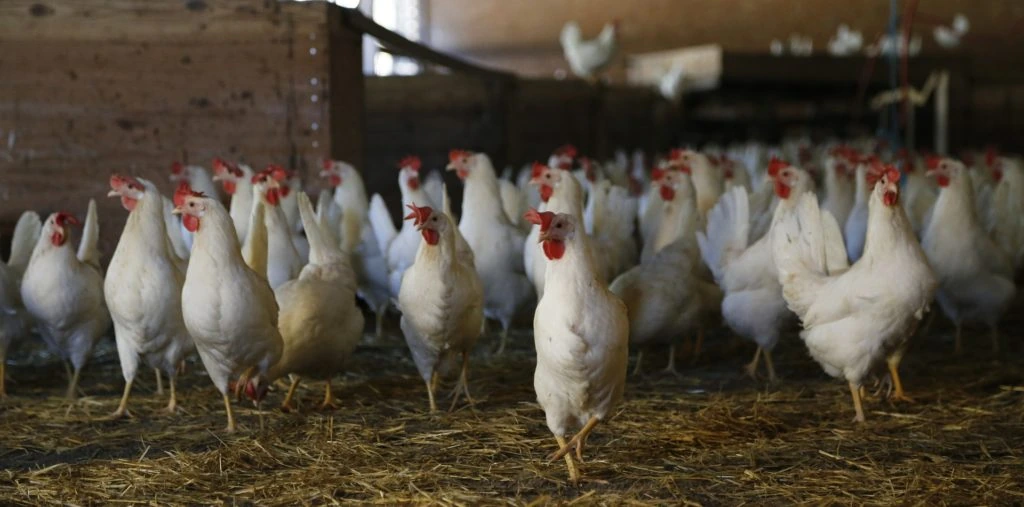
How bird flu would show up in Tennessee
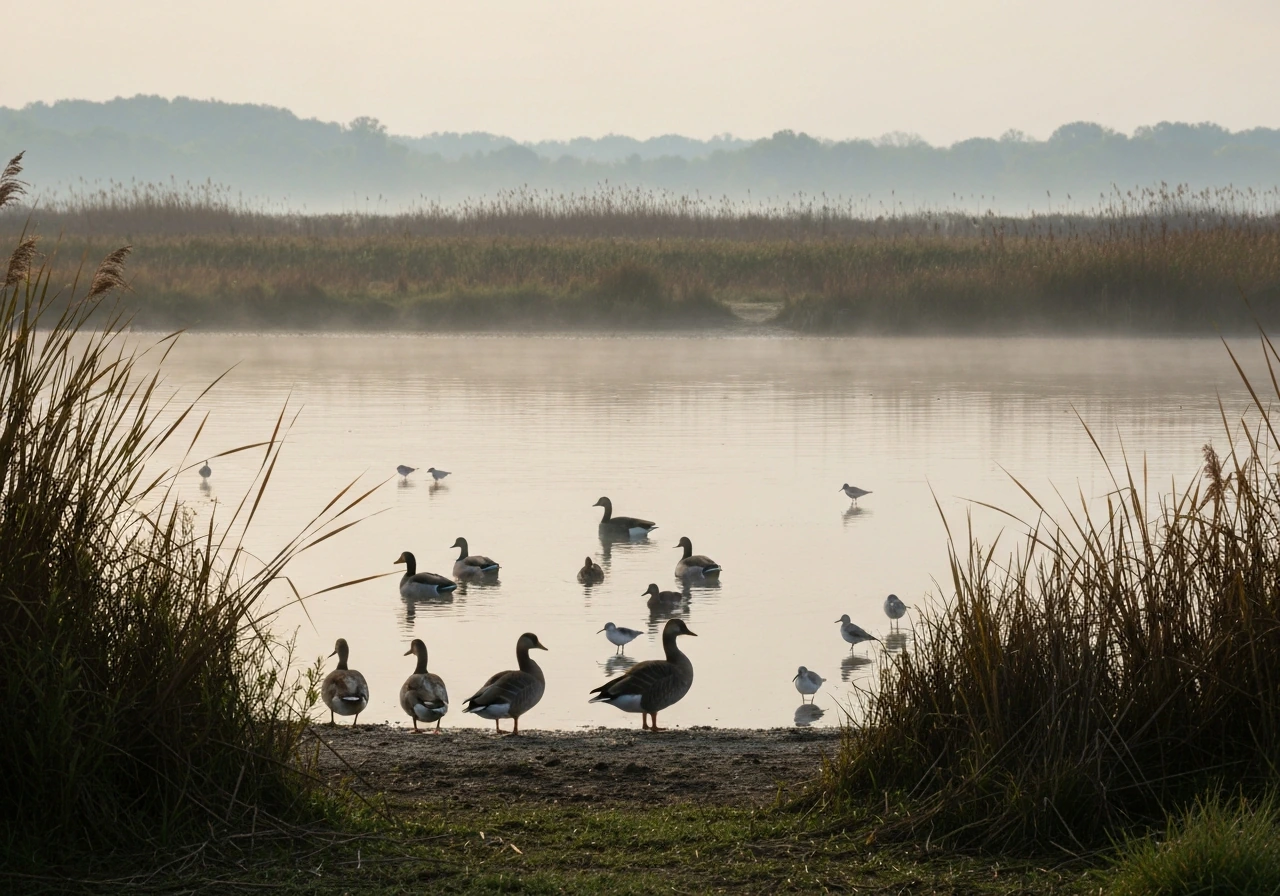
Bird flu doesn't arrive with a news alert. It usually shows up quietly in wild waterfowl first, particularly ducks, geese, and shorebirds passing through Tennessee along the Mississippi Flyway and other migratory corridors. These birds can carry HPAI H5N1 without showing obvious signs themselves, shedding virus in their droppings and respiratory secretions onto the land, water, and feed sources that domestic birds share.
From there, the most common path into a Tennessee flock is direct or indirect contact with wild birds: shared water sources, wild birds roosting near or in poultry houses, contaminated equipment or clothing tracked in from another property, or even wind-blown material near open housing. Commercial operations with tight biosecurity are more protected than backyard flocks, which typically have more exposure to wild birds by design.
USDA APHIS notes that detections across the country spike in fall and spring precisely because of migration. Tennessee sits in a major flyway, which puts both backyard keepers and commercial producers on alert during those windows. If you have chickens, ducks, turkeys, or other poultry in Tennessee and you notice something wrong with them, that's the moment to act, not to wait and see. If you’re asking, “is the bird flu in Michigan,” the key answer is to check for the latest state and federal updates on current detections and advisories.
Human risk in Tennessee: what it actually takes to get infected
The CDC is clear on this: the public health risk from H5 bird flu to the general U.S. population is currently low. You may also be wondering whether is bird flu in georgia, but human risk is still driven mainly by close contact with infected birds. Human infections have happened, but they almost always involve direct, close contact with infected birds or their environments, think handling sick or dead birds without protection, cleaning a contaminated coop without a mask, or working in a commercial facility during a depopulation event. Casual contact, like walking past a bird or seeing a dead bird from a distance, is not a meaningful route of infection.
If you do get infected, symptoms typically look a lot like regular flu at first: fever, cough, sore throat, muscle aches, and fatigue. But H5N1 infections in humans can also involve conjunctivitis (eye redness and discharge), shortness of breath, and in serious cases, rapidly progressing pneumonia. The illness can be severe, which is why anyone who develops respiratory symptoms after direct contact with sick or dead birds should tell their doctor about that exposure immediately. Don't just treat it as ordinary flu and wait it out.
What to do if your poultry flock looks sick

HPAI is extremely contagious and moves fast in domestic poultry. Birds can go from appearing healthy to dying within 24 to 48 hours. Classic warning signs in a flock include sudden, unexplained death of multiple birds, dramatic drops in egg production, birds that stop eating or drinking, swollen heads or wattles, purple discoloration of combs, neurological signs like circling or tremors, and severe respiratory distress. If you see any combination of these, treat it as an emergency.
- Stop moving birds immediately. Do not take birds off the property, sell eggs, or allow visitors into your bird area.
- Avoid direct contact with sick or dead birds. If you must handle them, wear gloves, a mask, and eye protection, and wash your hands thoroughly afterward.
- Document what you're seeing. Note the date, number of affected birds, symptoms, and any recent visitors or deliveries to the property.
- Call the Tennessee State Veterinarian's Office at (615) 837-5120 or USDA APHIS at 1-866-536-7593. Report what you're seeing and follow their instructions.
- Do not dispose of dead birds on your own until you've spoken to authorities. Improper disposal can spread the virus further.
- If you develop symptoms after exposure, contact your healthcare provider and mention the bird contact explicitly.
Tennessee's C. E. Kord Animal Health Diagnostic Laboratory is the in-state resource for submitting samples for testing. State and federal responders will guide you through the process if your initial call confirms a suspected case, but calling first is critical.
Is it safe to eat eggs and chicken near areas with cases?
Yes, with normal food safety practices in place. Properly cooked poultry and eggs are safe to eat even in areas near HPAI detections. The virus is killed by heat, and cooking poultry to an internal temperature of 165°F (74°C) and cooking eggs until both the yolk and white are firm eliminates any risk. The commercial poultry supply in the U.S. goes through rigorous inspection and testing, and birds showing signs of illness are not permitted to enter the food chain.
Where you need to be more careful is with backyard flock eggs during an active suspected or confirmed outbreak on your own property. In that situation, follow the guidance from state or federal responders before consuming eggs from the affected birds. For commercially purchased eggs and chicken from the grocery store, the risk is not meaningfully elevated by local wild bird detections.
The practical rules are simple: don't eat or handle raw poultry products carelessly, wash your hands and surfaces after handling raw meat, and cook everything thoroughly. These are the same practices that protect you from Salmonella and other foodborne risks, and they work for bird flu too.
Prevention for Tennessee residents and farmers
For backyard flock owners
- Keep domestic birds away from wild waterfowl as much as possible. If your birds free-range, consider covered runs during peak migration (fall and spring).
- Don't share equipment, feeders, or waterers with neighbors who have birds unless they've been thoroughly cleaned and disinfected first.
- Change clothes and wash footwear before and after working with birds, especially if you've visited other properties or been near wild bird habitats.
- Keep feed in sealed containers to avoid attracting wild birds.
- Report any sick or dead wild birds to the Tennessee Wildlife Resources Agency (TWRA), particularly waterfowl.
For commercial poultry operations
- Follow USDA APHIS 'Defend the Flock' biosecurity protocols rigorously, including controlled access to poultry houses with dedicated footwear and clothing for each house.
- Maintain and update your Secure Food Supply plan or equivalent biosecurity documentation.
- Establish a line of separation between areas where wild birds could be present and where your flock is housed.
- Train all employees on early symptom recognition and the reporting chain.
- Have your Tennessee State Veterinarian contact and USDA APHIS number posted visibly in farm facilities.
Personal hygiene after bird contact

For anyone who handles birds regularly, whether a commercial worker or a backyard hobbyist, personal protective equipment (PPE) during suspected exposure is not optional. Wear gloves and a well-fitted mask (N95 or better) when handling sick or dead birds, avoid touching your face, and wash hands with soap and water for at least 20 seconds after any contact. If you find a dead wild bird, don't pick it up with your bare hands.
Treatment and vaccines for humans
If a person is infected with H5N1 or another HPAI strain, the antiviral oseltamivir (brand name Tamiflu) is the primary treatment. It has the most human data behind it among flu antivirals and is recommended by CDC as soon as possible after symptoms begin, or even at the point of suspected exposure in high-risk cases. Crucially, for hospitalized patients with confirmed or suspected HPAI H5N1, treatment should start immediately, regardless of how long the person has been sick. Waiting does not help.
On the vaccine side, the U.S. does have licensed H5N1 vaccines held in the Strategic National Stockpile, including an adjuvanted H5N1 monovalent vaccine that the FDA first licensed in 2013. These are not available at your local pharmacy like a seasonal flu shot. They are reserved for targeted use in outbreak response situations, such as for exposed workers during a confirmed farm outbreak or for wider distribution if a pandemic risk level is reached. If there were a significant Tennessee outbreak requiring responder protection or broader vaccination, public health authorities would activate those stocks.
For most Tennessee residents right now, the relevant personal protection step is knowing to seek care quickly and tell your doctor about bird contact if you develop flu-like symptoms after exposure. If you’re wondering, is bird flu in illinois, the same kind of migration-linked spread can bring outbreaks to new places. That information changes how a clinician approaches your case and how fast antivirals get started.
Where to check for current Tennessee updates
The situation can shift week to week, especially during migration season. Here's where to go for current, reliable information rather than social media rumors. For the blank" rel="noopener noreferrer">Tennessee State Veterinarian’s Office contact phone number, see the Tennessee Comptroller’s State Veterinarian page. You can also check whether bird flu is in Texas using the same USDA APHIS HPAI dashboard updates is bird flu in texas.
| Source | What it covers | Where to find it |
|---|---|---|
| USDA APHIS HPAI Confirmations Dashboard | Real-time confirmed cases in commercial and backyard flocks by state, updated regularly; filter for last 30 days | aphis.usda.gov (search 'HPAI confirmations dashboard') |
| USDA APHIS Wild Bird Surveillance Dashboard | HPAI detections in wild birds by state and region | aphis.usda.gov (search 'HPAI wild bird dashboard') |
| CDC A(H5) Bird Flu Current Situation | Human case counts, surveillance summaries, updated exposure guidance | cdc.gov/bird-flu |
| Tennessee Department of Agriculture Animal Health Alerts | State-specific alerts and official Tennessee outbreak notices | tn.gov/agriculture (Animal Health Alerts section) |
| Tennessee State Veterinarian (phone) | Direct reporting line for sick or dead poultry: (615) 837-5120 | Call directly |
| USDA APHIS Reporting Hotline | 24-hour reporting for suspected HPAI in any flock: 1-866-536-7593 | Call directly |
If you're a poultry farmer or backyard keeper in Tennessee, bookmarking the USDA APHIS dashboard and checking the Tennessee Department of Agriculture's animal health alerts page takes about two minutes and keeps you ahead of the curve. Other southeastern states like Georgia, Florida, and Ohio have also seen HPAI activity in recent seasons, and the same migration routes that affect them run through Tennessee, so tracking regional patterns gives you useful early warning too.
FAQ
How can I tell if my situation in Tennessee is a bird flu suspicion versus something else like Newcastle disease or avian cholera?
Bird flu suspicion rises when multiple birds show sudden death, sharp egg-production drops, or respiratory and neurological signs within a short window. If you see a combination of rapid worsening plus more than one species affected or unusually high mortality, treat it as urgent and call your veterinarian or the Tennessee lab for testing rather than trying to diagnose at home.
If I find a dead wild bird in Tennessee, should I report it or just dispose of it?
Report it if you can do so safely, especially if it appears fresh and you find more than one within a small area or see signs of illness. Wear gloves and use a bag or double-bag method for disposal, then wash hands thoroughly afterward, and follow your local animal health instructions for how to handle submission if requested.
What should I do if I have outdoor poultry and I can’t completely keep wild birds away from my water or feed?
Switch to covered waterers and sealed feed containers, and avoid using shared ponds, open troughs, or ground-level feed that wild birds can access. Keep bedding and manure secured, limit entry of visitors, and clean footwear and tools when moving between areas, since indirect contamination from clothing and equipment is a common pathway.
Can my dog or cat bring bird flu into my backyard flock in Tennessee?
Yes, mechanically. Pets can track contaminated droppings, feathers, or soil on their fur or paws, and they can also stress or chase birds. Keep pets out of poultry areas, supervise them around the coop, and follow handwashing and surface disinfection after any contact between pets and bird areas.
Is it safe to hose down a coop if I suspect bird flu, or will that spread contamination?
Be cautious. High-pressure washing can aerosolize contaminated material and spread virus to nearby surfaces. If you suspect a case, limit movement, seal off the area, and follow responder guidance for sample collection and disinfection methods, since the “how” of cleanup matters as much as disinfectants.
Should backyard flock owners in Tennessee stop collecting eggs or feeding hens if they suspect bird flu?
If birds look sick or you have unexplained deaths, stop routine handling and egg collection until guidance is provided by responders. Even though cooked eggs are considered safe for eating, limiting contact with affected birds reduces exposure risk while testing decisions are made.
What PPE is actually “enough” for backyard keepers in Tennessee during a suspected outbreak on their property?
At minimum, use gloves plus a well-fitted N95 or better respirator when handling sick or dead birds, and wear dedicated clothing you can remove and wash after. If there is heavy dust, a face shield can add splash protection. Avoid touching your face, then wash hands with soap and water for at least 20 seconds after removing PPE.
If I already took my kids to see the flock that later turned out positive, do we need to panic about human risk?
Most casual contact does not create a meaningful risk, the key factor is close exposure to sick or dead birds or contaminated environments. Still, if anyone developed respiratory symptoms after direct handling or cleaning without proper protection, contact a clinician promptly and mention the bird exposure so antiviral treatment can be considered early if needed.
What should I tell the doctor if I have flu-like symptoms after contact with sick or dead birds?
State the timing of exposure, what you touched (for example, handling dead birds, cleaning a coop, or being present during depopulation), whether you used gloves and a respirator, and whether you were in an affected facility or area. This helps determine whether clinicians should treat early with antivirals and consider specific testing.
If antivirals like oseltamivir are available, why does the timing matter so much?
For H5 bird flu, antiviral treatment is most beneficial when started as early as possible after symptoms begin, and it should not be delayed for additional test results in high-risk suspected cases. Tell the clinician about bird exposure right away, because the decision is time-sensitive.
Do I need to vaccinate my backyard poultry in Tennessee to prevent bird flu?
Generally, vaccination is not a DIY decision for most residents. In the U.S., poultry vaccination is typically reserved for targeted outbreak response and specific plans, because strategies depend on the virus strain, local control measures, and how vaccination affects surveillance. Check with Tennessee animal health authorities before trying to source or use any vaccine.
Where can I confirm whether the situation changed since yesterday in Tennessee?
Use the USDA APHIS real-time HPAI dashboard and also check Tennessee Department of Agriculture animal health alerts, because outbreaks can be confirmed, updated, or expanded between reporting cycles. If you see a change, prioritize immediate biosecurity steps and testing calls over waiting for symptoms in the rest of your flock.
Is the Bird Flu in Michigan Now? Latest Cases and Risk
Find out if bird flu is currently in Michigan, where detections are reported, how many, and what to do safely.