Yes, bird flu (specifically Highly Pathogenic Avian Influenza, or HPAI) has been confirmed in Texas, with detections recorded in both commercial poultry operations and backyard flocks across multiple counties. As of May 28, 2026, the Texas Animal Health Commission (TAHC) lists confirmed cases going back through 2024 and 2025, including a commercial flock in Shelby County (December 2025), backyard flocks in Harris, Hays, Galveston, and Kaufman counties, and a non-commercial flock in Carson County as recently as January 2026. That said, the risk to the general public remains low. Human infections are rare, tied almost exclusively to direct contact with infected birds or contaminated materials, and properly cooked poultry and eggs are safe to eat.
Is Bird Flu in Texas? Latest Locations, Risk, and Safety

How to check where bird flu is reported in Texas right now
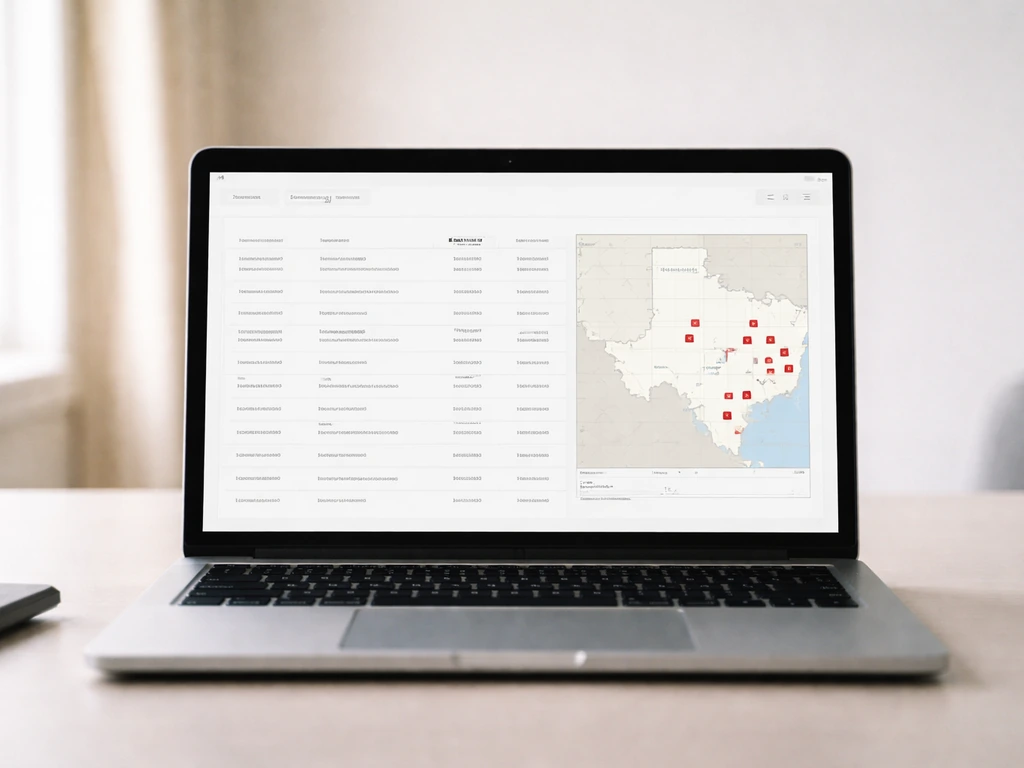
The best starting point is the TAHC Avian Influenza Emergency page, which maintains a live table called 'Positive Cases of HPAI in Texas.' It lists every confirmed detection by county, date, and flock type (commercial, backyard poultry, or backyard non-poultry). This is the most Texas-specific, regularly updated source you'll find, and it's run by the state agency with direct jurisdiction over livestock and poultry health.
For national context, the USDA APHIS 'HPAI Confirmed Cases in Livestock' page offers a map and table of detections across all states. If you check it, you may need to refresh the page to load the latest data. USDA also maintains a separate 'HPAI Detections in Wild Birds' page, which tracks wild bird surveillance. That wild bird data matters because wild waterfowl are the primary reservoir for the virus and often the source of introduction onto farms.
For human cases specifically, the CDC is your source. As of July 7, 2025, CDC no longer reports animal detection data on its website (that moved entirely to USDA), but CDC continues to post all confirmed and probable human A(H5) cases. You can also check FluView, CDC's influenza surveillance system, for additional monitoring data. The Texas Department of State Health Services (DSHS) also has a bird flu overview page and directs Texans to TAHC for reporting sick or dead poultry.
What 'where it is' actually means: poultry flocks, wild birds, and people are three different things
When you hear 'bird flu is in Texas,' it's important to understand what category the detection falls into, because each one carries a very different implication for your risk.
| Detection Type | What It Means | Risk to People |
|---|---|---|
| Commercial poultry flock | HPAI confirmed at a farm or processing facility; birds are typically depopulated quickly to contain spread | Low; risk only for farm workers with direct, unprotected contact |
| Backyard/non-commercial flock | Confirmed in a small personal flock (chickens, ducks, geese, or other birds); often the result of wild bird contact | Low; elevated only if you handle sick or dead birds without protection |
| Wild bird detection | Virus found in a wild bird (often waterfowl or shorebirds); serves as an early warning that the virus is circulating in the area | Very low for the general public; avoid handling sick or dead wild birds |
| Human case | A person confirmed or probable positive for H5 influenza; extremely rare in the U.S. and tied to direct animal exposure | Relevant only to exposed individuals; no documented sustained human-to-human transmission |
Texas has seen detections across all three animal categories. The TAHC table shows a mix of commercial and backyard detections, including flocks classified as 'non-poultry' (think ornamental birds or mixed-species hobby farms) alongside traditional poultry. USDA's wild bird surveillance program is designed precisely to serve as an early warning system, flagging counties and flyways where the virus is moving before it reaches domestic flocks. Human cases in Texas specifically have not been a prominent feature of recent reporting, but that can change, and CDC is the definitive tracker.
Current human risk in Texas: what symptoms to watch for and when to call a doctor

CDC is clear that the risk to the general public from bird flu is currently low. The vast majority of U.S. human cases have involved people with direct occupational or recreational exposure to infected birds, dairy cattle, or contaminated products like raw milk. If you haven't been in contact with sick or dead birds (wild or domestic), raw poultry, or farm environments with confirmed HPAI, your personal risk is minimal.
If you have had that kind of exposure, here's what to watch for. Eye redness and irritation have been the predominant symptom in recent U.S. cases, and eye symptoms can appear as quickly as one to two days after exposure. Beyond that, early illness often looks like ordinary flu: fever, upper respiratory symptoms, and muscle aches. The concern is that HPAI H5 can progress to lower respiratory tract illness, which is more serious than typical seasonal flu. That progression is what makes early medical contact important.
CDC recommends that anyone exposed to infected or potentially infected animals monitor their health starting on the first day of exposure and continue for 10 full days after the last exposure. If you develop any of the following after an exposure, contact a healthcare provider and mention the exposure history:
- Eye redness, discharge, or irritation
- Fever (100.4°F or higher)
- Cough, sore throat, or difficulty breathing
- Muscle aches or fatigue more severe than typical
- Runny or stuffy nose that develops within days of exposure
Tell your doctor about the potential bird flu exposure right away. This helps them order the right tests and consider antiviral treatment (oseltamivir, commonly known as Tamiflu) early, which matters most when started quickly. You can also contact Texas DSHS if you're unsure whether your situation warrants a public health report.
How bird flu spreads in Texas: exposure routes and farm biosecurity
HPAI spreads primarily through direct and indirect contact with infected birds. WHO’s disease-outbreak-news guidance for H5 events notes that farm workers with direct or close contact with infected or contaminated animals or materials should wear appropriate PPE to minimize exposure risk. For people, the main routes are touching contaminated surfaces (infected birds' mucus, saliva, or feces) and then touching your eyes, mouth, or nose, or getting a splash of contaminated material directly into your eyes. This is why raw milk and improperly handled poultry products are flagged as risks: the virus can be present in those materials from infected animals.
On Texas farms, the most common introduction route is wild waterfowl. Migrating birds carrying HPAI can contaminate shared water sources, feed areas, or equipment, and the virus can then spread within a flock rapidly. TAHC explicitly identifies preventing exposure to wild waterfowl as the top biosecurity priority. Farm-to-farm spread can also happen through contaminated vehicles, clothing, equipment, or people who move between operations without decontaminating.
Backyard flock owners face similar risks, especially if their birds have any outdoor access where wild birds land or where standing water collects. Several of the Texas detections in TAHC's records (Harris, Hays, Galveston, Kaufman counties) were in backyard non-commercial flocks, which reflects this exposure pattern.
Food safety: can you eat Texas poultry and eggs during an outbreak?
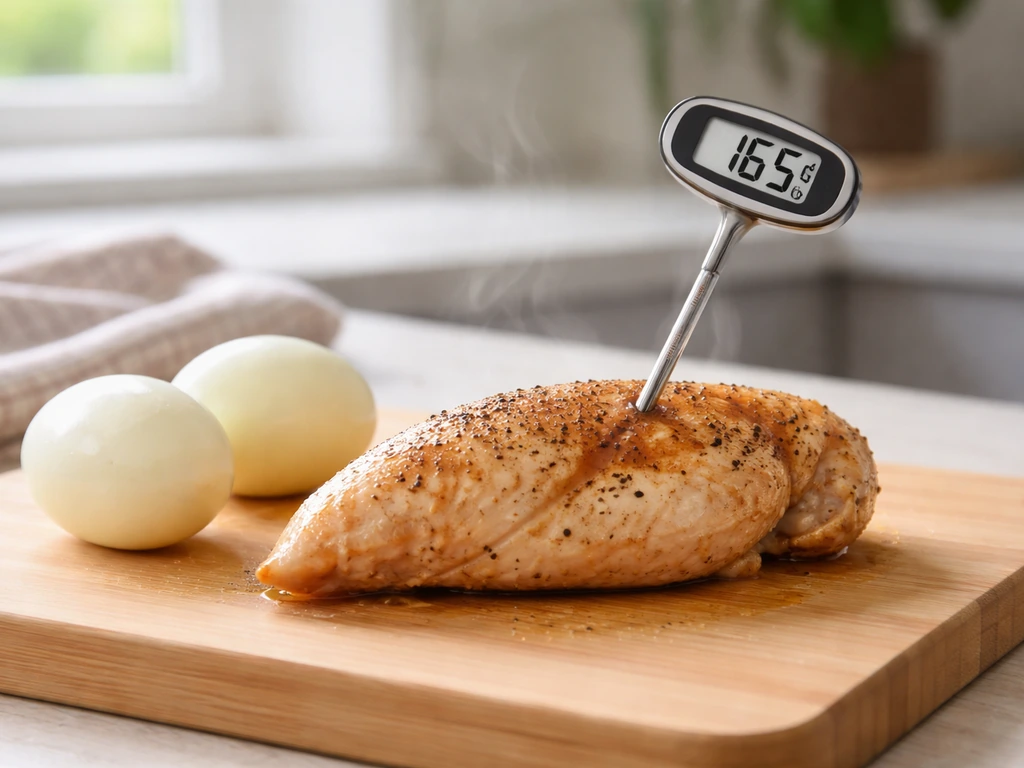
Yes, you can. Properly cooked poultry and eggs from Texas are safe to eat. HPAI is killed by standard cooking temperatures. Poultry should reach an internal temperature of 165°F, and eggs should be cooked until both the yolk and white are firm. The commercial poultry supply is also subject to USDA inspection, and flocks confirmed positive for HPAI are depopulated and removed from the food supply, not processed for sale.
The one area where risk does exist is raw or undercooked products. Raw milk from cows on farms with HPAI has been flagged as a transmission route in some U.S. cases, and handling raw poultry from infected birds without precautions is a real exposure route. Normal food safety habits cover you: cook everything thoroughly, wash hands before and after handling raw poultry, and avoid raw milk. There is no credible evidence that eating well-cooked poultry or commercial eggs from Texas poses a bird flu risk to consumers.
Prevention steps for Texas households and farmers
For general residents and backyard flock owners
- Do not handle sick or dead wild birds with bare hands; use gloves or a bag and contact your local animal control or wildlife agency
- If you have a backyard flock, limit or eliminate access to areas frequented by wild waterfowl, and cover water and feed to prevent wild bird contamination
- Wash hands thoroughly after any contact with birds, poultry, or their environments
- Avoid touching your face (especially eyes, nose, and mouth) after potential exposure
- Report sick or dead poultry to TAHC; do not wait to see if birds recover on their own
- Cook all poultry and eggs to proper temperatures and avoid raw or undercooked poultry products
For Texas poultry farmers and commercial operations
- Take advantage of USDA APHIS's two free voluntary biosecurity assessments (available to operations not currently impacted by HPAI); trained USDA staff will visit and identify specific actionable strategies for your operation
- USDA will share up to 75% of the cost to fix the highest-risk biosecurity issues identified in those assessments, with reimbursement bands based on production type and flock size
- Establish and enforce strict perimeter biosecurity: controlled access points, vehicle decontamination stations, and dedicated farm clothing and footwear
- Minimize contact between your flock and wild birds; cover housing where possible and address standing water
- Train all workers on PPE use (gloves, eye protection, respirators in high-risk areas) and exposure monitoring protocols
- If HPAI is confirmed at your operation, you must pass an Infected Premises Restock Biosecurity Audit before restocking to remain eligible for USDA indemnity payments
What to expect clinically if you're exposed, and what public health guidance looks like
If you've had a known exposure to infected birds or contaminated materials, the clinical picture to understand is this: H5 bird flu in humans can start mild, resembling seasonal flu or even just conjunctivitis (pink eye). But it has the potential to progress quickly to lower respiratory illness, and that's what distinguishes it from typical seasonal flu in higher-risk exposures. Early antiviral treatment makes a significant difference, which is why the 10-day monitoring window and early contact with a clinician matters.
From a public health standpoint, what actually happens when an exposure is reported: CDC and state health departments conduct patient investigations, test exposed individuals, and initiate monitoring for anyone with significant exposure. Antiviral treatment (and sometimes prophylactic antivirals for high-risk exposed persons) is part of the protocol. Healthcare providers are guided to use appropriate infection prevention and control measures when evaluating potential cases.
WHO tracks cumulative global confirmed human H5N1 cases and publishes updates. The most recent WHO data cut-off was March 31, 2026. Global confirmed human cases of H5N1 remain low relative to the scale of animal outbreaks, which reinforces the point that efficient human-to-human transmission has not been demonstrated. That's the key public health reassurance: HPAI is serious in birds and requires vigilance, but it does not currently spread between people the way seasonal flu does.
If you're in Texas and you're worried, the practical steps are straightforward: check TAHC's case table for your county, follow basic protective measures around birds, cook your food properly, and if you've had a real exposure, call a doctor and mention it specifically. If you are wondering whether is bird flu in tennessee, the same approach applies: check your state animal health agency's current case list and follow posted guidance.
If you are wondering is the bird flu in Michigan, you can use the USDA APHIS tracking pages to see confirmed detections by state. The situation in Texas is similar in structure to what's been seen in other active states. You can also check the latest national and state updates to see whether bird flu has been reported in Georgia yet (including both animals and any human cases) bird flu in Georgia.
You can also check current reporting for Illinois, since detections may appear in other states even when the risk to the general public remains low is bird flu in Illinois. The risk profile varies by county and flock density, but the prevention principles and the way you should interpret a local detection remain consistent whether you're looking at Texas or tracking reports from states like Florida, Michigan, or Ohio.
For the latest on whether bird flu has been detected in Florida, you can check the same official wildlife and livestock tracking sources used for other states is bird flu in florida.
FAQ
If bird flu is confirmed in my Texas county, does that mean my family’s general health risk is high?
Not automatically. A local detection mostly indicates higher vigilance for contact precautions around birds and farm environments. The overall risk to the general public remains low as long as you are not handling sick or dead birds, not working on farms with confirmed HPAI, and not exposed to raw poultry or raw milk from affected operations.
What should I do if I find a dead wild bird in Texas?
Avoid touching it with bare hands. Keep people and pets away, use gloves or a bag and tools to contain it if instructed by local guidance, and report it to the appropriate state channels. If you already had direct contact with bird material, monitor for eye symptoms and fever per the exposure monitoring window and tell a clinician about the contact history.
Does having backyard chickens in Texas increase my risk more than regular seasonal flu exposure?
It can increase your exposure risk only if your birds have contact with wild birds or contaminated water, or if you clean coops without protection. The higher-risk situations are handling sick birds, cleaning contaminated bedding or surfaces without eye protection, and bringing indoor contamination (clothing, footwear, tools) back into living areas.
Can I get bird flu from eating cooked chicken or eggs from a Texas grocery store?
The risk from properly cooked food is considered negligible. Standard cooking temperatures kill HPAI, and eggs and poultry that enter commerce are regulated and managed through normal food safety systems. The main dietary risk scenarios are raw or undercooked products and raw milk.
Is it safe to taste raw batter or lick a spoon made with raw egg during cooking at home?
To be cautious, avoid tasting raw egg or touching your face while handling raw poultry or eggs. If raw materials splash into eyes or you get residue on your hands and then touch eyes, mouth, or nose, that is the type of exposure route that matters. Wash hands thoroughly and clean utensils before reuse.
What counts as a meaningful exposure that should prompt medical advice in Texas?
Meaningful exposure is typically direct contact with sick or dead birds, contact with materials potentially contaminated with bird secretions or feces, or a splash into the eyes. If you were around an affected farm environment, handling birds, bedding, or contaminated equipment, that is also a key factor.
How should I monitor myself after a possible exposure?
Start watching on the day of exposure and continue for 10 full days after your last possible exposure. Pay attention to eye symptoms like redness or irritation, and also watch for fever and flu-like symptoms. If symptoms start, contact a healthcare provider promptly and mention the exposure so the right testing and treatment options can be considered early.
If I have mild cold symptoms but no eye redness, should I assume it is bird flu?
Mild respiratory symptoms without an exposure event are more likely to be typical seasonal illness. The key decision point is whether you had a relevant bird-related exposure, especially eye exposure. Still, if you had direct contact with potentially infected birds or materials, don’t wait, contact a clinician and disclose the exposure history.
Should I tell my doctor I was near birds, even if I cannot confirm they were infected?
Yes. If there is any chance you had contact with sick or dead birds, a farm cleanup, or contaminated materials, mention it. Clinicians use exposure history to decide whether to test for H5 influenza and whether early antivirals are warranted.
Can bird flu spread from person to person in Texas?
Current public health understanding is that efficient spread between people has not been demonstrated. Routine household contact is not the main concern; the primary risk comes from contact with infected birds or contaminated materials. If a close contact of a suspected or confirmed case develops symptoms, healthcare guidance will still focus on exposure-linked evaluation.
As a backyard flock owner, what biosecurity step matters most to reduce risk from wild birds?
Preventing wild bird access is central. Use covered feed and water, limit standing water, secure coops and outdoor runs, and clean and disinfect equipment before moving between locations. If you have outdoors where wild birds land, that’s where you focus first.
If my county appears on the TAHC list, how long should I stay extra cautious?
Use the timeline in the county’s listed detections to understand local activity, but you should still apply baseline precautions consistently. Your personal need for extra caution is highest when you have ongoing contact with birds, you clean coops frequently, or your birds have outdoor exposure to wild birds.
What should I do if I have raw milk access in Texas and I’m worried about HPAI?
Avoid consuming raw milk. If you are concerned about a specific farm, do not take chances. Raw milk has been flagged as a transmission route in some cases elsewhere, and the safest approach is to choose pasteurized products.
Is Bird Flu in Florida? Current Cases and How to Check
Find out if bird flu is in Florida now, how many cases are confirmed, and how to verify official updates fast.