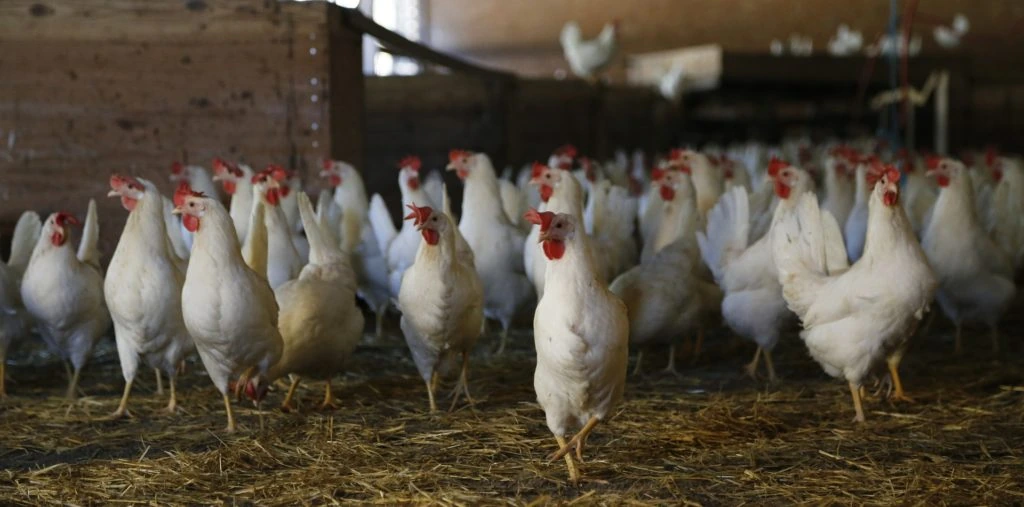
Yes, bird flu (specifically Highly Pathogenic Avian Influenza, or HPAI) has been confirmed in Georgia in 2026, but as of July 5, 2026, the state's most recent detection was back in April, and Georgia officially regained 'HPAI-Free' status in March after earlier detections were resolved. There are zero confirmed human cases in Georgia. The detections that did happen were in poultry flocks, not people, and the risk to the general public remains very low. Right now, HPAI status is state-specific, so the best way to answer whether bird flu is in Texas is to check the latest APHIS detections for that state is bird flu in texas.
Is Bird Flu in Georgia Now? Latest Cases and What to Do

Sarah Chen
5 Jul 2026
What's actually been confirmed in Georgia in 2026

The Georgia Department of Agriculture (GDA) maintains a county-by-county table of confirmed HPAI detections. For 2026, there have been four confirmed detections across three counties, all in poultry flocks. Here's the full picture straight from that table:
| County | NVSL Confirmation Date | Flock Type |
|---|---|---|
| Walker | January 13, 2026 | Commercial Poultry |
| Walker | January 23, 2026 | Commercial Poultry |
| Hart | February 2, 2026 | Commercial Poultry |
| Pierce | April 17, 2026 | Backyard Flock |
The Hart County detection in early February was the sixth HPAI detection in Georgia since the current outbreak cycle began in February 2022, and the third in 2026 alone. Following the Walker and Hart County commercial flock detections, Georgia officially regained 'HPAI-Free' status on March 13, 2026. The Pierce County backyard flock detection in April was confirmed after that status was granted, which means monitoring and reporting are still very much active.
Human cases vs. poultry detections: what the numbers actually mean
This is probably the most important thing to clarify, because the word 'case' gets used loosely in news headlines. When the GDA reports a 'detection' or 'confirmed case,' they're talking about a poultry flock testing positive, not a person getting sick. The National Veterinary Services Laboratories (NVSL) confirms these detections after a positive H5 assay. These are agricultural events, not human illness reports.
On the human side, CDC tracks human A(H5) bird flu cases separately through its FluView surveillance system. Georgia shows zero confirmed or probable human cases for the 2025-26 season. Nationally, human cases have occurred in people with direct, prolonged contact with infected animals, mainly dairy farm workers and poultry workers. Casual exposure to birds in a park or a neighbor's flock does not put you in that risk category.
It's also worth knowing how CDC classifies human cases. A 'probable' case is one that tests positive at a public health lab but hasn't yet been confirmed by CDC testing. A 'confirmed' case has gone through full CDC laboratory confirmation. Once a state lab has confirmed the first three cases and CDC verifies their process, subsequent detections from that lab can also be counted as confirmatory. Georgia has none in either category right now.
Where to find real-time Georgia updates

The most reliable sources are the ones pulling from official surveillance data. Bookmark these and check them directly rather than relying on news aggregators, which often lag or sensationalize: You can use the same official approach to check whether bird flu is in Tennessee, not just Georgia bird flu in Tennessee.
- Georgia Department of Agriculture (GDA) Avian Influenza page: this is your best first stop for Georgia-specific poultry detections, broken down by county and confirmation date.
- USDA APHIS 'Confirmed HPAI in Commercial and Backyard Flocks' dashboard: updated every weekday, shows new confirmed cases in the last 30 days plus cumulative state totals. The 30-day view gives you the best picture of active spread.
- USDA APHIS 'HPAI Confirmed Cases in Livestock' map: also updated weekdays, useful for dairy cattle detections if that becomes relevant in your area.
- USDA APHIS 'HPAI Detections in Wild Birds' table: includes samples from APHIS Wildlife Services plus state agencies and private submissions. Useful context for understanding where the virus is circulating in wild bird populations near you.
- CDC A(H5) Bird Flu Current Situation page: the authoritative source for human case counts nationally, updated on a routine schedule. Note that as of July 2025, CDC streamlined its reporting cadence and animal detection data now lives on USDA's site.
- CDC FluView/GRASP Novel Influenza A interactive: shows human case counts by state and season. Georgia currently reads zero.
One thing to keep in mind: detections can change quickly, especially during spring and fall when migratory wild birds are moving through. A state can go from 'HPAI-Free' back to active detections within days if a new flock tests positive. Checking the APHIS dashboard every week or two during migration seasons is a reasonable habit if you have birds. If you’re wondering whether the bird flu is in Michigan, you can check the same APHIS dashboard for the latest state-level detections Checking the APHIS dashboard.
How bird flu spreads and who is actually at risk
HPAI (H5N1 is the dominant strain in the current outbreak) spreads primarily through direct contact with infected birds or their droppings, saliva, and respiratory secretions. Wild migratory waterfowl, especially ducks and geese, are the main reservoir. They often carry and shed the virus without showing symptoms, which makes them a silent introduction risk for domestic flocks. Once HPAI gets into a commercial or backyard flock, it spreads rapidly and is almost always fatal for the birds.
For humans, the risk is genuinely low for most people. The individuals who have contracted H5N1 in the current U.S. outbreak have almost all been poultry workers or dairy farm workers with repeated, close, unprotected contact with infected animals. The virus does not spread efficiently between people right now, which is why there are no human-to-human transmission chains in the U.S. That said, anyone who handles sick or dead birds without protection is taking on some level of exposure risk and should take it seriously.
HPAI is not the same as seasonal flu. It does not spread through communities the way influenza A or B does each winter. Comparing the two is a common source of confusion and unnecessary fear. Bird flu is an occupational and agricultural concern first, a public health concern second, and a general population concern only under specific circumstances.
Signs of bird flu in flocks and symptoms in people
What to watch for in your birds
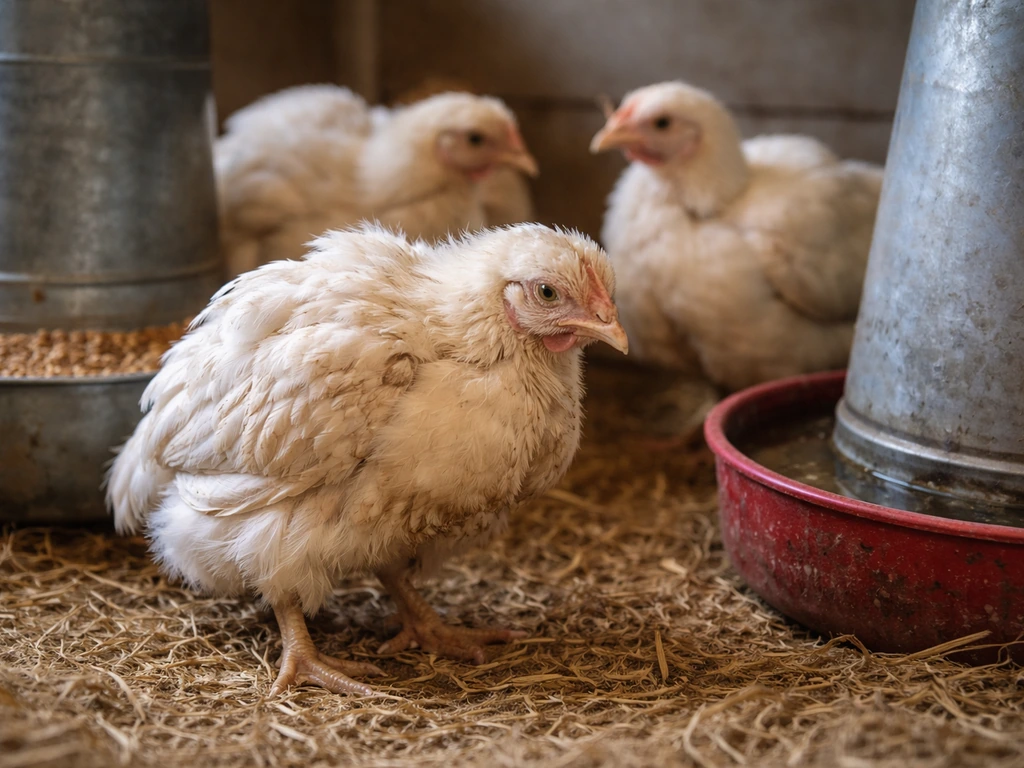
- Sudden, unexplained death in multiple birds in a short period (HPAI moves fast in flocks)
- Severe drop in egg production or eggs with soft or misshapen shells
- Swelling of the head, neck, or eyelids
- Coughing, sneezing, or nasal discharge
- Purple or blue discoloration of the wattles, combs, or legs (sign of poor circulation)
- Lack of coordination, tremors, or inability to stand
- Diarrhea or unusual lethargy
If you see any of these signs, especially sudden unexplained death in multiple birds, don't wait. Contact the Georgia Department of Agriculture or your local veterinarian immediately. Do not move birds off the property until you get guidance.
Human symptoms to take seriously
Most people exposed to HPAI will not get sick. But if you've had direct contact with infected or potentially infected birds and you develop any of the following within 10 days of that exposure, seek medical care and tell your doctor about the exposure:
- Fever of 100°F (37.8°C) or higher, or feeling feverish/chills
- Cough
- Shortness of breath or difficulty breathing
- Eye redness or irritation (conjunctivitis), sometimes with discharge
- Sore throat
- Runny or stuffy nose
- Muscle or body aches
- Diarrhea or vomiting (less common but reported in some cases)
The 10-day monitoring window matters. CDC guidance is clear that anyone with direct contact with sick or dead animals (including animals that may have eaten infected birds) should watch for these symptoms for 10 days after exposure. If symptoms appear, call ahead to your healthcare provider before walking in, so they can prepare appropriate precautions.
What to do right now if you have backyard birds or a farm
Georgia's Pierce County backyard flock detection in April is a good reminder that HPAI doesn't only hit large commercial operations. For example, if you are wondering is bird flu in illinois, you can look for the same kind of confirmed poultry detections in official state and federal updates HPAI doesn't only hit large commercial operations. Backyard flocks are genuinely at risk, particularly if they have any exposure to wild birds. Here's what to do, starting today:
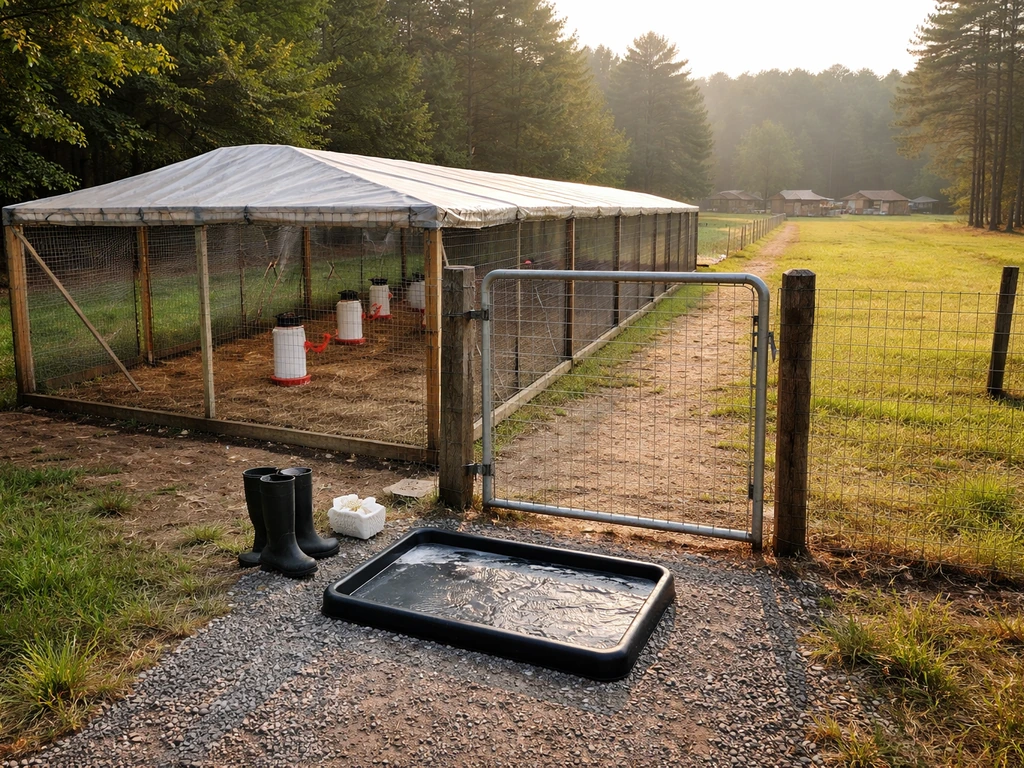
- Reduce wild bird contact: use covered feeders or remove them entirely during peak migration. Keep standing water away from your flock's area. Use netting or enclosed runs to prevent wild birds from landing near your flock.
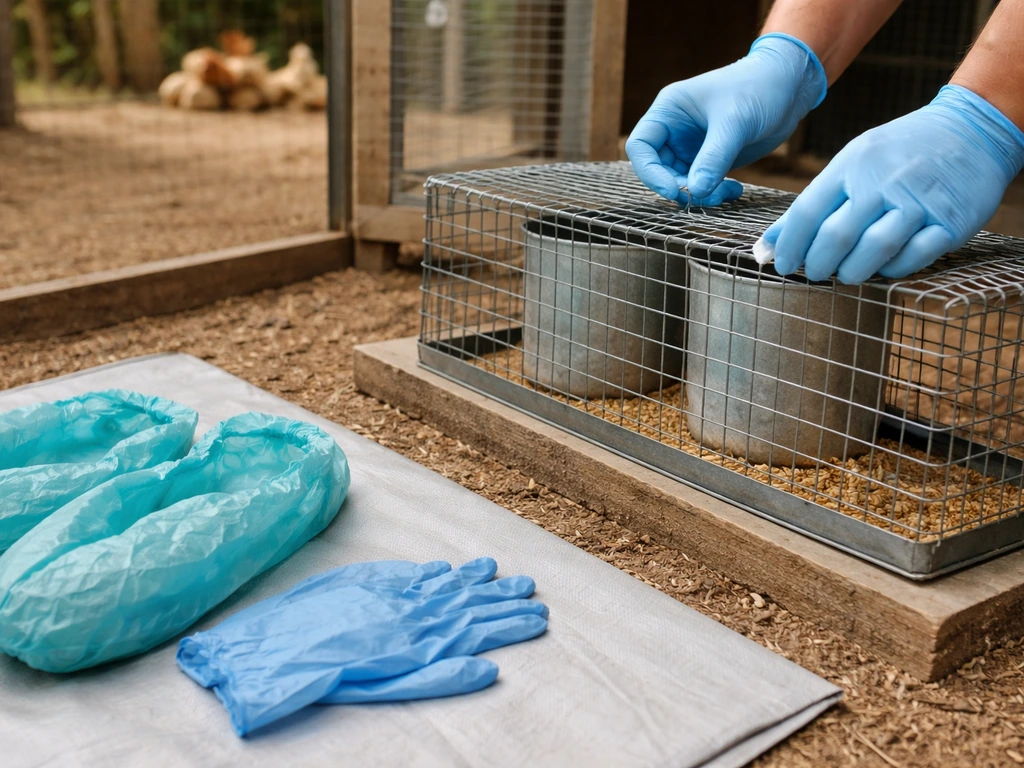
- Practice solid biosecurity: clean and disinfect footwear before entering your flock's area. Change clothes or wear dedicated outerwear. Don't let visitors into bird areas without the same precautions.
- Know who to call: save the GDA Animal Protection Division number and your local USDA APHIS Wildlife Services contact. If you see mass illness or sudden death, report it immediately. Early reporting helps contain spread.
- Document your flock's normal behavior: knowing what 'healthy' looks like makes it much easier to recognize early warning signs.
- If you handle sick or dead birds: wear gloves, eye protection, and ideally an N95 or similar respirator. Wash hands thoroughly with soap and water afterward. Do not handle dead wild birds with bare hands.
- Commercial operators: make sure your Secure Poultry Supply Plan is current. Contact your integrator or state veterinarian if you have questions about your HPAI response protocols.
- Monitor APHIS and GDA pages: especially from September through May, when wild bird migration increases introduction risk.
Is it safe to eat chicken and eggs from Georgia?
Yes. The GDA explicitly states that avian influenza does not pose a risk to the food supply and that no affected animals entered the food chain. Infected flocks are depopulated (removed from the food system entirely) as part of the outbreak response protocol. You will not find HPAI-positive poultry in grocery stores or at farmers markets.
That said, safe cooking practices always apply, HPAI or not. Cook all poultry, including ground chicken and turkey, to an internal temperature of 165°F. Egg dishes should also reach 165°F if they contain meat or poultry. For standalone egg dishes, 160°F is the threshold for safety. Egg-containing foods that are being reheated should be brought back up to 165°F before serving. These temperatures kill influenza viruses along with Salmonella and other pathogens.
If you raise backyard chickens and collect your own eggs, continue eating them normally as long as your flock is healthy. If your flock shows signs of illness or HPAI is confirmed in your area, hold off and contact GDA for guidance. Common sense hygiene applies regardless: wash hands after handling eggs or birds, and refrigerate eggs promptly.
Georgia compared to neighboring states
Georgia is one of several southeastern and midwestern states that have seen HPAI activity in the current outbreak cycle. Neighboring Tennessee has also had detections, and states further afield like Florida, Texas, Ohio, Illinois, and Michigan have experienced their own HPAI situations. The virus follows migratory flyways, so activity in one state is often a signal to watch neighboring states closely. Georgia's spring detections, including the Pierce County backyard flock case, are consistent with the broader pattern of increased risk during migration seasons.
How to interpret the numbers as they change
Case counts in HPAI outbreaks can jump quickly. A single infected wild bird landing near a commercial poultry house can trigger a detection that leads to the depopulation of hundreds of thousands of birds within days. That doesn't mean the situation is spiraling; it means the surveillance and response system is working. When you see a new detection appear on the APHIS dashboard or GDA page, it generally means the virus was caught and contained, not that it's spreading unchecked.
blank" rel="noopener noreferrer">Pay attention to the 30-day view on the APHIS dashboard rather than cumulative totals. Cumulative numbers include detections from years ago and can look alarming out of context. What matters for your current risk assessment is what's happened recently, in your state or region, in the past few weeks. That's the number that tells you whether active spread is happening right now. If you are asking is bird flu in Ohio, checking that same kind of recent, state-specific activity on the APHIS dashboard is the best starting point active spread is happening right now.
FAQ
If Georgia is listed as HPAI-Free again, does that mean bird flu can’t come back?
No. HPAI-free status only reflects the most recent period of detections being resolved. During migration seasons, a single new positive in a flock can restore “active detections” quickly, so you should re-check Georgia’s GDA table or the APHIS state view whenever new reports start appearing.
What counts as a “detection” in Georgia, and why do headlines sometimes sound scarier than the data?
In Georgia reporting, a detection usually means a poultry flock test came back positive for HPAI (for example via H5 assay), not that someone got sick. Headlines that say “case” can conflate these two, so for risk decisions focus on confirmed poultry locations and dates rather than human-health wording.
I own backyard chickens in Georgia. What should I do if wild waterfowl are hanging around my property?
Treat wild birds as a risk to your flock even if they look healthy. Keep feed and water covered, prevent direct contact between your birds and wild birds or their droppings, and clean tools and footwear after being outdoors around poultry. If you suspect exposure or illness, contact GDA or your vet promptly.
Are there any signs that a flock is sick that I should not ignore?
Yes. Look for sudden unexplained death, rapid drop in egg production, swollen head or eyelids, respiratory signs, and unusual behavior in multiple birds. If you see these, isolate sick birds from healthy birds and stop moving birds off-property until you get guidance.
If I find a dead wild bird, should I report it, and should I handle it?
You should report it to the appropriate local authority or animal health contact, and avoid handling with bare hands. Wear gloves if you must move it for reporting, seal it in a bag, and wash your hands thoroughly afterward. Don’t transport it around your neighborhood or to other bird owners.
What’s the difference between “probable” and “confirmed” human H5 cases, and why does it matter for Georgia residents?
“Probable” means a test was positive at a public health lab but not fully confirmed through CDC laboratory testing. “Confirmed” means CDC verified the case through its process. This distinction affects counting and reporting timelines, and it matters because Georgia currently reports none in either category.
If a healthcare provider sees “bird flu symptoms,” how do I make sure they understand my exposure risk?
Tell them about any direct or close contact you had with sick or dead birds, or with settings where you handled poultry products or farm animals, and provide the approximate exposure date. CDC’s monitoring window is about 10 days after exposure, so accurate timing helps determine whether you need testing and isolation precautions.
Can bird flu spread through casual contact like visiting someone’s farm or seeing birds in a park?
The current U.S. risk profile is not based on casual community contact. The higher-risk situations involve direct, repeated, unprotected contact with infected animals or contaminated materials. If you’re visiting, use basic hygiene, avoid touching birds or carcasses, and wash hands after leaving the area.
Will cooking poultry or eggs make bird flu safer, and do the same temperatures apply to eggs?
Yes. Cooking kills influenza viruses. Use the stated internal temperatures (165°F for poultry and egg-containing dishes, and 160°F for standalone egg dishes). Also avoid “partial reheating,” because egg dishes that are reheated should be brought back to 165°F.
If my neighbor’s flock tests positive in Georgia, do I need to stop eating eggs or changing routines?
Not automatically. If your flock is healthy and you have not had direct exposure to infected birds or contaminated materials, you can generally continue normal use of your eggs. If HPAI is confirmed near you or signs appear in your birds, pause and contact GDA for guidance on biosecurity and movement restrictions.
How should I interpret the time window on APHIS, and what’s the best way to judge “right now” risk?
Use the recent-activity view (for example the 30-day window) rather than cumulative totals. Cumulative numbers can include older detections that are no longer relevant. For “is bird flu in Georgia right now,” the most useful indicator is whether there are new detections within the past few weeks and whether they’re in your county or nearby counties.
Next Article
Is Bird Flu in Tennessee Right Now? Updates and What to Do
Find current Tennessee bird flu status, where it’s detected, real human risks, what to do now, and egg safety guidance.