
Yes, bird flu (avian influenza, specifically the H5N1 strain) has been detected in Illinois, including in wild birds and poultry flocks in the state. As of June 9, 2026, Illinois remains an active area of concern because it sits along major migratory flyways used by wild waterfowl, which are the primary carriers. That said, human cases in Illinois remain extremely rare, commercially sold eggs and poultry are safe to eat when properly cooked, and the everyday risk to most residents is very low. What matters most is knowing what kind of detection is being reported, where it is, and what actions are actually relevant to you.
Is Bird Flu in Illinois or Chicago Right Now? What to Do

Sarah Chen
9 Jun 2026

What the current situation looks like for Illinois and Chicago
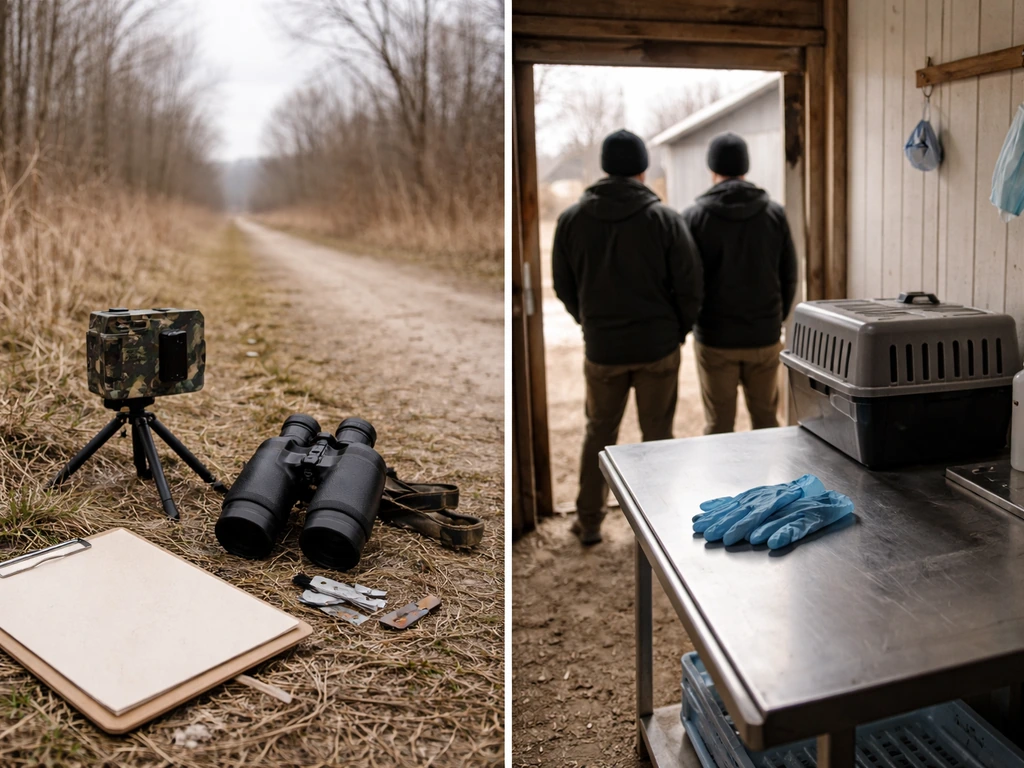
Illinois has confirmed HPAI (Highly Pathogenic Avian Influenza) H5N1 detections in both wild birds and domestic poultry flocks, consistent with the national pattern tracked by USDA APHIS. The CDC's most recent national situation update was dated March 6, 2026, and ongoing detections across the Midwest confirm the virus is still circulating in wild bird populations. Chicago sits at the intersection of the Mississippi and Central flyways, meaning migratory waterfowl passing through the region can carry and shed the virus in parks, wetlands, and lakefront areas throughout the spring and fall migration seasons.
For Chicago-area residents specifically, the practical concern is mostly about avoiding contact with sick or dead wild birds rather than any elevated personal health risk. There are no widespread human cases in Illinois. The Illinois Department of Public Health (IDPH) maintains an H5N1 Outbreaks Dashboard where you can check for confirmed detections by county, including whether any commercial or backyard flocks have been affected near you.
What "bird flu is here" actually means
This is where a lot of anxiety comes from. When a headline says bird flu is detected in a state, it almost always means H5N1 was found in wild birds or a poultry flock, not that people are getting sick. Illinois IDPH notes that bird flu viruses do not normally infect humans, though sporadic human infections have occurred. The virus circulates constantly in wild aquatic birds like ducks and geese, often without killing them. It becomes a problem when it spills over into domestic poultry, where mortality can be very high, or when it infects a person through close, direct contact with infected animals.
Bird flu is also quite different from seasonal flu. Seasonal influenza (the flu shot kind) spreads easily from person to person through respiratory droplets. H5N1 bird flu does not spread efficiently between people, and that is a key distinction. The main transmission routes are bird-to-bird (very efficient), contact with contaminated materials like feces, bedding, or equipment (moderate risk in farm settings), and bird-to-human (rare, and almost always tied to direct, prolonged, unprotected contact with infected birds). There is no documented sustained human-to-human transmission of H5N1 in the U.S.
Where cases tend to show up: wild birds, backyard flocks, commercial poultry, and humans
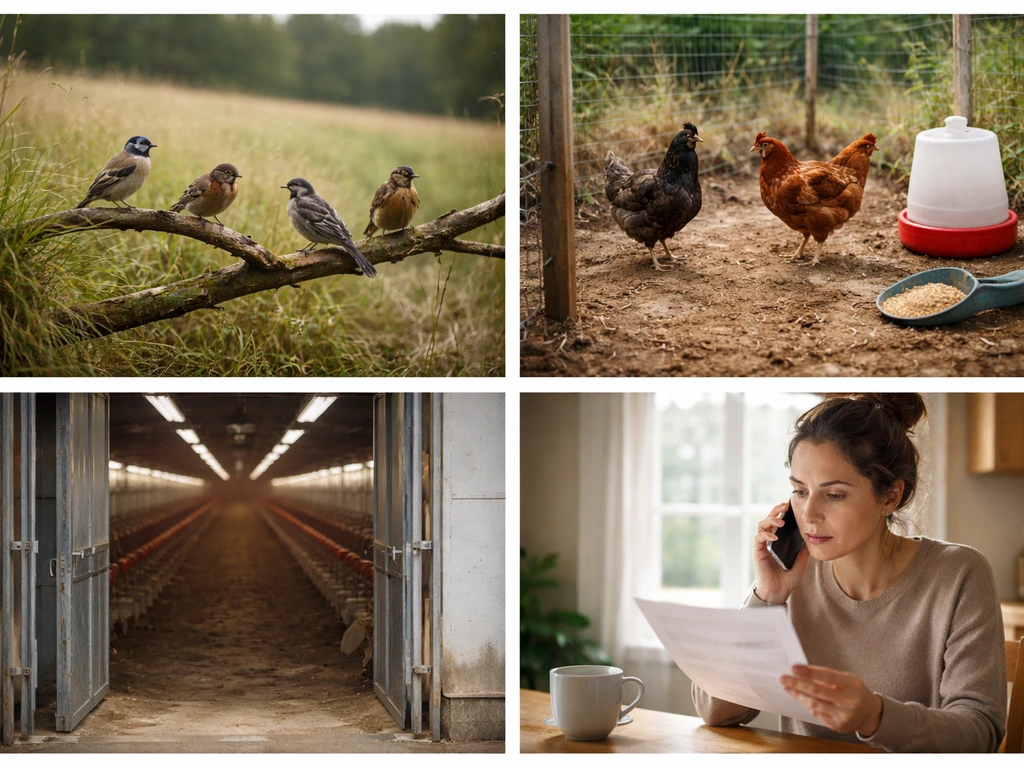
Not all detections carry the same weight. Here is how each category actually works in practice.
| Detection Type | What It Means | Risk to You |
|---|---|---|
| Wild birds | Virus circulating naturally; most common detection type in Illinois | Low if you avoid contact with sick/dead birds |
| Backyard flocks | Spilled over from wild birds; flock may be destroyed to contain spread | Low for neighbors; higher for flock owners with direct bird contact |
| Commercial poultry | Confirmed HPAI triggers mandatory quarantine and depopulation; eggs/meat from that flock never enter supply chain | Minimal food-safety risk due to strict controls |
| Human cases | Rare; almost always tied to occupational exposure (farm workers, veterinarians) | Very low for general public; monitor if you had direct exposure |
USDA APHIS tracks confirmed detections in wild birds using a standard rRT-PCR test targeting the Eurasian lineage H5 clade 2.3.4.4b strain. Detections in the U.S. peak in fall and spring, which aligns directly with migration seasons, and Illinois sees elevated activity during those windows. If you live near wetlands, forest preserves, or the Chicago lakefront, dead or visibly sick waterfowl are more likely to appear during those periods.
Human risk: symptoms to watch for and when to call a doctor
The main risk factor for getting bird flu is direct, close contact with infected sick or dead animals. If you have not had that kind of contact, your risk is very low regardless of what is being detected in the state. That said, it is worth knowing what to watch for if you have been exposed.
Eye redness and irritation (conjunctivitis) has been the predominant symptom in recent U.S. human cases, and it can appear as quickly as 1 to 2 days after exposure. Other symptoms include fever, cough, sore throat, runny nose, muscle aches, and in more serious cases, shortness of breath or difficulty breathing. Gastrointestinal symptoms like nausea and diarrhea have also been reported.
If you have had direct contact with sick or dead birds and develop any of these symptoms, contact your healthcare provider right away and tell them about the exposure. CDC guidance recommends monitoring for illness for 10 days after the last exposure to infected birds or contaminated environments. Do not just walk into an emergency room without calling ahead, so medical staff can take appropriate precautions. Antiviral medications like oseltamivir (Tamiflu) are available and effective when started early, and healthcare providers can prescribe them based on exposure history. There is currently no approved H5N1 vaccine available to the general public, though vaccines are being developed and stockpiled for high-risk occupational groups.
If you keep backyard chickens or run a poultry farm in Illinois
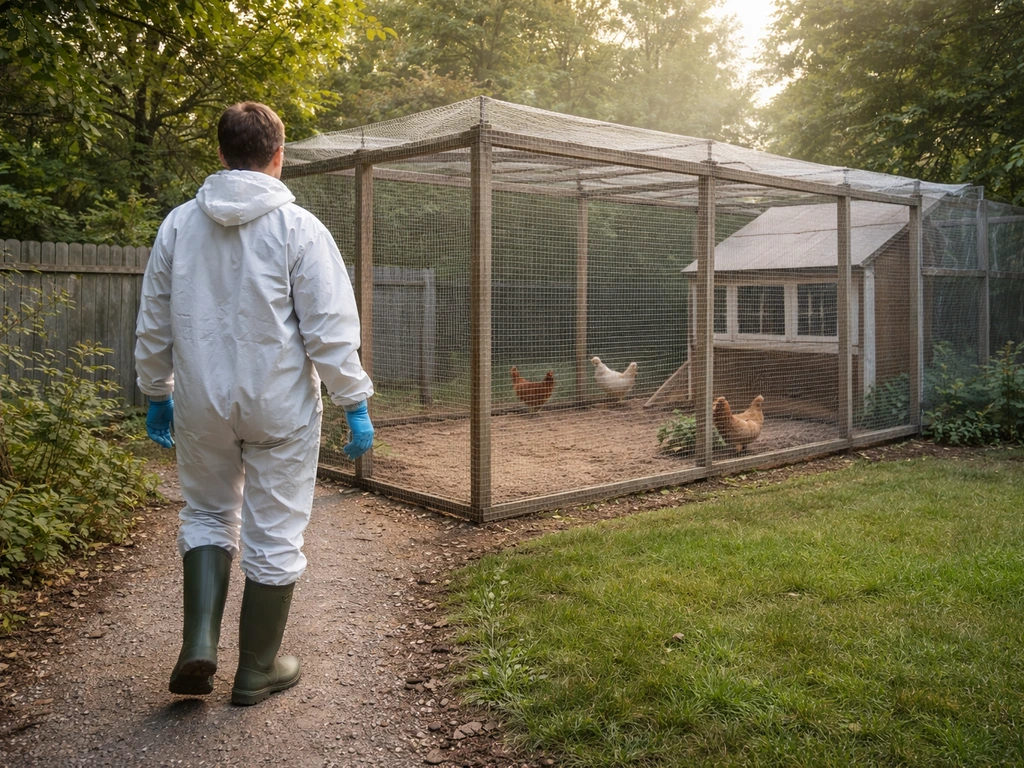
Biosecurity is everything here. The virus almost always reaches domestic flocks through contact with wild birds, either directly or through shared water sources, contaminated equipment, or people moving between wild bird areas and coops. USDA APHIS can conduct voluntary biosecurity assessments to help you identify vulnerabilities, and if your flock is hit by HPAI, a mandatory biosecurity audit is required before you can restock. APHIS’ 2026 “Requirements and Recommendations…in Livestock” document also notes that APHIS issued a Federal Order on April 24, 2024 requiring premovement testing for lactating dairy cattle moving interstate and requiring reporting of positive test results.
- Keep wild birds out: use netting, covered runs, and enclosed housing to prevent contact between your flock and wild waterfowl.
- Use dedicated footwear and clothing when entering the coop, and wash hands thoroughly before and after.
- Do not share equipment with neighboring farms without disinfecting first.
- Avoid introducing new birds without a quarantine period of at least 30 days.
- Keep feed and water inside or covered so wild birds cannot access it.
- Monitor your flock daily for symptoms: sudden death, significant drop in egg production, swollen heads, blue or purple discoloration of wattles and combs, nasal discharge, or neurological signs like loss of balance.
- If you see suspicious illness or sudden unexplained deaths in your flock, do not wait. Report immediately to the Illinois Department of Agriculture (IDOA) at 217-782-4944 or USDA APHIS Veterinary Services at 1-866-536-7593.
Early reporting is critical, both for containing the outbreak and for accessing any available indemnity compensation. Do not attempt to treat birds yourself or transport sick birds to a vet without guidance from IDOA first, as movement can spread the virus.
What to do if you find sick or dead wild birds
If you come across five or more sick or dead wild birds together, do not handle them. Keep pets and children away from the area. Report the finding to your local Illinois Department of Natural Resources (IDNR) District Wildlife Biologist or call USDA Wildlife Services at 1-866-487-3297. If you accidentally touched a carcass, wash your hands thoroughly with soap and water immediately, and contact IDPH or your local health department if you develop any symptoms in the following 10 days.
Food safety: eggs and poultry are still safe to eat
This is one of the most common concerns, and the reassurance here is well-supported. Commercially sold eggs and poultry are safe. Any flock confirmed with HPAI is quarantined and depopulated immediately, and that product never enters the food supply. The USDA and FDA maintain strict controls that make contaminated commercial poultry reaching store shelves essentially impossible.
The CDC confirms that cooking poultry and eggs to the appropriate internal temperature kills avian influenza viruses. For poultry, that is 165°F (74°C) internal temperature. For eggs, cook until both the yolk and white are firm. Avoid runny eggs from backyard flocks in areas with known HPAI activity, and follow standard safe-handling practices: wash hands after handling raw poultry, use separate cutting boards, and avoid cross-contamination in the kitchen.
If you have backyard chickens in an area with confirmed nearby HPAI detections, it is worth being more cautious with their eggs: cook them fully and wash the shells before cracking them. That is not because store eggs are dangerous, but because backyard flocks have less biosecurity protection than commercial operations.
How to check the latest Illinois and Chicago bird flu status
The situation changes, especially during fall and spring migration. Here is how to stay current with what is actually happening in Illinois rather than relying on national headlines that may not reflect your local situation. You can check whether bird flu in Texas is being reported in wild birds or poultry flocks through USDA APHIS and local public health updates.
- Illinois Department of Public Health (IDPH) H5N1 Outbreaks Dashboard: the main state-level resource showing confirmed detections by county for wild birds, domestic poultry, and human cases in Illinois.
- USDA APHIS "HPAI Detections in Wild Birds" page: national map of confirmed wild bird detections, searchable by state and county, updated as new results come in.
- USDA APHIS "Confirmations of HPAI in Commercial and Backyard Flocks" page: tracks confirmed flock outbreaks across the country with dates and flock sizes.
- CDC A(H5) Bird Flu: Current Situation page: covers human cases, national situation updates, and public health guidance. The most recent update was dated March 6, 2026.
- Illinois Department of Agriculture (IDOA) at 217-782-4944: for poultry owners with questions or concerns about their flock.
- IDNR District Wildlife Biologist or USDA Wildlife Services at 1-866-487-3297: for wild bird die-off reports in Illinois.
If you are in a neighboring state or want to compare what Illinois looks like relative to nearby areas, similar ongoing situations are tracked for states like Michigan, Ohio, and Indiana, all of which share the same migratory flyways and face comparable seasonal risk patterns. If you are asking, “is bird flu in georgia,” the most reliable approach is to check USDA APHIS and CDC updates for confirmed detections and any reported human exposures. If you are wondering is the bird flu in michigan, the CDC and USDA also provide updates you can use to check what is being detected by location. For the latest updates, check whether Ohio has any confirmed H5N1 detections in wild birds or poultry. The same kind of monitoring and guidance applies if you are asking, is bird flu in Florida, since migratory birds can move the risk across states Illinois. The general guidance across all of them is consistent: avoid contact with sick or dead wild birds, maintain biosecurity on farms, cook poultry and eggs thoroughly, and report unusual illness promptly. If you are trying to judge your local risk, you can also check answers to whether is bird flu in tennessee, since detection patterns can shift with migration seasons.
Quick action checklist for Illinois residents
- Do not touch sick or dead wild birds; report groups of 5 or more to IDNR or USDA Wildlife Services (1-866-487-3297).
- Keep pets away from wild bird carcasses.
- Poultry owners: inspect your flock daily and report sudden deaths or illness to IDOA (217-782-4944) or USDA APHIS (1-866-536-7593) immediately.
- Cook all poultry to 165°F and eggs until yolk and white are fully set.
- If you had direct contact with a sick or dead bird, wash your hands thoroughly and monitor yourself for symptoms for 10 days.
- If symptoms develop after exposure (eye redness, fever, respiratory issues), call your doctor and mention the bird contact before visiting in person.
- Check the IDPH H5N1 Outbreaks Dashboard regularly if you are a poultry keeper or work in an at-risk occupation.
- If you work on a farm or poultry operation with potential HPAI exposure, ask your employer about PPE protocols and antiviral prophylaxis options.
FAQ
If is bird flu in illinois is confirmed, does that mean my tap water or food delivery is at risk?
In general, no. H5N1 detections tied to wild birds and poultry flocks are not spread through commercially produced food or drinking water in the way influenza spreads person to person. The main practical food safety concern is handling raw poultry or eggs safely (cook to the recommended internal temperatures and avoid cross-contamination), and avoiding contact with sick or dead wild birds.
Can I get bird flu from touching a grocery cart, supermarket packaging, or store-bought eggs?
The risk is extremely low. Store-bought poultry and eggs are produced under commercial controls, and if a flock is confirmed, it is quarantined and removed from the food supply. Routine handling of retail food packaging does not create a realistic exposure pathway compared with direct contact with infected birds or their contaminated materials.
What should I do if I see a single dead wild bird instead of five or more?
Treat it as a potential exposure even if it is only one bird. Do not handle it with bare hands, keep pets away, and report it using your local process (for Illinois, your local IDNR resources or the appropriate wildlife reporting channel). The “five or more” threshold is mainly a specific instruction for not handling, but the safest approach is still to avoid contact and wash up if you accidentally touch any animal remains.
If my backyard chickens look healthy, should I still change how I manage their coop and eggs?
If nearby HPAI detections are confirmed, it is reasonable to tighten practices. Keep feed and water protected from wild bird access, limit where you take shoes and tools into and out of the coop, and cook eggs thoroughly. For eggs you collect, wash hands after handling and consider washing shells before cracking to reduce shell-surface contamination from wild birds.
Can my pets (cats or dogs) bring bird flu home from outdoor areas?
Pets can mechanically carry virus particles on fur or paws if they contact infected wild birds or contaminated material. The practical step is to prevent pets from roaming where sick or dead birds are found, and to wash hands after handling pets that may have been near wildlife. If a pet seems to have direct contact with carcasses, contact your veterinarian and mention the bird flu exposure.
If I work with birds or farm equipment, what is the safest way to prevent bringing H5N1 to my flock?
Focus on controlling people and objects. Use dedicated clothing and footwear for poultry areas when possible, clean and disinfect equipment before it enters the coop, and avoid moving between wild bird areas and coops without changing out of potentially contaminated gear. If you are notified of an HPAI event, follow USDA biosecurity guidance and complete any required audits before restocking.
How long after I have contact with sick or dead birds should I watch for symptoms?
CDC guidance referenced in the article uses a 10-day monitoring window after the last exposure. If symptoms develop, contact a healthcare provider promptly and explicitly mention the timing and nature of the bird exposure so they can decide about testing and whether antivirals are appropriate.
Should I go to the emergency room immediately if I develop eye redness after bird exposure?
Do not show up unannounced if you can avoid it. Contact your healthcare provider (or local urgent care) first, and tell them about the bird exposure and symptom onset. Calling ahead helps staff use appropriate precautions and speeds up the right evaluation without creating delays.
Does the fact that bird flu in illinois involves H5N1 mean it can spread like seasonal flu through casual contact?
No. The key distinction is that H5N1 does not spread efficiently between people. The realistic concern is close, direct contact with infected birds or contaminated materials, not brief or incidental contact in public settings.
If there’s a reported detection near me, should I stop buying or eating eggs and poultry from stores?
You generally do not need to stop. Commercial eggs and poultry are handled under controls designed to prevent contaminated product from reaching shelves. The higher priority actions are safe cooking, normal kitchen hygiene, and avoiding contact with sick or dead wild birds.