
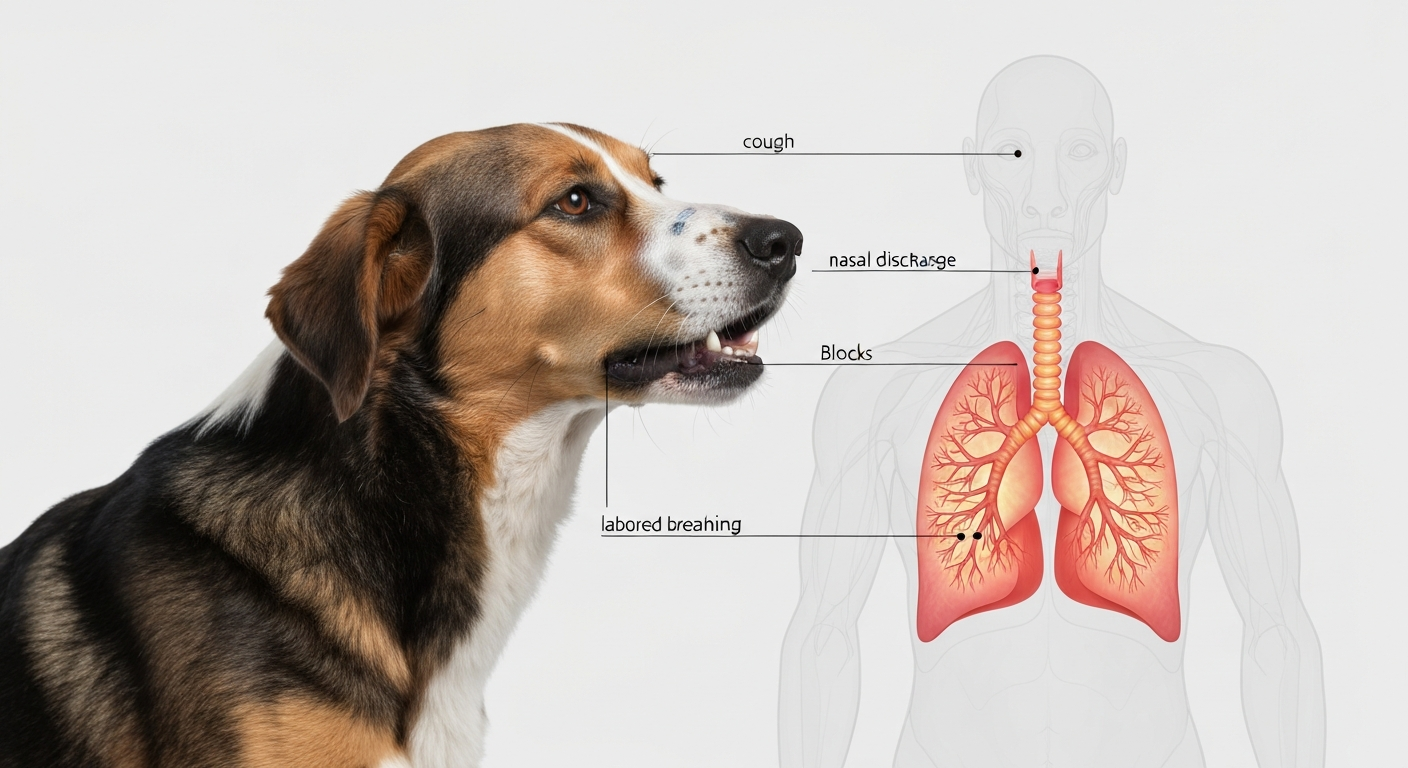
Bird flu in dogs most commonly looks like a respiratory illness: a persistent dry cough, mild nasal discharge, and eye discharge are the clearest early signs. In more serious cases you may also see fever, lethargy, loss of appetite, labored breathing, and, in the most severe presentations, neurological signs such as disorientation or seizures. These signs are not unique to avian influenza, which is exactly why veterinary testing matters, but they are the documented picture from real confirmed cases and experimental studies.
What Does Bird Flu Look Like in Dogs: Signs, Risks, Action

Sarah Chen
19 Jul 2026
What bird flu actually is and why dogs can catch it
Avian influenza (bird flu) is caused by influenza A viruses that naturally circulate in wild birds. Most strains are low-pathogenic (LPAI) and cause mild or no disease, but highly pathogenic avian influenza (HPAI), particularly the H5N1 strain, can cause severe illness across a wide range of species including mammals. Dogs are not a typical host for these viruses, but they are susceptible. Experimental studies have shown that H5N1 can replicate efficiently in the canine respiratory tract, and field cases have now confirmed that natural infection does happen. The virus reaches dogs primarily through direct contact with infected birds or their secretions, and the respiratory tract is the main portal of entry and the main site of replication.
It helps to think of dogs as incidental or spillover hosts. The virus is not adapted to dogs and does not spread efficiently between them under natural conditions, but if exposure is intense enough, infection can occur and can cause real disease. This is the same general pattern seen with other mammalian spillover infections from HPAI, and it is why the 2023 Poland outbreak, which confirmed HPAI H5N1 in domestic carnivores including at least one dog, drew significant attention from veterinary and public-health authorities.
Specific clinical signs of bird flu in dogs
The clearest published description of bird flu in a dog comes from the 2023 Poland outbreak case report, which described a 16-year-old dog with persistent dry cough, swollen submandibular lymph nodes (lymphadenomegaly), and mild nasal discharge. Lung ultrasound and thoracic radiographs confirmed pulmonary abnormalities. That dog's dominant presentation was upper-respiratory disease with imaging evidence of lower-respiratory involvement. Broader veterinary diagnostic guidance, drawing on both field cases and experimental data, lists the following signs as reported or possible in dogs infected with H5N1.
- Persistent dry or productive cough
- Nasal discharge (usually mild, clear to mucoid)
- Ocular (eye) discharge or conjunctivitis
- Fever
- Lethargy and general weakness
- Loss of appetite (anorexia)
- Labored or rapid breathing (dyspnea), which can indicate pneumonia
- Neurological signs in severe cases: disorientation, incoordination, tremors, or seizures
Laboratory abnormalities that have been documented in companion carnivores with confirmed HPAI (primarily from feline data, but relevant given shared pathology) include low white blood cell counts (leukopenia or neutropenia), low platelet counts (thrombocytopenia), elevated liver enzymes, and sometimes evidence of kidney stress (azotemia). Clinical and Laboratory Findings in Cats with Confirmed Avian Influenza A/H5N1 (imaging and lab abnormalities summarized) documents comparable imaging and laboratory abnormalities in feline H5N1 cases, supporting these reported findings in companion carnivores. If your dog is being worked up for possible avian influenza, a complete blood count and chemistry panel will be part of the picture alongside PCR testing.
How the disease progresses: mild, moderate, and severe
Not every infected dog will follow the same trajectory, and current evidence suggests dogs have lower mortality from HPAI H5N1 than cats. That said, the potential for rapid deterioration exists, especially in older or immunocompromised animals. Here is a realistic framework for how the disease tends to evolve.
| Severity | Typical Signs | Approximate Time Course | Outcome |
|---|---|---|---|
| Mild | Dry cough, mild nasal/eye discharge, slightly reduced energy, normal or low-grade fever | Signs may appear within 2–5 days of exposure; can resolve in 1–2 weeks with supportive care | Recovery likely; animal may shed virus for days |
| Moderate | Persistent cough, visible nasal discharge, reduced appetite, sustained fever, swollen lymph nodes, imaging abnormalities (interstitial lung changes) | Signs worsen over 3–7 days; recovery possible but slower; veterinary monitoring needed | Recovery possible with supportive treatment; some progression to severe disease |
| Severe | Significant dyspnea (labored breathing), severe lethargy/collapse, neurological signs (seizures, disorientation), multi-organ involvement | Can develop rapidly (within days of first signs); experimental data showed one intranasally challenged dog died on day 4 post-infection | Risk of death or euthanasia; intensive veterinary care required |
The feline data from the Poland 2023 outbreak is instructive context here: the median interval from first clinical signs to death or euthanasia in confirmed H5N1-positive cats was three days or less. Dogs appear less severely affected on average, but the possibility of rapid progression should not be dismissed, particularly in elderly dogs (the confirmed case was 16 years old) or those with underlying health conditions.
How vets confirm it: testing, sample types, and ruling out other causes
The testing process
Clinical signs alone cannot confirm bird flu. Diagnosis requires laboratory testing, and the gold-standard method is real-time reverse-transcription PCR (RT-qPCR). This test detects influenza A viral RNA directly from clinical specimens. Standard RT-qPCR assays first target the conserved matrix (M) gene to confirm an influenza A virus is present, then use subtype-specific assays targeting the hemagglutinin (HA) gene to identify the strain (H5, H7, etc.). Virus isolation in cell culture is also used for confirmatory purposes, particularly for official reporting. Serology (antibody testing via hemagglutination inhibition or ELISA) can support diagnosis retrospectively, especially if paired serum samples are collected early and late in the illness.
What samples are collected and when
For a live dog, nasal swabs and oropharyngeal (throat) swabs are the primary specimens for PCR testing, with nasal swabs generally preferred. Timing matters: viral RNA is most detectable closest to the onset of signs, so collecting swabs early in the illness improves the chances of a positive result. The experimental H5N8 dog data showed nasal shedding peaking around two days post-inoculation, which underlines why early sampling is important. If the dog is seriously ill and you have access to a veterinary facility with bronchoscopy capability, lower respiratory samples add useful information. For post-mortem analysis, multiple tissue samples are collected: lung, trachea, brain, lymph nodes, liver, and spleen. This broad panel helps establish whether viral replication was confined to the respiratory tract or spread systemically.
What else could it be (differential diagnoses)
Before bird flu crosses anyone's mind, the far more common causes of respiratory illness in dogs need to be ruled out. The canine infectious respiratory disease complex (CIRDC), sometimes called kennel cough, covers a cluster of pathogens with very similar signs: canine influenza viruses (H3N8 and H3N2), canine parainfluenza virus, canine adenovirus type 2, and Bordetella bronchiseptica are the most common offenders. Canine distemper virus is a serious differential if neurological signs are present. Aspiration pneumonia, bacterial pneumonia, fungal respiratory infections (such as Aspergillus or Blastomyces depending on geography), and non-infectious causes like cardiac disease also need to be considered. Most modern veterinary diagnostic labs offer multiplex PCR respiratory panels that can test for multiple CIRDC pathogens simultaneously, which helps narrow things down quickly. The key feature that should trigger specific HPAI testing is a credible exposure history: contact with wild birds, sick poultry, or other confirmed HPAI-positive animals.
Reporting requirements: when your vet has to notify authorities
Highly pathogenic avian influenza is a notifiable (reportable) disease in most countries, which means a confirmed diagnosis in any animal triggers mandatory reporting to the relevant national authority, and then to WOAH (World Organisation for Animal Health) at the international level. In the United States, suspected HPAI in companion animals must be reported to the state veterinarian and the USDA Animal and Plant Health Inspection Service (APHIS). In the European Union, member states report through the ADIS (Animal Disease Information System). What this means practically for the dog owner is that if your vet suspects HPAI, they will likely contact your state or national animal health authority before or shortly after submitting samples. Confirmation triggers an investigation that includes tracing the dog's exposure history, evaluating other animals in the household, and notifying public health officials because novel influenza A virus infections in any mammal have potential zoonotic significance. You should cooperate fully with that process: the reporting system exists to protect both animal and human health.
How dogs actually get bird flu
Transmission routes
Dogs get infected through direct or close indirect contact with infected birds or their materials. The virus is shed in respiratory secretions, saliva, and feces of infected birds, and dogs can be exposed when they come into contact with any of these. Eating infected bird carcasses or raw bird meat is a plausible and likely significant route, particularly for dogs in farm or rural environments. Inhaling aerosolized secretions from infected birds in close proximity is another. Contaminated environments (surfaces, water, bedding) can also carry virus, though environmental transmission is generally considered a lower-risk route compared to direct contact.
Scenarios and risk factors that raise the odds
- Living on or near a poultry farm with an active HPAI outbreak
- Access to areas where wild waterfowl congregate (ponds, wetlands, fields)
- Scavenging behavior: eating dead wild birds or raw poultry scraps
- Free-roaming or outdoor access during a known local HPAI outbreak
- Living in a household where humans work with infected birds and bring contaminated clothing or footwear indoors
- Age and underlying health conditions that reduce immune competence (the confirmed Poland dog case was elderly at 16 years)
Experimental data from the H5N8 dog study found no evidence of efficient dog-to-dog transmission under controlled conditions, which is reassuring. It means the primary risk pathway runs from infected birds to dogs, not dog to dog. That said, dogs that are actively infected do shed virus from their respiratory tract, so close contact between an infected dog and other susceptible animals (or people) is not entirely without risk and should be managed carefully.
Putting the risk in perspective: dogs vs. birds vs. humans
This is an area where it is important to be honest rather than either dismissive or alarmist. Confirmed bird flu in dogs is genuinely rare. For a brief summary of incidence and surveillance data, see how common is bird flu in dogs. For more detail on likelihood and risk factors across species, see what are the chances of getting bird flu. For more on incidence and surveillance, see how common is bird flu. The number of documented natural cases in dogs globally remains very small, with the 2023 Poland case being one of the most clearly described. Birds, particularly domestic poultry, are the primary affected population in HPAI outbreaks; billions of birds have been affected or culled in recent outbreak cycles. Human infections remain uncommon overall but have been documented, and as with dogs, most human cases involve close, direct contact with infected birds or their environments. For comparative context, the risk profile by species looks roughly like this. For more detail on human case numbers and risk, see how common is bird flu in humans.
| Species | Susceptibility to HPAI H5N1 | Documented Natural Cases | Main Exposure Route | Mortality Risk |
|---|---|---|---|---|
| Poultry (chickens, turkeys) | Very high | Billions affected globally in current outbreak cycle | Direct flock-to-flock, wild bird contact | Very high (up to 100% in HPAI outbreaks) |
| Wild birds (waterfowl, raptors) | High in some species; varies | Widespread globally | Horizontal transmission within species | Variable; often high in raptors and some seabirds |
| Cats | Moderate to high among companion carnivores | Dozens confirmed (Poland 2023 and other outbreaks) | Ingestion of infected birds, close contact | High in confirmed severe cases (Poland case series: rapid death in many) |
| Dogs | Appears lower than cats | Very rare (a small number of documented field cases; experimental infections confirmed) | Ingestion or contact with infected birds | Lower than cats; at least one experimental fatality on day 4 post-infection |
| Humans | Low under normal circumstances | Hundreds since 2003; ongoing sporadic cases in agricultural workers | Direct contact with infected birds or environments | Historically high (H5N1 case fatality ratio ~60% in older data); recent US human cases milder |
The surveillance picture for dogs is incomplete partly because testing is not routine. Dogs that develop mild respiratory illness near an HPAI outbreak may never be tested, so the true number of canine infections is likely underestimated. That uncertainty cuts both ways: it means the risk could be slightly higher than the small number of confirmed cases suggests, but it also means that many exposed dogs may have mild or subclinical infections that resolve without incident. Active surveillance around poultry outbreaks is improving, but targeted canine surveillance programs remain limited in most countries.
Comparing bird flu signs across species: dogs, birds, pigeons, and humans
If you are trying to figure out whether what you are seeing in your dog resembles what bird flu looks like across other species, a side-by-side comparison is useful. For details on signs in wild birds, see what does bird flu look like in pigeons, which describes typical respiratory and neurological signs in that species. The clinical picture varies considerably by host, partly because the virus has different levels of adaptation and tissue tropism in each species. For information on how bird flu affects people, see what is bird flu in humans.
| Species | Dominant Signs | Neurological Involvement | Typical Severity in HPAI |
|---|---|---|---|
| Dogs | Dry cough, nasal/eye discharge, mild to moderate respiratory disease; fever and lethargy in systemic cases | Possible in severe cases (seizures, disorientation) | Mild to moderate in most documented cases; severe or fatal possible |
| Domestic poultry (birds) | Sudden death, severe respiratory distress, cyanosis, swollen wattles/combs, neurological signs, marked egg production drops | Common (twisted necks, incoordination) | Extremely high; mortality can reach 100% in a flock |
| Pigeons | Generally considered relatively resistant compared to poultry; respiratory signs, lethargy, diarrhea when infected | Can occur in severe cases | Lower than poultry overall; some documented mortality in outbreaks |
| Cats | Fever, lethargy, anorexia progressing to severe dyspnea and neurological signs; rapid clinical course (median ≤3 days to death/euthanasia in Poland outbreak) | Prominent; a key feature distinguishing feline from canine presentation | High in confirmed H5N1 cases |
| Humans | Fever, cough, sore throat, conjunctivitis; can progress to pneumonia, ARDS, multi-organ failure | Less prominent except in severe cases | Variable; historically high case fatality, but recent US human cases (2024–2025) have been milder on average |
The practical takeaway from this comparison is that dogs look most like a mild-to-moderate respiratory illness, closer to canine infectious respiratory disease complex than to the catastrophic sudden-death picture you see in poultry. Cats appear more severely affected than dogs in field outbreak data, and their neurological component is more prominent. If you are also trying to understand what the illness looks like in birds specifically, the presentation in poultry is dramatically more acute and involves signs you would not typically expect in a mammal.
Preventing bird flu in your dog: practical steps for owners, poultry keepers, and farmers
For all dog owners
- Keep dogs away from wild bird congregating areas (ponds, wetlands, fields with large waterfowl populations) during known HPAI outbreak periods in your region.
- Do not allow dogs to scavenge or eat dead wild birds. Train recall and use a leash in areas where dead birds might be present.
- Do not feed dogs raw poultry meat or organs, especially during active HPAI outbreaks. Cook all poultry thoroughly.
- Wash your hands thoroughly after handling wild birds, poultry, or poultry products, before interacting with your dog.
- If you work with poultry, change clothes and footwear before entering your home to avoid bringing virus in on surfaces.
For backyard poultry keepers
- Keep dogs physically separated from your flock at all times, not just when an outbreak is active. Dogs can introduce pathogens to birds and vice versa.
- Use dedicated footwear and outerwear for the poultry area. Do not track poultry droppings into areas where your dog roams.
- Monitor your flock daily for signs of illness. Early detection means faster reporting and containment.
- Secure your flock from wild bird contact: cover runs with netting, use covered feeding and watering stations, and prevent wild bird access to feed storage.
- If birds in your flock die unexpectedly, report it to your state veterinarian or agricultural authority before handling carcasses. Wear gloves and a face mask when handling sick or dead birds.
For farmers with large-scale poultry operations
- Implement strict biosecurity zones: farm dogs should not have access to poultry houses, processing areas, or feed stores.
- Provide farm dogs with a designated area with no direct contact with birds or bird-contaminated surfaces.
- Workers moving between poultry facilities and domestic/companion animal areas should follow full decontamination protocols (footbath, coverall change, handwashing).
- During a confirmed outbreak on your farm, restrict dog movement entirely, and report any respiratory illness in dogs promptly to your veterinarian, noting the exposure context.
- Consult your veterinarian about enhanced surveillance for working dogs on affected premises.
If your dog has been exposed or is showing signs
- Isolate the dog from other animals and limit close contact with people, especially immunocompromised individuals, until you have veterinary guidance.
- Call your veterinarian before bringing the dog in. Explain the exposure history and symptoms so the clinic can prepare appropriate precautions.
- If you must handle a symptomatic dog that may have been exposed to HPAI, wear a well-fitting face mask (N95 or equivalent), gloves, and eye protection.
- Do not attempt to test the dog yourself or submit samples without veterinary and public-health guidance. Testing must go through official diagnostic laboratories.
- Contact your local or state public health authority if you have had close contact with a dog confirmed or suspected to have HPAI H5N1, as human exposure monitoring may be recommended.
Common myths about bird flu in dogs
A few misconceptions are worth addressing directly. First, the idea that dogs cannot get bird flu is wrong: confirmed field cases and experimental studies both show they can. The more accurate statement is that dogs appear less susceptible than cats and far less likely to be severely affected than poultry, but that is not the same as immune. Second, some people assume that a dog showing respiratory signs near a poultry farm automatically has bird flu. That assumption is also wrong: CIRDC pathogens are far more common causes of canine respiratory illness, and specific testing is needed. Third, there is no licensed dog-specific bird flu vaccine available as of mid-2026, so vaccination is not currently a prevention option for dogs in the way it is discussed for poultry or potentially for humans. Keeping dogs away from infected birds remains the most effective protective measure.
FAQ
Quick answer: What does bird flu (avian influenza) look like in dogs?
Short answer: When dogs are infected with avian influenza (especially highly pathogenic A/H5 viruses), they most commonly show respiratory illness — cough, nasal discharge, sneezing, breathing difficulty — sometimes accompanied by fever, lethargy, loss of appetite, and less commonly neurologic signs. Severity ranges from mild upper‑respiratory signs to pneumonia and systemic illness. Onset is usually within days of exposure and progression can be rapid in severe cases.
Which specific clinical signs should I watch for in a dog?
Common signs reported in naturally infected and experimental cases: - Respiratory: persistent dry or productive cough, sneezing, nasal discharge, rapid or labored breathing (dyspnea), exercise intolerance. - Systemic: fever, lethargy, reduced appetite, weight loss. - Ocular: conjunctivitis or ocular discharge (less common). - Neurologic (less common but reported with some H5 viruses): disorientation, ataxia, seizures, circling. - Signs on diagnostics: abnormal lung sounds, interstitial/alveolar patterns on chest X‑ray, ultrasound B‑lines, and bloodwork changes (leukopenia or neutropenia, elevated liver enzymes in some cases).
How quickly do signs appear and how does severity progress?
Typical time course and severity patterns: - Incubation: days (often 1–7 days) after exposure, but timing varies by virus strain and dose. - Mild cases: earliest signs are upper‑respiratory (sneezing, nasal discharge, cough) lasting several days; most mild cases improve with supportive care. - Moderate to severe cases: respiratory signs progress to pneumonia (increased respiratory rate, dyspnea) over 24–72 hours; systemic deterioration (shock, organ dysfunction) can follow in severe infections. - Neurologic progression: if the virus is neurotropic, neurologic signs can appear concurrently with or after respiratory signs and can be rapid and severe. Note: observed progression in companion carnivores during outbreaks has ranged from mild respiratory disease to rapid deterioration within a few days.
How do veterinarians confirm bird flu in a dog?
Veterinary diagnostic approach: - Tests used: Real‑time RT‑PCR targeting influenza A (matrix gene) and subtype (HA) genes is the standard to detect virus RNA; virus isolation and sequencing are used in reference labs; serology (ELISA, haemagglutination inhibition) can show prior exposure. - Sample types: For live dogs — nasal and oropharyngeal swabs (nasal preferred), and if available lower respiratory samples (tracheal wash, bronchoalveolar lavage) for severely affected animals. For post‑mortem — lung, trachea, brain, spleen and other tissues. - Differential diagnoses: common canine respiratory pathogens (CIRDC agents such as canine influenza H3N8/H3N2, parainfluenza, adenovirus‑2, Bordetella), aspiration or bacterial/fungal pneumonia, distemper, parasitic lung disease, systemic infections. - Reporting: Suspected or confirmed cases should be reported to local veterinary authorities or animal‑health agencies according to regional regulations; reference labs often confirm unusual subtypes and public‑health authorities may be notified.
How do dogs get infected — what are the transmission routes and risk factors?
Transmission routes and increased‑risk situations: - Most likely routes to dogs: close contact with infected birds or carcasses, handling or feeding raw infected poultry or poultry offal, contact with contaminated environments (barns, bedding, water), and possibly ingestion of infected material. - Less likely: dog‑to‑dog transmission appears inefficient for many avian influenza strains under natural conditions, though some experimental studies show limited shedding. - Risk factors: dogs that hunt or scavenge wild waterfowl, dogs living on farms or near infected flocks, dogs fed raw poultry or uncooked poultry products, and occupational exposure (poultry workers, backyard keepers).
How likely is it that my dog will get bird flu compared with birds or people?
Relative risk summary: - Birds (especially poultry and wild waterfowl) are the primary hosts and have the highest infection and transmission rates in outbreaks. - Humans: sporadic zoonotic infections occur with certain avian influenza subtypes, usually associated with close contact with infected birds; overall human risk remains low but depends on the circulating virus subtype and public‑health context. - Dogs: natural infections are relatively uncommon. Confirmed canine cases have been documented in outbreak settings, but dogs are far less frequently infected than birds, and dog infections remain rare compared with bird cases. The realistic chance for an individual dog is low unless it has direct exposure to infected birds, carcasses, or contaminated materials.