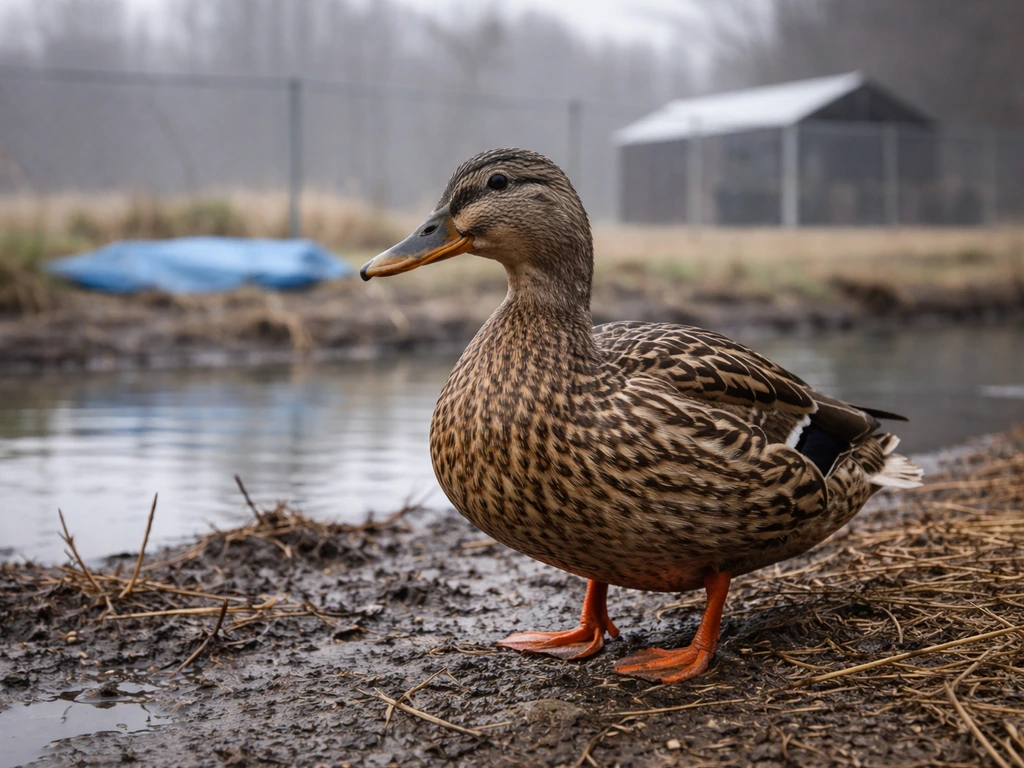
Bird flu is not man made. Every credible scientific institution that has studied avian influenza viruses, including the WHO, CDC, FAO, and independent virology research groups, has concluded that these viruses arise and evolve naturally in wild bird populations, particularly in wild water birds like ducks and geese. There is no verified evidence that any current or historical strain of avian influenza was engineered in a laboratory or intentionally released. That answer is clear, and it matters, because confusion on this point can cause people to dismiss real, practical risks that are worth understanding.
Is Bird Flu Man Made? What Science Says and What to Do

Sarah Chen
29 Jun 2026
What 'man made' claims usually mean (and what we can verify)

When people search 'is bird flu man made,' they are usually asking one of a few different things: Was the virus engineered in a lab? Was it accidentally released from a research facility? Is someone deliberately spreading it? Or, more broadly, is the threat being exaggerated by governments or health agencies? These are legitimate questions to ask, especially in an era where trust in institutions is complicated. But they deserve honest, evidence-based answers rather than dismissal or amplification.
What we can actually verify: scientists can sequence the genome of a virus and compare it against known natural influenza lineages. When they do this with H5N1 and other avian influenza strains, the genetic signatures match what you would expect from naturally evolving viruses with long evolutionary histories in birds. There are no inserted sequences, no synthetic markers, no fingerprints of genetic engineering.
The WHO's joint assessment with FAO and WOAH (updated May 2026, using data through March 2026) traces the current dominant H5N1 clade 2. 3. 4. If you are wondering, “is bird flu bad this year,” the risk depends on what is currently circulating in your area, so checking official local updates is the best way to judge it.
4b back to previously circulating A(H5Nx) viruses that spread via migratory birds. That is a natural, traceable evolutionary pathway, not a manufactured one.
It is worth being honest about what we cannot always know with perfect certainty in any disease situation. But 'we cannot be 100% certain about everything' is not the same as 'there is credible evidence of a lab origin.' For bird flu specifically, the evidence points overwhelmingly to natural origin, and the burden of proof falls on claims of engineering, not on the natural explanation.
Where bird flu viruses come from and how they naturally evolve
Influenza A viruses have circulated in wild birds for a very long time. Wild water birds, especially ducks, geese, and shorebirds, are the natural reservoir. These birds carry the virus with little or no illness in most cases, and it spreads through their droppings and respiratory secretions. When wild birds come into contact with domestic poultry, especially in places like live poultry markets or backyard flocks, the virus can jump to chickens, turkeys, and other farm birds.
Influenza viruses mutate constantly, and they also do something called 'reassortment,' where two different flu strains infecting the same cell can swap genetic segments and produce a new combination. This is how novel strains emerge. The current H5N1 clade 2. 3.
4. 4b, which has caused unprecedented wild bird deaths and domestic poultry outbreaks globally, arose from exactly this kind of natural genetic mixing and then spread predominantly via migratory bird flyways. The CDC confirms that H5 bird flu is now widespread in wild birds worldwide, which reflects natural spread, not human engineering.
If you are asking whether bird flu is happening now, reliable updates from the CDC, WHO, and FAO can tell you the latest on current spread is bird flu happening now.
The terms 'low pathogenicity' and 'high pathogenicity' describe how severely a strain affects birds. Low pathogenicity avian influenza (LPAI) causes mild symptoms or none at all. High pathogenicity avian influenza (HPAI) can kill up to 90 to 100 percent of an infected flock. The H5N1 strain circulating now is HPAI. This severity is not a sign of engineering; it reflects natural evolutionary pressure in birds.
Evidence on labs, engineering, and human involvement

There is no verified evidence that any currently circulating bird flu strain was created in a laboratory. Genomic analysis of H5N1 and related strains consistently shows natural evolutionary origins. The WHO, CDC, FAO, and the scientific community at large have not identified genetic signatures consistent with engineering in any currently circulating avian influenza virus.
It is true that avian influenza viruses have been studied in research laboratories, including in the context of pandemic preparedness. Some of this research has been controversial, particularly studies that explored whether certain mutations could make flu viruses more transmissible in mammals. However, the fact that viruses are studied in labs does not mean that viruses in nature came from labs. The research exists because the viruses were already circulating naturally and scientists wanted to understand their potential.
Human activity does interact with bird flu in real, documented ways that are worth naming honestly. Intensive poultry farming, live bird markets, migratory bird flyways intersecting with farms, and global trade in poultry all create conditions that help the virus spread and evolve faster than it might in purely wild systems. This is a form of indirect human contribution to the problem, but it is not the same as creating or engineering the virus. Saying that human land use and farming practices influence disease emergence is very different from saying the virus was man made.
When misinformation about bird flu spreads, it tends to travel faster during outbreak peaks and often lacks specific, verifiable evidence. If you encounter a claim that bird flu was engineered or deliberately released, ask for the source of the genomic evidence. In the absence of that, the claim is speculation, not science.
How bird flu spreads in birds and from birds to people
Bird flu spreads between birds primarily through direct contact with infected birds and their droppings, nasal secretions, and saliva. Contaminated water, feed, equipment, clothing, and vehicles can all carry the virus from one flock to another. Migratory wild birds are the most common way the virus moves across long distances. Does bird flu happen every year? It can reappear seasonally as wild birds migrate, so outbreaks often recur but not with the same timing or intensity every year.
When people get infected with bird flu, it is most often through direct, unprotected contact with infected birds or animals, or through contact with surfaces contaminated with their secretions and excretions. The CDC is specific: the virus can reach a person through the eyes, nose, or mouth, or by inhalation. In April 2024, the CDC confirmed a case in a Texas dairy farm worker who had been exposed to infected dairy cattle, which showed that the virus can occasionally spread to people even beyond traditional poultry exposure. Cases like this remain sporadic, and the WHO has confirmed that sustained human-to-human transmission of avian influenza has not been identified.
That last point is important for understanding the actual risk level. Bird flu is not currently spreading person to person in any sustained way. Bird flu can resurface in birds seasonally, so it is worth staying up to date on local outbreaks Bird flu is not currently spreading person to person in any sustained way.. Human infections happen at the animal-human interface, meaning direct contact with infected animals or their environments. If you are not handling infected birds or working in a contaminated environment, your personal risk is low.
Symptoms to recognize in humans and in poultry
In people
Human bird flu symptoms can range from mild to severe. The CDC notes that fever and respiratory symptoms are common, and that eye symptoms, specifically conjunctivitis (redness and irritation of the eyes), can appear as early as one to two days after exposure for A(H5) viruses. More severe cases can progress to acute respiratory distress and, in some instances, death. The WHO advises anyone with flu-like symptoms including fever, cough, difficulty breathing, or conjunctivitis in an area with known bird flu activity to seek medical care promptly.
In poultry
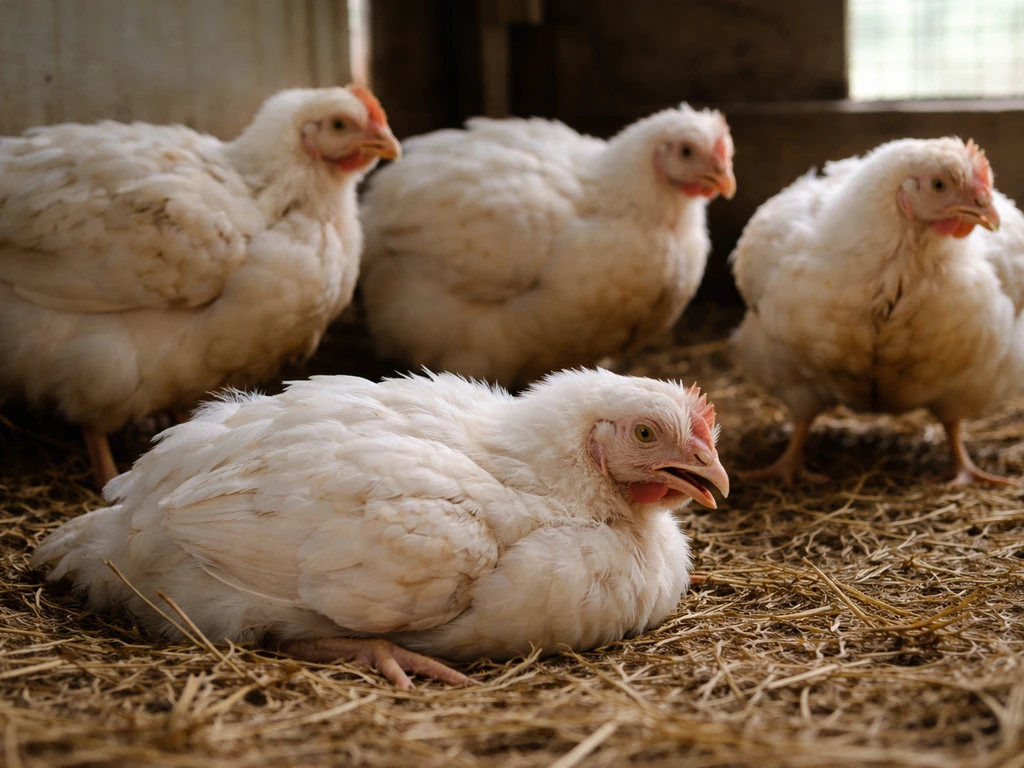
HPAI can kill birds very quickly, sometimes before obvious signs appear. Signs to watch for in poultry include sudden, unexplained death in multiple birds, significant drop in egg production, swollen or discolored head or wattles, respiratory distress (open-mouth breathing, coughing, sneezing), diarrhea, and neurological symptoms like tremors or lack of coordination. If you see these signs in your flock, isolate the sick birds immediately and contact a veterinarian or your state or federal animal health official right away. The USDA APHIS 'Defend the Flock' guidance explicitly calls for isolating sick birds and reporting to animal health authorities as the first response.
Practical prevention for households and farms
For backyard flock owners and farms
- Keep your flock away from wild birds. Use covered runs and secure housing that prevents wild bird contact with feed and water.
- Change clothes and footwear before and after entering your bird area, and wash your hands thoroughly.
- Do not share equipment between flocks without disinfecting it. Vehicles, cages, and tools are common transmission routes.
- Monitor your birds daily for signs of illness. Early detection saves flocks and protects you.
- Isolate any sick birds immediately and report unusual illness or death to your veterinarian or state animal health official.
- During a known outbreak, wear appropriate PPE including gloves, eye protection, and a well-fitted respirator when handling birds, cleaning coops, or working in contaminated areas. The CDC advises avoiding stirring up dust, bird waste, and feathers, which can disperse virus particles into the air.
- Follow USDA APHIS cleaning and disinfection guidance if your property has been affected.
For households (no poultry, general public)
- Avoid contact with wild birds and do not handle dead birds with bare hands.
- Do not visit live bird markets in areas with active outbreaks.
- Wash hands thoroughly after any contact with birds or potentially contaminated environments.
- If you work in poultry farming, food processing, or wildlife, follow your workplace's biosecurity and PPE requirements.
Food safety and what to do if you're exposed
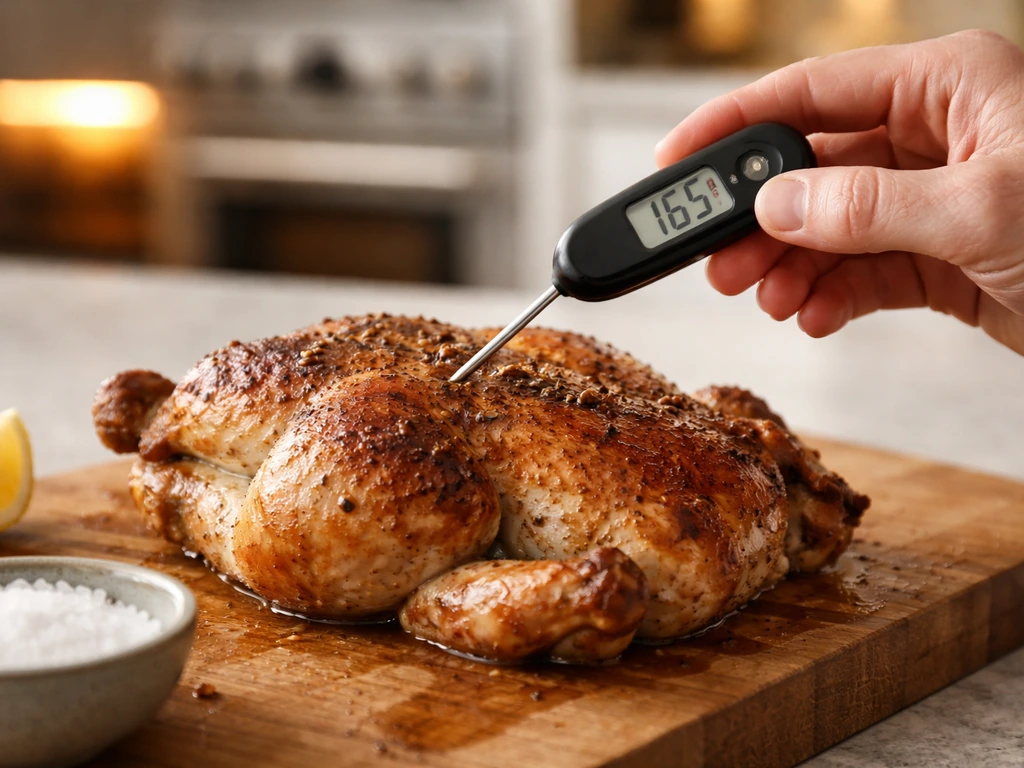
Properly cooked poultry and eggs are safe to eat. The CDC is clear: cooking poultry and eggs to the appropriate internal temperatures kills avian influenza A viruses. Use a food thermometer rather than relying on color or texture to judge doneness. The safe minimum internal temperature for poultry is 165°F (74°C). Eggs should be cooked until both the yolk and white are firm. These guidelines apply regardless of whether there is an active bird flu outbreak in your region.
| Food | Safe Minimum Internal Temperature | Notes |
|---|---|---|
| Whole poultry (chicken, turkey, duck) | 165°F (74°C) | Let rest 3 minutes before carving |
| Ground poultry | 165°F (74°C) | Check in multiple spots |
| Eggs | Cook until yolk and white are firm | Avoid runny or undercooked eggs |
| Poultry casseroles and stuffing | 165°F (74°C) | Measure in the center |
If you believe you have been exposed to infected birds or a contaminated environment, contact your local or state health department. Do not wait for symptoms to appear. The CDC recommends offering the antiviral oseltamivir (brand name Tamiflu) as post-exposure prophylaxis for certain people who had unprotected contact or PPE breaches. The sooner this is addressed, the better. Keep track of when the exposure happened, what you were doing, and what protective equipment you were or were not wearing, because health officials will ask.
Vaccines, treatment, and where to get current outbreak updates
For treatment, the CDC recommends oseltamivir (Tamiflu) as the primary antiviral for confirmed or suspected human bird flu cases. For hospitalized patients with confirmed or probable HPAI A(H5N1), the CDC advises starting oseltamivir as soon as possible regardless of how long the person has been ill. Oseltamivir has the most human data of any flu antiviral currently available, which is why it is the go-to recommendation.
On vaccines: the CDC routinely develops Candidate Vaccine Viruses (CVVs) for novel avian influenza strains as part of pandemic preparedness. These CVVs allow manufacturers to produce a vaccine quickly if one is needed. As of now, the WHO does not recommend a general-public bird flu vaccine because human infections remain sporadic and not spreading person to person. That could change if the virus were to adapt for efficient human transmission, which is precisely why this preparedness work happens in the background. The current situation is being watched closely.
For current outbreak information, go directly to primary sources. The CDC's bird flu page and the USDA APHIS HPAI resources page are updated regularly with confirmed U. The [USDA APHIS HPAI resources page](https://www. aphis.
usda. gov/animal-emergencies/hpai) also provides outbreak response guidance and operational documents for cleaning and disinfection during HPAI outbreaks. S. cases and flock depopulations.
The WHO provides global human case counts and risk assessments. The FAO's avian influenza dashboard provides a broader view of global spread in wild birds and poultry. These are the places to check if you want to know whether bird flu is active in your region right now, rather than relying on social media or news headlines that may lack context.
You can also check local public health alerts for whether bird flu activity is near you right now bird flu is active in your region.
If you are asking 'is bird flu man made' because you are also wondering whether it is real, currently circulating, or a threat worth taking seriously, the answer to all three is yes, it is real, it is circulating, and it warrants sensible precautions, especially for people who work with birds or animals. The practical steps above are the same whether you came to this article with concerns about origins or concerns about personal risk. Either way, the action items look the same: reduce exposure, follow hygiene and biosecurity basics, cook food properly, and check credible sources for current conditions.
FAQ
How can scientists study bird flu viruses in a lab if the virus was not man made?
“Studied in a lab” does not mean “created in a lab.” Scientists generally work with viruses that are already circulating in birds, then sequence them, compare them, and in some cases modify them for limited experiments. The key point for origin claims is whether the circulating virus shows genetic markers consistent with engineering, not whether any related virus was handled in research.
What kind of evidence would actually support a claim that bird flu was engineered or released?
Look for genomic evidence that is specific and testable, such as reported inserted sequences or consistent “synthetic fingerprints,” plus details about the sampling history. Vague claims, anonymous “insider” sources, or arguments based only on the existence of lab research are not reliable evidence of a lab origin.
If humans affect how bird flu spreads, does that mean it was caused by people?
Indirect human effects include farming density, live poultry markets, transport of birds and feed, and how quickly outbreaks are detected and contained. These factors can increase spread and create more opportunities for reassortment, but they do not require engineering the virus, and they are different from claims of deliberate release.
Can genetic testing prove the virus is not engineered, or is it just “likely”?
Genomic similarity alone does not prove natural origin, but when multiple independently assessed strains show expected evolutionary patterns over time and there are no engineering signatures, the most parsimonious explanation is natural evolution. The burden of proof stays with those claiming an engineered origin.
Does bird flu always come back the same time each year in my area?
Bird flu can recur seasonally because wild birds migrate, but timing varies by region and by which strains are circulating that year. “It happens every year” can be true in general, yet specific outbreaks may be absent or delayed depending on local wild bird activity and poultry exposure.
What should I do if someone I know got sick after contact with sick birds or contaminated areas?
If you see symptoms in people (fever plus cough or breathing trouble) or conjunctivitis after recent unprotected exposure to birds or infected animal environments, contact a clinician promptly and mention the exposure so testing and antivirals can be considered quickly. Do not wait for a broader outbreak report to seek care.
What are the highest-risk behaviors for farm or backyard poultry owners, and how can I reduce them?
If you work with birds or animals, prioritize reliable PPE, procedures that prevent cross-contamination, and training on how to handle sick or dead birds. In a suspected outbreak, follow animal health authority guidance, including reporting requirements, before moving animals, equipment, or carcasses.
If bird flu is not spreading person to person, why do precautions still matter at home?
The absence of sustained human-to-human transmission means your risk is usually tied to animal or environmental exposure. It does not mean zero risk, so household members should still avoid direct contact with sick animals and contaminated materials, and follow local health guidance if a case is suspected.
Do I need extra precautions with food beyond cooking it properly?
For cooked food, the main risk control is proper temperature. If you are handling raw poultry or eggs, separate utensils and surfaces, wash hands afterward, and refrigerate promptly. Cooking kills the virus, but cross-contamination can spread it to ready-to-eat foods.
Who should consider a bird flu vaccine, and is it available to the public now?
There is no widely recommended general-public bird flu vaccine right now because human cases are sporadic and not spreading efficiently between people. Vaccination guidance changes if a new strain shows sustained human transmissibility or if local risk changes.
If I think I had an exposure, how fast do I need to act, and what details should I tell officials?
For people who had specific unprotected exposures, health departments may consider post-exposure antivirals based on risk assessment. Timing matters, so track the date, type of contact, and what PPE you did or did not use, then contact local public health promptly.
Next Article
Is Bird Flu Real? What It Is, Risks, Symptoms, and Prevention
Plain facts on whether bird flu is real, how it spreads, symptoms, risk level, and practical prevention for people and p