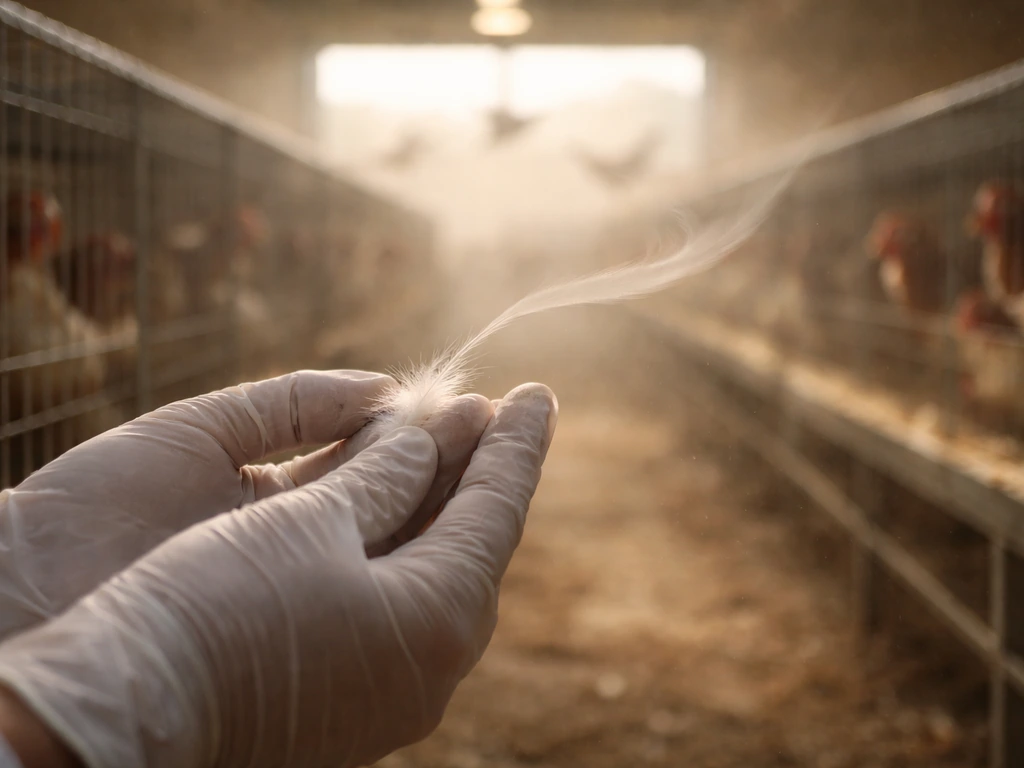
Bird flu is not airborne for humans in the way that, say, measles or COVID-19 is. You are not going to catch it by walking past a farm or breathing outdoor air near a flock. The realistic risk comes from direct, unprotected contact with infected birds, their droppings, mucus, saliva, or contaminated surfaces and water sources. That distinction matters enormously because it means your personal risk in everyday life is very low, and the steps to protect yourself are practical and specific, not sweeping.
Is Bird Flu Airborne for Humans? Transmission, Symptoms, and Prevention

Sarah Chen
20 Jun 2026

How bird flu actually spreads to humans
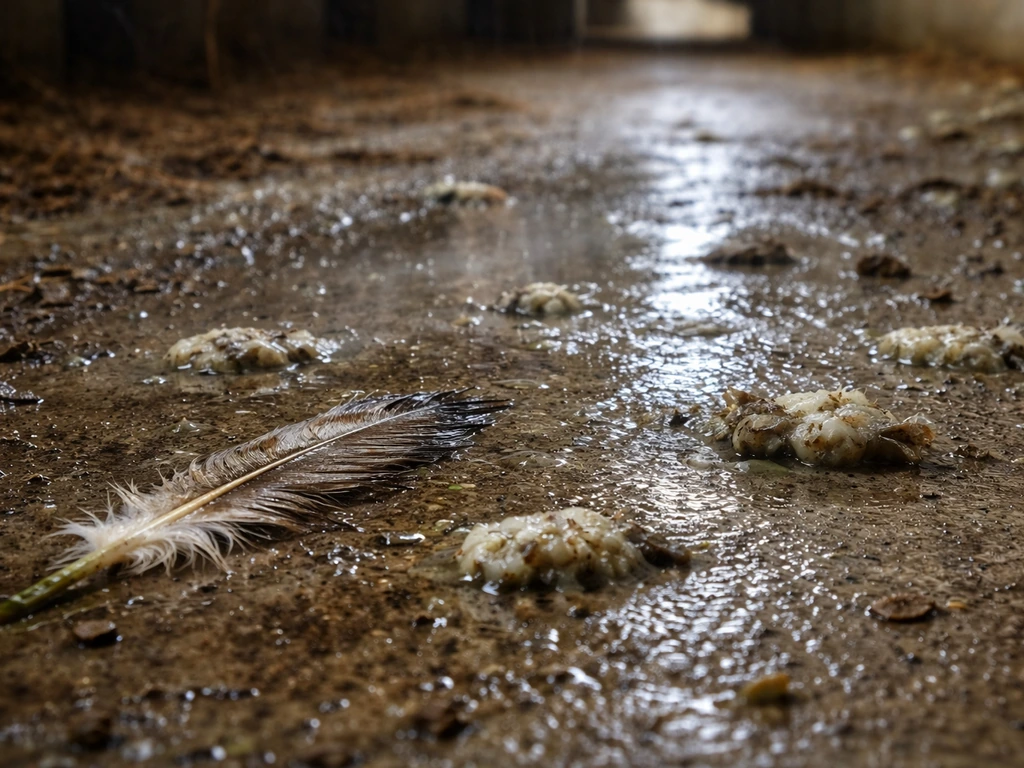
Avian influenza A viruses (the scientific name for bird flu viruses) primarily circulate in birds. When humans get infected, it is almost always through what public health officials call zoonotic transmission, meaning animal-to-human spread. The CDC is clear that most human cases trace back to close, unprotected exposure to infected birds or contaminated environments. That includes live poultry markets, farms during outbreaks, backyard flocks, and handling sick or dead wild birds without protection.
The virus is shed by infected birds in their droppings, mucus, and saliva. Humans can pick it up by touching those materials and then touching their eyes, nose, or mouth, by inhaling virus-laden dust or droplets stirred up during close contact with birds, or by handling contaminated surfaces and not washing their hands. This is sometimes called fomite transmission, which just means infection via contaminated objects or surfaces. These are the confirmed routes. Some infections are communicable person to person, but the routes for bird flu are different and are summarized as whether is bird flu a communicable disease. Human-to-human spread has occasionally been suspected in very close household contacts, but no sustained human-to-human transmission has been documented since 2007, according to WHO and a joint FAO/WHO/WOAH assessment.
Is it actually airborne? What the evidence says
Here is where the confusion usually lives, and it is worth unpacking carefully. In public health, 'airborne' transmission technically refers to virus particles small enough to stay suspended in the air over long distances and infect people who are not in close proximity to the source. Think tuberculosis or measles. Bird flu does not behave that way between humans. This is why bird flu is not considered to be is bird flu respiratory in the way some other infections are.
However, the CDC does acknowledge that airborne virus particles and dust can travel from infected birds toward a nearby person in the same space, especially during activities like cleaning coops, slaughtering birds, or disturbing heavily contaminated litter. So there is a localized, short-range aerosol component to animal-to-human transmission when you are in close physical contact with birds or heavily contaminated environments. That is different from saying the virus spreads through the air between people in community settings. The risk is tied to specific exposure scenarios, not ambient air.
The WHO's global risk assessment for H5N1 in the general public is currently rated low overall. Occupational risk for farmers, veterinarians, and cullers is rated low to moderate depending on how well protective measures are used. There is no evidence of routine or sustained airborne spread between humans anywhere in the world.
Where real exposure happens: birds, farms, homes, and workplaces
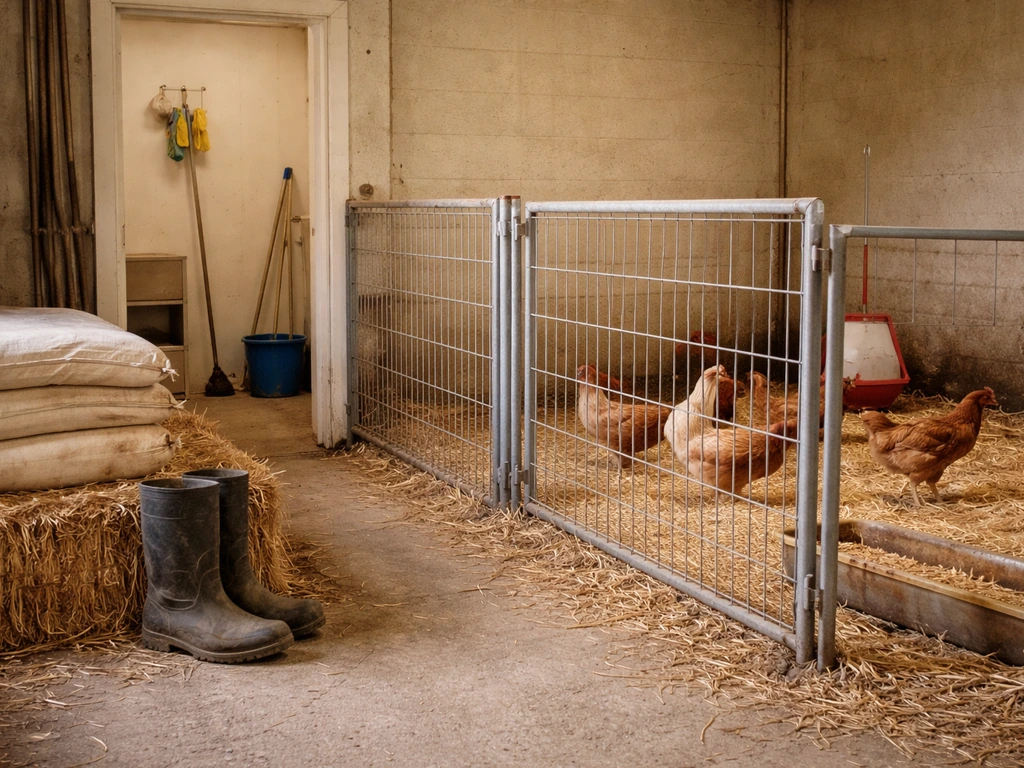
Knowing where exposure happens helps you assess your own situation honestly. The CDC has outlined specific exposure categories tied to elevated risk, and they are all contact-based rather than proximity-in-the-community-based.
- Direct physical contact with infected birds, dead or alive, without gloves or other protection
- Handling bird carcasses, feces, litter, or other contaminated materials without PPE (personal protective equipment)
- Being within about 6 feet of infected birds in a confined space without respiratory or eye protection
- Visiting or working at live poultry markets where virus circulation may be occurring
- Cleaning or disturbing coops or facilities contaminated with bird droppings, which can aerosolize virus-laden dust
- Handling raw poultry products from areas with active outbreaks, especially if blood or uncooked materials are involved
- Close, prolonged contact with a person confirmed to have bird flu (rare, and sustained spread has not been documented)
Backyard flock owners, farmworkers, veterinarians, wildlife responders, and anyone culling birds during an outbreak are the groups with the highest real-world exposure risk. General members of the public who are not working with or around birds carry a very low individual risk.
Symptoms to watch for and when to get medical care
If exposure has happened and infection follows, symptoms typically appear within about 3 days of exposure, though the range runs roughly 2 to 7 days. It is worth knowing what to look for so you are not caught off guard.
| Symptom Type | What It Looks Like |
|---|---|
| Respiratory | Cough, shortness of breath, difficulty breathing |
| Eye (conjunctivitis) | Red, watery, irritated eyes; this has been a predominant symptom in recent U.S. H5 cases |
| General illness | Fever, fatigue, muscle aches, body aches |
| Severe cases | Pneumonia, acute respiratory distress (in more serious infections) |
If you have had a known or possible exposure to infected birds or animals and you develop any of these symptoms within 10 days, do not wait it out. If you had direct or close exposure to sick or dead birds or poultry, infected animals, or contaminated environments or surfaces, CDC advises monitoring for illness for 10 days after the last exposure. The CDC recommends seeking prompt medical evaluation. Tell your doctor exactly what your exposure was so they can consider influenza testing, including specific testing for avian influenza A(H5) virus using respiratory specimens like nasopharyngeal or combined nasal-throat swabs, and conjunctival swabs if eye symptoms are present. Antiviral treatment should not be delayed while waiting for test results, so acting quickly is genuinely important.
WHO advises the same approach if you live in or recently visited an area with a known outbreak in poultry, wild birds, or other animals and develop fever, cough, difficulty breathing, or conjunctivitis: seek care and mention the potential exposure immediately.
Can you get bird flu from eating poultry or eggs?

The short practical answer is: properly cooked poultry and eggs are safe. The CDC has stated clearly that there is no evidence anyone in the United States has contracted bird flu from eating properly handled and cooked poultry or eggs. WHO and EFSA (the European Food Safety Authority) reach the same conclusion, with EFSA noting there is no convincing evidence of transmission to humans through food consumption when proper food handling is followed.
The risk area is raw or undercooked products, particularly from regions experiencing active outbreaks. Uncooked poultry blood was identified as a possible source of a small number of infections in Southeast Asia. This is a specific, avoidable risk rather than a reason to stop eating poultry.
The key food safety practices are straightforward and are the same ones that protect you from salmonella and other foodborne hazards: cook poultry to a safe internal temperature (165°F/74°C for poultry, until yolks and whites are firm for eggs), avoid cross-contamination between raw and cooked foods, and wash hands and surfaces after handling raw poultry. Standard kitchen hygiene covers the risk.
Prevention: what the public and farmers should actually do
For the general public
- Do not touch sick or dead wild birds with bare hands; if you need to move one, use gloves or a bag as a barrier
- Avoid visiting live bird markets in areas with active outbreaks if you can, particularly if you are in a higher-risk health category
- Follow standard food safety practices: cook poultry and eggs thoroughly, avoid cross-contamination, wash hands after handling raw meat
- Do not drink raw (unpasteurized) milk, including from cows in areas with H5N1 detections in dairy herds
- If you keep backyard chickens or ducks, monitor your flock for sudden illness or death and report it to your state animal health or agriculture department
For farmers, backyard flock owners, and workers with animal exposure
Your risk category is genuinely different, and the precautions need to match. The CDC's guidance for this group is specific and practical. When you are working with birds or in contaminated environments, proper PPE is not optional.
- Wear a NIOSH-approved particulate respirator (at minimum an N95) when working around birds, cleaning coops, or handling potentially contaminated litter, feces, or carcasses
- Use eye protection such as goggles or face shields, especially during any activity that could generate aerosols or splashes
- Wear gloves and coveralls, and follow safe removal practices when taking off PPE to avoid transferring contamination to your face
- Do not touch your eyes, nose, or mouth while working; wash hands thoroughly with soap and water when you are done
- Do not bring birds or egg-laying poultry into the house, and keep wild bird contact with your flock minimized through good biosecurity (netting, covered runs, separate feed storage)
- Report sick or dying birds to your state veterinarian or local agriculture department quickly; early reporting protects your flock and your community
- Monitor yourself for symptoms for 10 days after any close contact with sick or dead birds
OSHA and the CDC both publish detailed workplace guidance for avian influenza, and if your employer has birds on the premises, those resources are worth reviewing with your team before an exposure event happens rather than after.
What to do if you think you were exposed
If you had close, unprotected contact with infected or suspected birds, or worked in a heavily contaminated environment without appropriate PPE, here is a clear action plan.
- Contact your state or local health department as soon as possible after the exposure, even if you feel fine. They will give you guidance on whether you need monitoring, testing, or any preventive treatment (the CDC's interim recommendations include antiviral chemoprophylaxis as an option for some high-risk exposures).
- Monitor yourself for symptoms every day for 10 days after your last exposure. The symptoms to watch for are listed in the section above: fever, cough, difficulty breathing, eye redness or irritation, fatigue, and muscle aches.
- If symptoms develop during that 10-day window, call your health department immediately and then seek medical evaluation. Tell your provider about the exposure and when it happened so they can initiate appropriate testing without delay.
- Avoid unnecessary contact with other people while you are being monitored, especially if symptoms appear. This is basic precaution rather than a sign of high risk.
- Do not self-diagnose based on a regular flu test from a pharmacy. Standard influenza rapid tests do not distinguish bird flu from seasonal flu. A healthcare provider needs to collect the right specimens and send them to a public health laboratory for specific avian influenza A testing.
- If you are a healthcare worker and had an unprotected exposure to a confirmed case, follow your facility's exposure protocol and notify occupational health immediately.
The CDC instructs that state health department officials should notify the CDC within 24 hours of identifying a case under investigation. This is the system working as it should, so if public health contacts you for follow-up after you report an exposure, that is a normal part of outbreak surveillance, not a reason to panic.
Outbreak context and where to get current guidance
Bird flu guidance is not static. The strain in circulation, the geographic spread, and the populations of animals affected all influence what public health agencies recommend at any given moment. As of mid-2026, H5N1 (highly pathogenic avian influenza, or HPAI H5N1) remains the strain of greatest global concern, with detections in wild birds, domestic poultry, and dairy cattle documented across multiple countries. The overall public health risk to the general population remains low, but occupational risk in affected agricultural settings remains a real consideration.
Because recommendations can shift when new data emerge, checking current guidance directly rather than relying on older articles is genuinely important. The best sources for up-to-date information are the CDC's bird flu landing page (cdc.gov), the WHO's avian influenza Q&A, and your state or local health department. If you are a farmer or work in animal health, your state veterinarian and the USDA Animal and Plant Health Inspection Service (APHIS) also publish timely outbreak data and flock-level biosecurity guidance.
Understanding exactly how transmission works, whether bird flu is truly airborne, how contagious it is between people, whether it qualifies as a communicable disease in the traditional sense, and how droplet versus aerosol exposure differ are all questions that connect to this one. The core takeaway that applies across all of them is the same: this is primarily an animal-contact disease for humans, not a community airborne illness, and most practical protective steps center on reducing that animal contact rather than changing how you move through everyday public spaces.
FAQ
If bird flu is not airborne, why do people sometimes mention aerosols or “airborne particles”?
In most everyday situations, no. Bird flu is not considered a community airborne illness, so simply sharing outdoor air or walking near a farm or market is not the typical exposure pathway. The practical exception is very close, short-range contact where contaminated litter, dust, or secretions are disturbed, for example cleaning coops or handling sick or dead birds without respiratory protection and eye protection.
Do I need to isolate or stop going to work if I live near an outbreak?
If you have no direct contact with birds or contaminated environments, you do not need to self-isolate just because you are in the same general area. What matters is whether you had a defined exposure, such as handling raw or sick birds, cleaning heavily contaminated areas, or living in close quarters with someone who is severely ill and exposed to birds. If you did have such exposure, monitoring for symptoms for about 10 days and calling a clinician promptly is the more useful step than changing daily routines immediately.
Can I catch bird flu by touching something and then touching my face, even without being near birds?
Yes, “touch then touch your face” is a common avoidable mechanism. Even if you were not in close proximity to birds for long, you can reduce risk by not touching your eyes, nose, or mouth during and right after poultry contact, and by washing hands thoroughly with soap and water after handling birds, eggs, droppings, or used bedding. Alcohol hand sanitizer can help for general hygiene, but handwashing is preferred when hands are visibly soiled.
Are some activities with birds riskier than others, even if I follow basic PPE rules?
It depends on the job, not on the label “farm” or “veterinarian” alone. The higher-risk scenarios are tasks that generate dust or droplets from contaminated material, like cleaning, slaughtering, culling, or removing litter. If you are involved in those activities, use appropriate protective equipment as recommended for avian influenza (including eye protection and respiratory protection), and ensure a fit-tested respirator when the job requires it.
What kitchen mistakes increase risk for bird flu, even if I usually cook poultry thoroughly?
Proper cooking is a key safeguard, but it does not cover unsafe handling. Risk is primarily from raw or undercooked products and from cross-contamination in the kitchen. Use separate cutting boards and utensils for raw poultry, keep raw items away from ready-to-eat foods, and clean counters with appropriate disinfectants after handling raw poultry.
What should I tell the doctor specifically if I had exposure to sick birds and feel sick?
If you develop fever with respiratory symptoms or conjunctivitis after a known bird exposure, prompt evaluation matters because clinicians may consider targeted testing for avian influenza A(H5) using respiratory swabs (and eye swabs if applicable). Do not wait for symptom “progression” to seek care, and tell the clinician the timing and type of exposure so they can assess whether testing and treatment are warranted.
How can I tell bird flu symptoms apart from normal flu or COVID-19?
Not necessarily. Influenza symptoms can resemble many other illnesses, including seasonal flu and other respiratory infections, so you need medical assessment to sort out causes. The decision aid is exposure history plus timing, for example symptoms starting within about 2 to 7 days of a known exposure (and generally within 10 days for evaluation urgency).
Should I ask for bird flu testing even if I had no known exposure?
For most people, no. If you did not have close, unprotected contact with infected birds or contaminated environments, there is usually no reason to request avian influenza testing. Testing is most appropriate when there is a credible exposure and symptoms consistent with concern, because targeted testing uses specific sampling and has different interpretation than routine flu testing.
What should backyard owners do if they find a dead wild bird in their yard?
If you must handle a sick or dead wild bird or you suspect contamination, contact local wildlife or public health guidance rather than disposing of it casually. Use gloves, avoid creating dust, and keep children and pets away from the area. When cleanup is needed, the goal is to minimize contact and avoid stirring contaminated material.
Does the advice change depending on the current H5N1 situation, and what should I update versus keep doing?
Yes, guidance can change with new outbreaks and with the dominant strain, but your core risk framework stays stable: avoid unprotected contact with infected birds and contaminated litter, use proper PPE for occupational tasks, and cook poultry and eggs properly. Check current CDC, WHO, and your local health department guidance when the outbreak is in your region, especially for specific workplace or community instructions.
Next Article
Is Bird Flu Zoonotic? Transmission, Risk, and Prevention
Explains if bird flu is zoonotic, how it spreads from birds to humans, who is at risk, and how to prevent exposure.