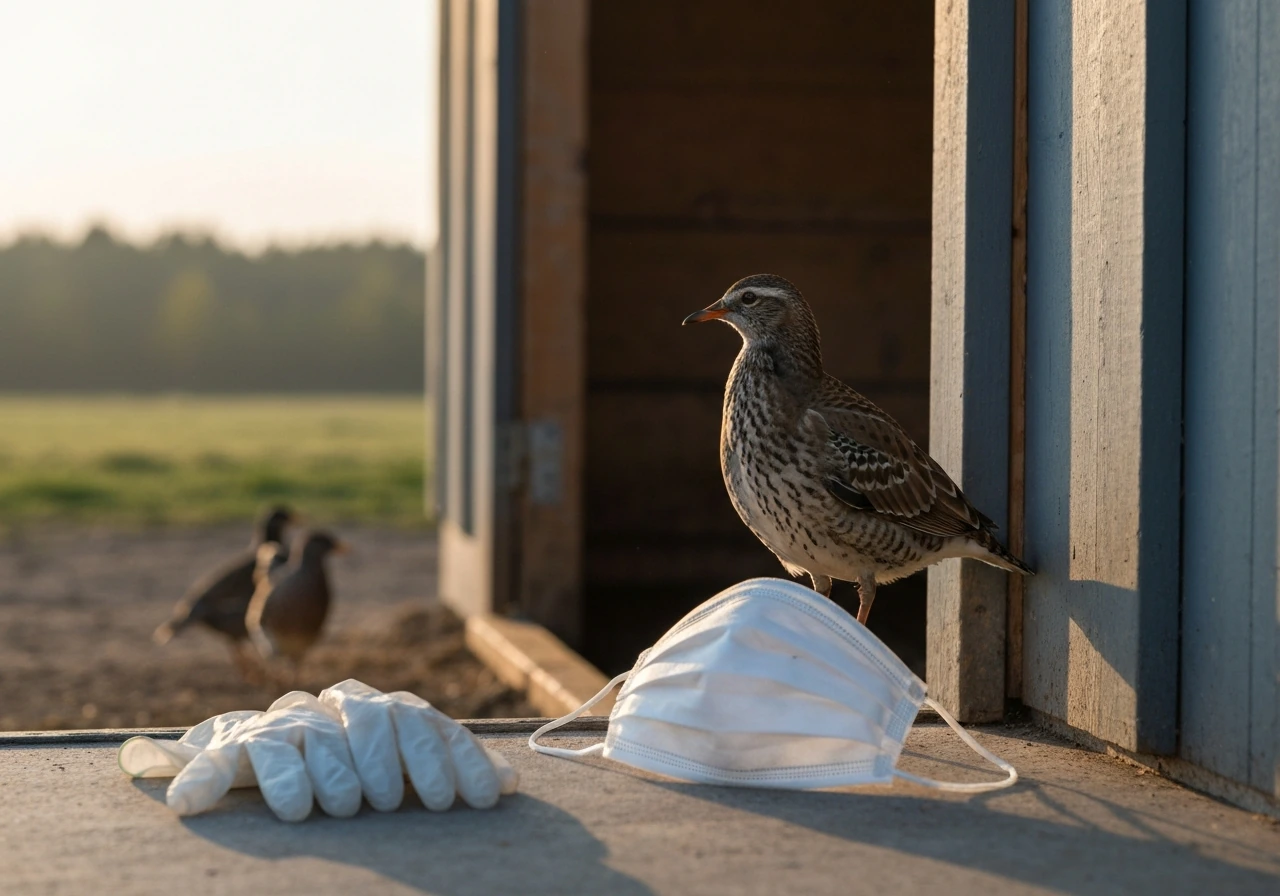
Bird flu is caused by influenza Type A viruses, not influenza B. Every avian influenza case ever recorded in birds or humans traces back to an influenza A virus. The confusion about "A or B" usually comes from how we talk about seasonal flu, where both types circulate every winter, but influenza B lives almost exclusively in humans and has never been linked to bird populations. When health agencies like the CDC or WHO refer to avian influenza, they mean influenza A, full stop.
Is Bird Flu Influenza A or B? Avian Flu Explained

Sarah Chen
6 Jul 2026

How avian influenza differs from seasonal flu A and B
Every flu season, both influenza A and influenza B viruses circulate in the human population simultaneously. Seasonal influenza A subtypes like H1N1 and H3N2 are adapted to spread easily between people. Influenza B, by contrast, circulates almost entirely in humans, rarely causes pandemics, and is not found in wild bird reservoirs. Avian influenza viruses are a completely different group of influenza A strains that evolved in birds, particularly wild aquatic birds, which act as their natural reservoir. They are not "stronger seasonal flu" or a variant of influenza B. They are influenza A viruses that have adapted to birds, and in most cases require close, direct contact with infected animals to infect a person at all. That distinction matters because it shapes everything about how avian influenza spreads, who is at risk, and what it takes to contain an outbreak. Bird flu is different from regular seasonal flu in how it spreads, who it infects, and the types of influenza viruses involved avian influenza.
Subtypes like H5, H7, and H9, and why "A or B" misleads people

Here is where the classification gets a little layered, but it is worth understanding clearly. Influenza A viruses are divided into subtypes based on two surface proteins: hemagglutinin (H) and neuraminidase (N). There are 18 known H variants (H1 through H18) and 11 known N variants (N1 through N11), which means a huge number of possible combinations. Only influenza A has this subtype system. Influenza B does not have H/N subtypes in the same way, which is one reason why the "A or B" framing doesn't quite fit when you're talking about bird flu. When you hear about H5N1, H7N9, or H9N2 in the news, those labels are all influenza A subtypes. They are not separate virus types, they are specific H-N combinations within the influenza A family. H5 viruses alone include H5N1, H5N2, and H5N8, all of which have infected bird populations in the United States. H9N2 has caused human infections as well, and H7N9 was responsible for a significant outbreak in Asia with hundreds of human cases. So when people ask whether bird flu is "A or B," the honest answer is: it is always A, and the H and N numbers tell you which specific strain you are dealing with.
How bird flu actually spreads
Spread among birds
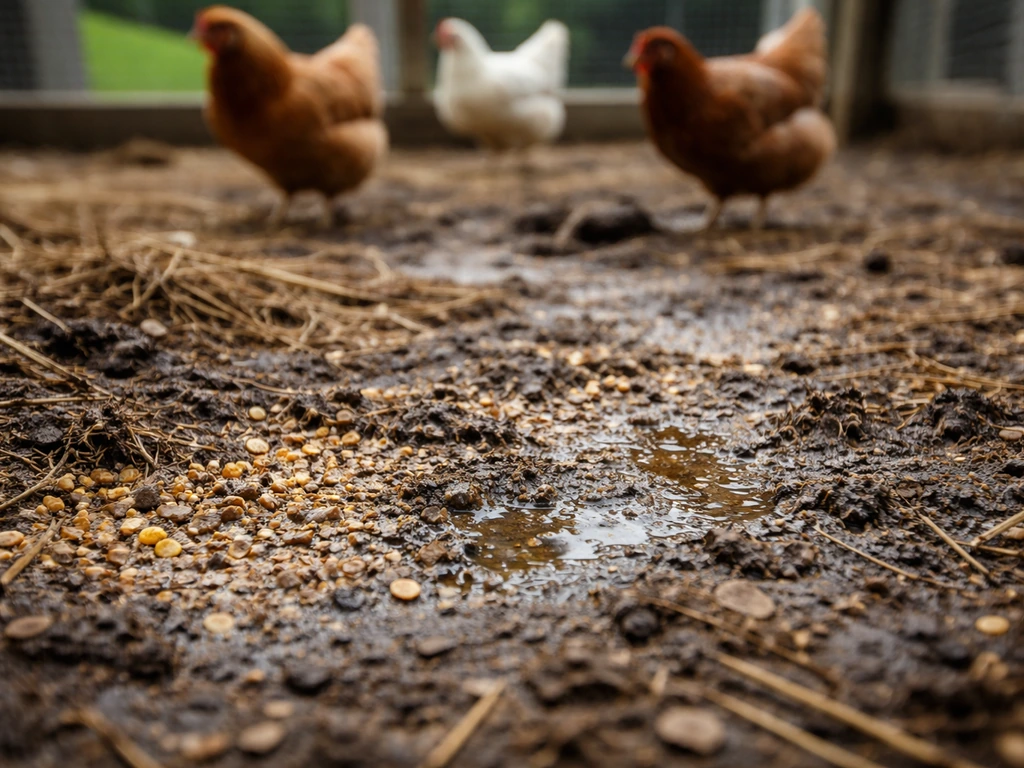
Infected birds shed avian influenza A viruses in their saliva, nasal secretions, and feces. Other birds become infected by coming into contact with these secretions, whether directly from an infected bird or from contaminated surfaces, water, or equipment. Wild migratory waterfowl, especially ducks and geese, can carry the virus without appearing sick, which is how it moves across geographic regions and reaches domestic poultry flocks. Once it gets into a commercial flock, highly pathogenic strains like H5N1 can spread rapidly and cause very high mortality.
Spread from birds to people
The CDC is clear that bird flu "usually spreads between birds, not people." Human infections almost always happen after unprotected, close exposure to infected birds or contaminated environments. You can breathe in virus-containing droplets or dust, or touch a contaminated surface (litter, feces, raw eggs, cages) and then touch your eyes, nose, or mouth. Even without directly handling a sick bird, spending time in a contaminated poultry environment is enough for infection to occur. Crucially, the currently circulating avian influenza strains have not shown sustained human-to-human transmission. Researchers track multiple avian influenza subtypes, so the number of bird flu strains depends on how you define and classify them how many strains of bird flu are there. There have been small documented clusters where limited spread between close household contacts occurred for strains like H5N1, H7N7, and H7N9, but this has never become a self-sustaining chain of transmission in the general population. That is a key reason why avian influenza outbreaks, even large ones, have not yet triggered a pandemic.
What bird flu looks like in people
Symptoms and incubation period

Symptoms of avian influenza in humans can vary depending on the strain. If you are asking what strain is bird flu, it is a set of influenza A viruses that evolved in birds, with types like H5N1 being the ones most often reported depending on the strain. Recent U.S. cases of H5 infection, for example, often presented primarily with eye redness (conjunctivitis) as the main complaint. Other cases start with signs that look like uncomplicated seasonal flu: fever, cough, fatigue, and muscle aches. The concerning pattern is that some infections, particularly with highly pathogenic strains, progress to lower respiratory tract illness fairly quickly. Incubation typically runs from 2 to 5 days after exposure, though it can stretch to around 10 days in some cases. Not every exposure leads to infection, and not every infection becomes severe, but the virus can move fast once it does.
When to get help immediately
If you have had exposure to sick or dead birds (or any infected animal) and you develop flu-like symptoms, conjunctivitis, or other unexplained illness, seek medical care right away and tell your provider about the animal exposure. Because avian influenza can be hard to distinguish from other respiratory illnesses, flu-like symptoms after exposure to birds should be treated as a possible is bird flu-like covid case and evaluated promptly. Do not wait to see if symptoms improve on their own. The following signs are red flags that call for emergency care:
- Shortness of breath or difficulty breathing
- Chest pain or pressure
- Signs of pneumonia or severe respiratory distress
- Confusion or altered mental status
- Symptoms that start improving but then rapidly worsen
Preventing bird flu, for both farms and households
For farmers and poultry workers
Biosecurity is the single most effective tool for keeping avian influenza out of a flock. HPAI is susceptible to biosecurity controls when they are applied consistently across the production and marketing chain. In practical terms, that means controlling who and what enters your property, keeping wild birds away from domestic flocks, using dedicated footwear and clothing for the poultry area, and cleaning and disinfecting equipment thoroughly before it moves between locations. Live bird markets and settings where birds from different backgrounds mix are particularly high-risk environments. When working directly with sick or dead birds, use recommended personal protective equipment (PPE), including gloves, eye protection, and respiratory protection. After any contact with poultry, feces, litter, raw milk, or other potentially contaminated materials, wash your hands thoroughly before touching your face, eating, or leaving the work area.
For backyard flock owners and the general public
You do not have to be a commercial farmer to be at risk. Backyard flock owners can be exposed through contaminated poultry environments even without directly touching sick birds. Practical steps include avoiding contact with wild birds around your flock, not bringing in new birds from unknown sources during an active outbreak, and washing hands immediately after any contact with poultry or their environment. If you visit a farm, live poultry market, or any setting with birds during an active outbreak, wear gloves and avoid touching your face until you have washed up. The general public with no direct bird contact carries very low risk, but vigilance matters during active outbreaks.
Food safety: what "safe to eat" really means right now

Properly cooked poultry and eggs are safe to eat, even during an active bird flu outbreak. Cooking poultry and eggs to an internal temperature of 165°F kills avian influenza A viruses, along with bacteria and other pathogens. Use a food thermometer rather than going by visual cues alone. For eggs specifically, cook until the yolk is firm. Avoid handling raw poultry with bare hands, keep raw meat separate from other foods, and wash any surfaces that contact raw poultry before using them for anything else. The risk from eating properly handled and cooked poultry products is effectively zero. The concern is in the handling, not the eating.
| Food item | Safe internal temperature | Key tip |
|---|---|---|
| Whole poultry and cuts | 165°F (74°C) | Use a meat thermometer in the thickest part |
| Ground poultry | 165°F (74°C) | Color is not a reliable indicator of doneness |
| Eggs (cooked alone) | Until yolk and white are firm | Avoid runny yolks during outbreaks as a precaution |
| Egg dishes and casseroles | 165°F (74°C) | Use a thermometer in the center of the dish |
Treatment options and vaccines: where things stand in 2026
Antiviral treatment
The antiviral drug oseltamivir (Tamiflu) is the primary treatment for avian influenza in humans. COVID-19 is a completely different respiratory illness caused by coronaviruses, not influenza A or bird flu avian influenza. It works best when started early, ideally within 48 hours of symptom onset, though treatment later in the illness may still be beneficial for severe or high-risk cases. If you have had a known exposure to an infected animal and develop symptoms, get evaluated as soon as possible so treatment can begin quickly. Oseltamivir is also used for post-exposure prophylaxis (preventive treatment) for people who have had close contact with confirmed or probable avian influenza cases, or who have been exposed to animals infected with novel influenza A viruses like H5N1. Your healthcare provider or local public health authority can advise whether prophylaxis is appropriate for your specific situation.
Vaccines for humans
An H5N1 monovalent vaccine for humans does exist and has been licensed by the FDA, but it is not commercially available to the general public. It is approved for people 18 and older who are at increased risk and is held in stockpiles for pandemic response use. Your annual seasonal flu shot does not protect against avian influenza strains, since those strains are not included in the standard seasonal vaccine formulation. If you work in high-risk settings (commercial poultry operations, veterinary exposure, outbreak response), speak to your employer or occupational health provider about whether you qualify for pre-exposure vaccination under current guidelines. Research on updated avian influenza vaccines is ongoing, but for now, access for the average person remains limited.
Your practical next steps
To recap what actually matters here: bird flu is influenza A, not influenza B, and the specific strains involved are identified by their H and N subtypes. It does not spread easily to people, requires close contact with infected birds or contaminated environments, and is not spreading in a sustained way between humans as of mid-2026. If you have had a clear exposure, watch for symptoms for up to 10 days and seek care immediately if anything develops. Cook poultry and eggs to 165°F and practice good hand hygiene if you work with or around birds. For current U.S. outbreak data and updated exposure guidance, check the CDC bird flu page and your state agriculture department, both of which update regularly during active outbreaks. The risk for most people is genuinely low, but knowing the facts means you can act quickly and confidently if your situation changes.
FAQ
If bird flu is influenza A, what does “H” and “N” tell me in plain terms?
They identify the specific influenza A subtype using two surface proteins, hemagglutinin (H) and neuraminidase (N). For example, H5N1 means the virus has an H5 hemagglutinin plus an N1 neuraminidase, which helps explain differences in outbreak behavior and which strains health teams are monitoring.
Does “bird flu” ever refer to influenza B in news headlines or social media?
Rarely, if ever. Credible public health reporting uses “bird flu” to mean avian influenza, and avian influenza is caused by influenza A viruses. If a post says bird flu is influenza B, treat it as misinformation.
Can someone get bird flu from a person who is sick with seasonal flu?
In general, no. Bird flu infections are linked to exposure to infected birds or contaminated poultry environments. Seasonal flu spread between people is usually influenza A or B adapted for humans, not avian influenza viruses.
If I catch “flu-like illness” after being around birds, how long should I watch for symptoms?
The typical incubation is about 2 to 5 days after exposure, but it can extend to around 10 days for some cases. If symptoms start later than a few days, still contact a clinician within that window if you had a clear bird exposure.
Are eye symptoms like conjunctivitis a reliable clue it is bird flu?
They can be a clue, but they are not specific. Conjunctivitis has been reported with some avian influenza infections, yet many other illnesses can cause red eyes. The decision point is the exposure history, not the symptom alone.
What counts as “close contact” for bird flu exposure if I did not touch birds?
Close contact can include spending time in areas where virus-containing dust or droplets may be present, such as barns, poultry houses, live bird markets, or enclosed contaminated environments. Touching contaminated surfaces and then touching your eyes, nose, or mouth also counts even without direct handling of birds.
Is it safe to eat eggs and poultry from a household or farm during an outbreak?
Yes, if they are cooked properly. The key is internal temperature and hygiene during handling. Avoid cross-contamination by washing hands and surfaces after raw poultry or egg contact, and do not rely on color or smell to judge doneness.
How do I know when to seek emergency care versus urgent care for possible avian influenza?
Treat it as urgent or emergency based on severity, not only suspicion of bird flu. Red flags that often warrant emergency evaluation include trouble breathing, worsening shortness of breath, severe dehydration, confusion, or rapidly progressing lower respiratory symptoms, especially in people at higher risk.
Is taking oseltamivir without a test ever appropriate?
It can be appropriate when there is a strong exposure history and compatible symptoms, because treatment works best when started early. A clinician will weigh exposure risk, illness severity, and local guidance, and may treat while confirming the diagnosis if suspicion is high.
What is post-exposure prophylaxis, and who usually qualifies?
Post-exposure prophylaxis is preventive antiviral treatment after a defined close exposure to a confirmed or probable case or a novel influenza A exposure (like certain H5 virus situations). Eligibility depends on the type of exposure, local risk assessments, and timing, so you should ask your local public health or clinician quickly if you think you were exposed.
Does a standard annual flu shot help prevent bird flu?
Not reliably. Seasonal flu vaccines do not include the avian influenza strains that cause bird flu, so they do not substitute for avian-specific prevention. They may still provide protection against common seasonal influenza that can look similar.
If I work with poultry, should I consider the H5N1 vaccine even if it is not available to everyone?
Potentially, but access is typically limited to people 18 and older who are at increased risk and meet current guidance for stockpile or occupational use. Ask your employer, occupational health department, or local public health office whether you qualify under the latest criteria.
Why do different sources mention different numbers of bird flu strains?
Because “strain” can be defined in multiple ways, such as by subtype (H and N combinations) or by finer genetic groupings within a subtype. Public health tracking systems may report counts differently depending on the classification method and what is included.
Next Article
What Type of Flu Is Bird Flu? Avian Influenza Explained
Bird flu is avian influenza, mainly H5 or H7 strains, and what that means for human risk and poultry safety.