
Bird flu is avian influenza, a category of influenza A viruses that naturally circulate in birds. It is not a separate "type" of flu in the way people sometimes imagine; it sits within the same broader influenza A family as some seasonal human flu strains, but the specific subtypes involved, and the way they behave in humans, make bird flu a distinct and separate concern.
What Type of Flu Is Bird Flu? Avian Influenza Explained

Sarah Chen
18 Jun 2026
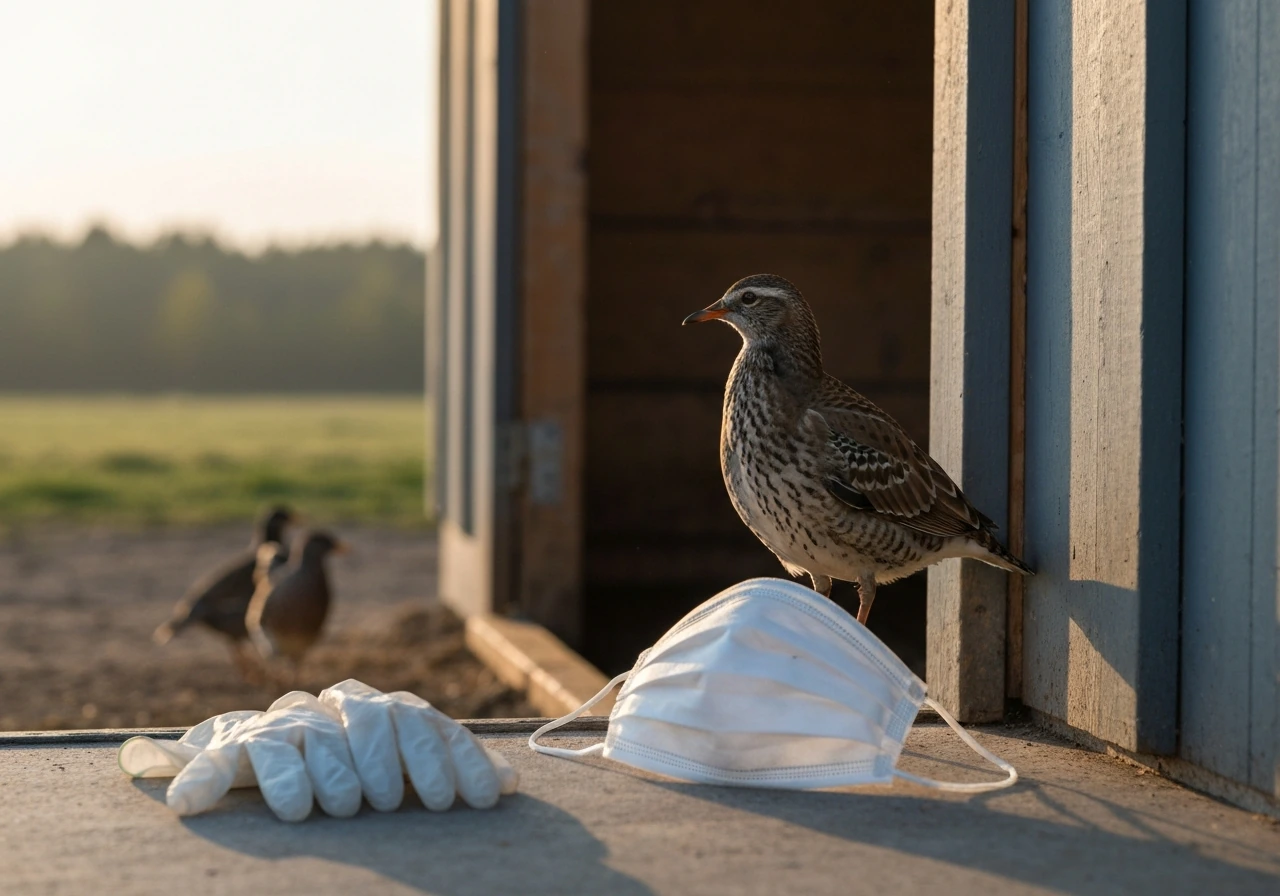
What 'bird flu' actually means
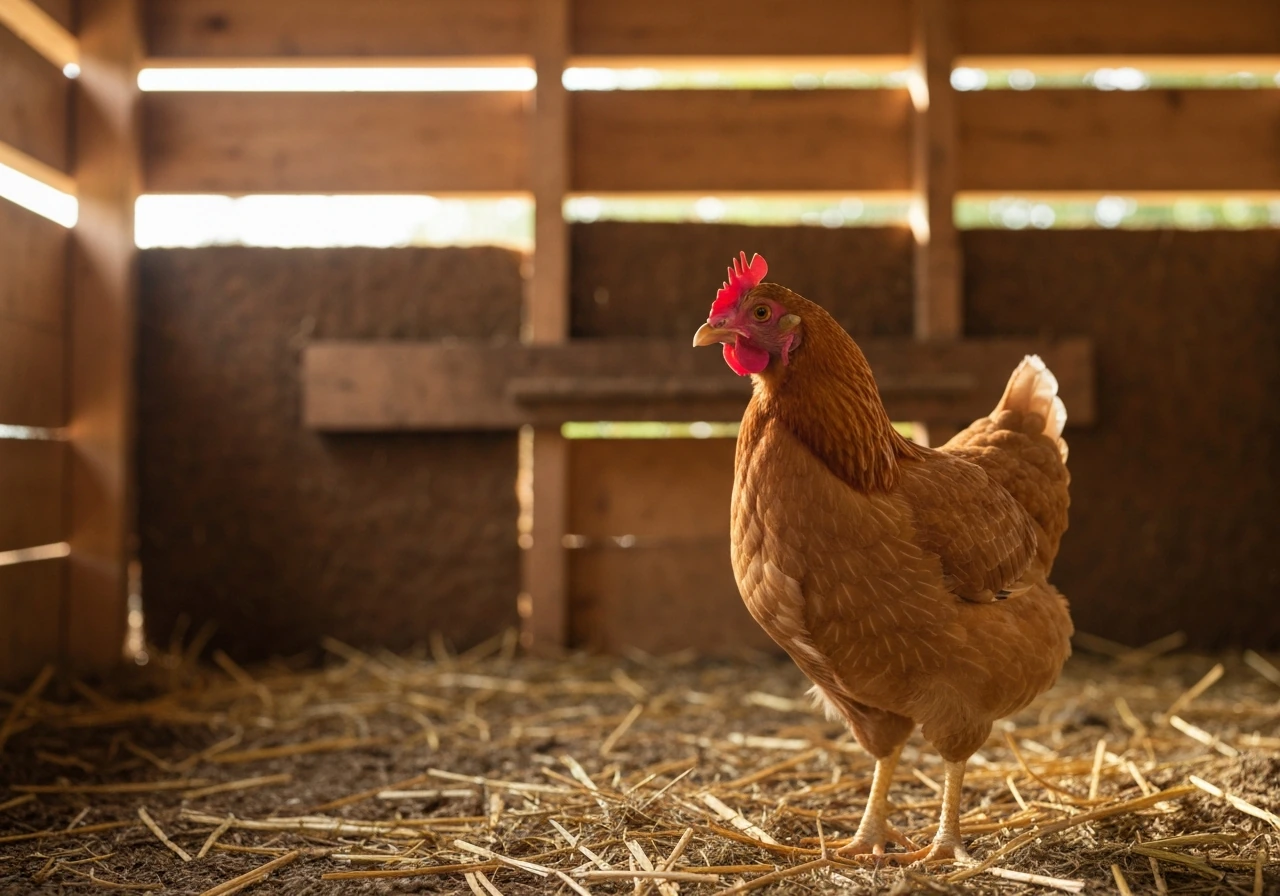
When health agencies, news outlets, and farmers say "bird flu," they are referring to avian influenza: a group of influenza viruses that primarily infect birds, both wild species and domesticated poultry. The term is not a single virus with a single name. It is a category, and within that category there are many different subtypes, some of which are mild in birds and some of which are devastatingly severe. Bird flu is not one virus, so the number of strains depends on how you count the different influenza A subtypes and variants within H5 and H7 how many strains of bird flu are there. The World Organisation for Animal Health (WOAH) defines it straightforwardly as a highly contagious viral disease affecting domestic and wild birds, caused by influenza A viruses.
The confusion often starts because people hear "flu" and assume bird flu is just a variant of the seasonal flu they get every winter. difference between bird flu and influenza a. It is not. The viruses that cause your annual winter flu are also influenza A (or influenza B), but they have adapted to circulate efficiently in humans. Avian influenza viruses are adapted to birds. That difference in host adaptation is everything when it comes to risk.
Which influenza types and subtypes are actually behind bird flu
All influenza viruses are classified into types A, B, C, and D. Bird flu viruses are always influenza A. Influenza A viruses are further named by two surface proteins: hemagglutinin (H) and neuraminidase (N), which is why you see labels like H5N1 or H7N9. Common bird flu strains people discuss in outbreak news include H5N1 and H7N9. There are 18 known H subtypes and 11 known N subtypes, and wild aquatic birds carry the full natural reservoir of these combinations.
The subtypes that have caused the most concern for both poultry and humans are in the H5 and H7 families. The CDC specifically names avian influenza A viruses, including A(H5N1), as the ones most often flagged for human health concern. H5N1 has been in global circulation since the late 1990s and has caused outbreaks across Asia, Europe, Africa, and the Americas. H7N9 emerged in China in 2013 and caused a significant wave of human infections before vaccine programs in poultry brought it under control. Other subtypes like H5N2, H5N8, and H5N6 have hit poultry populations hard in recent years without causing widespread human disease.
Within those H5 and H7 subtypes, there is a further split that matters a lot practically: low-pathogenicity avian influenza (LPAI) and highly pathogenic avian influenza (HPAI). LPAI typically causes mild or even no symptoms in birds. HPAI causes severe disease and very high mortality in infected poultry flocks, and the strains most worrying to public health authorities, including H5N1, fall into the HPAI category.
| Subtype | Pathogenicity in birds | Notable outbreaks | Human infections recorded |
|---|---|---|---|
| H5N1 | HPAI | Global (1997 to present) | Yes, with fatalities |
| H7N9 | LPAI/HPAI | China (2013-2017) | Yes, with fatalities |
| H5N2 | HPAI | USA poultry (2014-2015) | Very rare |
| H5N8 | HPAI | Europe/Asia (2016, 2020) | Very rare |
| H9N2 | LPAI | Asia/Middle East (ongoing) | Mild human cases reported |
How bird flu differs from seasonal flu and other influenza types
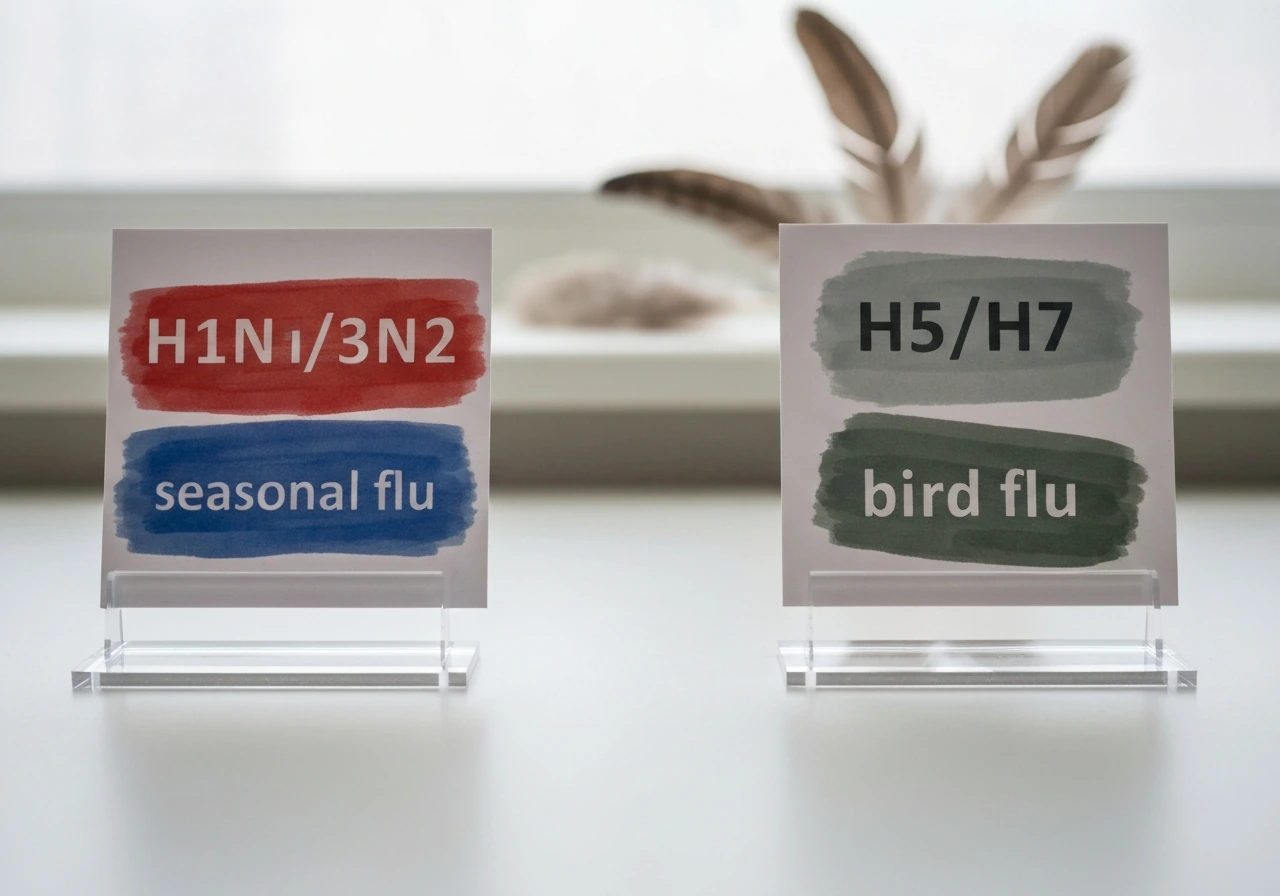
Seasonal flu vaccines are reformulated each year to match the H and N subtypes circulating in humans, typically combinations like H1N1 or H3N2. Those viruses have evolved over decades to spread easily from person to person through respiratory droplets. Bird flu viruses have not made that adaptation, at least not yet. Because bird flu does not spread the same way as regular seasonal flu, it behaves differently in outbreaks and risk to people bird flu different from regular flu. That is the key practical difference. Seasonal flu spreads in a crowded subway car. Bird flu, in its current form, almost never does.
Another meaningful difference is severity. When a person does catch bird flu through direct animal exposure, the illness can be much more severe than a typical seasonal flu, with pneumonia, respiratory failure, and other serious complications possible, especially with H5N1. So when people describe something as “bird flu-like covid,” they are usually referring to severe respiratory illness that resembles bird flu patterns, even though COVID-19 is caused by a different virus. Seasonal flu kills tens of thousands of people per year largely through volume of infections. Bird flu has a much smaller number of human cases but a disproportionately high case fatality rate in recorded infections. That contrast is worth keeping in mind when reading outbreak news.
Bird flu is also distinct from COVID-19, which is caused by a coronavirus, not an influenza virus at all. The two diseases share some surface-level similarities (respiratory illness, pandemic concern), but they are biologically unrelated. Similarly, bird flu is not the same as influenza B, which exclusively circulates in humans and has no animal reservoir. Bird flu is caused by influenza A viruses, not influenza B, so it is not an influenza A or B question in the way seasonal flu is.
What bird flu means for humans vs. poultry
For poultry and backyard flocks
HPAI is devastating for birds. In commercial and backyard flocks alike, a confirmed HPAI outbreak can kill nearly all infected birds within days, and regulatory requirements in most countries mandate culling of entire affected flocks to stop spread. The economic and agricultural consequences are severe. WOAH notes that avian influenza can spread farm to farm through movement of infected animals and through contaminated equipment, boots, and vehicles when biosecurity is not properly maintained.
For people
Human infections remain rare and are almost always linked to direct or close contact with infected birds or contaminated environments. The CDC states clearly that human-to-human spread of avian influenza A virus is very rare and limited. You are not going to catch bird flu from another person in ordinary circumstances. The risk is concentrated among poultry workers, farmers, people handling sick or dead birds, and in some parts of the world, people who visit live poultry markets. If you have not had that kind of direct contact, your personal risk from an ongoing HPAI outbreak in birds is very low.
Making sense of bird flu news and outbreak labels
News headlines about bird flu can be genuinely confusing because the same words get used loosely. Here is a quick decoder for the labels you are most likely to see. There is also ongoing concern about whether is covid-19 bird flu could involve changes in how these viruses spread among people and animals.
- HPAI H5N1: The most widely circulating strain globally right now. Causes mass die-offs in poultry and wild birds. Human cases are monitored closely but remain rare.
- LPAI: Low-pathogenicity detections in poultry. These are taken seriously for surveillance purposes but are much less dramatic in terms of bird mortality and human risk.
- Confirmed human case: A person tested positive, almost always after direct animal contact. This does not mean person-to-person spread is occurring.
- Clade or lineage (e.g., 2.3.4.4b): These are sub-groupings of H5N1 based on genetic analysis. You will see these in technical reports. Clade 2.3.4.4b is the dominant lineage in the current global wave.
- Outbreak in commercial flock vs. wild birds: Wild bird detections are common and widespread. A confirmed outbreak in a commercial or backyard flock triggers different response protocols.
When you read that millions of birds have been culled in a country, that reflects both the actual death toll from the virus and the proactive culling to prevent further spread. It is not an indicator that human risk has spiked in proportion. Keep those two numbers separate in your mind.
What to do if you have been exposed to birds

If you have had direct or close contact with sick, dead, or potentially infected birds, whether that is a backyard flock, a wild bird find, or a work setting, here is what the evidence supports doing.
- Monitor yourself for symptoms for 10 days after your last exposure. The CDC specifically recommends this window. Watch for fever, cough, sore throat, runny nose, muscle aches, eye irritation (conjunctivitis), or any breathing difficulty.
- Contact your local or state health department right away if you develop symptoms within that 10-day window, and tell them about the bird exposure. Early antiviral treatment (oseltamivir/Tamiflu) is most effective when started quickly.
- Do not wait for a regular doctor's appointment if symptoms appear. Call ahead to any clinic or emergency room before arriving so they can take appropriate precautions.
- If you work with poultry professionally, use recommended personal protective equipment (PPE): N95 or higher respirator, eye protection, gloves, and a protective coverall. This equipment dramatically reduces risk during culling and handling operations.
- Avoid touching your face, especially eyes, nose, and mouth, when you are around birds or in environments where birds have been. Wash hands thoroughly with soap and water after any contact.
Prevention, food safety, and biosecurity
For households and everyday people
Properly cooked poultry and eggs are safe to eat. Influenza viruses are killed at standard cooking temperatures (internal temperature of 165°F / 74°C for poultry). You do not need to avoid chicken, turkey, or eggs during an outbreak. What you should avoid is handling raw poultry without washing hands afterward and consuming raw or undercooked eggs, not because of bird flu specifically but as general food safety.
If you encounter a sick or dead wild bird, do not handle it with bare hands. Use gloves or a bag turned inside out, and report the find to your local wildlife or agriculture agency. Do not bring wild birds into your home or near your backyard flock.
For farmers and poultry keepers
Biosecurity is the single most effective tool you have. WOAH's guidance points to contaminated boots, vehicles, and equipment as a major pathway for farm-to-farm transmission. Practical measures that make a real difference include: changing footwear before entering bird housing, disinfecting vehicle wheels before entry, restricting visitor access, keeping wild birds away from feed and water sources, and sourcing birds only from reputable, disease-monitored suppliers. If you notice sudden unexplained deaths or severe illness in your flock, report it to your veterinarian or state animal health official immediately. Early detection is critical.
Vaccines
As of mid-2026, there is no widely available, approved bird flu vaccine for the general public in most countries, though candidate vaccines for H5N1 exist in government stockpiles and some countries have begun limited rollouts for high-risk agricultural workers. Poultry vaccination programs exist in some countries and are a topic of active debate in others, with concerns about masking infections versus the protective benefits. Standard seasonal flu vaccines do not protect against avian influenza A strains like H5N1. If you are a high-exposure worker, talk to your occupational health provider about what protections are currently available to you.
The bottom line is straightforward: bird flu is influenza A, specifically H5 and H7 subtypes, adapted to birds rather than people. To understand bird flu better, it helps to remember that it is influenza A, specifically H5 and H7 subtypes that are adapted to birds rather than people bird flu is influenza A. It is a real and serious disease for poultry, and it warrants careful attention when it occurs in your region. For most people with no direct bird contact, the risk is low. For those who do work with or around birds, the practical steps above are your best defense, and they work.
FAQ
If bird flu is influenza A, does that mean it always has an H and N name like H5N1?
Not every headline will show the full H and N labeling, but scientifically, avian influenza A viruses are classified by hemagglutinin (H) and neuraminidase (N). In outbreak reports, you may see shorthand (for example, “H5” or “H5N1”), and the details matter because different H and N combinations can differ in severity and how much risk they pose to humans.
Is bird flu the same thing as H5N1, or is H5N1 just one type of bird flu?
H5N1 is one specific subtype within the broader “bird flu” category. Bird flu can include other subtypes, especially H5 and H7 families, and these subtypes can differ in how severely they affect poultry, and in how often they lead to human infections.
Why do some news stories say bird flu is spreading in humans, but you say human-to-human spread is rare?
Because “human cases” can increase without sustained person-to-person transmission. Many reports count infections acquired through animal exposure (or contaminated environments), not infections that spread efficiently from one person to another. Look for wording about sustained clusters versus isolated exposures, and whether health authorities report evidence of ongoing transmission chains.
Can I catch bird flu from wild bird droppings or from walking near a contaminated area?
The risk is mainly associated with direct or close contact with infected birds, or exposure to contaminated environments where viable virus may be present. Ordinary casual contact is unlikely, but higher risk activities include cleaning areas with heavy droppings without protection, sweeping or disturbing dried material, or handling sick or dead birds.
Does a culling event always mean bird flu became more dangerous to people?
Not necessarily. Mass culling usually reflects efforts to stop spread among birds and protect surrounding flocks. Human risk depends on whether the specific virus has shown sustained ability to infect people and spread further, so bird deaths and human case counts can move independently.
If I’m vaccinated for seasonal flu, am I protected against bird flu?
Seasonal flu vaccines are designed to match strains that circulate in humans (typically H1N1 and H3N2 patterns, plus any updated components). They do not protect against avian influenza A subtypes like H5N1, so high-exposure guidance for bird work is usually separate from routine seasonal vaccination.
Should I wear a mask or change my routine if bird flu is reported in my area?
If you have no direct bird contact, you generally do not need special respiratory precautions. Extra protection is more relevant for poultry workers, people cleaning barns or barns with suspected illness, and anyone handling sick or dead birds, where protective gear and controlled procedures matter more than broad public masking.
Are eggs or poultry products from a region with bird flu outbreak unsafe?
Properly cooked poultry and eggs are considered safe for eating, because standard cooking temperatures inactivate influenza viruses. The bigger practical risk is handling raw product safely (avoid cross-contamination, wash hands, and cook thoroughly), not eating properly prepared food.
What’s the difference between low-pathogenic and highly pathogenic bird flu in terms of what I might notice?
Low-pathogenic infections may cause mild or no obvious illness in birds, so the virus can circulate quietly in a flock. Highly pathogenic outbreaks often cause rapid, severe illness and high mortality, which is why sudden unexplained deaths are a key trigger to report to animal health authorities.
If I work around birds, how do I decide what protections are appropriate right now?
Start with your specific exposure level (poultry barn work, slaughter or processing, live bird market exposure, or occasional contact). Then ask your occupational health provider what protections are currently recommended in your country or employer setting, such as fit-tested respirators, eye protection, glove protocols, and workplace hygiene steps. The “right” plan can differ by role and local outbreak context.
Next Articles
Is Type A Flu the Same as Bird Flu?
Type A flu is general influenza A; bird flu is avian influenza, with different risks, transmission, and prevention steps
Is Bird Flu in Europe Now? Risk, Symptoms, Safety Steps
Find out if bird flu is in Europe now, current risk, symptoms, food safety, and exact steps for handling exposure safely
What Is Being Done About Bird Flu: Response, Vaccines, Safety
How agencies detect, contain and treat bird flu, plus biosecurity, vaccines, human steps, and safe egg and poultry guida