
When headlines say "bird flu," they're almost always talking about a specific group of influenza A viruses called avian influenza viruses, and right now the one dominating news and outbreak reports is H5N1, specifically the clade 2. Bird flu is caused by avian influenza viruses, and the most commonly discussed strain right now is H5N1. 3.4.4b variant that has been spreading in wild birds, U.S. poultry flocks, and dairy cattle since it was first detected in late 2021. That said, "bird flu" is not a single fixed strain. It's a category, and which exact strain is circulating depends on when and where you're looking.
What Strain Is Bird Flu? H5N1, H7N9 and More Explained

Sarah Chen
7 Jul 2026

What "bird flu" actually means

Bird flu is shorthand for avian influenza, which refers to influenza A viruses that naturally live in birds. Birds, especially wild waterbirds like ducks, geese, and swans, are the natural reservoir hosts for these viruses. They can carry and shed them without always getting sick themselves, while domesticated poultry can become severely ill or die from the same exposure. That distinction matters a lot if you're a farmer or poultry owner.
The key thing to understand is that avian influenza viruses are a subset of influenza A, not a separate flu type. If you've ever looked into whether bird flu is the same as type A flu, you're in the right neighborhood: all avian influenza viruses are influenza A, but not all influenza A viruses are bird flu. Seasonal flu in humans also includes influenza A strains, which is part of why there's so much understandable confusion.
How strains get their H and N labels
Every influenza A virus is classified by two proteins on its surface: hemagglutinin (H or HA) and neuraminidase (N or NA). Think of these as the virus's molecular identity badge. There are 18 known H subtypes (H1 through H18) and 11 known N subtypes (N1 through N11), and the strain name is just a combination of those two numbers. In general, the number of bird flu strains depends on whether you're counting H and N subtypes, or more detailed genetic clades within them H subtypes and N subtypes. So H5N1 means hemagglutinin type 5, neuraminidase type 1. H7N9 means H type 7, N type 9. It's a naming system, not a ranking of severity.
Beyond the H and N labels, strains can be further broken down into clades, which are essentially family branches of the same subtype. H5N1, for example, has been divided into multiple clades and subclades over the years. The clade 2.3.4.4b version of H5N1 is the one currently responsible for large-scale outbreaks globally, including human infections detected in the United States. When you see CDC or WHO reports mentioning "clade 2.3.4.4b," they're being specific about which genetic branch of H5N1 they're tracking.
The strains you'll actually see in outbreak reports
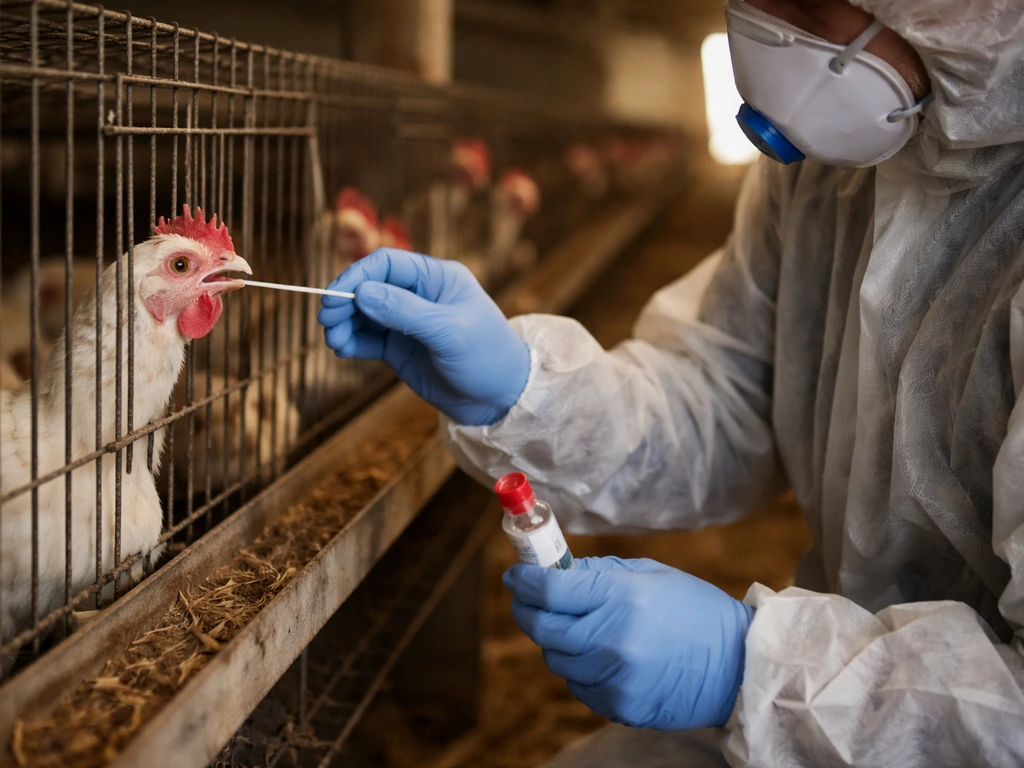
While there are many possible avian influenza subtypes, a handful come up repeatedly in outbreak reporting because they've shown the ability to infect mammals, including humans, or cause devastating losses in commercial poultry.
| Strain | First major human cases | Notable features | Current status (as of 2026) |
|---|---|---|---|
| H5N1 (clade 2.3.4.4b) | First documented 1997; current clade from ~2021 | HPAI; infects birds, mammals, and humans; spreading in U.S. dairy cattle and poultry | Actively circulating worldwide; primary strain of concern |
| H7N9 | First reported 2013 in China | Avian influenza A subtype; can be silent in poultry; infected humans mainly through poultry exposure | No sustained human-to-human transmission; less active in current headlines |
| H5N6 | Sporadic human cases reported | Highly pathogenic; found in poultry in Asia | Monitored; less common than H5N1 currently |
| H5N2 | Poultry outbreaks in U.S. 2015 | HPAI in poultry; rare human cases | Largely superseded by H5N1 clade 2.3.4.4b in current outbreaks |
| H9N2 | Occasional human cases | Low pathogenic in birds; can infect humans | Ongoing low-level circulation; rarely in major headlines |
How are these strains identified during an outbreak? Labs use reverse transcriptase PCR (RT-PCR) with gene-specific primers to detect and distinguish influenza A subtypes. A CDC Emerging Infectious Diseases paper also describes using blank" rel="noopener noreferrer">RT-PCR with gene-specific primers followed by sequencing to characterize H5N1 clade structure, including clade 2.3.4.4b and related subclades. Because bird flu involves influenza A viruses, the difference between bird flu and influenza A is mainly about which hosts and strains are involved influenza A subtypes. When a novel influenza A virus is found in a human, CDC protocol requires confirmatory testing, with specimens shipped to CDC if the lab detects anything suggesting H5N1, H7N9, H5N6, or other unusual avian A subtypes. WHO provides molecular detection information and includes validation context for influenza PCR assays, including how to interpret H5N1 assay positivity across example clades (such as 0, 2.1.1, 2.2, and 2.3.4.4-related categories) H5N1, H7N9, H5N6, or other unusual avian A subtypes. For poultry and wild birds, labs also test the HA gene's proteolytic cleavage site to determine whether a detected H5 or H7 virus is highly pathogenic (HPAI) or low pathogenic (LPAI), since that distinction drives the response on the ground.
Why the specific strain actually matters
Not all avian influenza strains carry the same risk, and that's not just reassuring spin. There's a real, meaningful difference between a low pathogenic avian influenza (LPAI) virus that causes mild or no symptoms in birds versus a highly pathogenic avian influenza (HPAI) virus that can wipe out an entire flock within days. The pathogenicity classification applies to birds, but it also signals which strains public health authorities are watching most closely for potential human risk.
For human infection risk specifically, the question is whether a strain can cross from birds (or other animals) into people and then, critically, whether it can spread person to person. As of the January 2026 WHO fact sheet, no avian influenza virus has demonstrated sustained human-to-human transmission. People have been infected, mostly through direct or close contact with infected birds or contaminated environments, but the virus hasn't gained the ability to efficiently pass between people. Some people describe certain COVID-19, like respiratory illness as “bird flu-like COVID,” but bird flu itself refers to avian influenza viruses in the H and N subtype system is bird flu-like covid. Clade 2.3.4.4b H5N1 viruses analyzed by CDC showed high genetic similarity among circulating viruses and no significant mammalian adaptive mutations in the HA gene that would increase that risk, which is genuinely good news even if it's not a permanent guarantee.
For farmers and poultry owners, the strain matters because different subtypes require different regulatory responses. H5 and H7 subtypes get extra scrutiny under WOAH (World Organisation for Animal Health) guidelines, which means mandatory reporting, movement restrictions, and depopulation protocols that kick in faster than they would for other subtypes. Knowing whether you're dealing with H5 versus something else shapes everything from quarantine decisions to compensation eligibility.
How to find the current confirmed strain right now
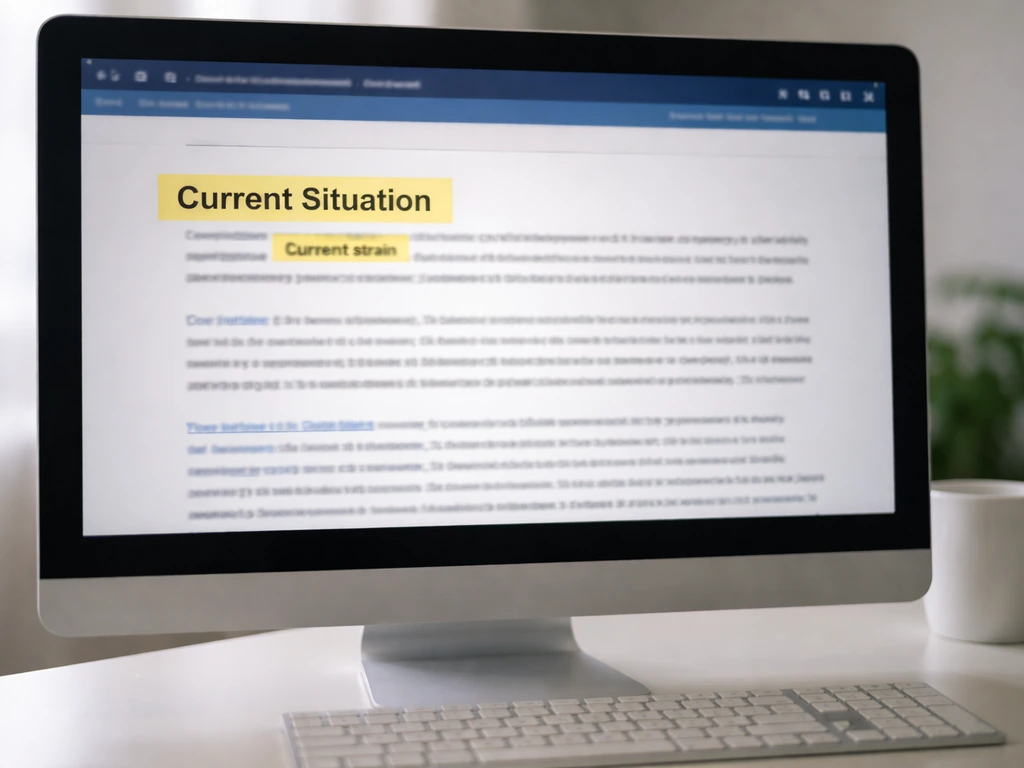
Outbreak strain information changes, sometimes quickly, and the only reliable sources are official public health and agricultural agencies. Here's where to go and what to look for.
For human infection data
- CDC's Bird Flu website (cdc.gov/bird-flu): Look for the "Current Situation" section, which is updated regularly and specifies which strain is involved in human cases, including the clade designation for H5N1.
- WHO's Avian and Other Zoonotic Influenza page: WHO publishes risk assessments jointly with FAO and WOAH, updated periodically (the most recent data as of this writing reflects assessments through early 2026). Strain-specific Q&As are published for major subtypes like H5N1 and H7N9.
- Look for full strain names in official reports. A report that says "influenza A(H5N1) clade 2.3.4.4b" is telling you the subtype and the genetic branch. That's more useful than just reading a headline.
For poultry and livestock outbreak data
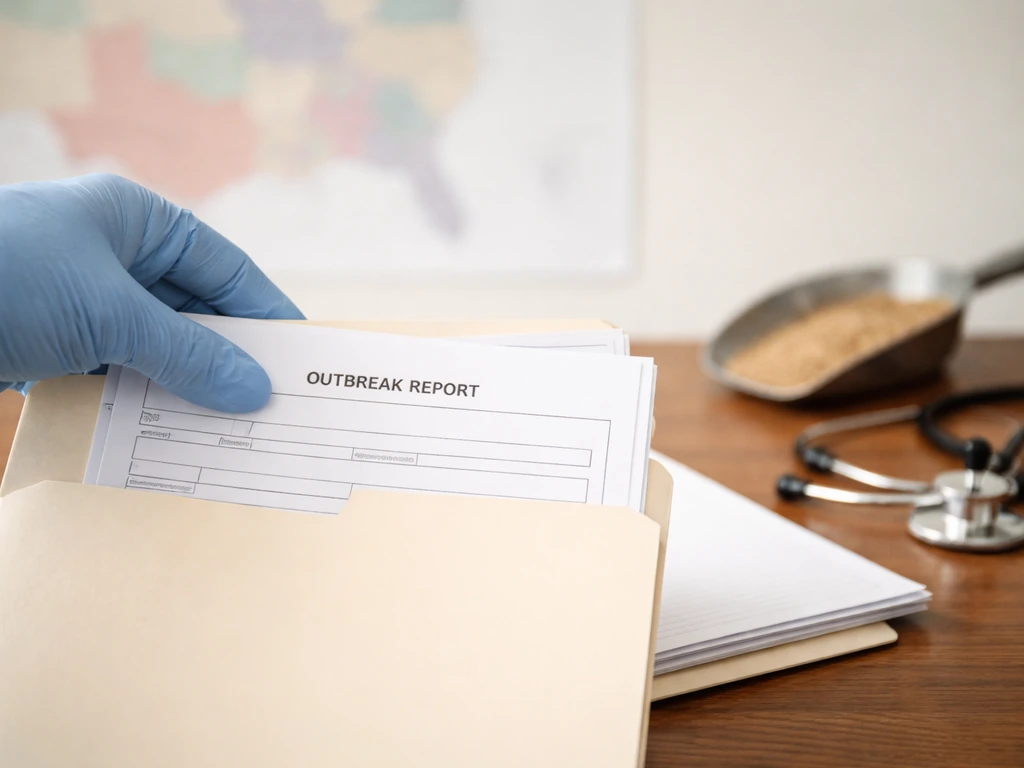
- USDA APHIS's HPAI in Poultry page and the H5N1/HPAI Resources page: APHIS updates confirmed detections by state and species, including wild birds, commercial flocks, backyard flocks, and dairy cattle. Each detection includes strain confirmation.
- WOAH's disease alert system: Provides international outbreak notifications by strain and country.
- State veterinarian and state department of agriculture websites: For local outbreak detail, these often have faster state-specific updates than federal pages.
When reading any report, a few terms to decode: HPAI means highly pathogenic, which is the more serious classification. A(H5N1) tells you it's influenza type A, H subtype 5, N subtype 1. The clade number (like 2.3.4.4b) tells you the genetic lineage. If a report just says "bird flu" without specifying, it's worth clicking through to the full official source to get the subtype before drawing conclusions about risk.
Practical next steps based on who you are
If you raise poultry or work with birds
Biosecurity is the single most effective tool you have, and USDA APHIS says as much directly: biosecurity is the key to protecting your flock from HPAI. Practically, that means limiting flock contact with wild birds and their droppings, controlling who and what enters your property, cleaning and disinfecting equipment, and monitoring your birds daily for signs of illness. If you see unexplained death or illness in your flock and can't rule out avian influenza, contact your state veterinarian or APHIS immediately. Don't wait. Early reporting triggers testing, and faster identification of a strain means faster containment. APHIS uses viral genome sequencing on each HPAI livestock detection to trace how the virus is moving, which helps protect neighboring farms too.
If you're a member of the general public
The risk to the general public from the current H5N1 clade 2.3.4.4b strain remains low if you avoid direct contact with sick or dead birds, wild birds, and infected animals. CDC advises against touching surfaces or materials contaminated with bird saliva, mucus, or feces, and strongly recommends avoiding raw milk or raw milk products, especially from any herd with known or suspected infection. If your work or hobby puts you in regular contact with birds or livestock, wearing respiratory and eye protection during that contact is the practical protective step.
You don't need to panic about eating poultry or eggs. Properly cooked poultry and eggs (internal temperature of 165°F for poultry) kill influenza viruses. The food supply risk is not the same as the direct animal contact risk. You might also see comparisons to is covid-19 bird flu when people discuss risks from emerging respiratory viruses.
Your quick-reference workflow for finding the current strain
- Go to CDC's Bird Flu Current Situation page for the latest confirmed strain in U.S. human cases and animal outbreaks.
- Go to USDA APHIS's HPAI in Poultry page for confirmed poultry and livestock detections by state, with strain details.
- Check WHO's Avian Influenza page for international strain assessments and human infection counts globally.
- Read past the headline: look for the full strain designation (e.g., HPAI A(H5N1) clade 2.3.4.4b) in the linked official report.
- If you're a farmer or have had direct animal exposure and have health concerns, call your state veterinarian or your doctor and mention the specific strain currently circulating in your area.
The strain landscape for bird flu isn't static, and the answer to "what strain is bird flu right now" will shift over time. But the framework for reading those reports, H subtype plus N subtype plus clade, and the sources to check, CDC, APHIS, WHO, WOAH, stay consistent. Once you know how to read the label, you can translate any future outbreak headline into something actually useful for your situation.
FAQ
What does it mean if a news report says “bird flu” but doesn’t name a specific strain?
If a headline just says “bird flu” without H and N numbers, assume it is incomplete information. Ask for the official lab confirmation (subtype like H5N1 or H7N9, plus where available the clade such as 2.3.4.4b). Until those details are provided, you cannot accurately judge whether the event aligns with current U.S. or global surveillance priorities.
Is H5N1 the only strain people should worry about?
H5N1 is currently the most widely reported strain, but “bird flu” can include multiple avian influenza A subtypes such as H7N9, H5N6, and others depending on region and season. The exact strain can differ between wild birds, poultry flocks, and affected livestock, so the dominant strain is not universal everywhere.
How is a “clade” different from the H and N numbers?
The H and N labels identify the virus’s surface-protein subtype, while the clade (like 2.3.4.4b) identifies a specific genetic lineage within that subtype. A change in clade does not necessarily mean the H and N numbers change, so two articles both saying H5N1 can still be discussing different genetic branches.
Does HPAI mean higher risk to humans?
HPAI versus LPAI refers to how pathogenic the virus is in birds, based on viral traits such as the HA cleavage site. It does not automatically tell you how contagious it could be in people. Public health risk depends on host adaptation and, most importantly, evidence of sustained person-to-person spread.
How do I tell from a report whether a strain is spreading between people?
If you are reading about human cases, look for whether the report states the subtype and whether it mentions any evidence of human-to-human spread. Even when many infections are linked to animal exposure, sustained transmission would be a separate finding, not something you infer from the strain label alone.
If strain matters, why do exposure and behavior still drive most of the risk?
In practice, risk is strongly affected by exposure type. For example, someone working with poultry or handling potentially infected carcasses faces a different risk profile than someone who only encounters news updates. The strain label matters, but preventing contact with sick or dead birds, and contaminated materials, is what most directly reduces risk.
How do labs confirm the exact bird flu strain during an outbreak?
Laboratories use RT-PCR to detect influenza A and to differentiate H and N subtypes using gene-specific targets. After detection, additional testing (including confirmatory protocols and, for poultry, assessment of pathogenicity markers) helps classify whether it is consistent with HPAI and which response protocols apply.
Why do regulators focus on H5 and H7 more than other bird flu subtypes?
Biosecurity decisions often hinge on whether the finding is H5 or H7, because those subtypes trigger faster and more stringent regulatory actions in many jurisdictions. If your area reports a different subtype, you should still follow local veterinary guidance, but the expected timeline and movement restrictions may differ.
What should I do right now if my community has an H5N1 outbreak but I’m not in poultry work?
CDC guidance is largely exposure-oriented, so the key actionable step is to avoid direct contact with sick or dead birds and avoid touching potentially contaminated surfaces or materials. If you work with birds or livestock, protective equipment (especially respiratory protection and eye protection) reduces risk regardless of the clade details in headlines.
If bird flu is in the area, should I change how I handle milk or dairy?
Even if an outbreak is described as “bird flu” in a region, it might not mean every farm or herd is affected. If you are selecting products, the most important practical safeguard is to avoid raw milk or raw dairy products, and if your household has known exposure to infected animals, consult local public health or veterinary authorities for specific instructions.
Why is food safety guidance different from farm biosecurity guidance?
Cooking guidelines are about what you can control in the kitchen, while outbreak control is about preventing spread in animals and environments. Viruses in food are addressed through proper cooking temperatures, but your greatest prevention lever during active outbreaks is still hygiene and avoiding contact with contaminated bird droppings or secretions.
Next Article
Is Bird Flu Influenza A or B? Avian Flu Explained
Bird flu is influenza A, not B. Learn H5/H7/H9 spread, symptoms, red flags, prevention, and treatment guidance.