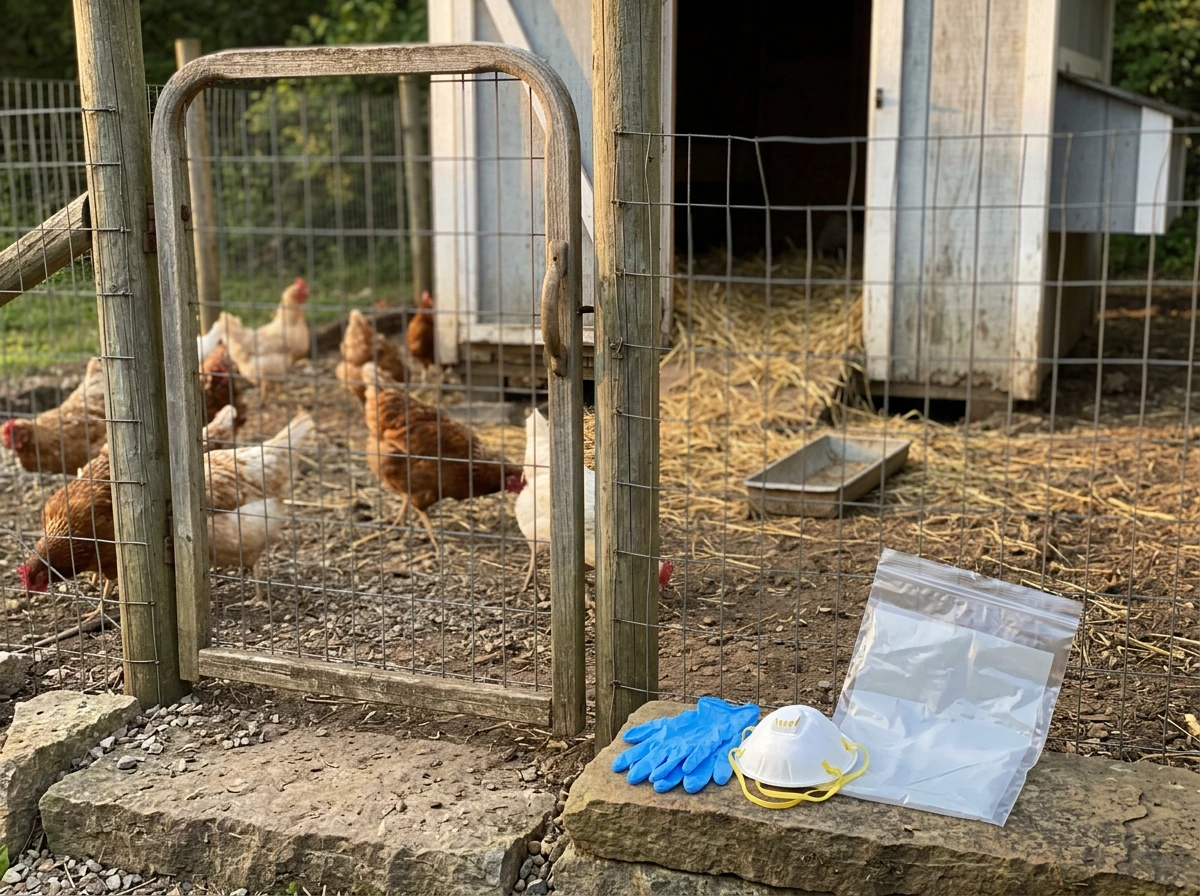
People catch bird flu (avian influenza) almost exclusively through direct or very close contact with infected birds or heavily contaminated environments. The virus does not spread easily from birds to people, and sustained person-to-person transmission has not been documented as of March 2026. That said, exposure does happen, and when it does, it usually follows a recognizable pattern worth understanding.
How Do You Catch Bird Flu: Transmission and Prevention

Sarah Chen
22 Mar 2026
How bird flu spreads to people
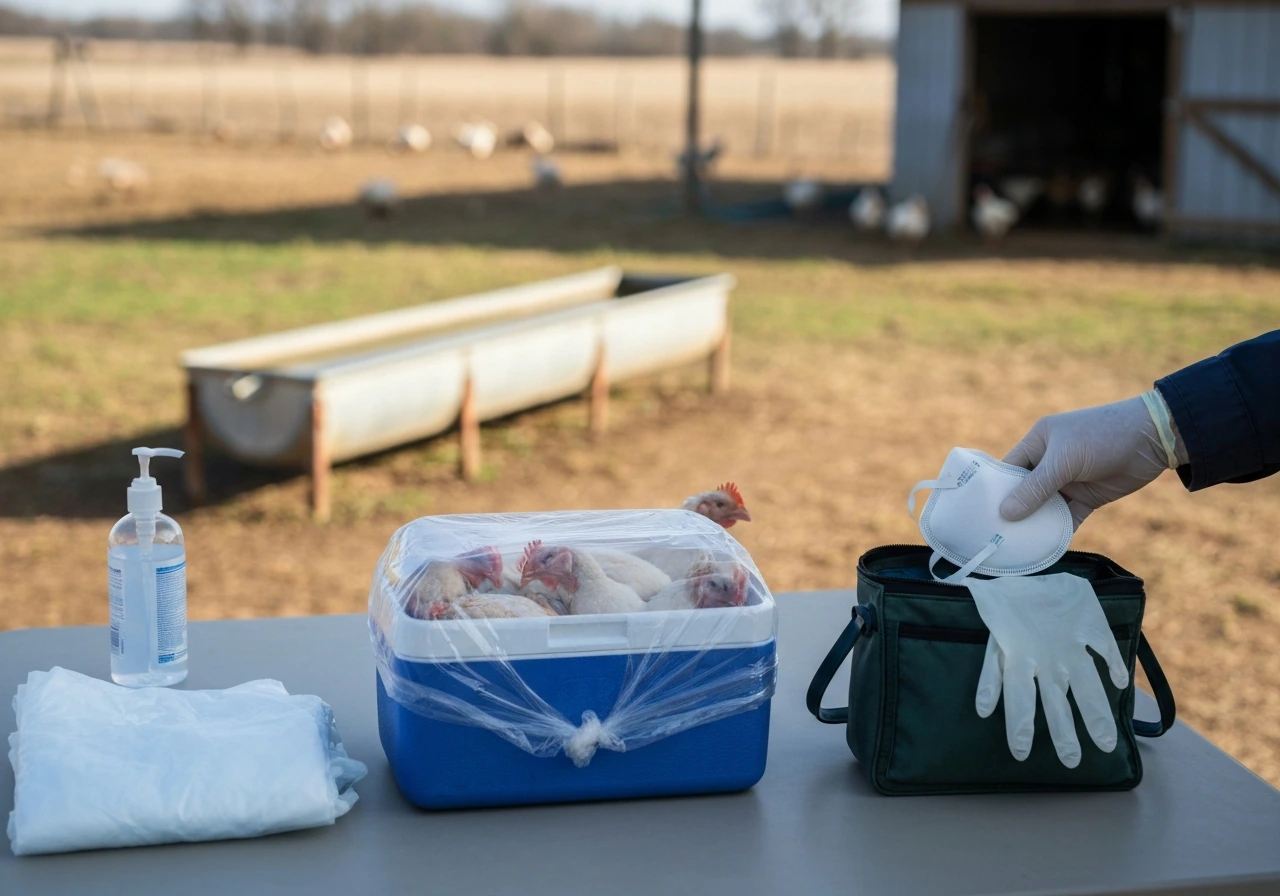
The WHO is clear on this: the primary risk factor for human infection with avian influenza is exposure to live or dead infected animals, or to environments that have been contaminated by them. There are three main routes the virus uses to get from a bird into a human body.
- Respiratory exposure: You inhale aerosols (tiny airborne particles), virus-laden dust, or droplets produced when infected birds sneeze, flap their wings, or are handled during slaughter and processing.
- Mucous membrane contact: Virus particles reach the moist lining of your eyes, nose, or mouth, either from direct contact with infected birds or from touching a contaminated surface and then touching your face.
- Fomite transmission: You touch a surface or object (a fomite) that carries the virus, such as a cage, tool, protective gear, or vehicle, and transfer it to a mucous membrane.
Of these, the respiratory and mucous membrane routes are considered the most significant in real-world cases. The CDC specifically flags inhalation of aerosolized particles during poultry processing as a documented exposure pathway. Fomite transmission is plausible and worth taking seriously, but it is less commonly the sole driver of infection.
The real-world sources people get exposed to
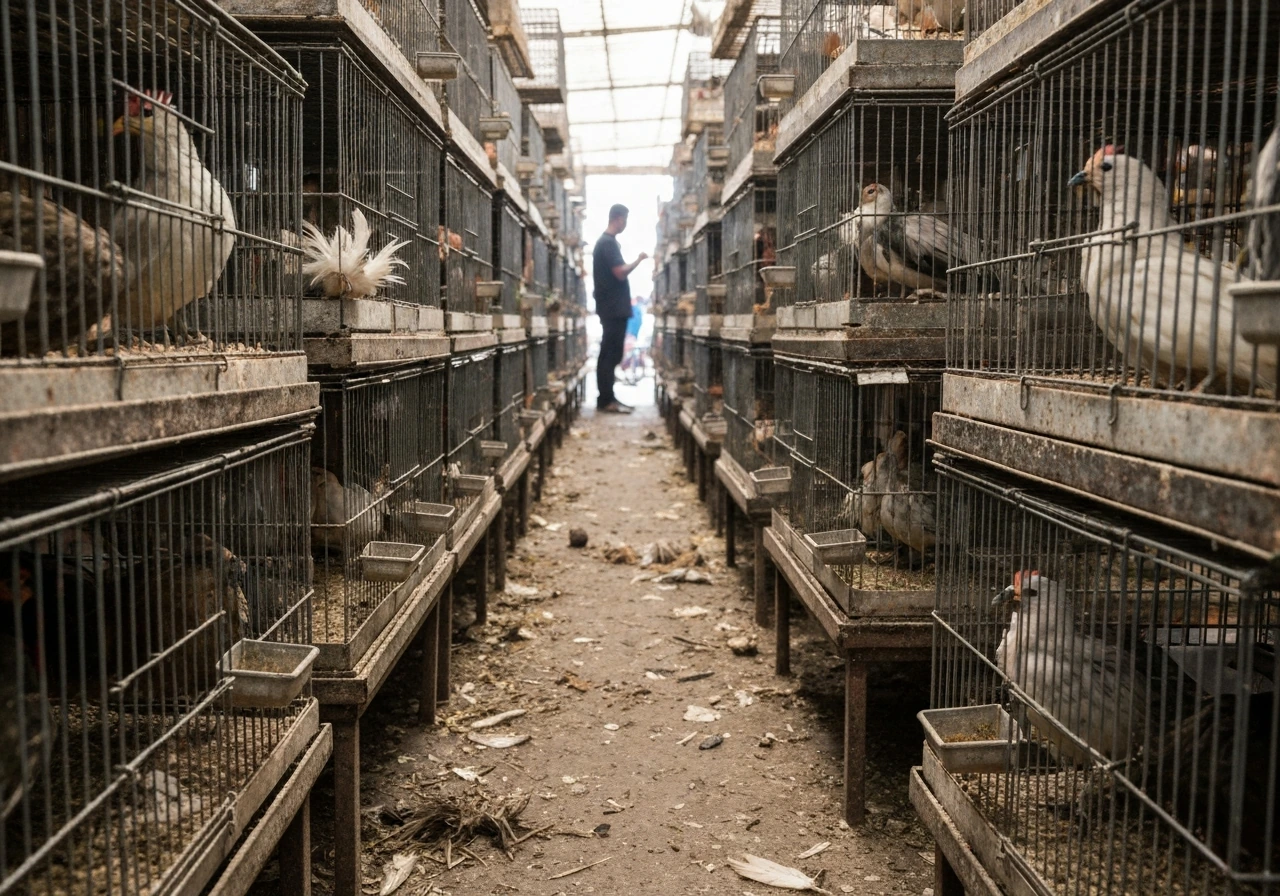
Most human cases have been linked to a fairly predictable set of situations. If you work in or visit any of these settings, your risk profile goes up.
- Live bird markets: Dense concentrations of birds from multiple sources, stressed and shedding virus heavily, with contaminated surfaces throughout.
- Poultry farms during an active outbreak: Infected flocks shed virus in saliva, nasal secretions, and feces. Workers who handle birds or clean facilities face the highest exposure.
- Slaughterhouses and processing plants: Slaughter and defeathering generate aerosols and contaminated splatter.
- Backyard flocks: People raising small numbers of chickens, ducks, or geese at home are often less protected than commercial workers and may not recognize illness in their birds early.
- Wild bird contact: Handling sick or dead wild birds, particularly waterfowl such as ducks and geese, which are natural reservoirs for influenza A viruses.
- Contaminated water sources: Waterways frequented by infected wild birds can carry the virus, posing risk to anyone who works with or around that water.
- Untreated raw milk and products from infected dairy cattle: An emerging concern in recent outbreaks has been exposure through unpasteurized dairy products from H5N1-positive herds.
Direct contact vs. contaminated materials: what the difference means for you
It helps to think about infection risk in two categories: direct contact and indirect (environmental) contact. Direct contact means you are handling a bird, touching its feathers, blood, or secretions, or being physically near it when it sheds virus. This is the higher-risk scenario because viral load is at its peak right at the source.
Indirect or environmental contact means the virus has already left the animal but is present on a surface, in fecal material, in contaminated water, or suspended in dusty air inside a barn or market stall. This still poses real risk, especially in enclosed, poorly ventilated spaces where aerosols linger. A farm worker who enters a coop to clean it, even hours after the birds were removed, can still inhale contaminated dust. The virus can survive on surfaces for hours at moderate temperatures, and longer in cold, damp conditions.
The practical takeaway: distance and barriers matter in both scenarios, but they are not interchangeable. Gloves help with surface contact but do not protect your airways. A well-fitted respirator protects your airways but does not prevent fomite transmission through ungloved hands. You need to address both pathways to actually reduce risk.
Situations and settings that put you at higher risk
Not all exposure is equal. Some situations concentrate risk in ways that make infection significantly more likely. If you need guidance on how to contract bird flu, focus on understanding the specific exposure routes and high-risk settings described in this section. Recognizing these helps you make better decisions in the moment.
| Situation | Why it raises risk | Risk level |
|---|---|---|
| Unprotected slaughter or processing of infected poultry | High aerosol and splatter generation, direct mucous membrane exposure | High |
| Handling sick or dead birds without PPE | Direct virus contact, no barrier between hands and face | High |
| Visiting live bird markets in areas with active outbreaks | Contaminated surfaces throughout, crowded birds shedding heavily | Moderate to High |
| Cleaning infected poultry housing without respiratory protection | Contaminated dust aerosolized during cleaning | Moderate to High |
| Contact with infected wild birds (ducks, geese, shorebirds) | Natural reservoir species, often appear healthy while shedding | Moderate |
| Consuming raw or undercooked poultry and eggs from an infected flock | Possible oral exposure to virus in uncooked material | Low to Moderate |
| Drinking unpasteurized milk from infected dairy cattle | H5N1 has been detected in raw milk from affected herds | Low to Moderate |
| Casual outdoor exposure near bird habitat, no direct animal contact | No significant direct exposure route | Very Low |
One thing that often gets overlooked: occupational exposure is the dominant pattern in human cases globally. If you do not work directly with poultry or live birds, your personal risk is genuinely very low. That does not mean zero, but it puts things in perspective.
What to do after a suspected exposure
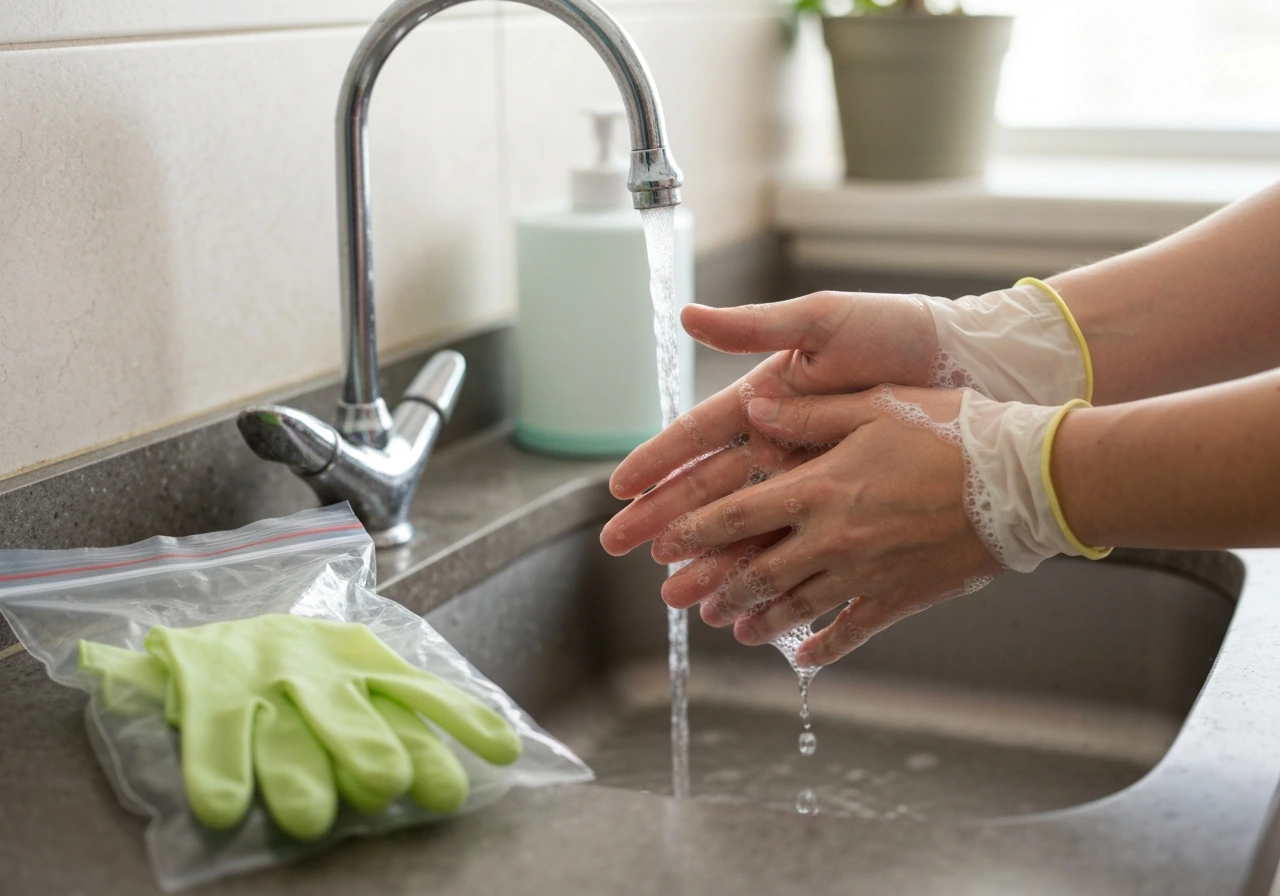
If you think you have been exposed to an infected bird, a contaminated environment, or someone who may have bird flu, take these steps immediately. To learn how to report bird flu or suspected cases, contact your local health authority and follow their instructions for notification and testing take these steps immediately. Do not wait for symptoms to develop before acting. CDC (archived FAQ) advises close contacts to monitor their health for 10 days after exposure for signs and symptoms of illness.
- Remove yourself from the exposure source and, if possible, move to fresh air away from the contaminated area.
- Wash your hands thoroughly with soap and water for at least 20 seconds. Wash your face and any other skin that may have been exposed.
- If virus material splashed into your eyes, flush them with clean water or saline immediately.
- Remove and bag any clothing that may be contaminated, and wash it separately at a high temperature.
- Contact your local or state health department as soon as possible to report the exposure. They will assess your risk and decide whether antiviral prophylaxis (preventive medication, usually oseltamivir/Tamiflu) is appropriate. Reporting exposure promptly is important because the window for effective prophylaxis is short.
- Monitor yourself for symptoms for 10 days after the last potential exposure. Bird flu symptoms in humans typically include fever (often above 100.4°F / 38°C), cough, sore throat, muscle aches, and in more severe cases, difficulty breathing or eye infection (conjunctivitis).
- If symptoms develop, contact a healthcare provider immediately and tell them about your exposure. Call ahead so they can take appropriate precautions before your arrival. Do not simply walk into an emergency room without alerting staff first.
The reason early contact with health authorities matters so much: antiviral medications like oseltamivir are most effective when started within 48 hours of symptom onset, and they can also be used as post-exposure prophylaxis before symptoms appear. Waiting to see if you get sick wastes the window when treatment is most effective.
Practical steps to reduce your risk today
Prevention is genuinely straightforward when you know what you are protecting against. The goal is to block the three transmission routes: aerosols, mucous membrane contact, and surface-to-face transfer.
For anyone who works with birds or visits high-risk environments
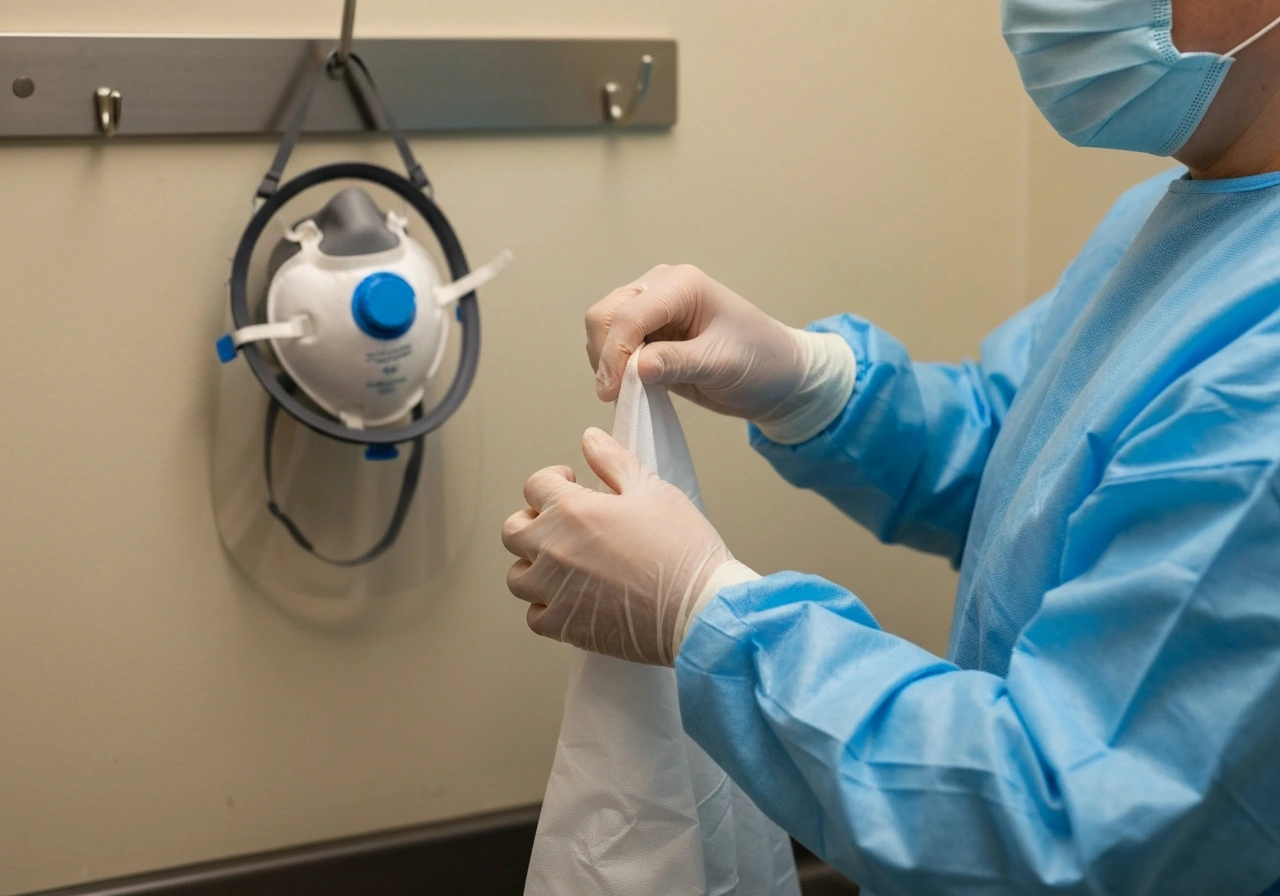
- Wear a properly fitted N95 respirator (or equivalent) when handling birds, cleaning poultry housing, or entering any area with known or suspected infection. A surgical mask is not enough in high-exposure situations.
- Use nitrile or rubber gloves when handling birds, eggs, feces, or contaminated equipment. Change gloves between tasks and never touch your face while gloved.
- Wear eye protection (goggles or a face shield) when aerosol or splatter is likely, particularly during slaughter or processing.
- Change out of work clothes before leaving the farm or facility, and shower as soon as possible.
- Use dedicated footwear for the work area and disinfect boots before leaving.
- Report sick or dead birds to your state veterinarian or the USDA Animal and Plant Health Inspection Service (APHIS) promptly. Early detection protects you and your flock.
- Follow biosecurity protocols strictly during active outbreaks in your region: limit visitor access, disinfect vehicles and equipment, and keep wild birds away from poultry areas where possible.
For the general public
- Avoid handling sick or dead wild birds. If you must move one (for example, from a public space), use gloves and a bag and wash your hands afterward.
- Cook poultry and eggs thoroughly. The virus is inactivated by heat: an internal temperature of 165°F (74°C) kills avian influenza viruses.
- Avoid raw or unpasteurized dairy products, especially during periods of active H5N1 circulation in dairy cattle.
- Wash your hands with soap and water after visiting farms, markets, or petting zoos that include birds.
- If you keep backyard poultry, monitor your flock for signs of illness (sudden deaths, respiratory distress, sharp drop in egg production) and report unusual events to your state vet.
- Stay informed through your local health department and the CDC about any active outbreaks in your region. The risk picture can change, and knowing what is circulating near you helps you make smarter decisions.
One final point worth keeping in mind: bird flu in humans remains rare precisely because the virus currently struggles to spread efficiently from person to person. WHO surveillance confirms that A(H5) viruses, including H5N1, have not gained the ability to sustain human-to-human transmission. That status is monitored continuously, and guidance can evolve. In addition to knowing how it spreads, it helps to know who tracks bird flu surveillance and updates for the public.
But right now, if you are not in direct contact with infected birds or heavily contaminated environments, your risk is very low. The practical steps above are not about panic, they are about being a sensible person who knows where the actual risks live and acts accordingly.
FAQ
If I touched a dead bird with bare hands, what should I do right away?
Treat it as a potential exposure to infectious secretions and virus on skin. Wash with soap and water immediately, avoid touching your eyes, nose, or mouth during cleanup, and use disposable gloves if you must handle anything further. Afterward, disinfect surfaces that the bird or cleanup materials contacted, and contact local public health or a clinician if the bird was confirmed or strongly suspected to be infected.
Can you catch bird flu from eating poultry or eggs?
Cooking greatly reduces risk because the virus is killed by proper cooking temperatures. The higher concern is handling raw poultry or raw bird products (or cross-contamination on surfaces) where hands, knives, or counters can transfer contaminated material to your face. Follow safe food handling, cook thoroughly, and avoid washing raw meat in a way that splashes onto surrounding surfaces.
How do I tell if my exposure was “direct” versus “environmental” when cleaning a barn or coop?
Direct exposure usually includes handling birds or their secretions, while environmental exposure includes breathing dust or aerosolized particles from feces, feathers, or contaminated bedding even if birds are gone. If you entered an enclosed area to scrub, sweep, or remove litter, you likely had environmental aerosol exposure, so respiratory protection and ventilation matter.
Do I need a full respirator, or is a surgical mask enough?
A well-fitted respirator provides better protection for inhalation of aerosolized particles than a loose surgical mask. If you are cleaning in an enclosed space with dusty conditions, prioritize fit and sealing on the airways. Improvised or poorly fitting masks may give a false sense of security.
Should I disinfect with bleach or something else if I touched contaminated surfaces?
Use a disinfectant appropriate for contaminated organic material and follow the product label for contact time, since wiping too quickly can leave viable virus. If there is heavy fecal contamination, remove solids first with safe cleanup tools, then disinfect. Wear gloves during both steps to prevent self-contamination.
What if I already washed my hands, do I still need medical advice?
Washing reduces risk, but it does not eliminate it if there was significant exposure to aerosols, splashes to mucous membranes, or prolonged time without protection. If exposure involved a confirmed infected bird, enclosed dusty cleanup, or any splash to eyes, nose, or mouth, contact public health or a clinician promptly for advice on monitoring and whether post-exposure antivirals are appropriate.
Is it ever too late to get antivirals after a possible exposure?
Antiviral medications like oseltamivir work best when started soon after symptoms begin, commonly within 48 hours. For exposures without symptoms, guidance may include post-exposure prophylaxis, but it depends on the specific risk level and timing. If you wait several days, prophylaxis decisions become much less likely to help, so acting quickly matters.
What symptoms should I watch for after an exposure?
Common concern symptoms include fever, cough, sore throat, shortness of breath, and other flu-like illness signs, especially if they appear after known bird or contaminated-environment contact. If you develop respiratory symptoms, contact a clinician and mention the exposure so testing and treatment decisions can be expedited.
Does glove use fully solve the risk during cleanup?
No. Gloves reduce surface contact risk but do not protect your airways. A common mistake is wearing gloves while still sweeping, breathing dusty air, or touching your face. Use gloves plus eye protection and appropriate respiratory protection if aerosol exposure is possible, and change gloves if they become visibly contaminated.
If someone in my household was exposed, do we need isolation from them?
Most cases are driven by bird or contaminated-environment exposure, not sustained person-to-person spread. However, if that person becomes symptomatic, seek medical evaluation and follow local public health instructions. Avoid close face-to-face contact and consider masking if recommended for symptomatic household members while the situation is assessed.
Can I get bird flu from pets, like cats or dogs that contacted wild birds?
Pets can have contaminated feathers, fur, or secretions on their bodies after contact with birds, creating surface and hand-to-face risks for you during cleaning. The pet itself may also become ill in certain scenarios. If you have concerns, avoid handling the pet’s secretions with bare hands, use gloves, and seek guidance from a veterinarian or public health authority.
How should I manage my risk if I work with poultry regularly?
Occupational exposures are a major pattern. Use a layered approach: barrier PPE for skin and face, eye and airway protection suited to dust and aerosols, ventilation when working in enclosed barns, and strict hygiene and change-out practices for contaminated clothing. Report any suspected infected birds to your workplace and local veterinary or public health channels so response and testing can occur quickly.
Next Article
How to Contract Bird Flu: Real Infection Risks and Next Steps
How humans get bird flu from infected birds or poultry settings, real exposure risk factors, and immediate next steps.