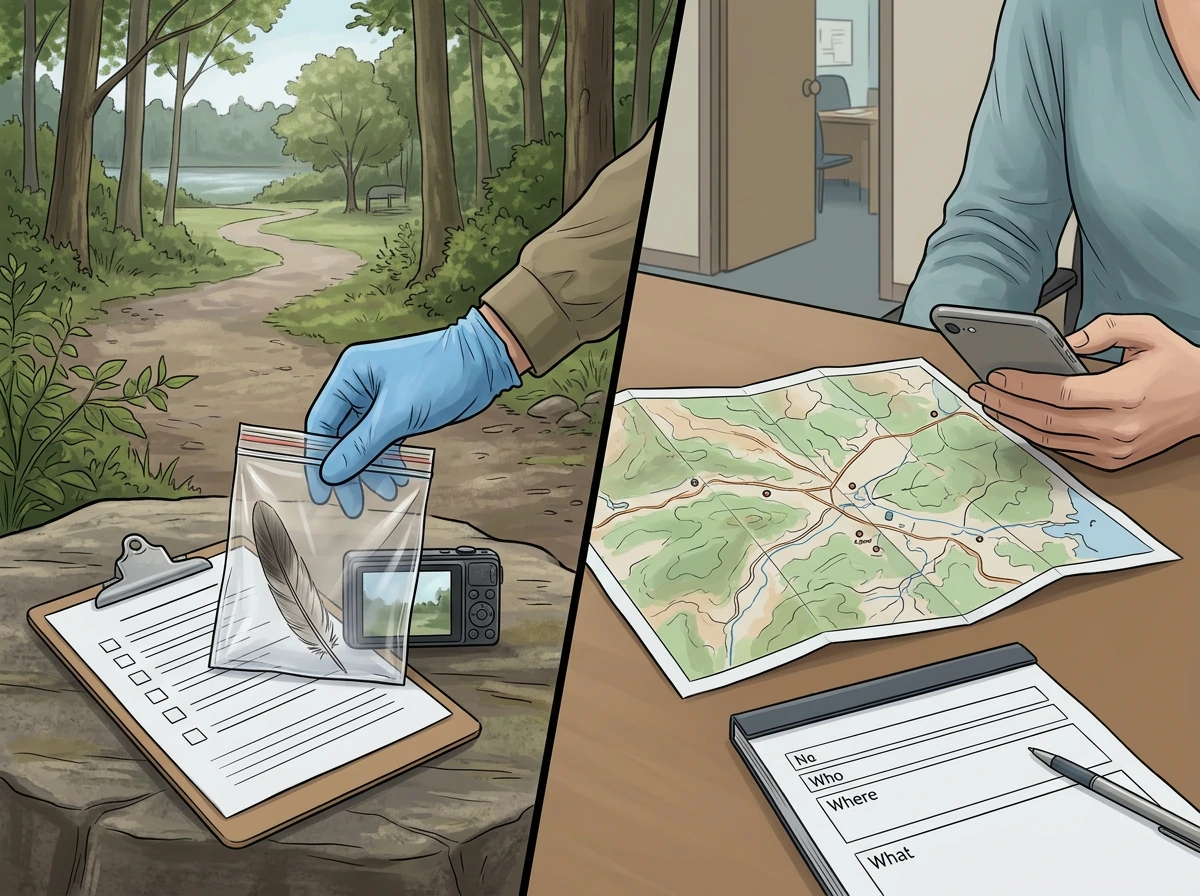
You get bird flu by coming into close, unprotected contact with infected birds or animals, or with environments those animals have contaminated. That is the short answer. The virus does not spread easily to people, and casual, everyday exposure to birds in a park or backyard does not put most people at meaningful risk. But if you work on a farm, handle poultry, or have recently been around sick or dead birds, the picture is different, and it is worth understanding exactly how transmission happens so you can act accordingly.
How Can You Get Bird Flu From Birds and What to Do

Sarah Chen
22 Mar 2026
How people catch bird flu
Bird flu, or avian influenza, is caused by influenza A viruses that circulate naturally in wild birds. The strain getting the most attention right now is H5N1, a highly pathogenic avian influenza (HPAI) virus. 'Highly pathogenic' refers to how severely it affects birds, not automatically to how dangerous it is for people, though H5N1 has caused serious illness in humans who were infected.
The core mechanism of infection is the same as with most respiratory viruses: the virus enters your body through your eyes, nose, or mouth. What makes bird flu different from seasonal flu is that it does not spread efficiently from person to person. Almost every human case on record traces back to a specific animal or environmental exposure. That means your personal risk is largely a product of what you do and where you go, which is actually good news, because those things are controllable.
The CDC is direct about this: having unprotected exposure to any infected animal, or to an environment where infected birds or other infected animals are or have recently been present, raises your risk of infection. That framing matters because it shifts the focus beyond just touching a sick bird. The environment itself, surfaces, water, bedding, equipment, can carry the virus.
How you get bird flu from birds

Direct contact with infected birds is the most well-documented exposure route. This includes birds that are visibly sick, birds that have recently died, and birds that appear healthy but are shedding the virus. Infected birds shed H5N1 in their saliva, mucus, and feces in large quantities. If any of that material gets onto your hands and you then touch your face, or if it splashes near your eyes or mouth, you have a genuine exposure pathway.
The ECDC identifies direct and unprotected exposure to potentially infected poultry or wild birds, and their bodily fluids including feces and blood, as the most likely source of infection for humans. That is not just a technicality. People who cull infected flocks, collect eggs from affected barns, or handle dead birds without proper protective equipment have ended up infected. The virus does not need a deep wound or prolonged contact. A splash of contaminated fluid near your face can be enough.
Wild birds, particularly waterfowl like ducks and geese, are natural reservoirs for avian influenza viruses. They often carry and shed the virus without showing symptoms, which makes them harder to identify as a risk. If you handle a wild bird, especially one you found sick or dead, treat it as potentially infected.
What else can give you bird flu besides direct contact
This is where a lot of people get surprised. You do not have to physically handle an infected bird to be exposed. Contaminated environments are a real and recognized transmission route. The WHO lists exposure to contaminated environments, such as live bird markets, as a primary risk factor alongside direct animal contact. When infected birds shed virus into their surroundings, that virus can persist on surfaces, in water troughs, on equipment, and in the air inside enclosed spaces.
Airborne transmission within enclosed, heavily contaminated environments, like a poultry barn with an active outbreak, is considered a plausible route for short-range exposure. This is distinct from the kind of airborne spread that makes a disease pandemic-level contagious. You are not going to catch H5N1 walking past a chicken farm outdoors. But someone spending time inside a contaminated barn without respiratory protection faces a different risk profile.
Raw milk from infected dairy cattle has also emerged as a concern, particularly given confirmed H5N1 detections in dairy herds in the United States. Drinking raw, unpasteurized milk from an infected animal is a potential exposure route. Pasteurization kills the virus, so commercially processed milk is safe. This is a good example of why the exposure question goes beyond birds specifically.
Situations that put you at real risk
Not all exposures are equal. Here is a practical breakdown of the situations that carry the most risk, based on what public health agencies actually track and respond to.
Farms and poultry operations
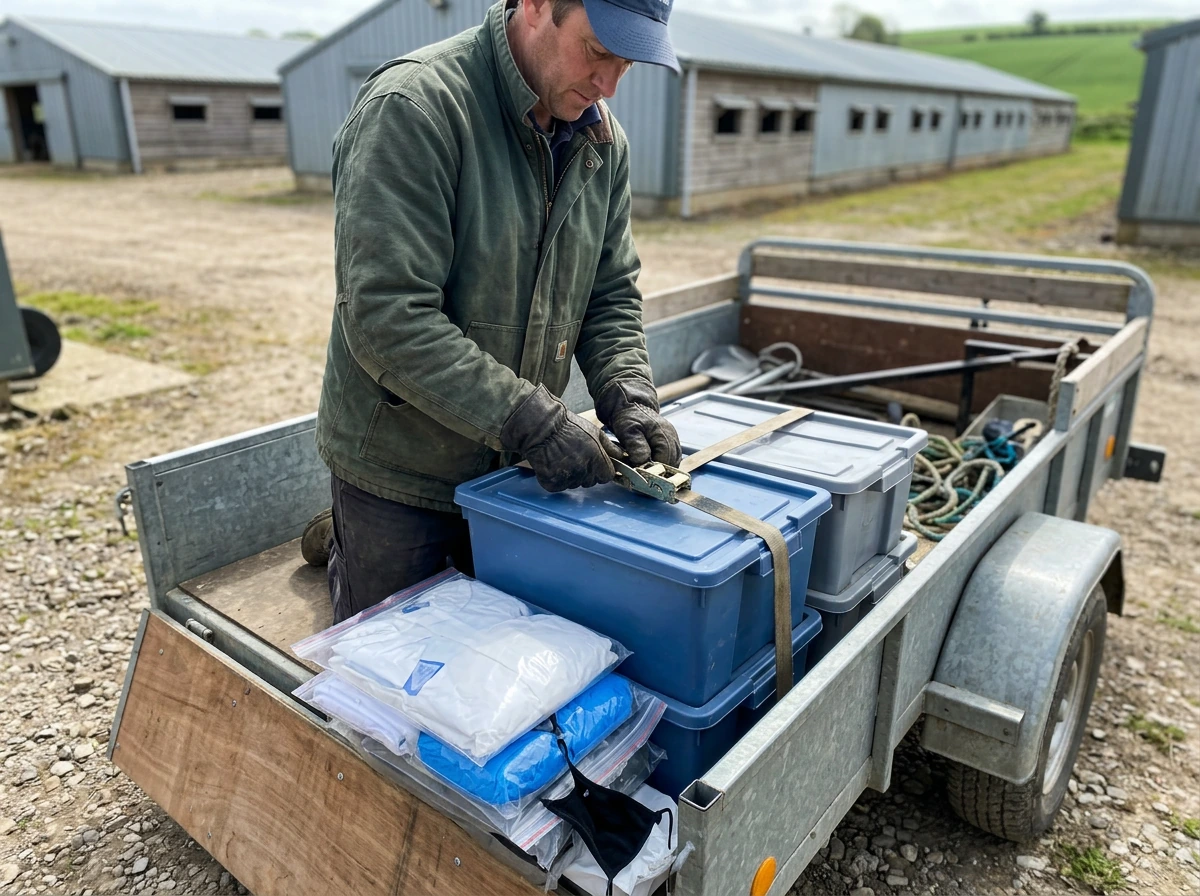
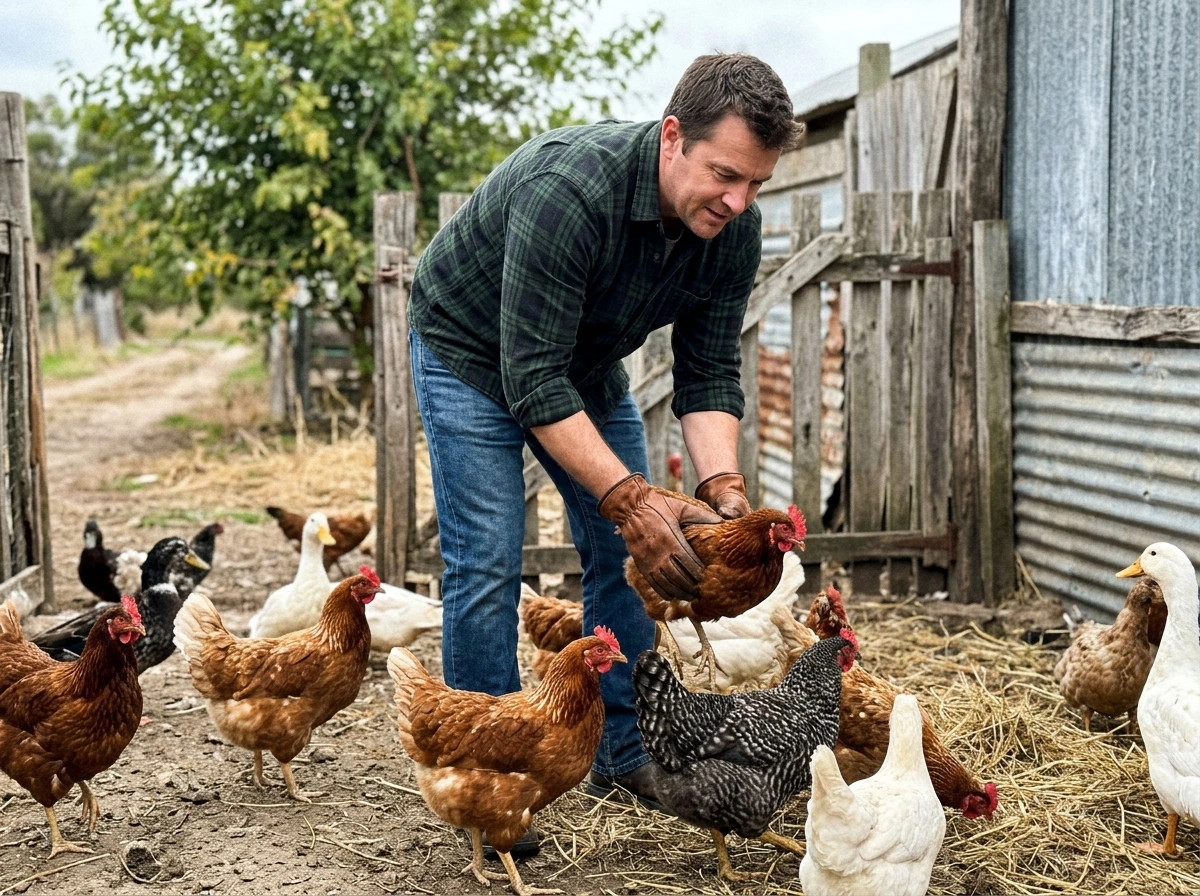
Poultry farm workers and people involved in culling operations are in the highest-risk category. If a flock tests positive for H5N1, everyone who enters that environment, handles birds, removes carcasses, or cleans equipment is potentially exposed. This is why public health agencies monitor farm workers closely and why protective equipment (PPE) is not optional in these situations. If you work in this setting and have not been briefed on current protocols, that is the first thing to address with your employer or local agricultural health authority.
Handling sick or dead birds
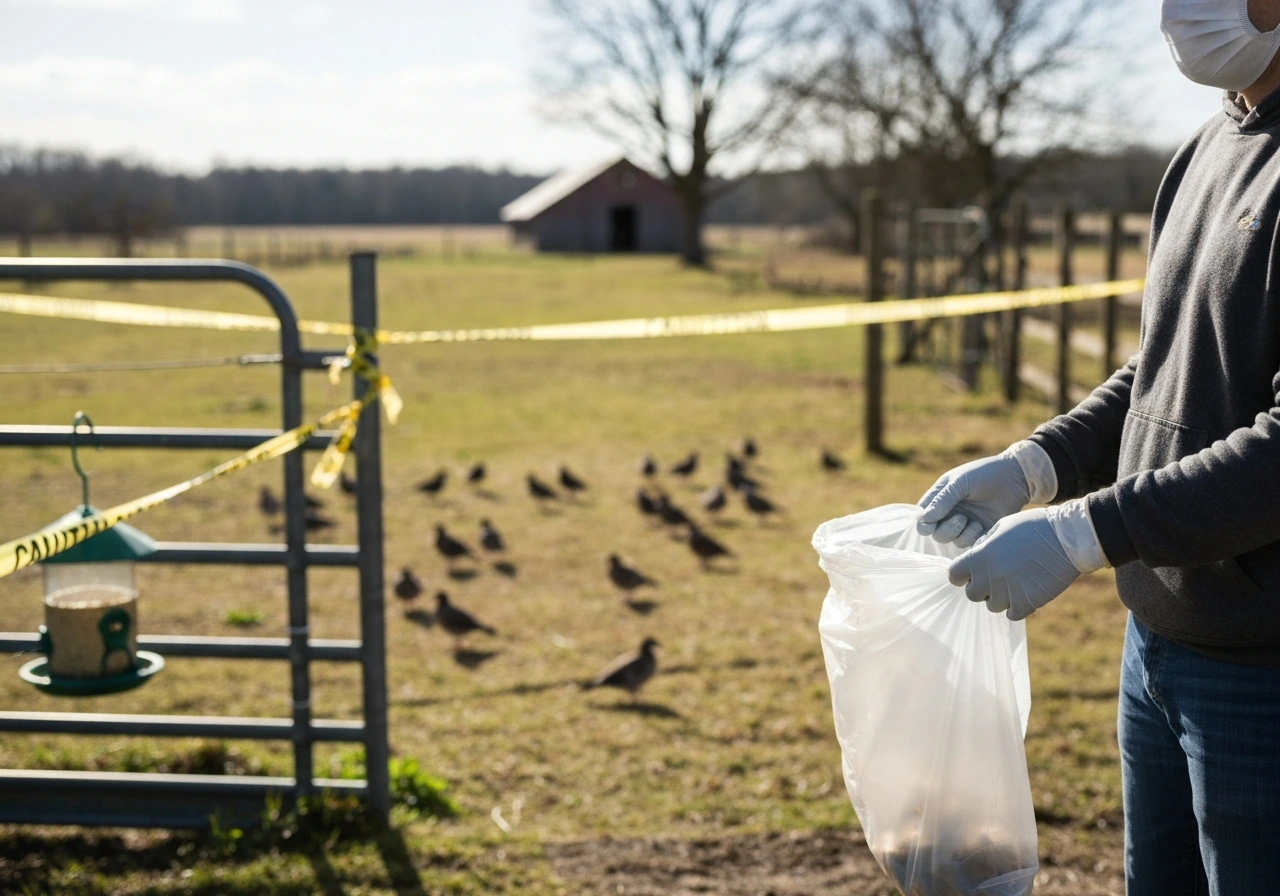
Finding a dead bird in your yard or encountering one that looks obviously sick is unsettling but happens. The risk from a single dead bird in a low-outbreak area is low for the general public, but you should not handle it with bare hands regardless. Use gloves or a plastic bag inverted over your hand, avoid letting the bird near your face, and wash your hands thoroughly afterward. If you find multiple dead birds, especially waterfowl like ducks or geese, report it to your state wildlife or agriculture agency. If you need to, follow your local health department or wildlife agency guidelines for how to report bird flu exposure in your area report it to your state wildlife or agriculture agency. That is exactly the kind of pattern that surveillance systems are designed to catch.
Contaminated surfaces and water
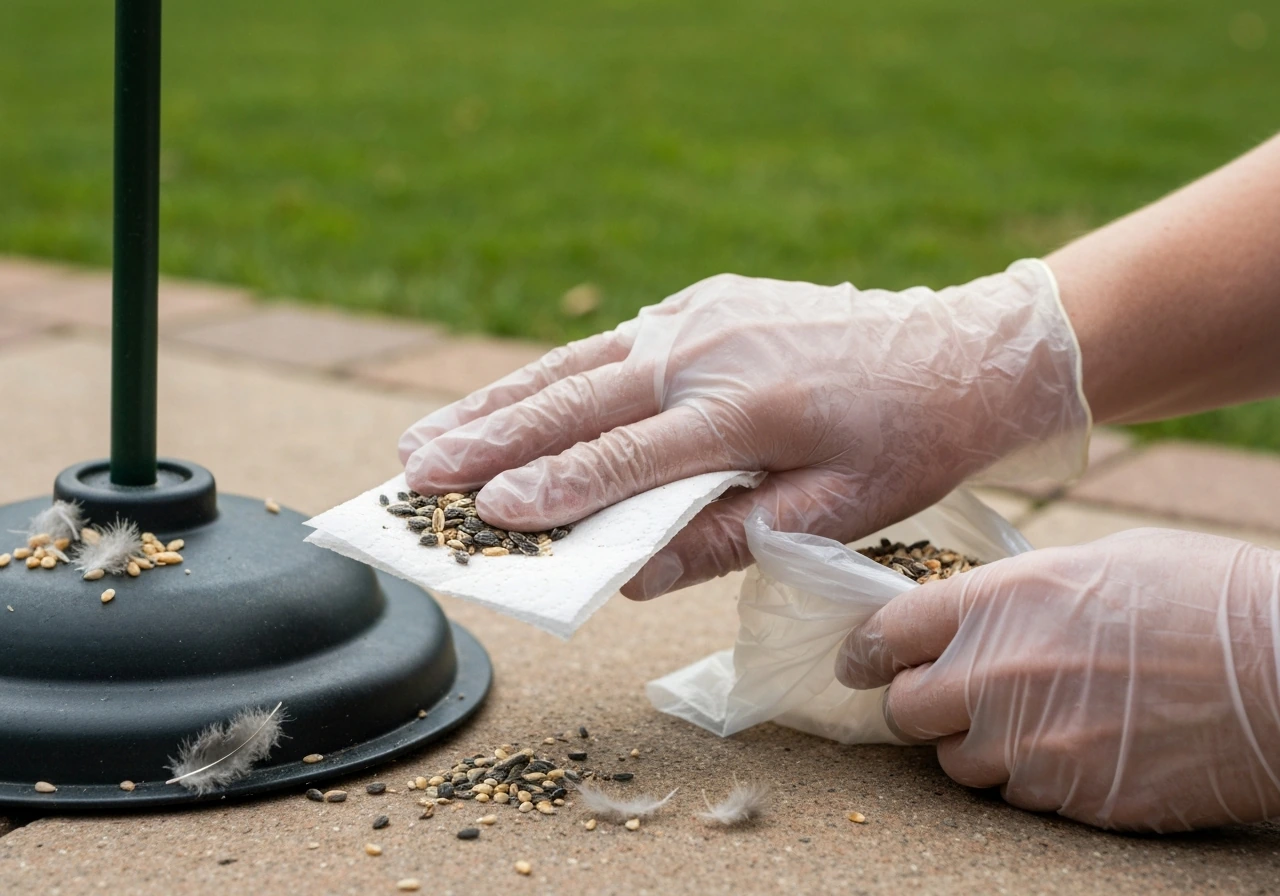
Surfaces that infected birds have been in contact with, things like cages, feeders, water sources, tools, and even clothing worn in a contaminated area, can carry live virus. The CDC notes that contaminated fluids and surfaces are a recognized exposure pathway. In its transmission document, the CDC explains that contaminated fluids and surfaces are a recognized way bird flu can spread to people contaminated fluids and surfaces are a recognized exposure pathway. If you have been in a space where infected birds were housed, what you touched and what you wore matters. Change clothes, wash them separately, and clean equipment before using it elsewhere.
Live bird markets
Live bird markets are flagged by the WHO as a specific high-risk environment for avian influenza exposure. These settings concentrate many birds of different species, sometimes in poor sanitation conditions, which creates ideal conditions for virus spread and human exposure. If you visit one, especially in a region with known circulation of avian influenza, minimize direct contact with birds and surfaces, and wash hands immediately after leaving.
Reducing your risk right now
If you are not a farm worker or someone with regular bird contact, your everyday risk is genuinely low. But there are practical steps anyone can take, and for higher-risk individuals, these steps are not optional.
| Situation | What to do | What to avoid |
|---|---|---|
| Found a sick or dead wild bird | Use gloves or a bag; report clusters to wildlife authorities; wash hands well | Handling bare-handed; letting it near your face; ignoring multiple dead birds |
| Visiting or working on a poultry farm | Follow all site PPE requirements; change clothes before leaving; monitor for symptoms for 10 days | Entering infected areas without respiratory and eye protection; skipping hand hygiene |
| Live bird market visit | Minimize surface and bird contact; wash hands immediately after leaving | Touching your face before washing hands; handling birds unnecessarily |
| Handling raw poultry from the store | Normal food safety: wash hands, use separate cutting boards, cook to 165°F (74°C) | Eating undercooked poultry; cross-contaminating kitchen surfaces |
| Raw milk consumption | Drink only pasteurized milk; avoid raw dairy products during active H5N1 outbreaks in dairy herds | Drinking raw unpasteurized milk from potentially affected herds |
| Backyard flock keeper | Monitor your flock for unusual illness or death; report sudden die-offs; use biosecurity measures | Bringing in new birds without quarantine; mixing flock with wild bird contact zones |
For farm workers and others with occupational exposure, the practical do's go further. Wear a well-fitted respirator (N95 or better), goggles or a face shield, gloves, and coveralls when working with potentially infected animals or in contaminated spaces. These are not overcautions. They are the measures that distinguish monitored, managed exposure from unprotected exposure that leads to infection.
If you think you were exposed: what to do and when to get help
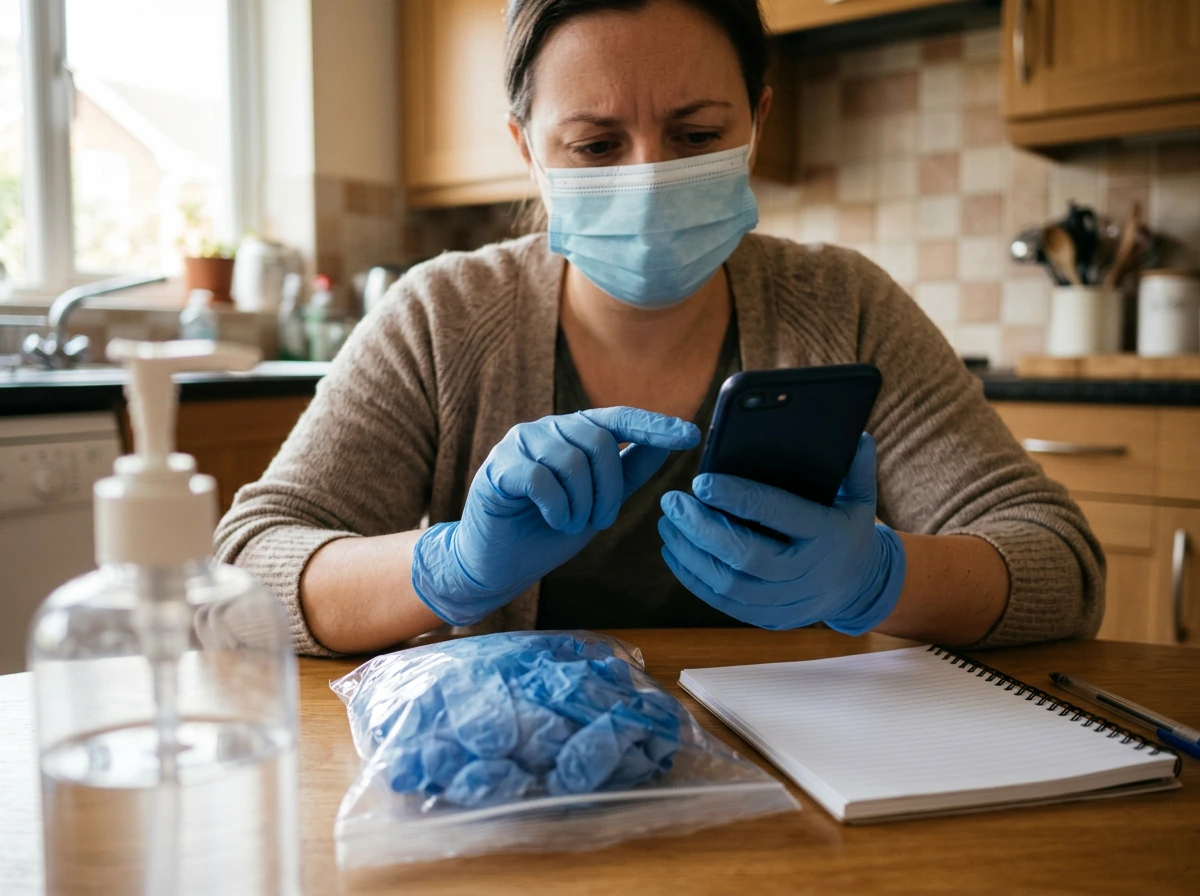
If you had an unprotected exposure to sick or dead birds, infected animals, or a confirmed outbreak environment, do not wait for symptoms to appear before taking action. Public health agencies recommend a monitoring period of 10 days from the last exposure. During that window, check your temperature twice daily and watch for symptoms including fever above 100.4°F (38°C), cough, sore throat, shortness of breath, eye redness or discharge (conjunctivitis), and muscle aches.
Call your doctor or local health department before you show up in person. Let them know about the exposure before you arrive so they can prepare appropriately. This is important both for your care and for preventing any potential spread. If it turns out to be standard flu or a cold, no harm done. If it is bird flu, early antiviral treatment with oseltamivir (Tamiflu) can make a significant difference in outcome, and it works best when started quickly.
If your symptoms come on fast and are severe, including difficulty breathing, chest pain, or confusion, seek emergency care immediately and tell them about your bird or animal exposure. Do not downplay it. Clinicians can only connect the dots if you give them the full picture.
You can also contact your state or local health department directly. They coordinate with the CDC on bird flu monitoring and can guide you through the process of getting tested and, if needed, treated. If you want a clear plan for treatment, the first step is to get tested as soon as possible after exposure monitoring and can guide you through the process of getting tested. If you are a farm worker, your employer should also have a reporting chain in place. If they do not, that is a gap worth flagging. Knowing how to report bird flu exposure is part of the broader system that keeps outbreaks contained, and it is a step that protects both you and the people around you.
The bottom line here is practical: bird flu is not something most people need to worry about in their daily lives. But if your work, your location, or a specific incident has put you in a higher-risk situation, the right response is to pay attention, take basic precautions seriously, and not hesitate to contact a health professional. Acting early is always better than waiting to see if things get worse.
FAQ
How can you get bird flu at home if you never touch birds?
Exposure can still happen if contaminated material gets to your eyes, nose, or mouth. For example, if you enter a space where birds are housed (or you wear clothing that was used around infected birds), virus-laden dust or splashes on surfaces can be transferred when you later touch your face. The key prevention step is to change clothes after any farm or barn visit and wash hands before eating or touching your face.
Is it possible to get bird flu from a live healthy-looking bird?
Yes, because shedding can occur even when birds look normal. The practical takeaway is to treat any bird that could have been in an outbreak area as potentially infectious, use gloves if you must handle it, avoid bringing the bird close to your face, and sanitize hands and any tools afterward.
Can you get bird flu from bird droppings you find outside?
Potentially, especially if droppings are recent and you disturb them in a way that creates splashes or aerosolized debris in an enclosed space. Avoid dry sweeping. Use appropriate wet cleaning methods, wear gloves, and keep the area ventilated, then wash hands thoroughly after cleanup.
What is the biggest mistake people make when they find a dead bird?
Handling it bare-handed or bringing it close to their face, then touching their eyes, nose, or mouth. Even for a low-probability situation, the safer approach is to use gloves or a bag as a barrier, avoid splashing, and wash hands immediately after removing the bird and any contaminated items.
If I visited a live bird market, what should I do afterward?
Minimize face-touching and clean up quickly. Wash hands with soap and water right after leaving, avoid eating beforehand, and if you wore outer clothing that contacted bird enclosures, change clothes and wash them. If you developed symptoms within the monitoring window, call a clinician and mention the market exposure.
Does cooking or eating poultry prevent bird flu infection?
Cooking properly reduces risk, but the main exposure concern in bird flu is contamination during handling, such as raw birds or contaminated surfaces, followed by face-touching. If you handle poultry, use separate utensils, prevent cross-contamination in the kitchen, and wash hands and surfaces thoroughly after handling raw meat or eggs.
Can bird flu spread through the air in normal outdoor situations?
Outdoors, risk is generally much lower because the virus is not sustained in the air the way it can be inside enclosed, heavily contaminated spaces. A higher concern is spending extended time in an enclosed barn or poultry setting during an active outbreak without respiratory protection.
If I was exposed, when should I contact a doctor?
Contact them promptly, ideally before symptoms start, if the exposure was unprotected and significant, such as handling sick or dead birds, culling, or being in a confirmed outbreak environment. Early antiviral treatment can matter if bird flu is diagnosed, so time-to-treatment is a practical reason to reach out during the monitoring period.
Do I need testing if I have mild cold symptoms after bird exposure?
Not every mild illness will require the same response, but you should inform clinicians about the exposure because it changes what they consider. Your clinician can decide whether testing is appropriate and whether treatment is warranted, taking into account timing (within about 10 days of exposure) and your symptoms.
How should I handle exposure if I’m not sure whether I touched contaminated material?
When in doubt, treat it as a potential exposure if there was a plausible pathway to your face, such as splashes, contaminated gloves, or contact with surfaces you then touched near your eyes or mouth. Focus on immediate prevention steps (wash hands, avoid face-touching, change contaminated clothing) and then contact local health officials if the situation involved a known outbreak or heavy contamination.
Is raw milk the only dairy-related risk?
Raw, unpasteurized milk is the main dairy exposure that has been highlighted, but the broader caution is not consuming unpasteurized products from animals that may be infected. If you work with dairy cattle or were around a herd with confirmed detections, also consider that contaminated environments and protective practices around milking areas may be relevant, not just drinking.
Next Article
How to Report Bird Flu: Who, Where, and What to Share
Step-by-step bird flu reporting: who to call, where to report, and what details to share fast to get routed correctly.