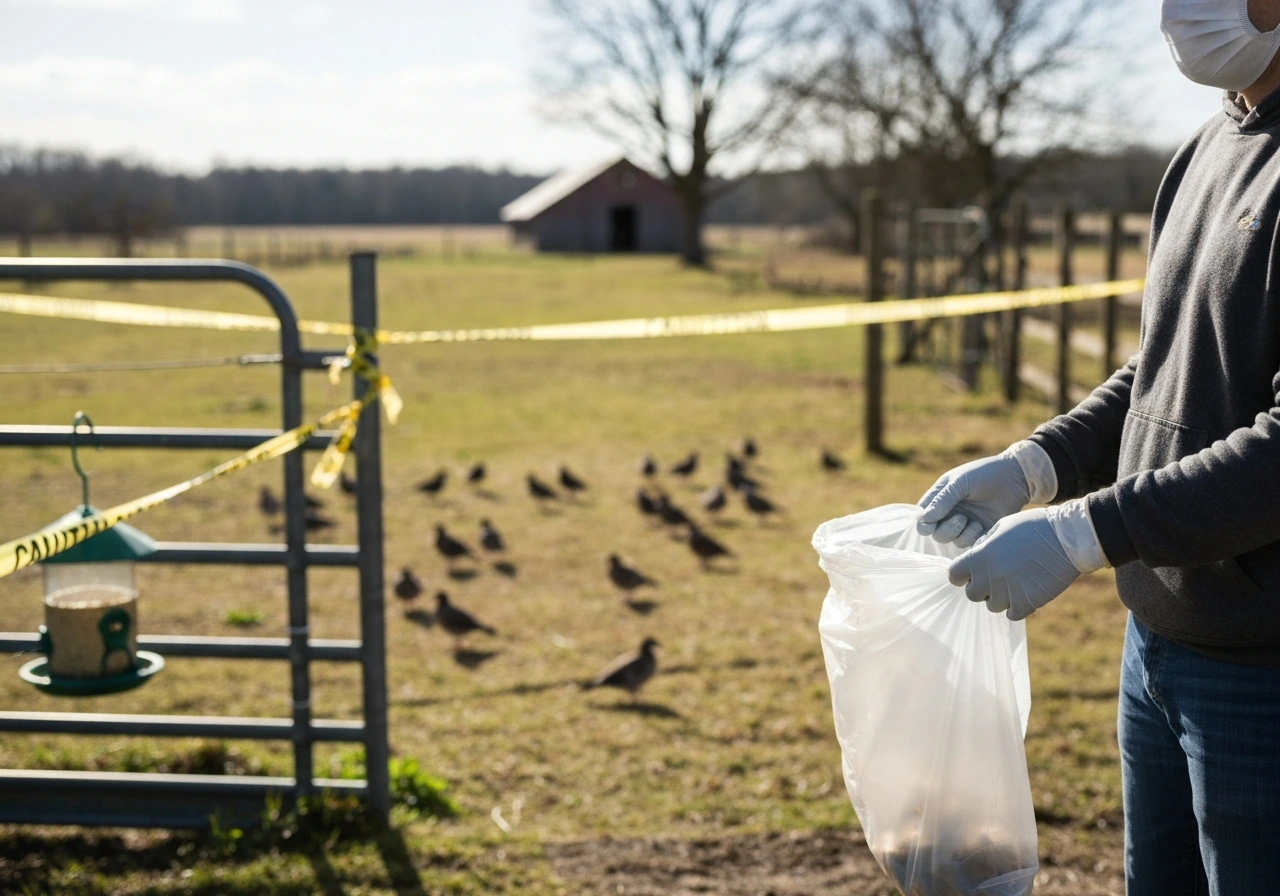
Bird flu (avian influenza) does not spread easily to humans, but it can and does happen under specific, well-documented circumstances. If you're searching for how people actually contract it, you're in the right place. The real infection routes are direct contact with infected birds, their secretions, or contaminated environments, and the risk is closely tied to how close, how long, and how unprotected that contact was. Here's what the medical evidence actually says, what situations are genuinely dangerous, and what you should do right now if you think you've been exposed.
How to Contract Bird Flu: Real Infection Risks and Next Steps

Sarah Chen
22 Mar 2026
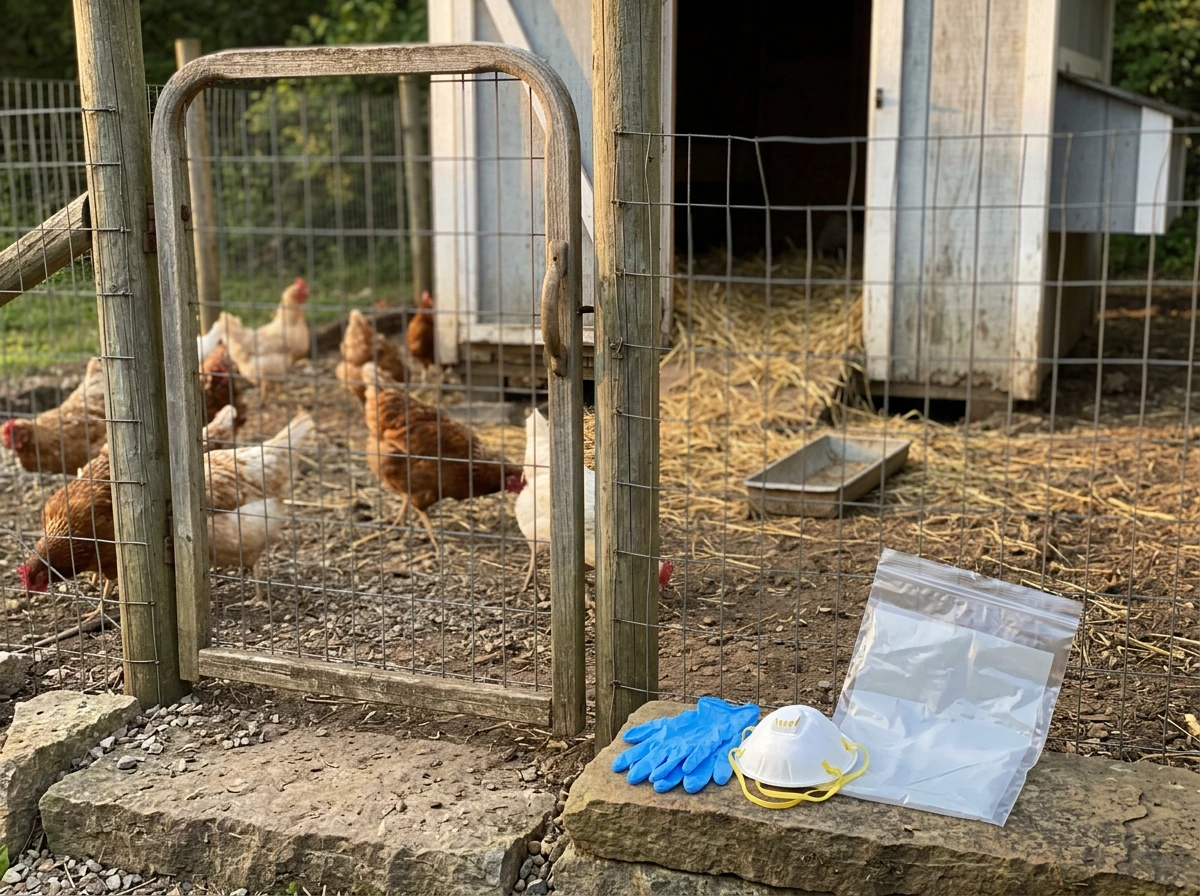
How bird flu actually spreads to humans
The vast majority of human cases have one thing in common: direct, close contact with infected birds or environments heavily contaminated with bird secretions. If you are asking how do you catch bird flu, focus on the same high-risk pattern: direct, close contact with infected birds or environments contaminated with bird secretions. According to OSHA and WHO, the primary routes include touching infected live or dead poultry with bare hands, handling bird blood, mucus, or feces, and contact with surfaces or objects (cages, equipment, bedding) that carry the virus. Respiratory exposure is also a concern, specifically inhaling infectious aerosols or fine particles from contaminated environments, which is why enclosed poultry spaces like coops and processing plants carry elevated risk.
Human-to-human transmission has occurred in rare cases, but only with prolonged, close, unprotected contact with a symptomatic person, and it has never sustained into wider community spread. As of today, WHO confirms that sustained human-to-human transmission has not been identified anywhere in the world. That's an important distinction: bird flu spreads from birds to people, not reliably from person to person.
CDC defines a high-risk close contact with a confirmed human case as being within 6 feet in an enclosed space (like a room or vehicle) for a prolonged period without respiratory and eye protection, or having direct contact with that person's infectious secretions. The same unprotected-exposure principle applies to animal contact: the longer and closer the exposure without PPE, the higher your risk.
High-risk situations and exposures to know about
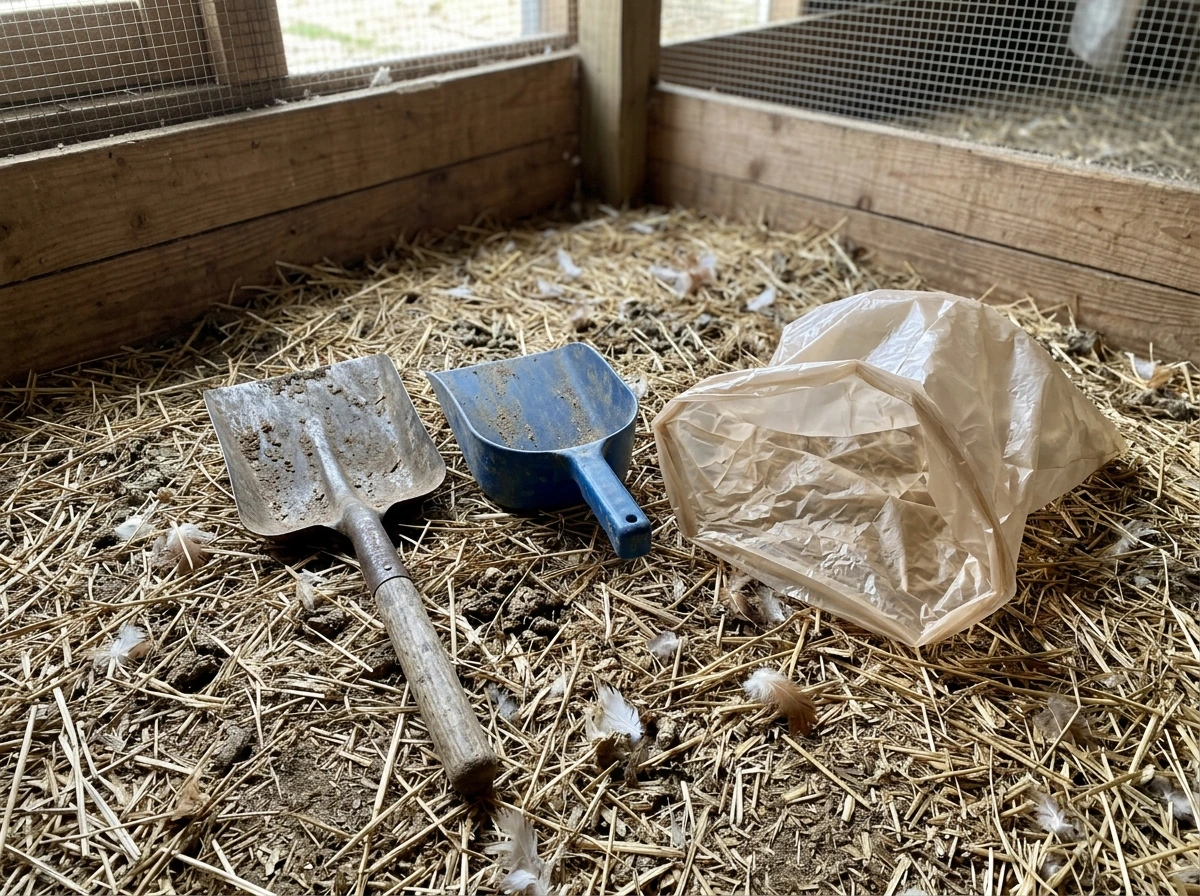
Not all bird contact carries equal risk. The following situations are where human infections have actually been linked, and where you need to be most careful.
- Handling sick or dead poultry (chickens, ducks, turkeys) on farms or backyard flocks, especially without gloves or a mask
- Working in or visiting live bird markets, poultry processing plants, or slaughterhouses during an active outbreak
- Picking up or disposing of sick or dead wild birds, particularly waterfowl, without protective barriers
- Entering barns, coops, or enclosed structures where sick or dead birds are present and aerosols may be concentrated
- Direct contact with bird feces, feathers, saliva, mucus, or blood without hand protection
- Consuming raw or unpasteurized milk from animals in infected herds (raw milk from infected dairy cattle has been identified as a concern in recent U.S. outbreaks)
- Backyard poultry farming with direct daily handling of birds, especially during a regional outbreak
CDC specifically calls out backyard poultry farmers and wild bird or waterfowl hunters as populations with elevated exposure risk because of their routine animal contact. If you fall into either group and a bird flu outbreak has been confirmed in your area, that is the time to be most careful about your handling practices.
What actually does NOT spread bird flu (myths vs. real routes)
There's a lot of anxiety around bird flu, and some of it is misdirected. Clearing up the myths helps you focus your caution where it actually matters.
| Myth / Common Fear | What the Evidence Actually Shows |
|---|---|
| You can get bird flu from eating chicken or eggs | Properly cooked poultry and eggs are safe. Heat kills the virus. Health officials, including the CDC and USDA, confirm that fully cooked food is not a transmission risk. |
| Walking past birds in a park will infect you | Casual, brief outdoor contact with apparently healthy birds carries very low risk. Infections require close, direct, or prolonged contact with sick or dead birds or heavily contaminated environments. |
| Bird flu spreads easily from person to person | It does not. Sustained human-to-human transmission has never been documented. Very limited spread has occurred only in specific close, prolonged, unprotected household contacts. |
| Any contact with bird droppings is dangerous | Risk depends on intensity. Accidentally stepping near droppings outdoors is very different from handling contaminated bedding or litter with bare hands in an enclosed space. |
| You need to worry if a bird flew near you | Flying birds passing at a distance are not a meaningful exposure. Direct contact with sick or dead birds and their secretions is what drives actual human cases. |
The core principle is this: risk is driven by the intensity, duration, and proximity of contact with infected animals or their secretions, and by whether you had any protective barriers in place. Casual or incidental exposure is not in the same category as working hands-on with sick or dead birds in an enclosed space.
What to do immediately after a possible exposure
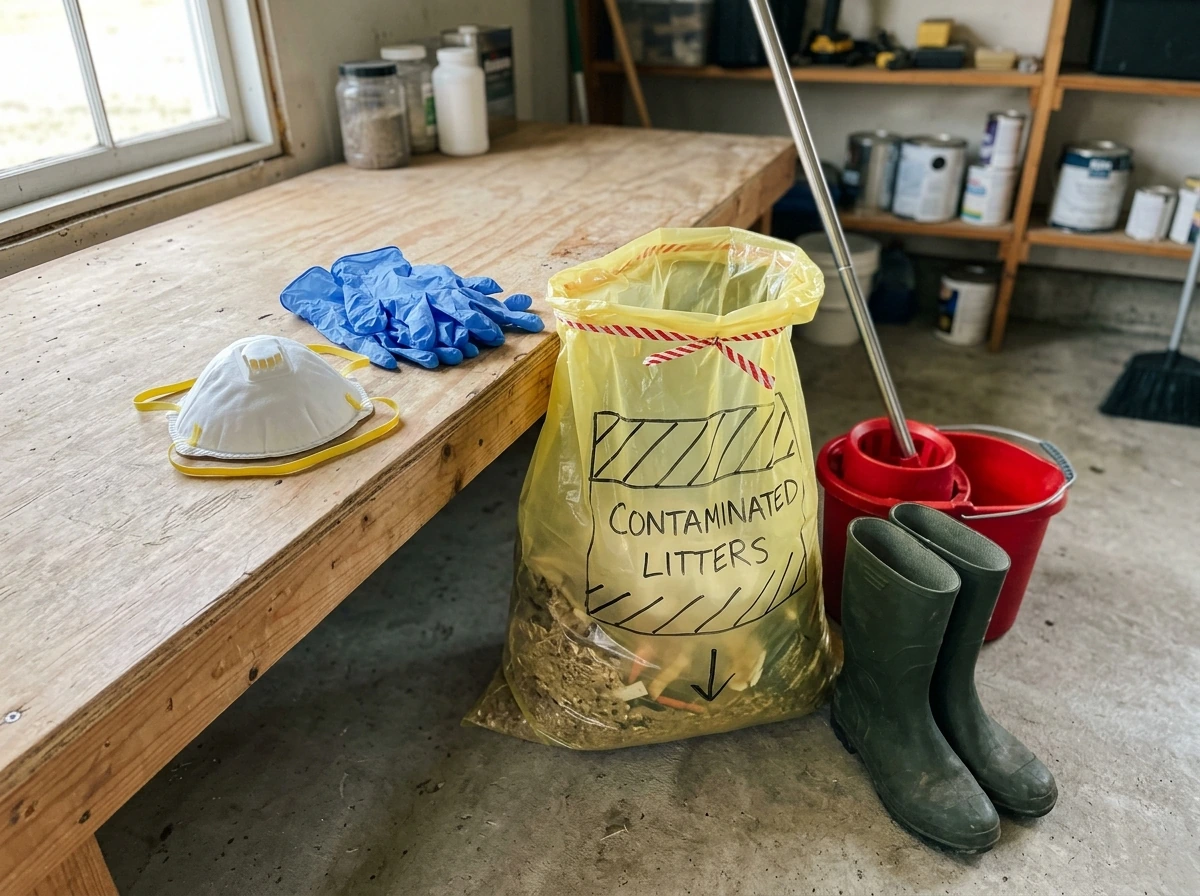
If you've had what sounds like a real exposure (you handled a sick or dead bird without gloves, you worked in a contaminated environment, or you had direct contact with infected secretions), here's what to do right now. If you want to understand the process in plain terms, see guidance on how do you catch bird flu.
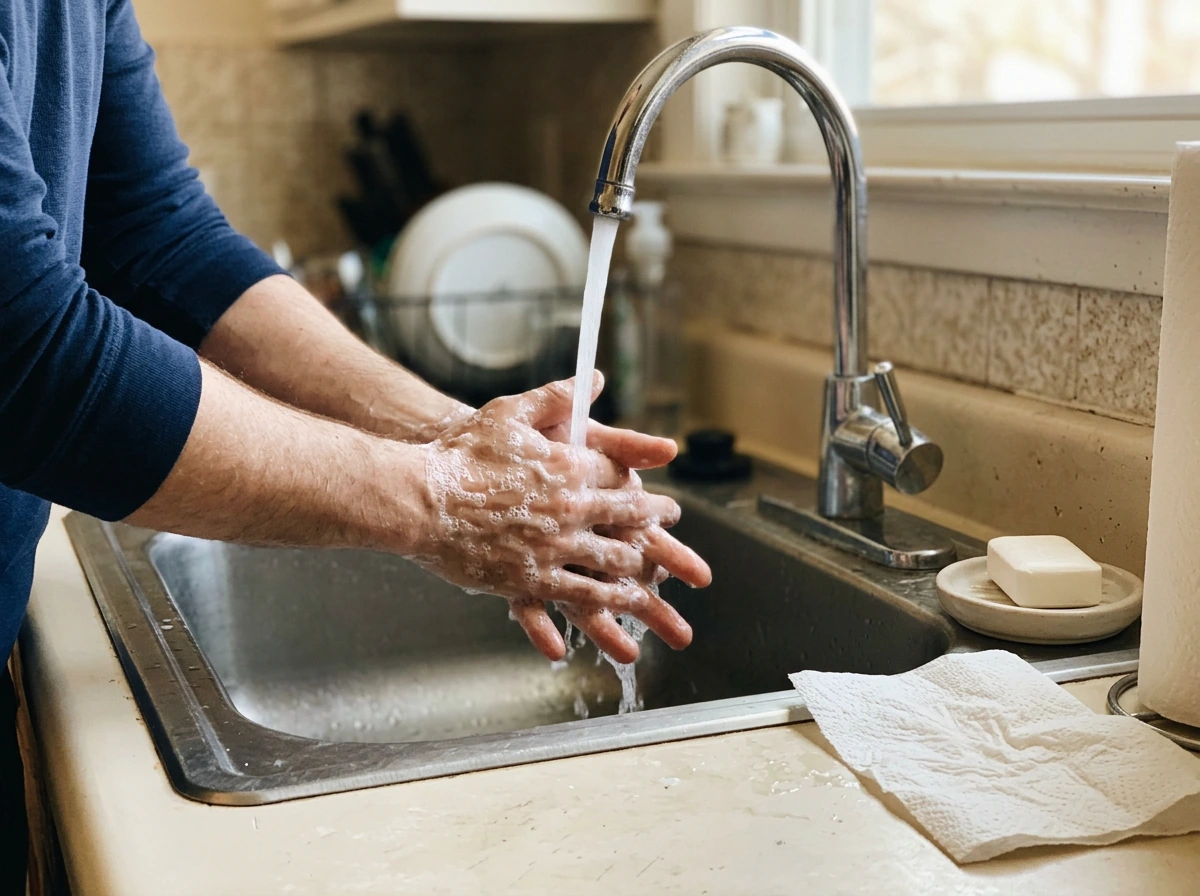
- Wash your hands thoroughly with soap and water for at least 20 seconds. If soap and water aren't immediately available, use an alcohol-based hand sanitizer as a stopgap, but wash with soap and water as soon as you can.
- Avoid touching your face, eyes, nose, or mouth before washing up, as those are the entry points for respiratory viruses.
- Remove and bag any clothing that had direct contact with the bird or contaminated materials, and wash those items separately.
- Contact your local public health department or a healthcare provider right away. Don't wait to see if symptoms develop first. Canada's public health guidance and California's CDPH both advise immediate contact for exposure assessment and recommendations.
- Tell them specifically: what you were exposed to (species of bird, live or dead, sick or healthy in appearance), how long you were in contact, whether you wore any protective equipment, and when the exposure happened.
- Ask about monitoring instructions. Public health may recommend a 10-day symptom monitoring period following exposure, during which you check daily for fever, respiratory symptoms, or eye redness.
- Do not self-medicate with antivirals without guidance. Antiviral treatment decisions (such as whether oseltamivir/Tamiflu is warranted) should be made by a clinician based on your specific exposure.
If you're unsure whether your local health department handles this kind of call, they do. This is exactly what public health exposure assessments are for, and you won't be overreacting by calling. If you're still trying to understand how can you get bird flu, a public health exposure assessment can also clarify whether your situation fits a known risk pathway. Knowing who tracks bird flu in your area can also help you reach the right people quickly.
Symptoms to watch for and when to get tested
Bird flu symptoms overlap significantly with seasonal flu and COVID-19, which is why your exposure history matters so much when you call a doctor or health department. On their own, the symptoms don't point uniquely to avian influenza, but combined with a known exposure, they become medically significant.
Mild to moderate symptoms (call your provider)
- Eye redness or conjunctivitis (this has been the predominant symptom in many recent U.S. H5N1 cases)
- Fever
- Cough, sore throat, runny nose, or nasal congestion
- Fatigue or body aches
- Headache
Moderate to severe symptoms (seek care immediately)
- Shortness of breath or difficulty breathing
- Chest pain or pressure
- Rapid worsening of any respiratory symptoms
- Confusion or altered mental state
The incubation period for bird flu is typically 3 to 5 days after exposure, though it can extend up to 7 to 10 days. That's the window during which you should be monitoring yourself carefully if you had a meaningful exposure. If symptoms develop during that period and you've already reported your exposure, contact your provider or health department again right away, because prompt evaluation, testing, and treatment (if needed) are most effective when started early.
If you think you might have bird flu, knowing the right steps to take and when to get tested is critical, so don't delay that call. If you think you may have bird flu, follow the next steps for testing and getting medical guidance as soon as possible what to do if you think you have bird flu.
Before calling or going to a clinic, call ahead and tell them about your potential bird flu exposure. This lets them prepare appropriately so you're not sitting in a waiting room exposing others to what could be an influenza infection of any kind.
How to actually reduce your risk going forward
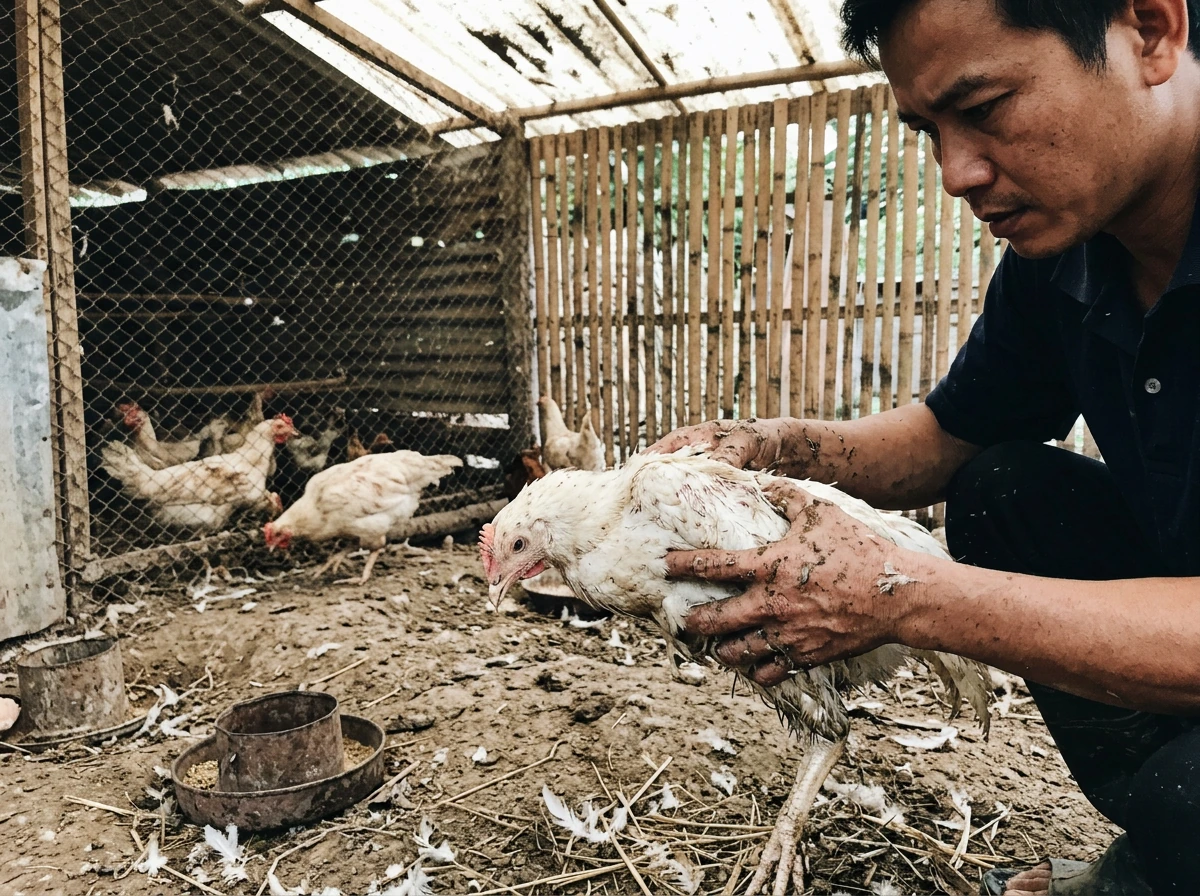
Prevention comes down to one principle: minimize unprotected direct contact with potentially infected birds, their secretions, and contaminated environments. Here's what that looks like in practice across different situations.
For backyard flock owners and poultry workers
- Wear nitrile or rubber gloves when handling birds, cleaning coops, or working with litter, feces, and bedding
- Use a well-fitted N95 respirator (or equivalent filtering facepiece respirator) when working in enclosed spaces with birds, especially during any outbreak in your region
- Add eye protection (goggles or a face shield) when there's potential for splashing secretions or when birds are visibly sick
- Do not eat, drink, smoke, vape, or chew gum while working with birds or contaminated materials
- Wash hands with soap and water for 20 seconds immediately after any contact with birds, feces, equipment, or raw eggs
- Change and bag work clothes before entering your home, and wash them separately
- Report any unusual bird deaths or sickness in your flock to your state or local agricultural authority immediately
For hunters and people who handle wild birds
- Wear gloves when field dressing waterfowl or other wild birds
- Do not handle birds that appear sick or were found dead unless you have appropriate PPE and a reason to do so (such as reporting to wildlife authorities)
- Wash hands thoroughly after any handling, and clean all tools and surfaces used during processing
- Cook wild game birds to an internal temperature of at least 165°F (74°C)
For the general public encountering dead or sick birds
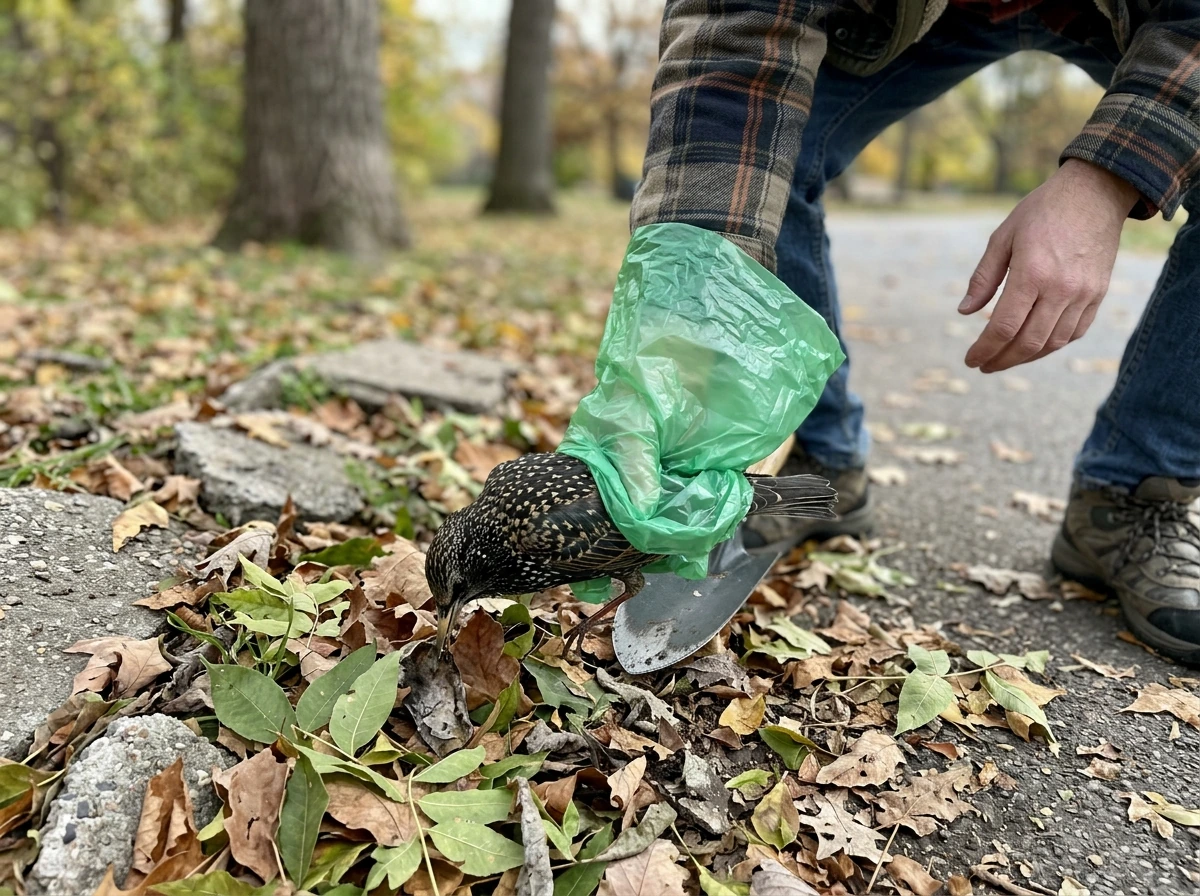
- Do not pick up sick or dead birds with bare hands. Use a plastic bag inverted over your hand, a shovel, or other tool to create a barrier
- If you cannot avoid contact, wash hands immediately with soap and water afterward
- Avoid touching your face, eyes, or mouth before washing
- If you find multiple dead birds in the same area, report it to your local wildlife or public health authority rather than handling them yourself
- Avoid visiting live bird markets in areas with active outbreaks if you don't need to be there
PPE makes a measurable difference. CDC's risk assessments explicitly state that increased PPE use decreases the likelihood of exposure for workers in direct contact with animals and their secretions. You don't need elaborate equipment for most situations, but gloves and handwashing are genuinely protective, not just precautionary theater. If you're in a high-exposure role, a respirator and eye protection add another meaningful layer of protection, especially in enclosed spaces where aerosols may accumulate. CDC provides workplace PPE selection guidance for avian influenza A viruses, including advice about respirators and the fact that some workers may not be able to properly wear or seal a respirator a respirator and eye protection.
The bottom line is that bird flu infection in humans is tied almost entirely to specific, high-intensity exposures. Understanding the real routes, taking straightforward precautions, and acting quickly after any potential exposure are the three things that matter most. If you've already had an exposure that concerns you, make that call to your health department today, don't wait for symptoms to show up first. OSHA’s standards guidance notes that there is no single OSHA standard specifically covering avian influenza, but the General Duty Clause and other applicable PPE and respiratory protection requirements may apply depending on the situation.
FAQ
If I touched a bird cage or coop materials but never handled the bird itself, do I still count that as an exposure?
Yes, indirectly contaminated surfaces can be risky, especially if you touched bedding, equipment, or areas with visible or likely bird secretions, then touched your eyes, nose, or mouth. The key details to tell public health are how long you were in the space, whether the area was enclosed, and whether you wore gloves and did handwashing right after.
What should I do if my exposure involved no gloves, but the bird was only “possibly sick” or I am not sure it was bird flu?
Treat the uncertainty as a reason to report the contact anyway. Public health teams decide on risk level based on facts (where the bird came from, local outbreak status, whether secretions were involved) rather than on your confidence. If you reported the exposure, call back again if symptoms start during the 3 to 10 day window.
Does washing my hands immediately after contact eliminate the risk?
It greatly lowers risk for the main contact route, especially for secretions on your skin. However, it does not fully address exposures like inhaling particles in enclosed spaces, or if you touched your face before washing. When you call, include whether you entered a coop or handling area and whether you were wearing eye or respiratory protection.
I handled a dead bird and wore gloves, but I later removed the gloves and touched my phone or doorknob. Is that a meaningful problem?
Potentially. Glove removal can transfer contamination to hands, and afterward touching items can spread material to surfaces that later contact your face. Mention glove use, whether you sanitized or washed immediately after doffing, and any face-touching before cleanup.
What if the bird contact happened outdoors, not in a coop or processing area?
Outdoor exposure is often lower than enclosed-space exposure, because airflow reduces accumulation of fine particles. Still, risk increases if you had prolonged close contact, worked with birds directly, or encountered heavy contamination (for example, cleaning down areas with visible feces or mucus). Report duration and how close you were during work.
If someone in my household got sick after bird exposure, should I worry about person-to-person spread?
Human-to-human transmission has been rare and requires prolonged close unprotected contact with an infected symptomatic person. If your household contact is symptomatic, you should focus on notifying clinicians about both the person’s symptoms and the shared exposure history, and use standard respiratory precautions while awaiting guidance.
How quickly should I call health services after a possible bird flu exposure?
Call as soon as you can once you realize the exposure was meaningful, especially if it involved enclosed handling, secretions, or lack of PPE. Early reporting helps public health decide on testing and monitoring in the 3 to 10 day incubation window, rather than waiting for symptoms to become severe.
If I call a clinic, do I need to isolate myself before the appointment?
Yes, you should take precautions immediately, because bird flu symptoms overlap with other respiratory illnesses. Before you go, call ahead and follow their instructions, bring a mask if recommended, and avoid waiting rooms if they can evaluate you in a different way.
My symptoms started 12 days after exposure. Does that rule out bird flu?
It makes bird flu less likely than when symptoms start in the typical 3 to 5 day range, but it does not automatically rule it out. Incubation can extend up to about 7 to 10 days, so at 12 days you should still report the exposure, but also prioritize evaluation for other causes, like seasonal flu or COVID-19.
If I had contact with wild birds, how do I explain the exposure clearly?
Use a short, factual timeline: date and duration of contact, whether birds were sick or dead, whether you touched blood or feces, whether the area was enclosed, and what PPE you used (gloves, eye protection, respirator). This helps determine if the exposure was close and prolonged enough to be treated as higher risk.
Next Article
How Can You Get Bird Flu From Birds and What to Do
Learn how bird flu spreads from infected birds and contaminated areas, plus immediate steps to reduce risk and when to g