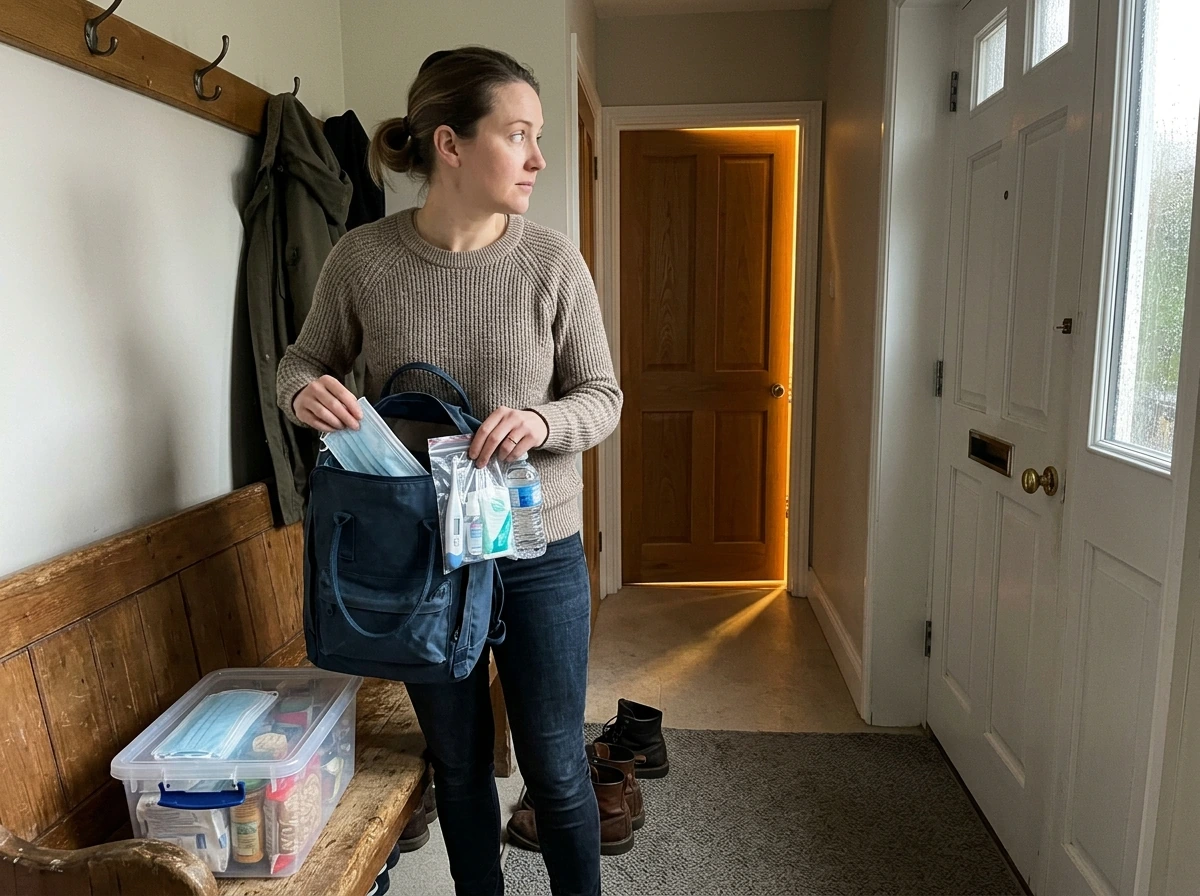
If you're looking at sick or dead birds right now and wondering whether this is bird flu, here's the short answer: stop, don't touch anything, and report it today. The reporting process is faster and simpler than most people expect, but the right contacts depend on whether you're dealing with wild birds, backyard or farm poultry, or a possible human exposure. This guide walks you through every scenario so you can make the right call in the next few minutes.
How to Report Bird Flu: Who, Where, and What to Share

Sarah Chen
22 Mar 2026
When should you actually report it?
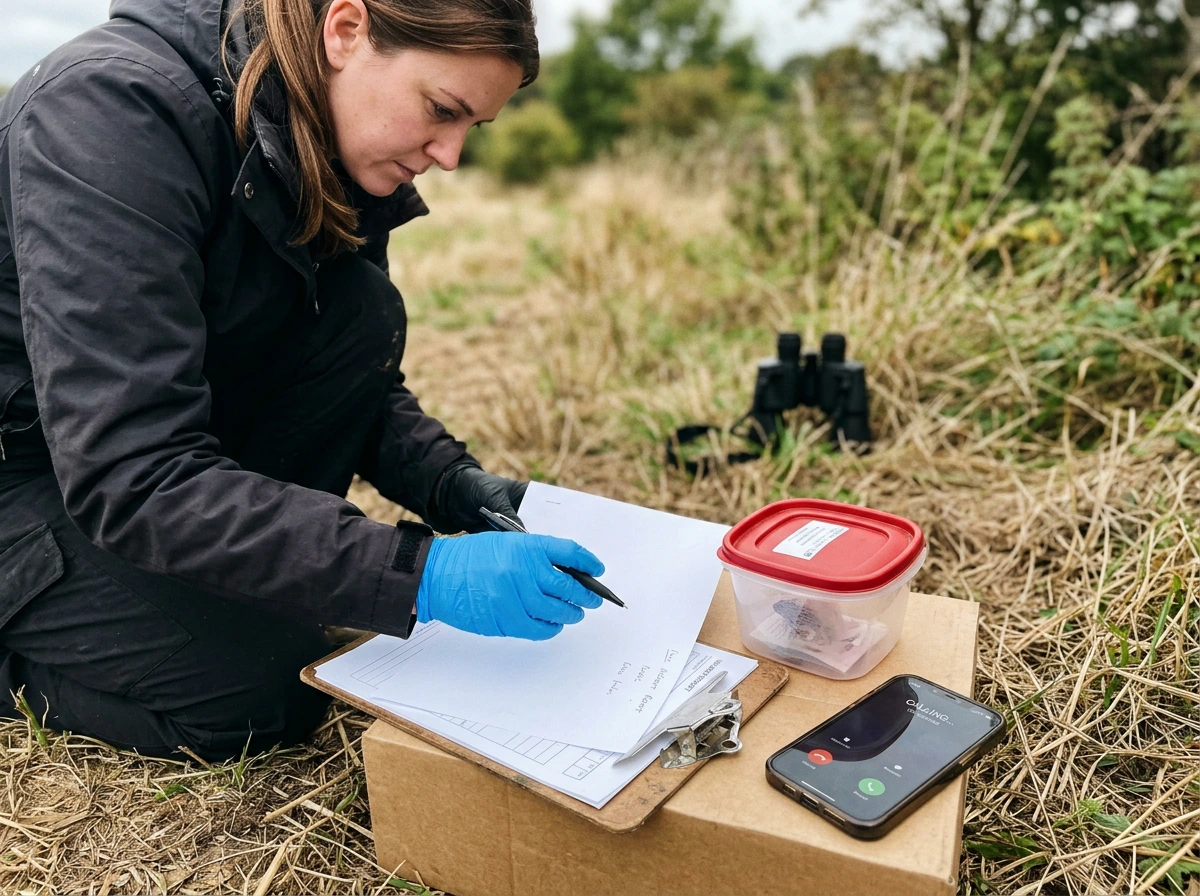
You don't need a confirmed diagnosis to report. Suspicion is enough, and that's intentional. Authorities want early reports because avian influenza (bird flu) spreads fast in flocks and wild populations, and wild birds can carry the virus without looking sick at all. Waiting for certainty costs critical response time.
Run through these quick checks. If any of them apply, report the same day:
- You found one or more dead wild birds with no obvious cause (trauma, predator attack, etc.), especially waterfowl, shorebirds, or raptors.
- Multiple birds in the same area are sick or dying within a short time window.
- Your backyard flock, farm flock, or any commercial poultry operation has unexplained deaths or a sudden drop in egg production.
- You (or someone you know) had direct contact with sick or dead birds and are now experiencing fever, cough, or eye redness (conjunctivitis). These are the human symptoms CDC has documented in confirmed cases.
- You're in or near a known outbreak area and noticed anything unusual with local birds.
One important framing note: you don't need to be a farmer or wildlife professional to report. Any member of the public who spots an unusual bird die-off should call it in. The U.S. Fish and Wildlife Service explicitly says to report bird mortalities to your state wildlife agency immediately so they can investigate and test. That's a public responsibility, not just a professional one.
Who handles bird flu reports?
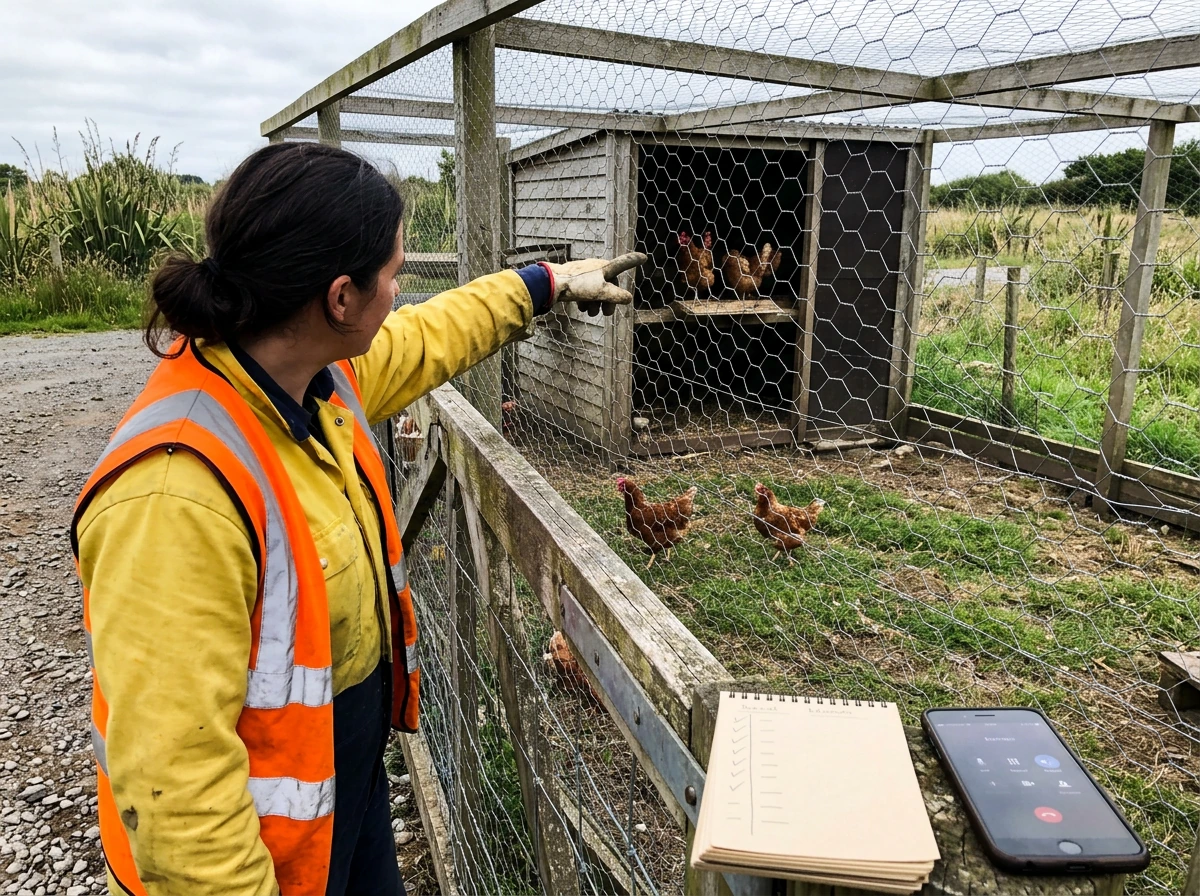
There's no single national hotline that covers everything, so understanding which agency handles which scenario saves you time. The system is split roughly into three lanes: wild birds, domestic/farm birds, and human health concerns.
Wild birds
Your state wildlife management agency (sometimes called the state Department of Natural Resources or Fish and Wildlife) is your first call for sick or dead wild birds. They coordinate with the U.S. Fish and Wildlife Service for federal surveillance and can dispatch trained responders to collect samples without you needing to touch anything.
Domestic and farm birds
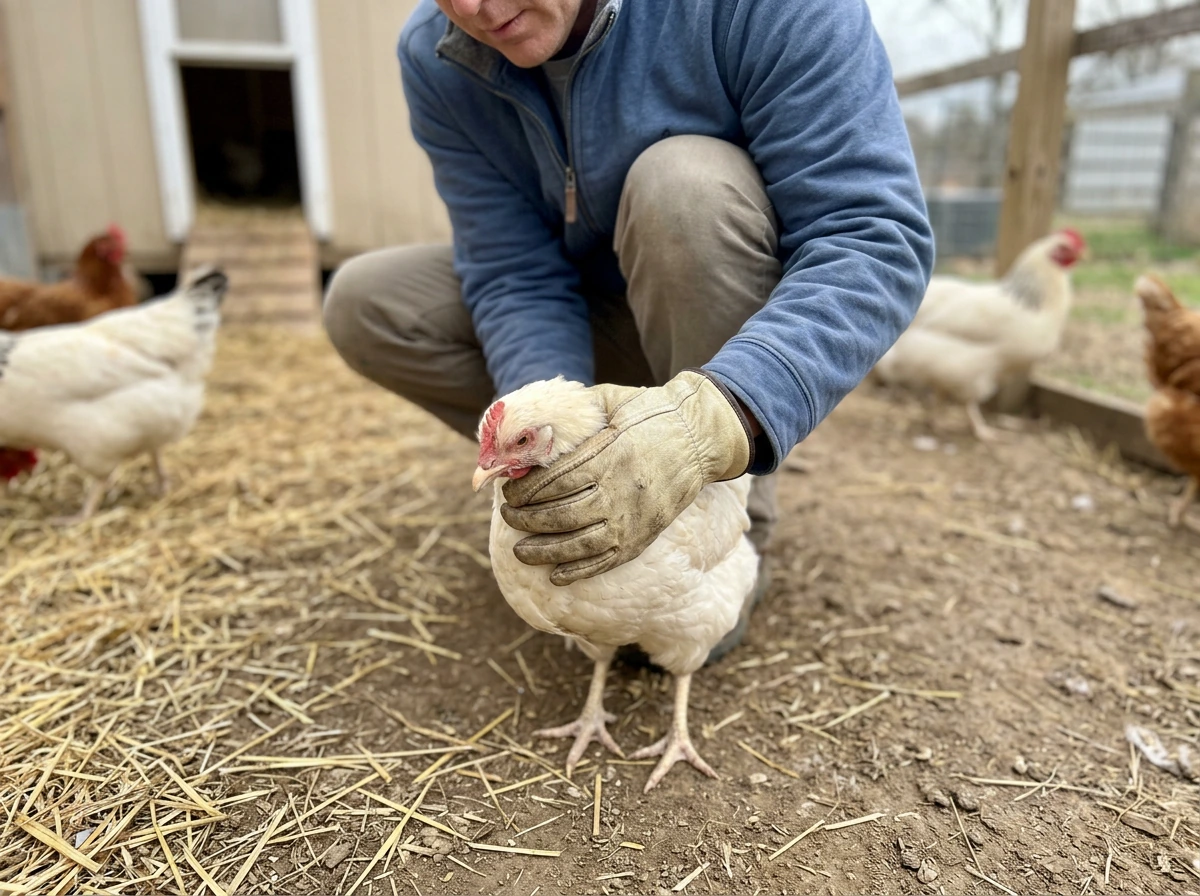
For backyard flocks, farm poultry, or commercial operations, you need two contacts: your state's animal health official (often under the state Department of Agriculture) and USDA APHIS (Animal and Plant Health Inspection Service). APHIS Area Veterinarians in Charge are the federal endpoint for diagnosed or suspected nationally listed reportable animal diseases, which avian influenza is. Your state vet and APHIS typically coordinate once a report comes in, so starting with either one works.
Human exposure or illness
If a person may have been exposed to infected birds or is showing symptoms, your state health department is the right first contact. Under CDC interim guidance, state health officials are responsible for investigating potential human HPAI A(H5N1) cases and must notify CDC within 24 hours of identifying a case under investigation. So the state department handles your report and escalates to CDC as needed. You don't need to call CDC yourself as a first step, though their contact information is publicly available if you want guidance directly.
Special locations
If you spot sick or dead birds in a national park, report to the park ranger or visitor center staff first. They have internal protocols for notifying animal health professionals and APHIS from there. Similarly, if you're a veterinarian or diagnostician, WOAH (the World Organisation for Animal Health) expects you to report suspicions promptly to the Veterinary Authority in your country without waiting for lab confirmation.
Where to report and which numbers to use
Because reporting channels are state-specific in the U.S., the exact number or web portal depends on where you are. Here are concrete examples to show you what to look for in your own state, plus national fallbacks.
| Situation | Who to contact | How to find your local contact |
|---|---|---|
| Sick or dead wild birds | State wildlife agency (DNR / Fish and Wildlife) | Search '[your state] report sick wildlife' or '[your state] DNR avian influenza' |
| Sick or dead farm/backyard poultry | State Department of Agriculture animal health office + USDA APHIS | Search '[your state] state veterinarian' or call USDA at 1-866-536-7593 (varies by state program) |
| Possible human exposure or symptoms | State health department | Search '[your state] health department bird flu' or call 211 for local health referrals |
| Birds in a national park | Park ranger or visitor center | Call the park's main number (listed on NPS.gov) |
| General USDA animal disease questions | USDA APHIS national line | aphis.usda.gov or 1-844-820-2234 |
A few real-world examples: California's Department of Food and Agriculture runs a dedicated hotline at 866-922-BIRD (2473) for an unusual number of sick or dead birds. Indiana DNR takes sick or dead wildlife reports at on. IN.gov/sickwildlife and also has a healthy bird hotline at 1-866-536-7593 for flock questions. Massachusetts has a dedicated disease reporting form through MassWildlife's online system. Every state has something similar. If you search your state name plus 'report sick birds' or 'avian influenza hotline,' you'll find it within a minute or two.
Outside the U.S., the routing is similar: start with your national or provincial agriculture and veterinary authority for animal events, and your national public health agency for human exposure concerns. In Canada that's the Canadian Food Inspection Agency (CFIA) for poultry and the Public Health Agency of Canada for human cases. In the UK it's the Animal and Plant Health Agency (APHA). WHO plays a role at the international level but is not a direct reporting channel for the general public.
Choosing the right office fast
If you're unsure which agency to call first, use this decision shortcut: ask yourself what type of animal is involved and whether any humans are at risk.
- Wild birds only, no human contact: call your state wildlife agency.
- Farm or backyard poultry, no human illness: call your state Department of Agriculture animal health division. They'll loop in APHIS.
- A person had direct contact with sick/dead birds and is symptomatic: call your state health department first. Also advise the person to avoid further contact with birds and other people until assessed.
- You're not sure which category applies: start with your state Department of Agriculture. They can redirect you within a single call.
- It's after hours or you can't reach anyone: many state wildlife and agriculture agencies have 24-hour emergency lines. Search the agency name plus 'emergency' or 'after hours.' USDA APHIS also has emergency contacts listed on its website.
The key principle here is don't overthink the routing. A misrouted call to the wrong state agency still gets picked up and redirected. What matters more is making the call today rather than waiting until you've figured out the perfect channel.
What to tell them when you report
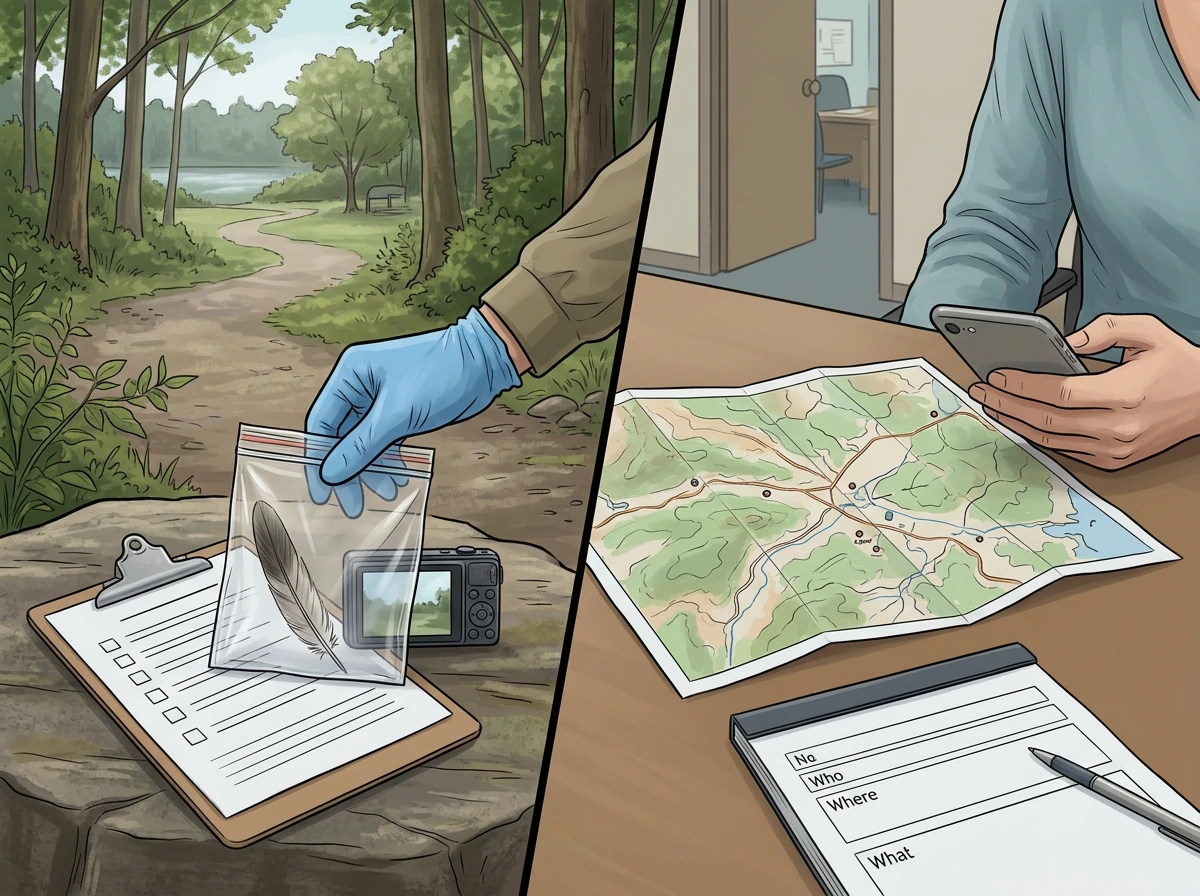
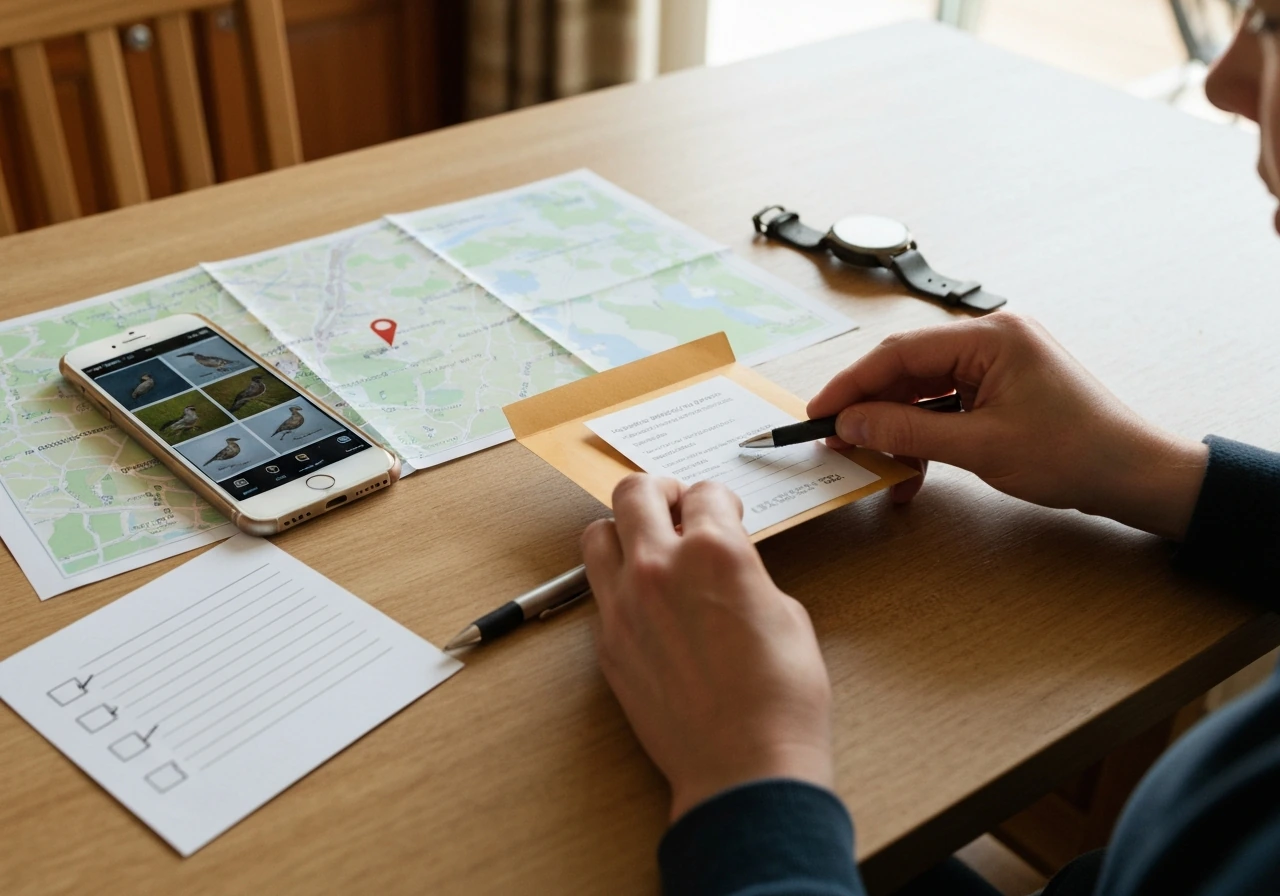
Good information makes the difference between a report that gets triaged quickly and one that sits in a queue. Before you call or fill out a web form, take a few minutes to gather these details. You don't need all of them, but the more you have, the faster investigators can respond.
- Your contact information: name, phone number, and email so they can follow up.
- Exact location: GPS coordinates if you have them, or the closest address, intersection, landmark, or park name. Be as specific as possible.
- Date and time: when you first noticed the birds, and whether the situation is ongoing or you found them after the fact.
- Species if known: waterfowl (geese, ducks), raptors (hawks, eagles, owls), chickens, turkeys, etc. 'I don't know the species' is a perfectly acceptable answer.
- Number of birds: an estimate is fine. 'Around 10 dead Canada geese in a 50-foot stretch of shoreline' is much more useful than 'a bunch of dead birds.'
- Condition of the birds: are they dead, visibly ill, unable to fly, seizing, or showing neurological signs? Any visible lesions or discharge?
- Proximity to poultry operations: are there any farms, backyard flocks, or live bird markets nearby?
- Any human contact: did anyone touch the birds? If so, were gloves used? Has anyone developed symptoms (fever, cough, eye irritation)?
- Photos: take photos from a safe distance before you call. Don't get close enough to touch. Photos of the birds, the location, and any visible symptoms are genuinely useful for investigators.
When you're on the phone, lead with the most critical details: location, number of birds, and whether any human exposure occurred. The investigator will guide you through the rest. If you're using an online form, fill in every field you can and upload your photos.
One thing to be explicit about: do not handle the birds. The U.S. Fish and Wildlife Service and state guidance consistently say to leave them in place for trained responders to collect. If for some reason you must have contact (for example, you're a licensed wildlife rehabilitator), use impermeable gloves, wash your hands thoroughly with soap and water afterward, and change your clothes before any contact with domestic poultry or pet birds.
What happens after you report
Here's roughly what to expect once your report is in, because understanding the next steps helps you know whether you need to follow up or wait.
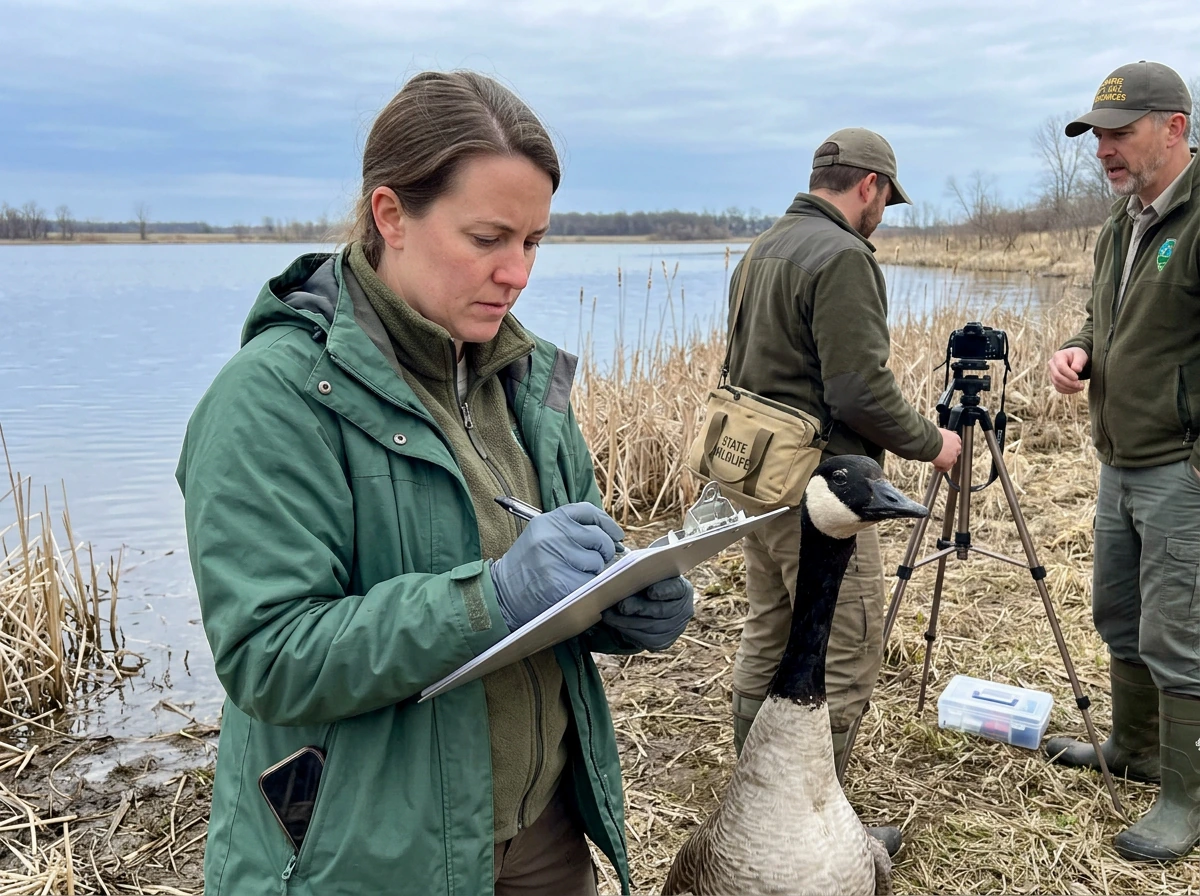
For wild bird reports, your state wildlife agency will assess the situation and, if the die-off meets certain criteria (size, species, location), they'll dispatch trained responders to collect samples and send them to a diagnostic lab. You may or may not hear back directly, especially if no human exposure was involved. If you gave your contact information, some states will send a follow-up message. In confirmed outbreak zones, access to affected areas may be restricted temporarily to protect both human health and domestic bird populations nearby.
For farm or poultry reports, the response is faster and more structured. State animal health officials and APHIS investigators will typically contact the flock owner within hours to begin an investigation. If avian influenza is suspected, strict biosecurity measures and quarantine protocols kick in while samples are sent for testing. This process is taken seriously: WOAH requires national veterinary authorities to provide official confirmation through standard report forms, and that process starts with your initial call.
P|For human exposure reports, your state health department will assess the risk level based on your specific exposure details. CDC guidance establishes that state officials must investigate potential human HPAI A(H5N1) cases and notify CDC within 24 hours of identifying a case under investigation. If you or someone else had significant exposure, the health department may recommend antiviral medication (oseltamivir, commonly known as Tamiflu), monitoring for symptoms for up to 10 days, and in higher-risk situations, infection control precautions including PPE. If you're worried about what counts as a meaningful exposure, that's worth a separate conversation with your state health department or doctor. If you're worried about what counts as a meaningful exposure, that's worth a separate conversation with your state health department or doctor how can you get bird flu. what to do if you think you have bird flu go into that risk assessment in more detail.
If you don't hear back within a business day or two and you're genuinely concerned (especially if there's a human health angle), it's entirely reasonable to follow up. Call the same number, reference your report, and ask for a status update. Agencies handling large die-offs can get busy during active outbreaks, and a polite follow-up call is appropriate. If you're tracking who handles bird flu monitoring at a national and international level, that falls to organizations like CDC, USDA APHIS, and WOAH, which coordinate surveillance data across reporting jurisdictions.
The most important thing you can do right now is make the report without delay. Early notification is what gives investigators the window to contain spread, protect commercial flocks, and catch any potential human cases before they escalate. Then, for safety, follow guidance on how to contract bird flu to reduce your risk of infection. You don't need expertise to report, you just need to make the call.
FAQ
What should I do if I accidentally handled a sick or dead bird before calling?
If you already touched or moved a bird or cleaned up the area, report it anyway. Tell the agency you had contact, what you touched, and whether you wore gloves or mask. After reporting, avoid going to other places with the same clothes or footwear, and wash hands and exposed skin thoroughly with soap and water. If you had direct contact and you now have fever or flu-like symptoms, contact your state health department promptly and mention the exposure.
Do I have to see obvious bird-flu symptoms to report?
Yes, report unusual die-offs even if the birds do not look “flu-like.” Avian influenza can involve birds that appear only mildly ill or even look normal, especially in wild populations. Use your best description, such as multiple species or a sudden cluster in one area, and share the approximate number you saw.
I’m seeing dead birds in more than one spot, should I make separate reports?
If multiple birds died across several locations, report each cluster separately with the most precise location you have (street address, nearest intersection, GPS pin if available). For large events, agencies may ask whether there is a pattern, like the same species or the same feeder or water source. Don’t assume one call will cover everything in your region.
Can I collect the birds and store them to deliver later?
Don’t place dead birds into a bag, cooler, trash, or freezer for “later.” For wildlife sampling, agencies often need to collect specimens in a specific way and within certain time windows. Photograph first if safe, then leave the birds where they are and report so responders can retrieve them.
Should I clean up the area where the bird deaths happened before reporting?
Avoid cleaning or disinfecting too early, especially outdoors, because runoff can spread contamination and it may make sampling harder. If the birds were on your property, you can limit exposure by keeping people and pets away and washing hands after you were in the area. If the agency provides cleanup instructions, follow those exactly.
What if my own backyard chickens or pet birds are sick, do I report differently than wild birds?
If a pet bird or backyard flock seems ill, report as soon as possible to your state animal health official and USDA APHIS, even if you are not sure it is HPAI. For domestic birds, follow any quarantine and biosecurity guidance you receive, and do not move birds, feed, or equipment between coops while waiting for instructions.
If someone got sick after being around birds, should they call the same place as for animal reports?
Yes. If you notice symptoms in a person that began after exposure to sick or dead birds, contact the state health department and describe the timing and type of exposure (distance, whether there was direct contact, and whether there was contact with poultry or contaminated surfaces). State health officials assess risk and may recommend monitoring and, when indicated, antiviral treatment.
What details about human exposure are most important to include in the report?
Tell the agency whether there were visible human exposures, such as helping to remove birds, being splashed, cleaning droppings, or caring for an ill flock. Also note any PPE used, the duration of exposure, and when exposure occurred. This helps health officials decide whether the situation is low risk or needs escalation.
I’m in a national park, do I report only to park staff or also to my state wildlife agency?
If you are in a national park or similar managed area, report to the park staff first as the article describes. Then, if you have time and it is safe, also capture the location details (trail name, mile marker, or coordinates) because park staff will pass those along. Avoid leaving the area unattended or trying to retrieve birds yourself.
When and how should I follow up if I don’t hear back quickly?
If you have ongoing concerns after the initial report, follow up after 1 to 2 business days. Use your report reference or any confirmation number, state that you want a status update, and share any new information, like changing counts, new species appearing, or any new human or domestic animal exposure.
What’s the best approach if I can’t tell which agency handles my case?
If you are not sure which state agency is responsible, call or submit the report to the most logical local entry point and include your location. Your call is likely to be redirected internally. Also note whether it involves wild birds, domestic poultry, or possible human symptoms so the routing team can transfer it to the right lane.
I’m not a veterinarian. If I suspect bird flu, do I need to contact WOAH directly?
WOAH reporting is aimed at veterinary authorities, so if you are a general public member or non-veterinary staff, do not rely on WOAH directly. For veterinarians or diagnosticians, prompt notification to the Veterinary Authority in their country is expected, and they should follow their national reporting procedures for suspected avian influenza.
Next Article
What to Do If You Think You Have Bird Flu: Steps
Step-by-step actions for suspected bird flu: who to call, when to seek emergency care, isolation, and what to expect.