
If you think you might have bird flu right now, here is the short answer: isolate yourself from others, call your doctor or local health department before showing up anywhere in person, and give them a clear timeline of your symptoms and any recent exposure to birds or animals. Do not just walk into an urgent care or ER without calling ahead. That one step protects other patients and gets you triaged faster. Everything else in this guide fills in the details so you know exactly what to do, what to say, and when the situation becomes a genuine emergency.
What to Do If You Think You Have Bird Flu: Steps

Sarah Chen
22 Mar 2026
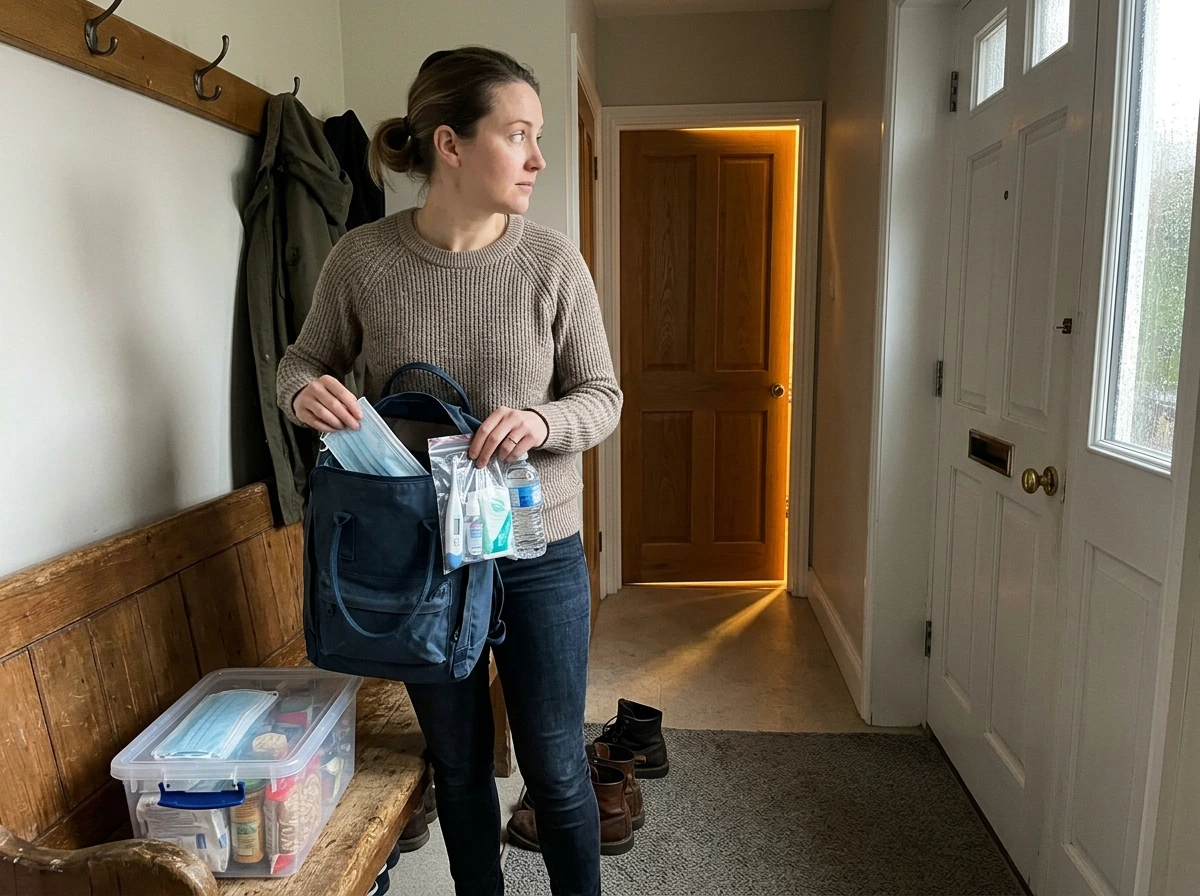
How to recognize the early warning signs and when to actually worry
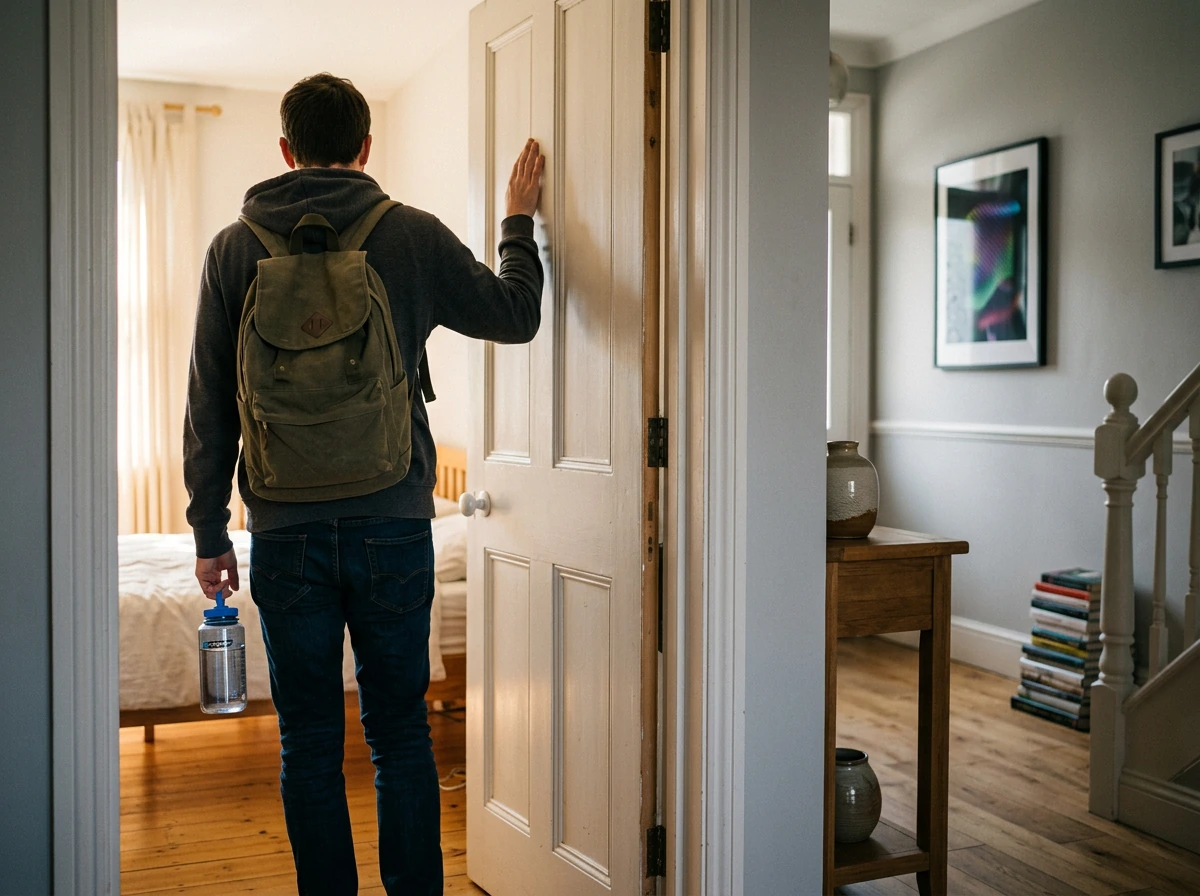
Bird flu symptoms in people are frustratingly non-specific, meaning they overlap heavily with regular seasonal flu and even COVID-19. That said, there are a few patterns worth knowing. According to the CDC, human avian influenza A(H5) infections can cause a range of symptoms from mild to severe. On the milder end, you might notice eye redness or discharge (conjunctivitis), a sore throat, cough, runny nose, or a low-grade fever. Some people also experience gastrointestinal symptoms like diarrhea, nausea, or vomiting, which is actually less typical of regular flu and can be a useful clue.
On the severe end, the CDC's Health Alert Network has documented cases progressing to pneumonia, multi-organ failure, sepsis, and in some cases death. The jump from mild upper respiratory symptoms to serious disease can happen quickly, which is why exposure history matters more than symptom severity alone when deciding how urgently to act.
Here is when to treat your situation as genuinely concerning rather than routine: you have any of the symptoms above AND you have recently had contact with sick or dead birds, poultry, wild waterfowl, dairy cattle, or other animals linked to avian influenza outbreaks. If you are trying to figure out how can you get bird flu, focus on the most common pathways like contact with infected birds or contaminated materials. That combination, symptoms plus a plausible exposure, is the signal to move. Symptoms alone without any exposure are much less likely to be bird flu, but you still deserve proper triage if you are unsure.
What to do immediately if you suspect bird flu
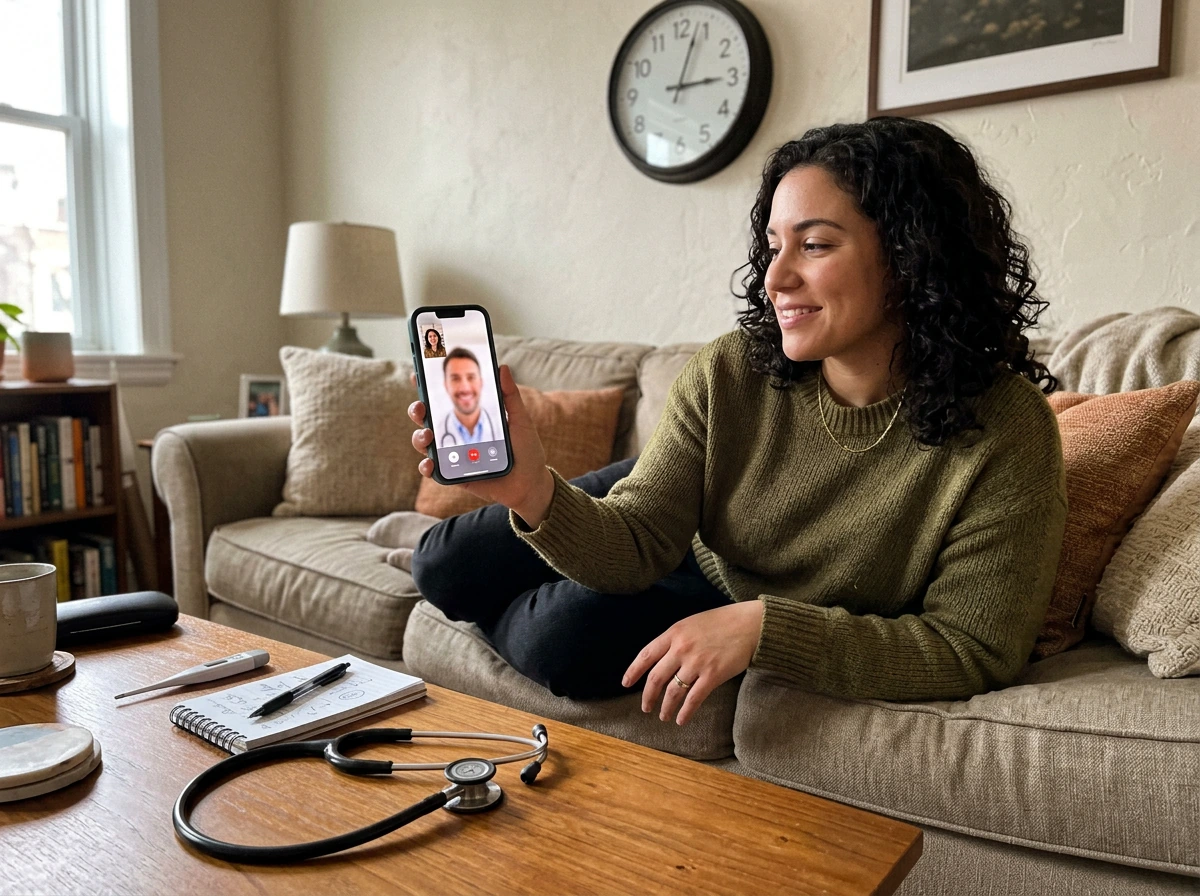
The moment you start suspecting bird flu, your first move is to separate yourself from other people in your household as much as practically possible. Go to a separate room, put on a well-fitting mask if you have one, and avoid sharing bathrooms, eating spaces, or air with vulnerable family members like elderly relatives, young children, or immunocompromised individuals.
Your second move is to call, not visit, a healthcare provider or your local health department. This is critical. Bird flu is a reportable condition, and public health departments have specific protocols for triage, testing, and potential antiviral treatment. If you walk into a clinic or ER unannounced, staff may not have personal protective equipment ready, and you risk exposing others in the waiting room. A phone call lets them prepare.
While you are on the phone, be ready to answer these questions accurately:
- What symptoms do you have, and when did they start?
- Have you had direct contact with birds (poultry, wild birds, backyard flocks), dairy cattle, or any other animals in the past 10 days?
- Did you visit a farm, live animal market, or any location with a known or suspected bird flu outbreak?
- Do you work in agriculture, wildlife management, or animal health?
- Have you traveled internationally to a region with active H5N1 cases in the past 10 days?
Having clear answers ready speeds everything up. If you cannot reach your doctor, call your local or county health department directly. Their number is searchable online in under a minute by typing your county name plus 'health department.' They will connect you with someone who can authorize testing and give you next steps.
If you were exposed but feel fine right now
Exposure without symptoms is its own situation, and it is worth taking seriously without panicking. The CDC's guidance for people who have had contact with infected birds or animals recommends a monitoring period of about 10 days from the last possible exposure. Los Angeles County Public Health also specifies a roughly 10-day symptom monitoring window after potential H5N1 exposure, including fever guidance of 100°F or greater [monitoring period of about 10 days from the last possible exposure](https://publichealth. lacounty.
gov/acd/docs/H5N1-SymptomMonitoringandIsolationGuidance-Asymptomatic-eng. pdf). During that window, you should check your temperature at least once daily and pay attention to any new respiratory symptoms, eye irritation, or GI changes. Michigan DHHS also uses a symptom-monitoring approach after exposure and frames the monitoring period starting from the first exposure and ending after the last exposure [monitoring period of about 10 days](https://www.
michigan. gov/mdhhs/-/media/Project/Websites/mdhhs/Folder1/CDInfo/MDHHSHPAIMonitoringProtocolFINAL2022Feb. pdf).
Even if you feel completely fine today, you should still report the exposure to your local health department. To do that, include when the exposure happened and what birds or animals were involved so they can guide you on next steps and reporting how to report bird flu.
This is important for two reasons: they may recommend preventive antiviral medication (oseltamivir, commonly known as Tamiflu) depending on the nature of your exposure, and they need to know about potential cases for public health surveillance. Reporting an exposure is not the same as being confirmed sick, and it does not automatically trigger quarantine. Think of it as giving health officials the information they need to protect the wider community, including you.
If you develop any symptoms during that 10-day monitoring window, escalate immediately. At that point, you move from the 'exposure only' pathway to the 'suspected case' pathway and need assessment and likely testing right away.
Who to contact and how to get tested quickly
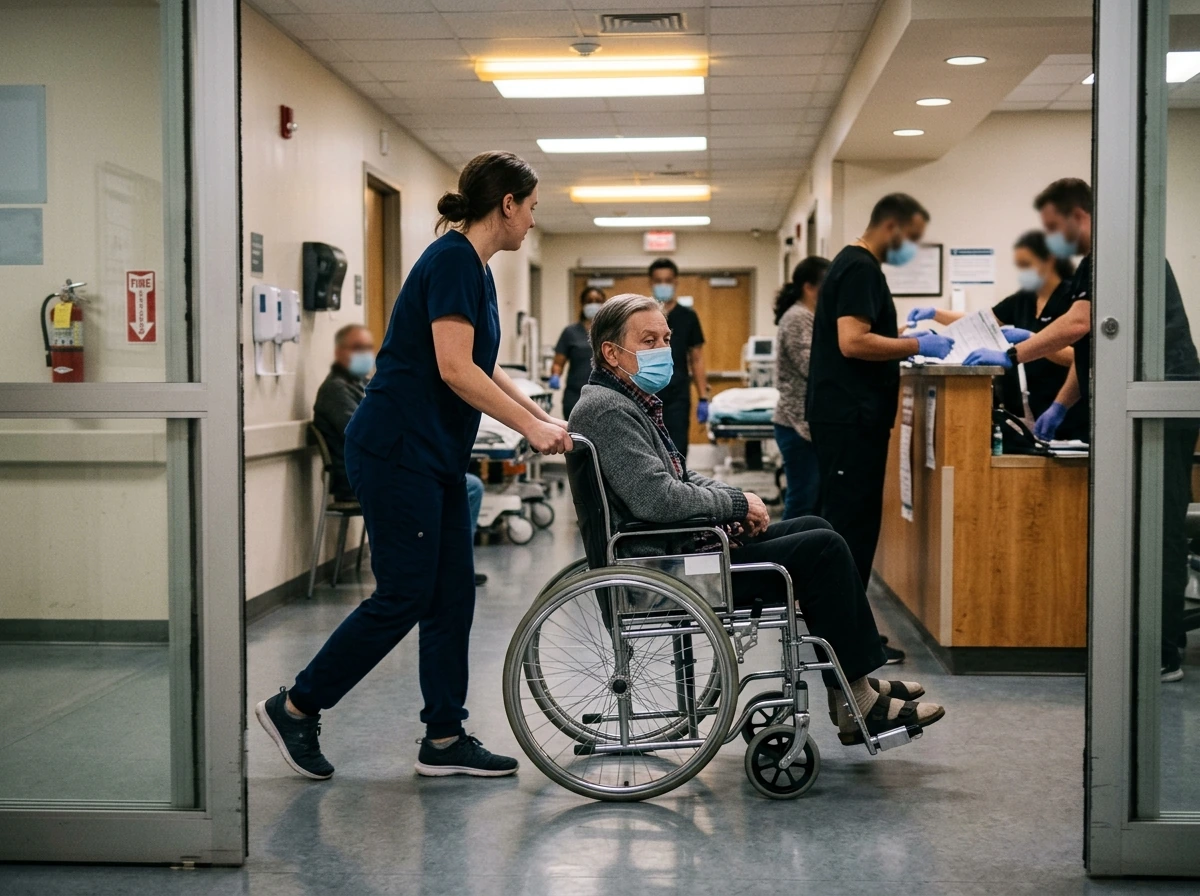
Testing for bird flu is not something you can arrange at a commercial lab or pharmacy on your own today. It goes through a specific public health chain. Here is how to navigate it without losing time:
- Call your primary care doctor or telehealth provider first. Explain your symptoms and exposure history. They can contact your local health department on your behalf or direct you to do so.
- Call your local or county health department directly if you cannot reach a doctor. They are the fastest route to authorizing a bird flu test and can sometimes arrange collection without you having to go to a crowded facility.
- If you are uninsured or cannot access a regular provider, call 211 (the social services helpline available in most U.S. states) or search for your state health department's bird flu or avian influenza hotline. Many states stood up dedicated lines during recent H5N1 activity.
- Do not go to an ER solely to get tested. ERs are appropriate for emergencies, not testing triage. Going unnecessarily puts you and others at risk.
Once you are in contact with a health department or provider, they will determine whether you meet criteria for testing based on your symptoms and exposure history. If you do, they will arrange specimen collection, typically a nasopharyngeal swab and possibly an eye swab if you have conjunctivitis. Samples are sent to a state public health lab, and sometimes the CDC, for confirmatory testing. Results timelines vary but often take one to several days for initial results.
Keeping your household safe while you wait
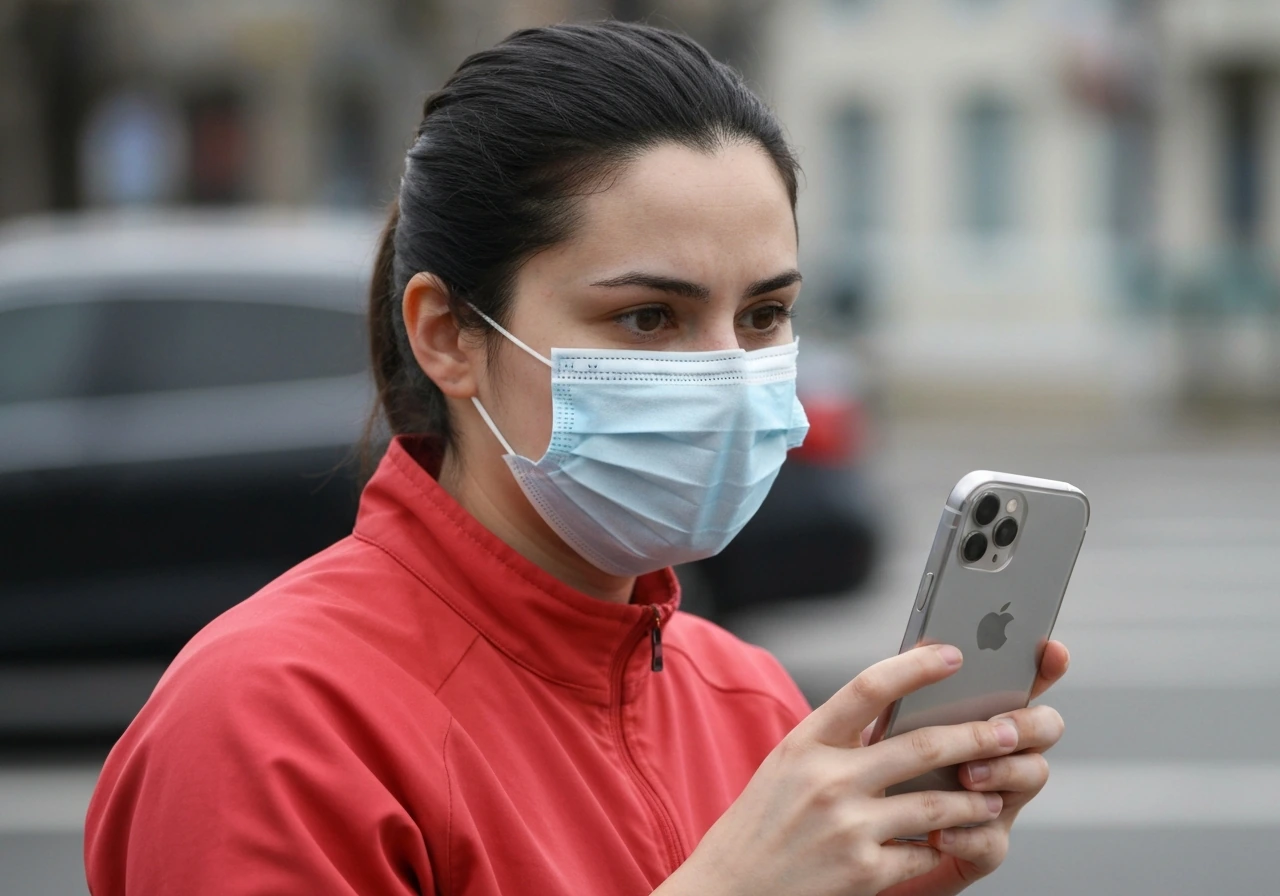
While you are waiting for guidance or test results, basic infection control at home makes a meaningful difference. Bird flu spreads through respiratory droplets and direct contact with infected material, so the same principles that reduce seasonal flu or COVID-19 transmission apply here.
- Stay in one room as much as possible and keep the door closed. If you share a bathroom, disinfect surfaces after each use.
- Wear a well-fitting mask (N95 or surgical) when you have to be in shared spaces.
- Wash your hands frequently with soap and water for at least 20 seconds, especially before and after eating, using the bathroom, or touching your face.
- Do not share dishes, glasses, towels, or bedding with household members. Wash your laundry separately if possible.
- Designate one household member as your primary caregiver to limit the number of people with close contact. That person should also wear a mask and gloves when in the same room.
- Increase ventilation in your space by opening windows if weather allows.
- Avoid contact with pets, especially birds, poultry, or cats, since some evidence suggests cats can be susceptible to H5N1.
Your household members do not need to isolate themselves from the outside world unless they also had direct contact with the same animal exposure source. However, they should monitor their own symptoms and report anything unusual to their doctor, especially if they helped care for you with close contact.
When it is time to go to the emergency room
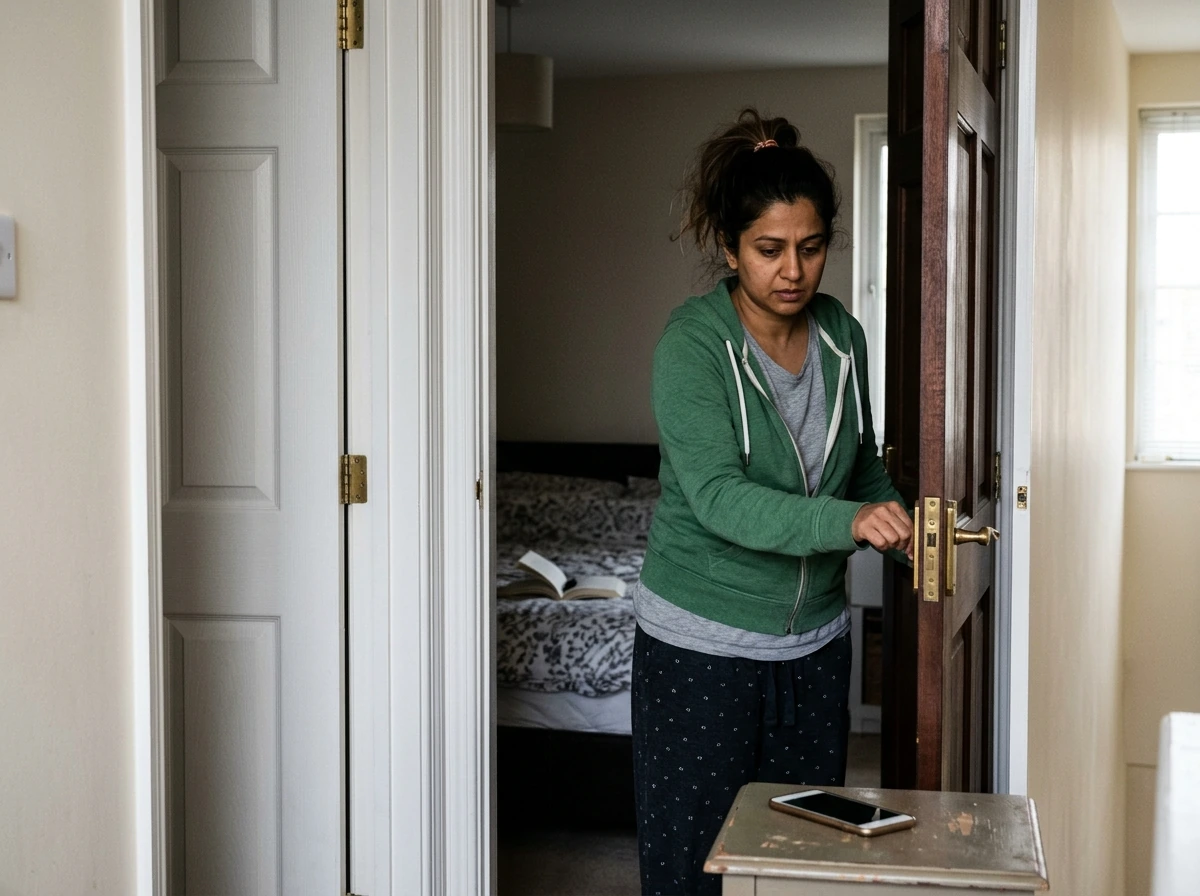
Most people who contact health authorities early and follow isolation guidance will manage their illness at home or with outpatient antiviral treatment. But there are clear thresholds when you need emergency care immediately, not tomorrow, not after another phone call.
- Difficulty breathing or shortness of breath at rest or with minimal activity
- Persistent chest pain or pressure
- Confusion, disorientation, or difficulty staying awake
- Lips or fingernails turning blue or grayish (cyanosis)
- High fever (above 103°F / 39.4°C) that is not responding to fever reducers
- Severe dehydration from vomiting or diarrhea (unable to keep any fluids down for more than 8 hours)
- Symptoms that improve and then suddenly worsen again, especially if accompanied by new chest symptoms
If any of these apply, call 911 or have someone drive you to the emergency room. Do not drive yourself if you are confused or struggling to breathe. When you call 911 or arrive at the ER, state clearly that you have a respiratory illness and a possible exposure to avian influenza. Use those words. This allows triage staff to put you in a separate area immediately and gear up appropriately before evaluating you, which protects both them and other patients.
When you speak to clinicians, prepare to tell them: the exact date your symptoms started, every type of animal contact you have had in the past 10 to 14 days (including what kind of bird or animal and how close the contact was), any travel history, and what medications you have already taken. The more specific you are, the faster they can make decisions about antivirals like oseltamivir (Tamiflu), which works best when started early.
What to do while you wait for results
The waiting period between testing and results is stressful, but it is not a time to do nothing. Here is how to use that window well.
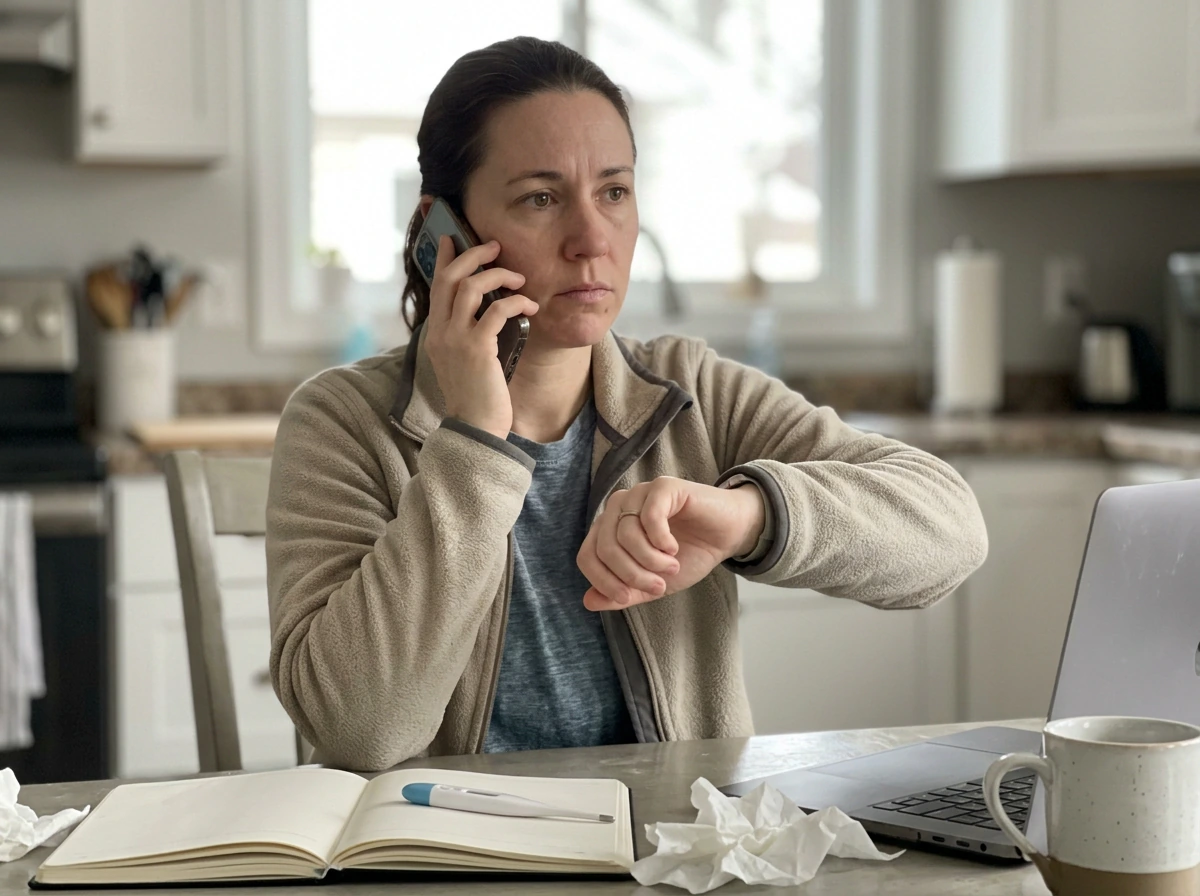
Keep monitoring your symptoms closely. Take your temperature at least twice a day and write it down along with any new or worsening symptoms. This log is not just for your peace of mind, it gives your provider useful data when they follow up with you. If you were not already prescribed antivirals and your symptoms worsen before results come back, call your provider again. They may decide to treat based on clinical suspicion rather than waiting for confirmation.
Stay in contact with the health department or provider who ordered your test. They should be checking in with you, but if you do not hear back within 24 to 48 hours and you are getting sicker, call them. You are allowed to advocate for yourself here.
Continue your isolation and infection control precautions until you either receive a negative result or are cleared by a health official. A negative test result with a plausible exposure and ongoing symptoms may still prompt your provider to treat empirically or repeat testing, depending on the type of specimen collected and timing.
If your test comes back positive, your local health department will walk you through next steps, including extended isolation requirements, contact tracing for your household and coworkers, and ongoing antiviral treatment. At that point, you are in the system and being managed. If it comes back negative but your symptoms continue, follow up with your provider for an alternative diagnosis. The goal was never to confirm a dramatic diagnosis, it was to rule out a serious one and make sure you get the right care.
A quick reference: the key steps at a glance
| Situation | Immediate Action | Who to Contact |
|---|---|---|
| Symptoms + known bird/animal exposure | Isolate at home, call provider or health dept before going anywhere | Primary care doctor or local health department |
| Exposure only, no symptoms | Start 10-day symptom monitoring, report exposure | Local health department |
| Symptoms without known exposure | Isolate, call provider for assessment | Primary care doctor or telehealth |
| Severe symptoms (breathing trouble, confusion, chest pain) | Call 911 or go to ER; announce possible avian flu exposure | Emergency services / ER staff |
| Waiting for test results | Continue isolation, log symptoms twice daily, stay in contact with provider | Your assigned health department contact or provider |
The most important thing you can take from this guide: acting early and communicating clearly with health authorities is far more effective than waiting to see if things get worse. Bird flu is still rare in humans, but when it does happen, early antiviral treatment makes a real difference in outcomes. You do not need to have all the answers before you make that first call. Just pick up the phone.
FAQ
What if I only suspect bird flu because I have mild flu-like symptoms, but I had no known bird or animal exposure?
If there is no plausible exposure, treat it as a “needs triage” situation rather than a likely bird flu case. Call ahead to your doctor or local health department so they can review your symptoms and exposure history, and decide whether testing is warranted or if you should be managed as seasonal influenza or another respiratory illness.
I had contact with birds or poultry, but I do not know if they were sick. Should I still call if I feel fine right now?
Yes. Exposure reporting can still lead to recommendations for monitoring, and in some circumstances preventive antivirals may be considered based on the type of contact and timing. The key is to report the event and let public health determine next steps, even if you have no symptoms yet.
How soon after symptom onset should I call, and does timing affect treatment?
Call as soon as you think bird flu is possible, ideally at the start of symptoms or even during the exposure-monitoring window. Antiviral medications, when used, work best when started early, so delaying until after test results can reduce options.
Should I go to urgent care if my symptoms are getting worse but I cannot reach my doctor by phone?
Do not arrive in person without calling first. If you cannot reach your doctor, contact your local or county health department for triage instructions. If you truly cannot reach anyone and you are worsening rapidly, use emergency services and clearly mention possible avian influenza exposure and respiratory illness.
What should I do if I have conjunctivitis symptoms (red, painful, or watery eyes) along with a cough or sore throat?
Call and describe the eye symptoms specifically, including whether there was discharge. This matters because clinicians may consider additional specimen types (for example, eye swabs) depending on your presentation and exposure history.
If I live with other people, do they need to isolate from me completely?
Not automatically. Household members generally do not need to isolate from the outside world unless they had the same direct animal exposure. However, they should monitor their own symptoms and report promptly, and you should avoid sharing close-contact spaces while you are being evaluated.
What if my symptoms are mainly gastrointestinal, like vomiting or diarrhea, and I do not have a strong cough?
Because GI symptoms can occur in some bird flu presentations, do not assume it is “not respiratory” and ignore exposure history. Tell the clinician about the full symptom pattern, including the dates, and any animal contacts, so triage can be accurate even if cough is mild or absent.
I am waiting for test results, but I am tempted to stop isolating because I feel a bit better. When is it safe to loosen precautions?
Continue isolation and infection control until you receive guidance or clearance from the provider or health official. A negative result does not always end the risk, especially if symptoms persist or there is ongoing concern based on specimen timing and exposure details.
What information should I write down before I call so I do not forget it?
Track symptom start date, temperature readings, and a timeline of animal or bird contact (species, location, how close you were, and whether you touched or cleaned anything). Also note any travel and what medications you have already taken, including over-the-counter drugs.
If my test is negative, does that completely rule out bird flu?
Not always. A negative result with ongoing symptoms and a plausible exposure should still prompt follow-up. The clinician may consider an alternative diagnosis, repeat testing, or treatment based on clinical judgment and when the specimen was collected.
If I get worse while waiting, should I call the health department again, or just wait for the results?
Call again promptly if symptoms worsen, especially breathing difficulty, worsening fever, or new severe symptoms. The article notes providers may decide to treat based on suspicion rather than waiting, so proactive contact can change your plan.
Can I take antibiotics just in case?
Do not self-start antibiotics to cover bird flu. Bird flu testing and treatment decisions depend on symptoms, exposure history, and clinical assessment. Contact your provider for guidance on appropriate care, including whether antivirals are indicated.
What are red flags that mean I should use emergency services immediately rather than waiting for a call back?
If you develop severe trouble breathing, significant confusion, inability to care for yourself, or other rapidly escalating symptoms, call 911 or go to the ER immediately. When you call or arrive, explicitly state you have a respiratory illness and a possible exposure to avian influenza so triage can act quickly.
Next Article
Is Bird Flu in Europe Now? Risk, Symptoms, Safety Steps
Find out if bird flu is in Europe now, current risk, symptoms, food safety, and exact steps for handling exposure safely