
As of June 2026, bird flu activity in wild birds and poultry remains elevated globally, but recent human case counts have been quiet. WHO's weekly avian influenza surveillance reports for late May through early June 2026 recorded zero new confirmed human H5N1 infections in each reporting window. That's genuinely reassuring for human health. At the same time, HPAI H5N1 (Highly Pathogenic Avian Influenza H5N1) continues to circulate in wild bird populations and domestic flocks in the U.
Is Bird Flu on the Rise? How to Check Data and Risk

Sarah Chen
12 Jun 2026
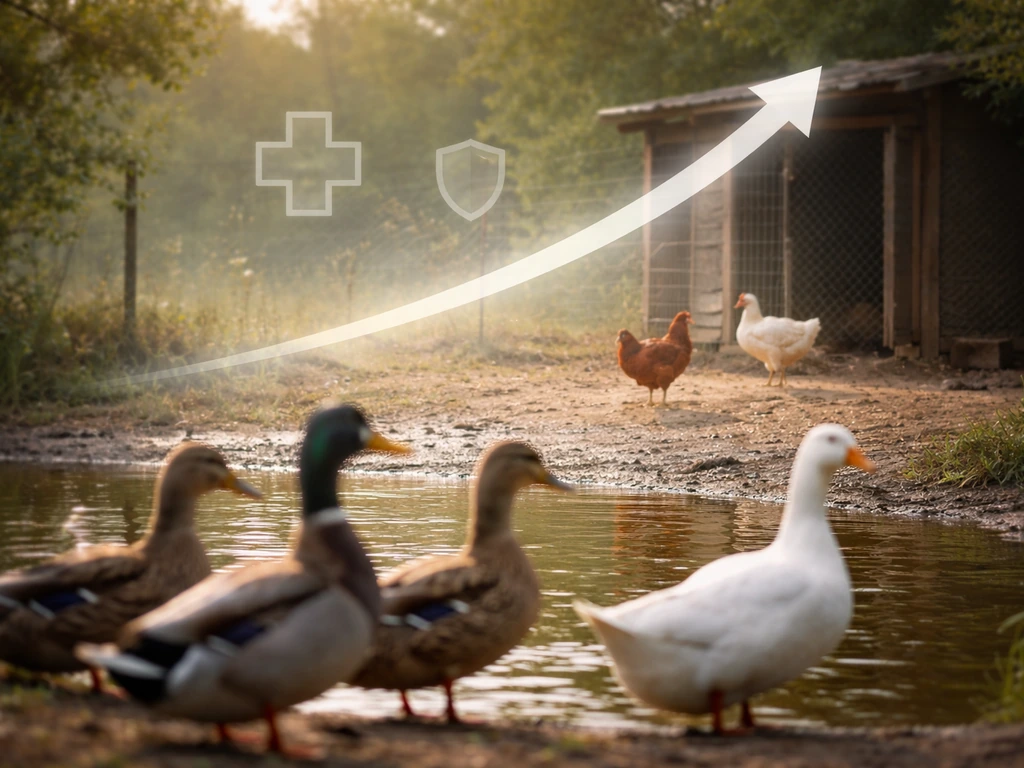
S. and worldwide, and the USDA is still tracking detections in commercial poultry, backyard flocks, and livestock. So the honest answer is: bird flu is not surging in humans right now, but it has not gone away in animals, and the situation warrants ongoing attention rather than alarm.
What the current data actually shows
The most recent WHO Avian Influenza Weekly Update (#1048, dated 6 June 2026) confirmed no new human H5N1 cases in the reporting window of 29 May to 4 June 2026. Updates #1046 and #1047 covering mid- to late-May told the same story: zero new human infections. That string of clean weeks is a meaningful signal.
On the animal side, USDA APHIS continues to log HPAI detections in wild birds (dataset last updated 22 May 2026), and separate dashboards track confirmed cases in commercial and backyard flocks and in livestock. This USDA APHIS page is designed as a current snapshot of confirmed HPAI detections in the U. S. in commercial and backyard flocks [USDA APHIS continues to log HPAI detections in wild birds](https://www.
aphis. usda. gov/livestock-poultry-disease/avian/avian-influenza/hpai-detections/commercial-backyard-flocks). The picture there is more active, which is exactly why monitoring matters.
A joint FAO/WHO/WOAH public health assessment published on 18 May 2026 summarizes the situation well: transmission among animals continues and sporadic human infections at the human-animal-environment interface are still being reported globally, but the overall public health risk to the general population remains low. That framing, low but real, is the baseline you should work from.
How to check reliable outbreak data yourself

You do not need to rely on news headlines. These are the primary surveillance sources worth bookmarking, and they are all publicly accessible:
- WHO Western Pacific Regional Office (WPRO) weekly avian influenza updates: published every Thursday, covering confirmed human cases globally. Search 'WHO Avian Influenza Weekly Update' to find the current issue.
- CDC FluView and CDC's H5 Bird Flu Current Situation page: the CDC updates its A(H5) summary regularly and explicitly tracks U.S. human cases. As of FluView Week 17 (ending May 2, 2026), no human-to-human transmission of avian influenza A(H5) has been identified in the United States.
- USDA APHIS dashboards: separate pages cover HPAI detections in wild birds, confirmed cases in commercial and backyard flocks, and HPAI in livestock. Each page shows when it was last modified so you know you're looking at current data.
- WOAH WAHIS (World Animal Health Information System): the global animal health reference database, reporting validated outbreak data from Veterinary Services of member countries since 2005. Good for seeing what's happening in other countries' poultry sectors.
- FAO Global AIV with Zoonotic Potential page: pulls directly from WOAH WAHIS data and presents animal influenza events with human spillover potential in one place.
When you check these sources, look at two separate numbers: human confirmed cases (WHO and CDC) and animal detections (USDA APHIS, WOAH WAHIS). Rising animal detections do not automatically mean rising human risk, but they do indicate more opportunities for exposure, which is why the distinction matters.
Why case counts sometimes go up: real drivers versus data noise
When you see headlines saying bird flu is 'on the rise,' it usually reflects one of several things happening simultaneously, and not all of them mean the virus is actually more dangerous than it was last month. You can also sanity-check whether bird flu is spreading by comparing recent animal detections with current human case reports is bird flu spreading. If you are wondering whether bird flu is going around right now, the best way to tell is to check the latest WHO and USDA updates bird flu is 'on the rise'.
- Seasonality: WOAH data shows a historical pattern where avian influenza outbreaks tend to rise from around October and peak around February in the Northern Hemisphere, driven by wild bird migration routes concentrating waterfowl from different geographic areas. The virus moves with the birds.
- Wild bird migration: Wild waterfowl are the natural reservoir for influenza A viruses. When migratory birds pass through an area, they deposit virus in water, soil, and the environment. Poultry operations near flyways face higher introduction risk during these windows.
- Increased surveillance intensity: More testing means more detections. The USDA's wild-bird surveillance program is explicitly designed as an early warning system, and when it finds more positives, that partly reflects how much sampling is happening, not just how much virus is circulating.
- Biosecurity gaps in poultry operations: Outbreaks in commercial and backyard flocks often trace back to a breakdown in biosecurity: shared equipment, inadequate decontamination, or movement of birds between premises without proper testing.
- Expansion into livestock: Since 2024, HPAI H5N1 has been confirmed in U.S. dairy cattle, a host that was not on the radar before. USDA now maintains a separate livestock detection page. This represents a genuine expansion of host range that is being actively monitored.
Bird flu in birds versus bird flu in people: not the same story
This is probably the single most important distinction to make. 'Bird flu is rising' almost always refers to detections in birds and poultry, not in humans. HPAI H5N1 is catastrophic for poultry: mortality in affected flocks can reach 90 to 100 percent, and infected flocks are typically culled immediately to contain spread. In that world, the virus is genuinely widespread and causing real economic and agricultural damage.
Human infections are a separate and much rarer event. Bird flu does not happen with a single fixed schedule, but new human cases appear only sporadically rather than on a predictable cycle how often does bird flu happen. WHO has tracked confirmed human H5N1 cases going back to 2003 in its cumulative case table. While there have been sporadic cases globally over the past two decades, sustained human-to-human transmission has never been documented.
The CDC is explicit about this: as of its most recent reporting, human-to-human transmission of avian influenza A(H5) has not been identified in the United States. When a person does get infected, it is almost always through direct or close contact with infected birds or contaminated environments, not from another person.
It is also worth distinguishing avian influenza from seasonal influenza (the flu shot you get each year). Unlike bird flu, seasonal flu is expected to ebb and flow throughout the year, which is why it is described as seasonal seasonal influenza. They are both influenza A viruses, but they are different strains. Seasonal flu spreads easily between people. Bird flu strains like H5N1 do not, at least not currently. That barrier is the main reason public health officials are watching carefully but have not declared a human pandemic.
How bird flu actually spreads, and where you are most at risk
Understanding transmission routes helps you figure out whether your actual daily life puts you at elevated risk, because for most people it does not.
| Transmission Route | Who Is at Risk | Risk Level |
|---|---|---|
| Direct contact with infected live or dead birds (touching, handling) | Poultry farmers, live poultry market workers, backyard flock owners | Low-to-moderate for occupationally exposed individuals |
| Contact with contaminated surfaces, water, or soil (feces, secretions) | Farm workers, people visiting live bird markets | Low with proper hygiene; higher without PPE |
| Handling raw infected poultry or unpasteurized dairy products | Farm workers, some food processing workers | Low with standard food safety practices |
| Exposure to infected dairy cattle (milking operations) | Dairy farm workers | Low-to-moderate; PPE is protective |
| Casual contact or proximity (no direct animal contact) | General public | Very low; no documented human-to-human spread |
Bird-to-bird spread happens through direct contact with infected birds, their droppings, and respiratory secretions, and through shared water sources or contaminated fomites (equipment, clothing, vehicles). Wild waterfowl can introduce virus to a farm without any visible signs of illness in the wild birds themselves. That is why biosecurity at the farm perimeter is so critical.
Symptoms to watch for, in people and in poultry
In people
CDC data shows that severity in humans ranges from mild to severe. Among recent U.S. cases, eye redness (conjunctivitis) has been the most common predominant symptom, which is different from what many people expect from a 'flu.' That reflects the exposure route: many recent U.S. cases involved dairy farm workers who got virus into their eyes. More serious illness can include fever, cough, sore throat, muscle aches, and, in severe cases, pneumonia and respiratory failure requiring hospitalization. If you have had direct contact with sick or dead birds or infected livestock and develop any of these symptoms within 10 days of exposure, that is a clinical red flag.
In poultry and birds
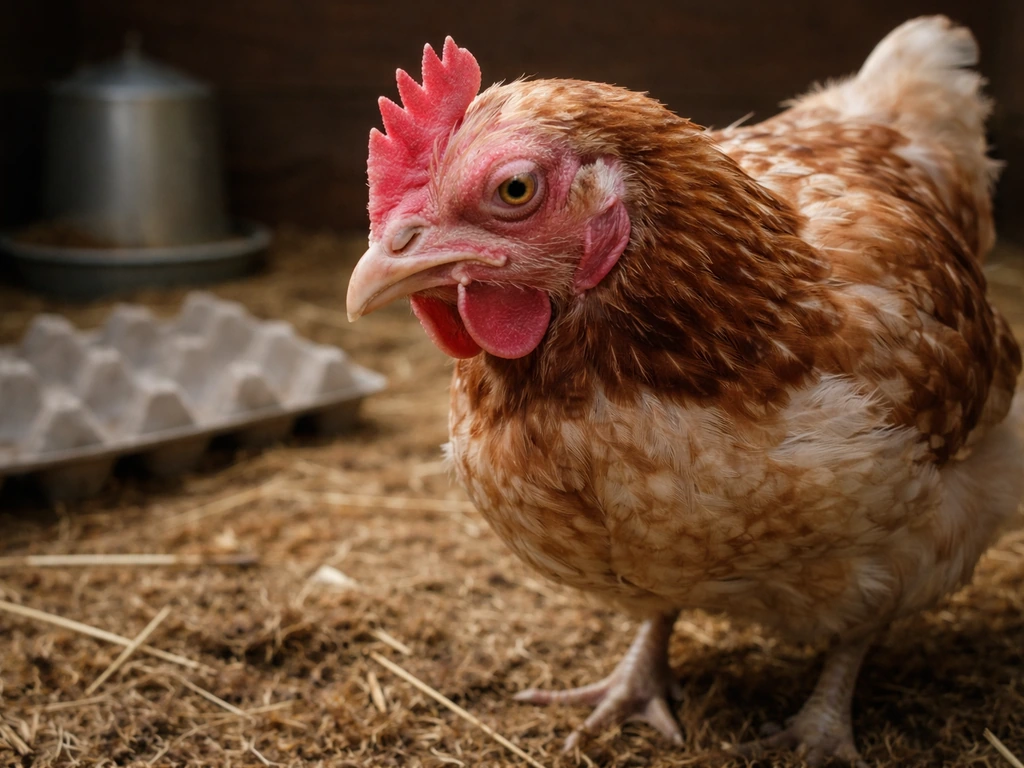
HPAI hits flocks fast and hard. Warning signs in chickens, turkeys, and other poultry include sudden death with no prior warning, dramatic drops in egg production, swollen heads and discoloration of the comb and wattles (the fleshy parts of the head), nasal discharge, labored breathing, diarrhea, and neurological signs like loss of coordination. If you see multiple birds dying suddenly or a sharp unexplained production drop in your flock, treat it as a potential HPAI situation until proven otherwise. Do not wait.
What you can do right now: prevention for households and farms
If you keep backyard poultry or work on a farm
- Keep your flock away from wild birds. Use covered runs, netting, and barriers. Wild waterfowl near ponds or open water on your property are the highest-risk vector.
- Practice strict all-in/all-out management: do not mix birds of different ages or sources without proper quarantine (at least 30 days) for new arrivals.
- Disinfect everything that enters the bird area: footwear, equipment, vehicles. Dedicated farm clothing and footwear that stays on the property is the single most practical daily habit.
- Wash your hands thoroughly before and after handling birds or entering poultry housing. Use soap and water, not just hand sanitizer.
- Wear gloves and eye protection when handling sick or dead birds, cleaning housing, or working in areas with heavy fecal contamination. For confirmed or suspected outbreaks, USDA APHIS recommends full PPE including respiratory protection.
- Report sudden illness or death in your flock to your state veterinarian or USDA APHIS immediately. Early reporting is how outbreaks get contained before they spread to neighboring operations.
- Ask your state about USDA biosecurity assessments. USDA is prioritizing assessments at commercial egg-laying facilities, but backyard flock owners can often access guidance through state agricultural extension services.
For households without direct bird contact
- Avoid touching wild birds, especially sick or dead ones. If you need to handle a dead bird (for example, to dispose of it), use gloves and a bag, and wash your hands immediately.
- Do not visit live poultry markets or farms during active outbreak periods unless necessary. If you do, wash hands and change clothes before going home.
- Keep children away from areas where wild birds congregate, particularly during flyway migration seasons.
Are eggs and poultry safe to eat? When to see a doctor

Yes, properly handled and cooked eggs and poultry are safe. The heat from cooking kills influenza viruses. Poultry should be cooked to an internal temperature of 165°F (74°C), and eggs should be cooked until both yolk and white are firm. USDA and CDC consistently confirm that there is no evidence of anyone getting bird flu from eating properly cooked poultry or eggs. The risk, such as it is, comes from handling raw infected material, not from eating food that has been properly prepared.
For eggs specifically: commercial eggs in the U.S. go through washing and sanitation processes, and the pasteurized egg products sold in cartons have been heat-treated. Standard food safety practices (refrigerating promptly, avoiding cross-contamination with raw poultry juices, washing hands after handling raw eggs or meat) are fully adequate.
Seek medical care promptly if you have had direct contact with sick or dead birds, infected poultry, or infected livestock, and within 10 days you develop: eye redness or discharge, fever, respiratory symptoms (cough, shortness of breath), or flu-like illness. Tell your doctor or the triage nurse about the animal exposure upfront, because that context changes how they will assess and test you. Do not wait to see if it 'clears up on its own' if you know you have had high-risk contact. Antiviral medications like oseltamivir (Tamiflu) are most effective when started early.
For most people searching today, the practical bottom line is this: bird flu in animals is an ongoing issue that deserves monitoring, and if you work with poultry or livestock you should take biosecurity and PPE seriously. For the general public, the immediate personal risk is very low, the food supply is safe when standard cooking practices are followed, and the situation is being actively tracked by WHO, CDC, USDA, and WOAH in near-real-time. Check those sources directly rather than relying on headlines, and you will always have a clearer picture than any news story can give you.
FAQ
If “bird flu is on the rise” headlines worry me, what quick check should I do in the data to interpret them correctly?
Compare the most recent human reporting window (WHO and CDC confirmed H5N1 cases) with the most recent animal detection updates (USDA for U.S. detections, WOAH for broader animal signals). If animal detections increased but the human window is still showing zero new confirmed cases, the headline is likely reflecting animal activity or exposure opportunities rather than a growing risk to the general public.
How can I tell whether the risk is increasing for me personally, not just in general?
Base your personal risk on exposure type and timing. Direct contact with sick or dead birds, infected poultry, or infected livestock is the key trigger. If that contact occurred, watch symptoms for 10 days after exposure and seek care promptly, telling clinicians about the animal exposure so they can test appropriately.
Does rising H5N1 activity in poultry mean a human outbreak is imminent?
Not necessarily. In practice, animal spread and human risk are decoupled because most human infections occur at the human-animal-environment interface, not through sustained person-to-person transmission. An increase in poultry detections signals more opportunities for exposure, but it does not automatically predict more human cases in the near term.
What’s the difference between “confirmed,” “suspected,” and “detected” in these updates?
Confirmed human cases generally mean lab-verified H5N1 infection. Animal “detections” often mean virus found in tested birds, flocks, or other animals, which may precede further confirmation steps or expand after additional sampling. Treat these categories separately when you interpret trends, and don’t equate an animal detection count with a confirmed human case count.
If there are no new human cases for several weeks, can I assume the situation is improving?
It can be a reassuring sign, but it does not guarantee the absence of future cases. Human cases are sporadic, so a “quiet” run reflects the current reporting windows. The safer conclusion is that human-to-date risk remains low, while animal activity still warrants ongoing monitoring.
What should I do if I have to handle poultry or livestock and an outbreak is suspected nearby?
Treat it as a potential HPAI situation until clarified. Use PPE appropriate for contact with birds and potentially contaminated materials, restrict movement on and off the premise, and follow biosecurity steps around equipment and clothing (don’t share tools between areas). The goal is to reduce introduction and spread through contaminated fomites, not just to avoid visible sick birds.
Are all bird flu reports the same, or do I need to look specifically for H5N1?
Not all avian influenza detections are the same risk profile for humans. The article focuses on H5N1, so when checking updates, confirm the subtype or strain being discussed (for example, H5N1) and whether the update refers to human confirmed infection versus animal detection only.
Should I get a flu shot or avoid seasonal flu because of bird flu?
A seasonal influenza vaccine is still about preventing seasonal influenza A and B spread in people. Bird flu strains like H5N1 are different viruses and are not expected to spread like seasonal flu. The practical takeaway is that bird flu concerns don’t change routine seasonal flu prevention for most people.
If I develop eye symptoms after farm exposure, is that an emergency?
It depends on severity, but eye redness or discharge after high-risk exposure within about 10 days should be treated as a clinical red flag. Contact urgent care or your clinician promptly and mention the animal exposure so they can decide on testing and whether antivirals are appropriate.
Is it safe to eat eggs if my concern is based on local poultry detections?
Yes, properly cooked poultry and eggs are considered safe. If you are worried due to local outbreaks, focus on safe handling rather than changing recipes: avoid cross-contamination with raw juices, refrigerate promptly, and cook eggs and poultry until yolk and white are fully firm and poultry reaches 165°F (74°C) internally.
What should I do if I see sudden death or a sharp egg drop in a flock?
Don’t wait for more evidence. Sudden death with no prior warning, major egg production drops, and neurologic signs are classic reasons to treat it as potential HPAI. Separate birds if possible to reduce contact spread and contact the appropriate animal health authorities for guidance on testing and containment.
When should I seek medical care if I had exposure but my symptoms are mild or not classic “flu”?
Seek care promptly if symptoms appear within 10 days of direct or close exposure to sick or dead birds, infected poultry, or infected livestock, even if they seem atypical (such as eye irritation or mild respiratory symptoms). Mild symptoms can still warrant evaluation because the exposure context changes how clinicians assess risk and testing choices.
Next Article
Is Bird Flu Seasonal? When Outbreak Risk Peaks and Why
Is bird flu seasonal? Learn when risks peak, why patterns vary by region, and how to assess local outbreak signals.