
Bird flu does follow a seasonal pattern, but it is not seasonal the way human flu is. In the Northern Hemisphere, outbreaks in poultry and wild birds tend to be lowest in September, start climbing in October, and peak around February. Human infections from subtypes like H5N1 and H7N9 follow a loosely similar curve. That said, bird flu never fully disappears between peaks, and real-world risk depends far more on what is happening locally right now than on what month it is.
Is Bird Flu Seasonal? When Outbreak Risk Peaks and Why

Sarah Chen
7 Jun 2026

What 'seasonal' really means for bird flu
When people say human flu is seasonal, they mean it surges predictably every autumn and winter, nearly everywhere in the Northern Hemisphere, driven mainly by indoor crowding and cold-weather transmission. Bird flu is different. 'Seasonal' for avian influenza means that outbreak frequency tends to cluster in certain months, but the driver is ecology, not human behavior. Wild bird migration routes, congregation at shared wetlands and feeding grounds, weather effects on virus survival, and poultry management cycles all interact to push outbreaks toward the colder months. The pattern is real and well-documented, but it is less predictable and far more location-dependent than the human flu season you are used to.
Avian influenza viruses are classified by subtype (H5, H7, H9, and others) and by pathogenicity: highly pathogenic avian influenza (HPAI) kills birds quickly and spreads fast, while low pathogenic avian influenza (LPAI) is milder. HPAI H5N1 is the strain most discussed in public health contexts, and it is the one with the clearest seasonal signal in outbreak data. Keeping that distinction in mind matters because the seasonality question has different answers depending on which strain, which host (wild bird, poultry, or human), and which region you are asking about.
Do bird flu cases in birds follow a time-of-year pattern
Yes, and the data are fairly consistent. The World Organisation for Animal Health (WOAH) has tracked HPAI outbreaks globally for over 15 years and finds a clear repeating curve: outbreak counts hit their annual low in September, begin rising in October, and peak in February. This matches winter in the Northern Hemisphere, where the majority of commercial poultry production and wild bird monitoring is concentrated. A global analysis of poultry HPAI-H5N1 outbreaks from 2005 to 2023 confirmed this cyclical, seasonal pattern across multiple continents.
Wild birds amplify this signal significantly. Migratory waterfowl, especially ducks and geese, are natural reservoirs for influenza A viruses. As they congregate at stopovers along migration routes in autumn and winter, they share viruses across populations and geographic areas. WOAH's surveillance reports track wild bird outbreaks separately from poultry outbreaks, and both tend to spike during the same cold-weather window, though wild bird detections often arrive first, serving as an early warning for nearby farms.
Do human bird flu infections show seasonality (and how consistently)
Human infections with avian influenza are rare, but they do show a seasonal lean. Human infections with avian influenza are rare, but they do show a seasonal lean, which helps answer how often does bird flu happen. blank" rel="noopener noreferrer">A study published in Emerging Infectious Diseases examined H5N1 timing in poultry and humans globally from 2004 to 2013, looking at month-by-month case data across multiple countries. The findings broadly supported a seasonal tendency, though the signal varied by country and year. A separate analysis of H7N9 infections in China from 2013 to 2017 blank" rel="noopener noreferrer">found a stronger pattern: human cases peaked heavily in the first quarter, especially January, February, and April, then dropped sharply through the summer months.
That said, human infections do not disappear between peaks. Spillover to humans happens whenever an infected or dead bird is handled without adequate protection, regardless of month. WHO updates its global risk assessments for avian influenza monthly through a joint FAO/WHO/WOAH process, precisely because the risk picture can shift with a single cluster of farm outbreaks or a new wild bird die-off event. The calendar is context, not a calendar alarm.
Why seasonality happens: migration, poultry management, and the environment
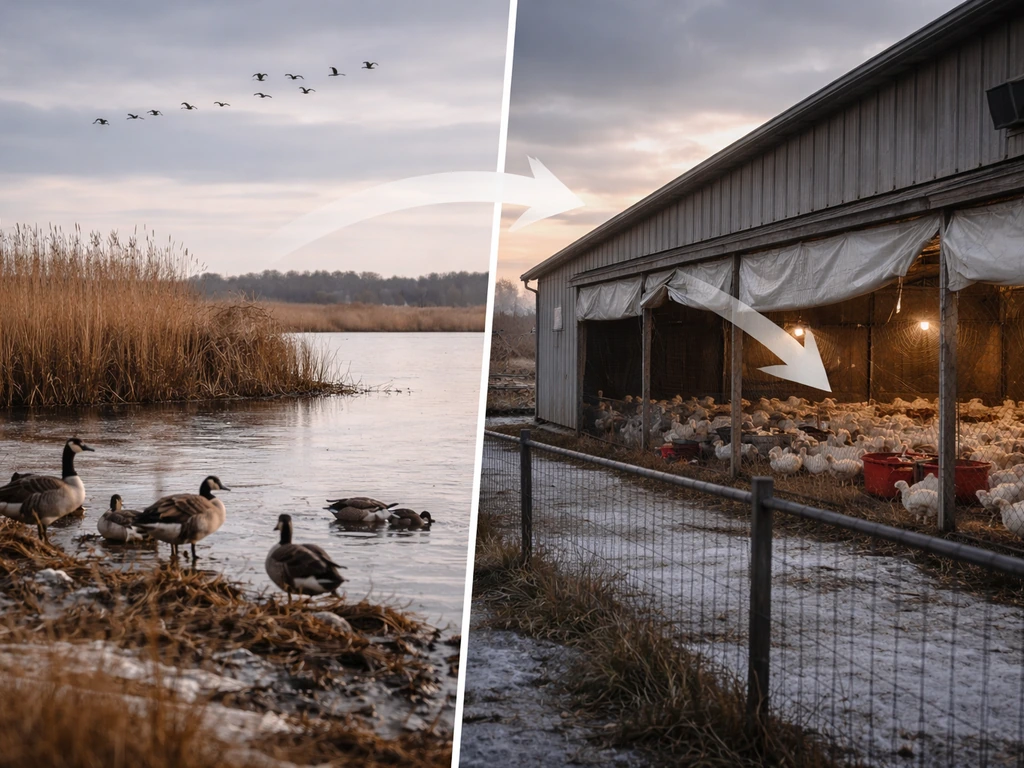
Four factors push bird flu outbreaks toward winter in most of the Northern Hemisphere, and understanding them helps you spot risk signals no matter what month it is.
- Wild bird migration: Migratory waterfowl concentrate along flyways in autumn and spring, mixing populations from different regions and carrying viruses long distances. Dense congregations at shared water sources are ideal conditions for transmission between species.
- Virus survival in the environment: Influenza A viruses survive longer in cold, wet conditions. Contaminated water, soil, and fomites (surfaces) remain infectious longer in winter, extending the window during which a bird or farm worker can pick up the virus.
- Poultry management cycles: Winter coincides with increased indoor housing of poultry in many regions, raising bird density and reducing ventilation. Seasonal slaughter and live bird market cycles in parts of Asia have historically been tied to holiday demand, increasing the movement of birds and human exposure.
- Increased human-bird contact: Cold-weather die-offs of wild birds bring more sick or dead birds into contact with people who investigate them. Hunters and backyard flock owners who bring wild game birds home also represent a seasonal exposure route.
What this means for your risk today
If you are reading this in June 2026, you are in the lower-risk part of the seasonal curve for the Northern Hemisphere. But that is not the same as no risk. The better question is: what signals are active in your area right now? That is what actually determines your personal exposure level. If you are wondering whether bird flu is going around right now, check the active detections and risk signals in your area instead of relying on the calendar is bird flu going around.
Here is how to check your current local risk without relying on the calendar alone. USDA APHIS maintains a real-time map of HPAI detections in wild birds as part of its national early-warning surveillance program, and a separate listing of confirmed poultry flock outbreaks. If detections are active within your state or within a couple of counties of you, that matters more than the month. CDC's H5 surveillance page tracks whether influenza monitoring systems are showing unusual human activity.
CDC also runs wastewater surveillance for A(H5) subtype, a signal that proved useful in Oregon, where wastewater detections preceded confirmed poultry outbreaks by more than six weeks. Checking these sources takes less than five minutes and gives you an actual current picture, not a seasonal estimate.
- USDA APHIS HPAI wild bird detection map: check for active detections in your state
- USDA APHIS confirmed poultry flock outbreak listings: look for farms near your area
- CDC H5 bird flu surveillance page: monitors human-side signals in real time
- CDC A(H5) wastewater data: available from August 2024 onward, updated regularly
- WHO monthly risk assessment summaries (FAO/WHO/WOAH): useful for broader context and international outbreaks
- Your state veterinarian or state department of agriculture: often the fastest source for local outbreak news
Prevention year-round vs when risk is higher
Farm and flock biosecurity
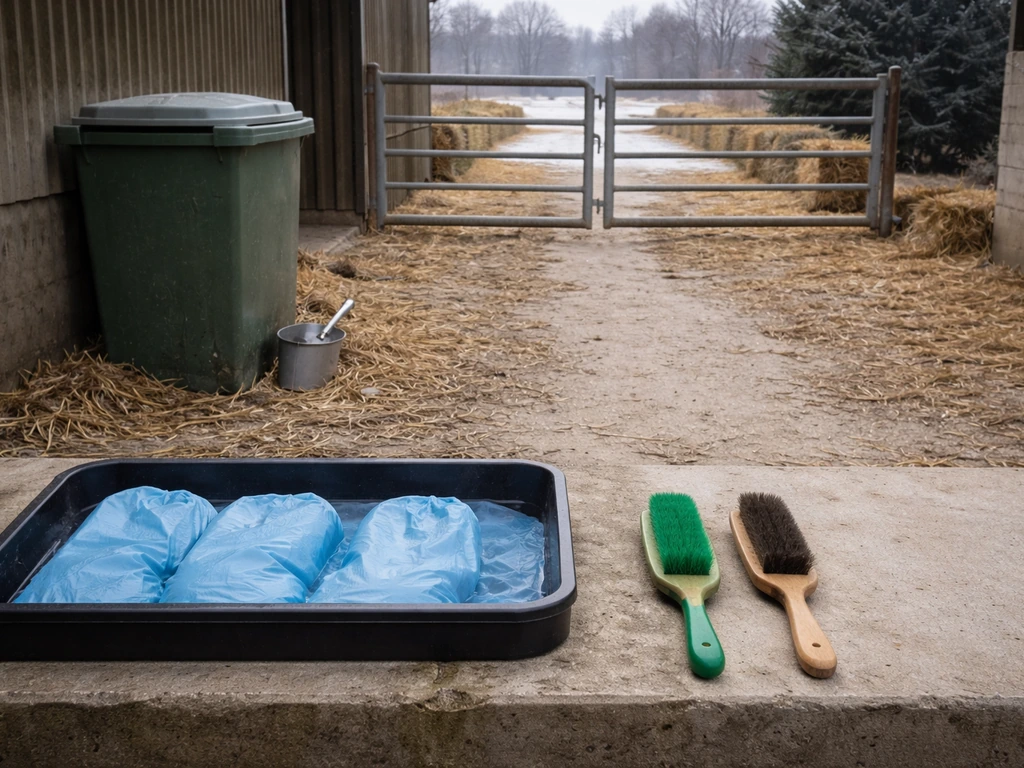
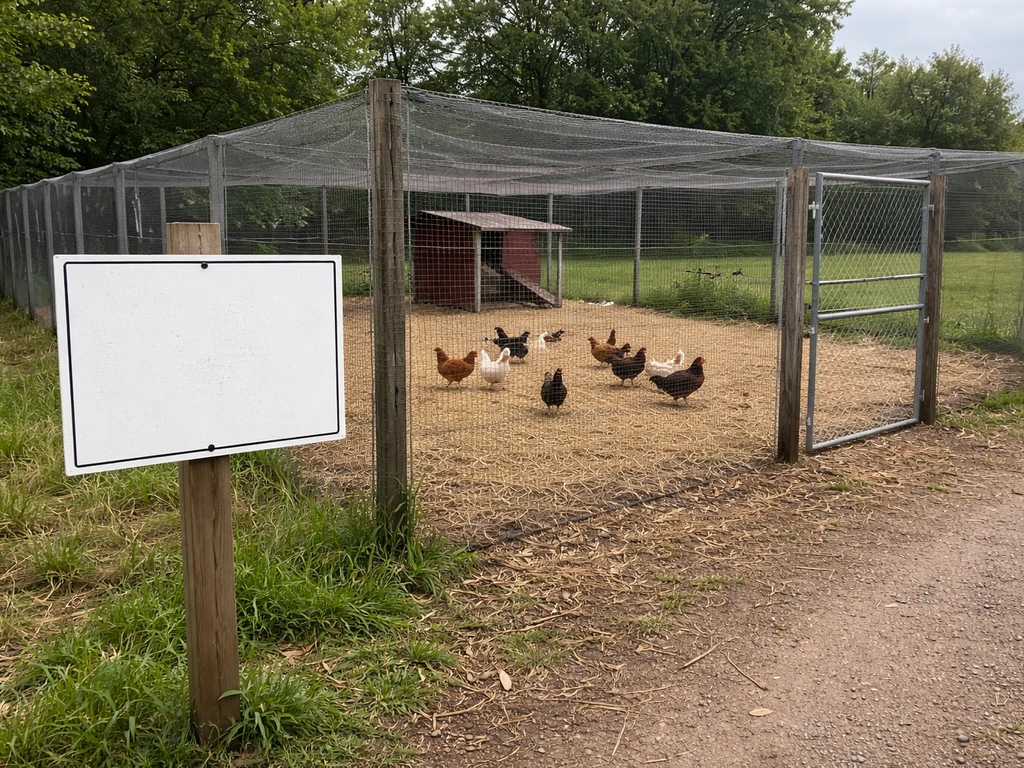
For poultry owners, whether you run a commercial operation or a backyard flock, USDA APHIS's Defend the Flock program lays out the core biosecurity practices that apply every month of the year: limit visitor access to bird areas, use dedicated footwear and clothing in poultry areas, avoid contact between your birds and wild birds, and report sick birds immediately. During the higher-risk October-to-February window, or any time active HPAI detections are confirmed nearby, you should tighten those measures: keep birds housed indoors or under covered runs, restrict all non-essential movement on and off the property, and monitor your flock daily for sudden drops in egg production, respiratory distress, or unexpected deaths.
USDA APHIS offers a backyard flock preparedness plan template that walks you through movement restrictions, enhanced biosecurity steps, and quarantine protocols. Having that plan written down before an outbreak hits nearby is worth the 30 minutes it takes. A plan you have practiced is the one you will actually use under stress.
Personal protective equipment and hygiene
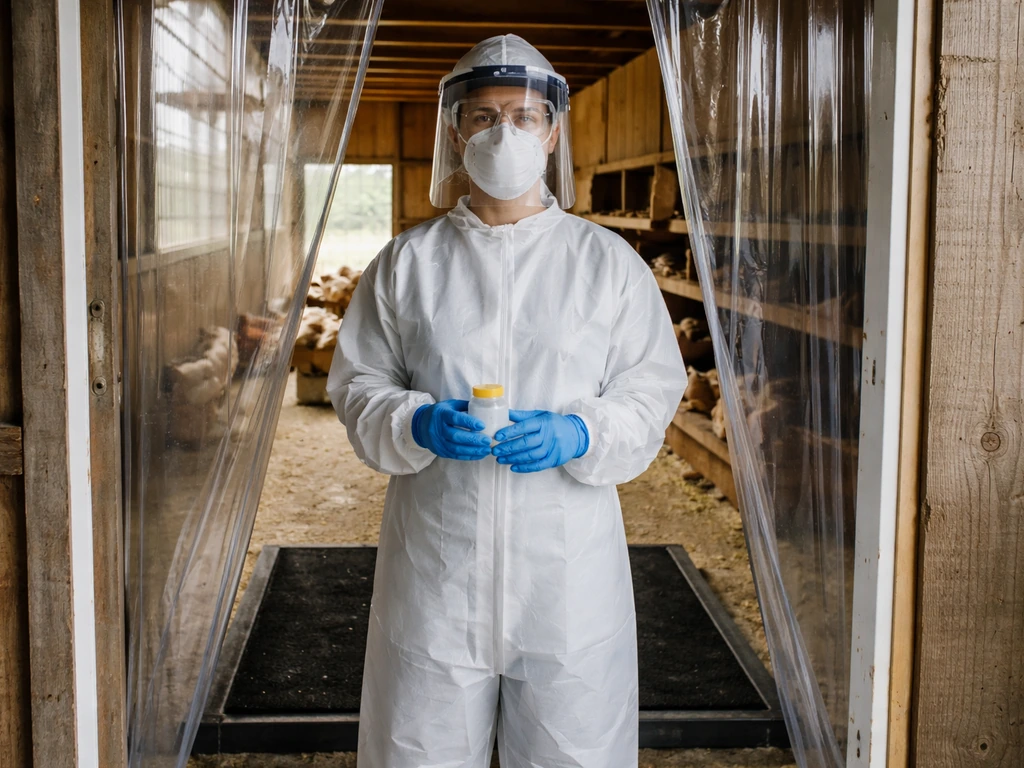
CDC guidance for backyard flock owners is direct: do not touch sick or dead birds, or any surfaces or water they have contaminated, without PPE. At minimum, that means waterproof gloves and eye protection. For higher-exposure situations, such as investigating a die-off, depopulating a sick flock, or handling birds at a live market, CDC and OSHA interim guidance (updated as recently as May 2025) specifies a more complete PPE setup including a respirator, disposable coveralls, and boot covers.
After use, clean or dispose of all PPE properly and wash your hands thoroughly. If you had a potential exposure and PPE was not used correctly or there was a breach, CDC recommends active symptom monitoring for 10 days after the last exposure.
| Situation | Minimum PPE | Additional steps |
|---|---|---|
| Backyard flock routine check | Dedicated footwear, hand hygiene | Avoid wild bird congregation near flock |
| Handling sick/dead birds (flock owner) | Waterproof gloves, eye protection, mask | Bag and double-bag dead birds; report to USDA |
| Investigating wild bird die-off | Gloves, eye protection, N95 or higher respirator | Do not handle without reporting first; contact state wildlife agency |
| Depopulating infected flock (farm worker) | Full PPE per CDC/OSHA interim guidance (May 2025): coveralls, respirator, face shield, boot covers | Symptom monitoring for 10 days post-exposure |
| Live poultry market visit | Avoid touching birds; wash hands immediately after | Do not bring market birds home without health clearance |
Food safety and transmission myths to ignore
One of the most persistent myths is that you can catch bird flu from eating chicken, turkey, or eggs. You cannot, if the food is properly handled and fully cooked. CDC states explicitly that there is no evidence anyone in the U.S. has been infected with avian influenza A viruses from eating properly handled and cooked poultry products. WHO's fact sheet says the same: properly prepared and cooked poultry and eggs have not been shown to transmit H5N1, H7N9, or other avian influenza viruses to humans. The primary risk is direct exposure to live or dead infected birds, or to environments heavily contaminated with their droppings.
A small number of infections historically linked to food in Southeast Asia involved uncooked or undercooked poultry and blood-based dishes, not standard cooked meals. The practical rule is simple: cook poultry to an internal temperature of 165 degrees Fahrenheit measured with a food thermometer at the thickest part. That temperature kills influenza viruses. Refrigerate leftovers promptly and avoid cross-contamination between raw poultry and other foods.
A few other myths worth dismissing: bird flu is not spread through the air between people in any sustained way under current strains. It is not the same as seasonal human influenza, and it does not follow the same transmission routes. Wearing a mask in a grocery store or avoiding chicken sandwiches does nothing meaningful for your bird flu risk. What does matter is your direct contact with birds, particularly wild waterfowl and sick domestic birds.
What to do if you suspect an outbreak and how to find current guidance
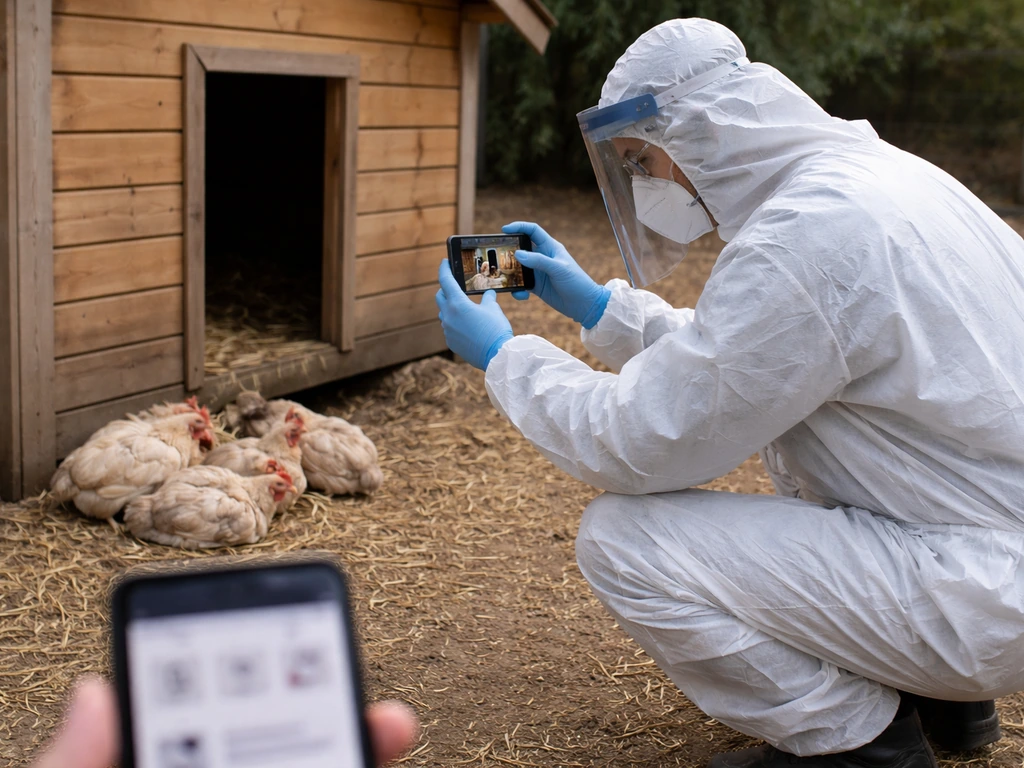
If you have a backyard flock or work with poultry and you see sudden unexplained deaths, birds that cannot walk or hold their heads up, significant drops in egg production, or swelling around the face and comb, do not wait. USDA APHIS advises reporting these signs immediately. You can call USDA's dedicated animal disease hotline or contact your local cooperative extension office, state veterinarian, or accredited veterinarian. Early reporting is genuinely important because the faster a potential outbreak is confirmed, the faster movement controls and depopulation decisions can be made to protect neighboring farms.
If you had direct contact with sick or dead birds and develop fever, respiratory symptoms, or conjunctivitis (eye redness and discharge) within 10 days, contact your healthcare provider and tell them about the exposure. CDC's interim recommendations for HPAI A(H5N1) include specific guidance for healthcare providers on antiviral treatment, testing, and monitoring, so mentioning the exposure context to your doctor up front saves time.
For staying informed on an ongoing basis, the most reliable sources are USDA APHIS (for U. S. poultry and wild bird outbreak data), CDC's H5 surveillance page (for human-side monitoring and wastewater signals), and WHO's monthly risk assessment summaries for the international picture. These are genuinely updated in real time, not on a seasonal schedule, which is exactly the right approach for a virus whose risk level can shift faster than any calendar can predict.
Whether bird flu is currently spreading more broadly, on the rise in a particular region, or showing new patterns is always worth checking against current data rather than assumptions based on the time of year. If you are trying to judge whether bird flu is on the rise where you live, compare recent detection and outbreak updates to the baseline seasonal pattern described earlier is bird flu on the rise.
If you’re wondering whether bird flu is spreading, check those real-time sources instead of relying on the calendar is bird flu spreading.
FAQ
If bird flu peaks in February, does that mean I’m safest in June or July?
No. June to July is typically lower on the Northern Hemisphere poultry and wild bird curve, but outbreaks can still occur at other times in specific places. Local detections in your state or nearby counties matter more than the month, especially if there are fresh wild bird die-offs or newly confirmed poultry flocks.
Why do wild bird detections sometimes show up before poultry outbreaks?
Wild birds can act as an early signal because they mingle at shared wetlands and stopovers, spreading virus across locations. Poultry outbreaks may follow after exposure through contaminated environments or via contact pathways like farm traffic, equipment, feed, litter, or people who also visit wild-bird areas.
Does “seasonal” mean bird flu is always caused by cold weather?
Cold weather is a common contributor, but it is not the only driver. Weather can affect how long virus survives outside the host, while migration, congregations, and poultry management cycles also push timing. That combination makes the peak pattern more location-dependent than human flu season.
Is the seasonal pattern the same everywhere in the world?
Not necessarily. The clearest pattern described is for the Northern Hemisphere, and even there it varies by year and country. In the Southern Hemisphere, seasons are reversed, and timing can shift based on local poultry density, migration routes, and monitoring coverage.
Does the seasonality differ by subtype, like H5N1 versus H7N9?
Yes. Some subtypes show a clearer timing signal than others, and country-specific dynamics can strengthen or weaken seasonality. Even when a subtype has a typical window, spillover risks can still occur outside that window if contaminated birds or environments are involved.
If bird flu “never fully disappears,” what should I do during the low months?
Keep core biosecurity running year-round, especially limiting contact between your birds and wild birds, controlling visitors and equipment, and watching for early warning signs (sudden deaths, respiratory illness, or egg production drops). During low months you may not need extra restrictions for every visitor, but you should still treat any active local detections as a reason to tighten measures.
What are the most common mistakes backyard flock owners make when trying to protect their birds?
Common issues include letting people or pets move between wild-bird areas and the coop, reusing footwear or clothing without changing, and delaying reporting when birds look ill or are found dead. Another frequent mistake is assuming “no cases this month” equals “no risk,” instead of checking current detections and acting immediately on sick-bird signs.
Can I reduce risk by wearing a mask if I’m worried about catching bird flu?
For most exposure scenarios involving bird flu, masks alone do not address the main risk, which is direct contact with infected or contaminated birds and environments. PPE needs to match the situation, and if you are handling sick or dead birds or investigating a die-off, follow guidance that includes eye protection and appropriate respirators where indicated.
What should I do if I find a dead wild bird on my property?
Avoid handling it with bare hands. Use gloves (and eye protection if there is splashing or close handling), keep children and pets away, and report it according to your local animal health instructions. Treat the surrounding area as contaminated until cleaned and ventilated per local guidance.
If I had exposure to sick birds but no symptoms, do I still need medical follow-up?
If you had direct contact with sick or dead birds, active symptom monitoring is recommended after the last exposure. The practical step is to contact a healthcare provider and clearly describe the timing and type of exposure, so they can decide whether testing or antivirals are warranted if symptoms begin.
How long after an exposure should I watch for symptoms?
Guidance commonly uses a 10-day window after the last exposure for symptom monitoring in people with relevant direct contact. If symptoms develop within that period, seek medical care and mention the exposure so clinicians can prioritize appropriate testing.
Is it safe to eat poultry and eggs if bird flu is reported in my area?
Properly cooked poultry and eggs are considered safe, because transmission from eating well-handled, fully cooked products has not been shown. The important practical risks are cross-contamination from raw poultry and undercooking, so use a food thermometer and keep raw items away from ready-to-eat foods.
What temperature counts as “fully cooked” for poultry?
Use a food thermometer and cook to an internal temperature of 165°F (measured in the thickest part). Cooking “until the juices run clear” is less reliable, especially with thick cuts or large poultry portions.
If I’m comparing my area’s risk, what should I look at first?
Start with whether there are confirmed detections in wild birds and poultry near you in recent days or weeks. Then compare those updates against the expected seasonal baseline, not instead of it. If there is active activity locally, treat that as your main decision trigger for tightening biosecurity.
Next Articles

Is Bird Flu Spreading Now? Hotspots, Risks, and What to Do
See where bird flu is spreading, how it spreads to people, signs to watch, food safety tips, and next steps.
Bird flu guide: what it is, symptoms, spread, and what to do today
Actionable bird flu guide: how it spreads, key human and poultry symptoms, risks, food safety, and what to do today.
Is Bird Flu Going Around? Current Risk and What to Do
Find out if bird flu is currently spreading, key risk facts, symptoms, and practical steps for people and poultry owners